Gray cast iron is one of the most widely used materials in the production of construction machinery components, thanks to its excellent combination of mechanical properties, castability, and cost-effectiveness. The structure of gray cast iron is characterized by the presence of graphite flakes, which play a crucial role in determining its properties.
Gray cast iron typically consists of iron, carbon, silicon, manganese, and small amounts of sulfur and phosphorus. The carbon content ranges from 2.5% to 4%, with most of it being present in the form of graphite. The graphite flakes are what give gray cast iron its distinctive appearance and significantly affect its properties, especially in terms of strength, hardness, and wear resistance. These graphite flakes are dispersed in a matrix of ferrite, pearlite, or a mixture of both, depending on the cooling rate during casting.
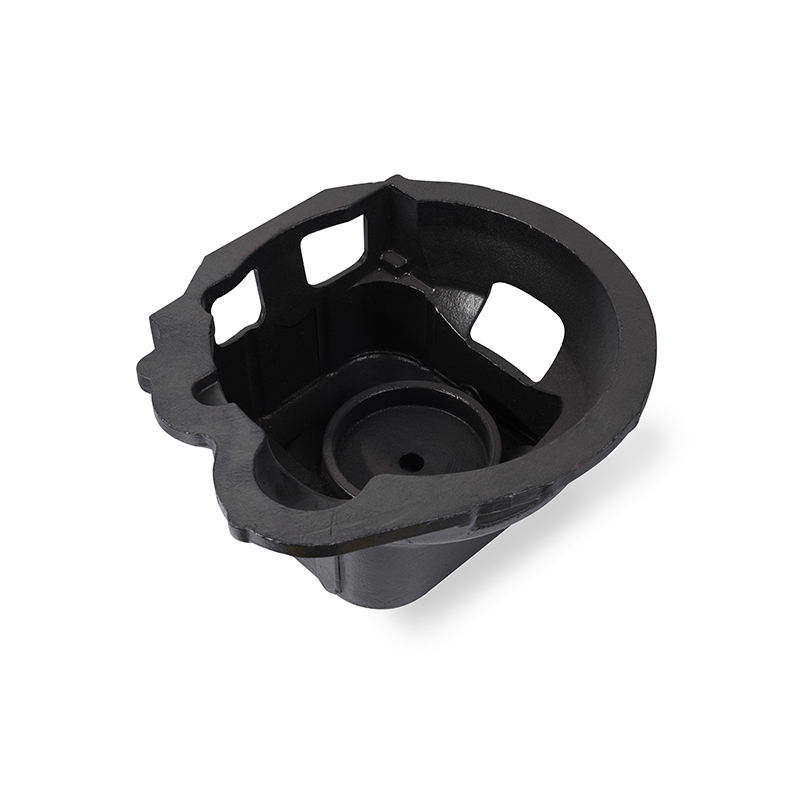
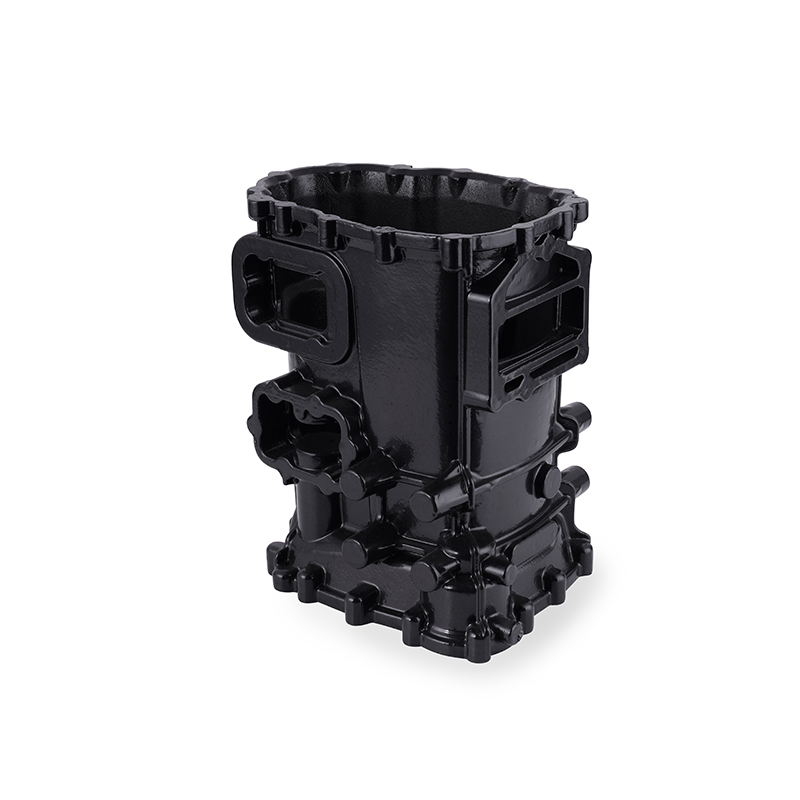
Gray cast iron is known for its excellent castability, which makes it ideal for manufacturing complex shapes and components commonly found in construction machinery. Its ability to be easily machined also makes it a preferred choice for parts requiring precise tolerances. The high carbon content in gray cast iron contributes to its superior damping capacity, which helps in reducing vibrations. This makes it an excellent material for components such as engine blocks, transmission housings, and machine bases, where vibration reduction is critical.
One of the key benefits of gray cast iron is its high wear resistance, especially in components that are subject to friction. Its self-lubricating properties, resulting from the graphite flakes, help reduce wear and tear in moving parts. However, it is relatively brittle and can be prone to cracking under high tensile stresses or impact loading.
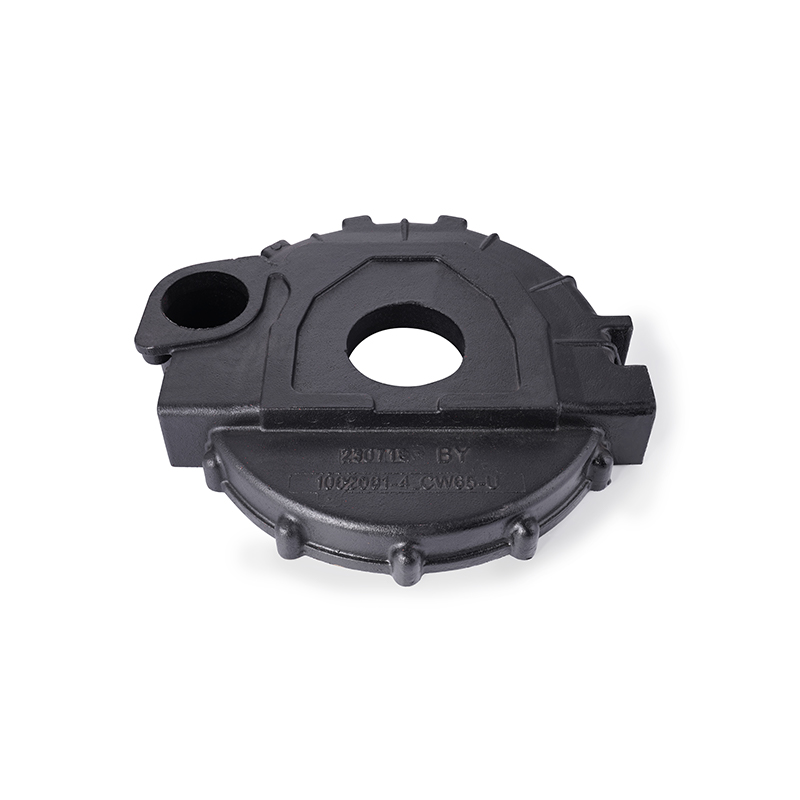
In the context of construction machinery, gray cast iron is commonly used for parts that are subjected to compressive forces rather than tensile or impact stresses. Examples of such parts include engine blocks, crankshafts, flywheels, and housing components. These parts benefit from the strength and damping characteristics of gray cast iron, while its cost-effectiveness makes it a practical material choice for large-scale manufacturing.
The material’s ability to absorb vibrations also contributes to the smoother operation of heavy machinery, making gray cast iron a staple in the construction machinery industry. The ease of machining and casting allows for the production of intricate shapes, which is essential for creating parts with complex geometries and tight tolerances.
Ductile cast iron, also known as nodular cast iron, is a more advanced form of cast iron that exhibits significantly improved mechanical properties compared to traditional gray cast iron. This improvement is primarily due to the presence of spheroidal graphite structures, which replace the flake-like graphite found in gray cast iron. Ductile cast iron offers better tensile strength, toughness, and ductility, making it suitable for more demanding applications in construction machinery.
Ductile cast iron is produced by adding small amounts of magnesium to the molten cast iron, which causes the graphite to form in the shape of spheres rather than flakes. This change in the graphite structure enhances the material's mechanical properties, particularly its tensile strength and impact resistance. The composition of ductile cast iron generally includes iron, carbon, silicon, manganese, and magnesium, with the carbon content typically ranging from 3% to 4%.
The spheroidal graphite structure in ductile cast iron offers a combination of strength and flexibility that gray cast iron lacks. This structure allows the material to deform under stress without cracking, making it highly resistant to impact and shock loading. Ductile cast iron can also be heat-treated to further enhance its strength and toughness, making it an excellent material for high-stress components in construction machinery.
The primary advantage of ductile cast iron over gray cast iron lies in its superior mechanical properties. The spheroidal graphite structure significantly improves the material’s tensile strength, yield strength, and impact resistance. Ductile cast iron can withstand higher levels of stress without failure, making it suitable for components that are subjected to dynamic loads or high impact forces.
One of the most significant properties of ductile cast iron is its excellent combination of strength and ductility. Unlike gray cast iron, which is brittle and prone to fracture under tension, ductile cast iron can deform without breaking. This makes it ideal for components that experience bending, torsion, and high impact stresses, such as suspension parts, gears, and housings in construction machinery.
Ductile cast iron also exhibits superior fatigue resistance, making it a reliable choice for components subjected to repetitive loading cycles, such as axles and drive shafts in construction equipment. Its corrosion resistance is generally better than that of gray cast iron, although it still depends on the specific alloying elements and environmental conditions.
Ductile cast iron is commonly used for high-performance components in construction machinery that require enhanced strength and durability. Examples of such components include suspension arms, gear housings, and engine components that are exposed to high stresses. The material’s superior toughness makes it well-suited for parts that are prone to impact loading, such as heavy-duty gears and crankshafts.
In addition to its mechanical advantages, ductile cast iron can also be cast into complex shapes with high precision, which is important for the production of intricate components found in modern construction machinery. Its ability to withstand dynamic and shock loads without fracturing makes it an essential material for components that must endure the harsh working conditions typical of construction sites.
While both gray cast iron and ductile cast iron offer distinct advantages for construction machinery, the decision to use one over the other depends on the specific requirements of the component being produced. The primary distinction between the two materials lies in their mechanical properties and their ability to handle different types of stresses.
Ductile cast iron excels in tensile strength, impact resistance, and toughness compared to gray cast iron. This makes ductile cast iron the preferred choice for parts that experience high dynamic loads or impact forces. In contrast, gray cast iron is better suited for components that experience compressive forces, as it has a higher resistance to wear and vibration damping.
Gray cast iron is easier and more cost-effective to machine compared to ductile cast iron. Its brittleness makes it more suitable for applications where the material will not be subjected to tensile or bending stresses. On the other hand, ductile cast iron’s superior strength comes with higher manufacturing costs, as it requires more precise casting and additional alloying elements like magnesium.
Gray cast iron is often favored for parts that require good wear resistance and vibration damping, such as engine blocks and housings. Its graphite flakes serve as a lubricant, reducing friction between moving parts. Ductile cast iron, while not as effective in vibration damping, offers superior fatigue resistance, making it better suited for components exposed to cyclic loads.
When selecting between gray cast iron and ductile cast iron for construction machinery parts, manufacturers must carefully consider factors such as the expected mechanical loads, impact resistance, and durability. For example, for parts such as flywheels or engine blocks that require vibration damping, gray cast iron may be the better option. However, for high-stress components like suspension arms or drive shafts, ductile cast iron’s strength and toughness are essential.
Construction machinery operates in some of the harshest environments, from construction sites to mining operations, where equipment is exposed to heavy loads, vibrations, high temperatures, and even corrosive elements. As a result, the materials used in manufacturing construction machinery must possess exceptional durability and strength. Cast iron, especially in its gray and ductile forms, has long been recognized for its ability to withstand extreme stress, making it a top choice for many critical components in construction equipment.
Gray cast iron, with its unique microstructure of graphite flakes embedded in the matrix, offers high compressive strength, making it ideal for parts that bear heavy loads. Its ability to absorb and distribute these loads across a wide area prevents localized stress concentrations that could otherwise cause cracking or failure. Ductile cast iron, on the other hand, enhances this mechanical strength with a more flexible, spherical graphite structure. This structure allows ductile iron to handle tensile and impact stresses without fracturing, making it particularly well-suited for components exposed to high dynamic loads or repetitive stress cycles, such as gears, suspension components, and crankshafts.
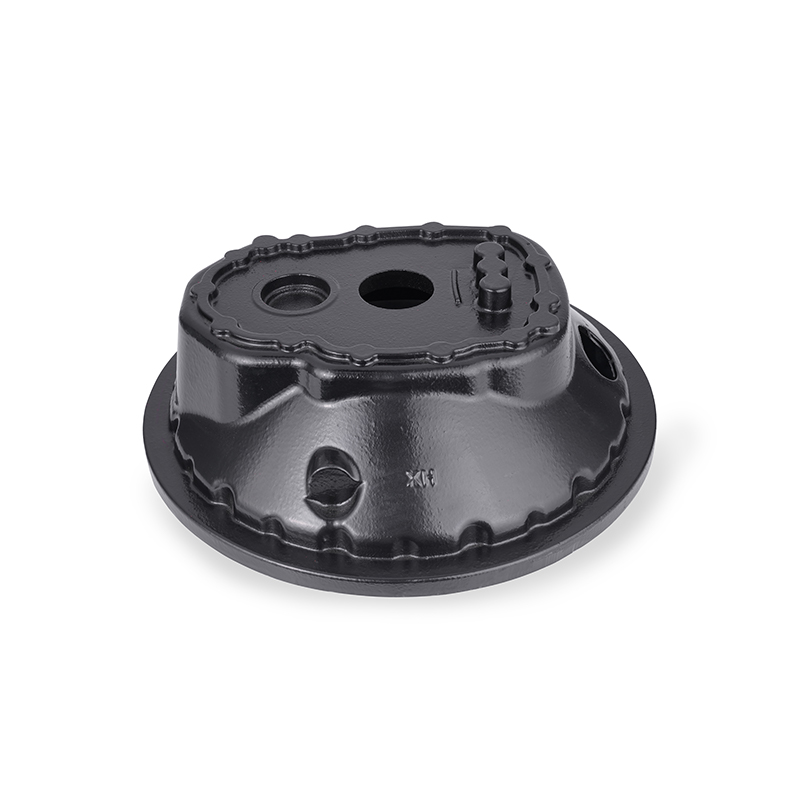
Construction machinery components frequently face wear and tear due to constant friction, abrasion, and exposure to rough materials. Gray cast iron’s graphite structure plays a pivotal role in self-lubrication, significantly improving its wear resistance. This quality makes gray cast iron an ideal material for parts such as engine blocks, flywheels, and bearing housings, where friction is a constant concern.
Ductile cast iron, while not as effective in self-lubrication, still offers significant wear resistance due to its robust mechanical properties. Its improved toughness and higher tensile strength ensure that components made from ductile cast iron can endure long-term use in demanding conditions. This makes ductile cast iron ideal for high-wear applications, such as gears, track links, and suspension parts.
One of the most significant benefits of using cast iron in construction machinery manufacturing is its excellent castability. Cast iron can be poured into molds with relatively low viscosity, which allows for the creation of complex shapes and intricate designs that would be difficult or impossible to achieve using other materials like steel or aluminum. This characteristic is particularly important in the construction machinery industry, where components often feature complex geometries, including intricate cavities, ribs, and hollows.
The casting process for producing construction machinery components involves pouring molten iron into sand molds, which harden and take on the shape of the desired component. This process is relatively inexpensive compared to other manufacturing methods, such as forging or machining, and allows for mass production of high-quality parts. For example, parts such as engine blocks, crankcases, and gear housings, which have complex internal passages for cooling or lubrication, can be easily created using cast iron casting techniques.
The casting process ensures high precision in part sizes, reducing the need for additional machining operations. Cast iron’s ability to retain its shape after cooling is critical for ensuring that construction machinery components fit together perfectly during assembly. The ability to cast components with minimal post-production work increases manufacturing efficiency and reduces costs, making cast iron an attractive option for mass-produced construction equipment parts.
Another crucial benefit of using construction machinery cast iron casting is its excellent vibration-damping properties. Gray cast iron, in particular, is well-known for its ability to absorb vibrations due to the graphite flakes embedded within its structure. These graphite flakes act as a natural shock absorber, effectively reducing the transmission of vibrations throughout the machinery.
For operators working with construction machinery, excessive vibration can lead to discomfort, fatigue, and reduced precision in handling the equipment. In heavy-duty machinery such as cranes, bulldozers, and excavators, reducing vibrations not only enhances operator comfort but also improves control and safety. The vibration-damping properties of gray cast iron can help minimize operator exposure to harmful vibrations, ultimately reducing the risk of long-term health issues associated with repetitive motion and vibration exposure.
From a mechanical standpoint, vibration reduction is equally important for the longevity of the equipment itself. Prolonged exposure to high vibrations can lead to premature wear and failure of components such as bearings, gears, and seals. By incorporating cast iron into key components of construction machinery, manufacturers can improve the durability of these parts and extend the overall service life of the equipment.
Construction machinery is often manufactured in high volumes, and cost efficiency is a major factor in determining the choice of materials. Cast iron offers a significant advantage in terms of cost-effectiveness, both in terms of raw material costs and the manufacturing process itself. Compared to other metals like steel, cast iron is less expensive to produce and requires less energy for processing. This is particularly important in the construction machinery industry, where the cost of components can significantly impact the final price of the machinery.
The raw materials required for making cast iron—primarily iron and carbon—are abundant and relatively inexpensive, which lowers the overall material cost. While the addition of alloying elements such as silicon, manganese, and sulfur can increase the cost of specific cast iron grades, these elements are typically added in small amounts and do not significantly raise the overall cost of production.
In addition to the relatively low cost of raw materials, the energy required to cast iron is comparatively low. This is because the melting point of cast iron is lower than that of steel, which reduces the energy required for the casting process. Furthermore, the casting process itself is less labor-intensive than other methods such as forging or machining, which helps to keep labor costs down. These cost-saving advantages make cast iron an ideal choice for large-scale manufacturing in the construction machinery industry.
Construction machinery often operates in high-temperature environments, whether it's engine components exposed to exhaust heat or parts in contact with frictional forces. Cast iron is particularly well-suited for handling high-temperature conditions due to its excellent thermal stability. The material’s ability to retain its shape and mechanical properties even at elevated temperatures makes it a reliable choice for critical components in construction equipment.
Gray cast iron and ductile cast iron both exhibit excellent resistance to thermal expansion, which means they do not deform or warp under temperature changes. This property is especially important in construction machinery, where components may experience rapid temperature fluctuations due to heavy usage. For example, engine blocks made from gray cast iron can withstand the intense heat generated by the engine, while ductile cast iron is often used in high-temperature applications such as exhaust manifolds and turbochargers.
Thermal fatigue occurs when a material is repeatedly subjected to temperature changes that cause it to expand and contract. Over time, this can lead to cracking and failure of the component. Cast iron’s resistance to thermal fatigue is another reason why it is favored for components exposed to high temperatures. By using cast iron in construction machinery, manufacturers can reduce the risk of thermal fatigue and ensure that components continue to perform reliably over extended periods.
Corrosion is a constant threat in construction machinery, particularly in environments where equipment is exposed to moisture, chemicals, or other corrosive agents. Cast iron, particularly when alloyed with elements such as chromium, is known for its ability to resist corrosion. This is a significant advantage in the construction industry, where equipment is frequently exposed to harsh weather conditions and environmental factors.
The graphite content in cast iron not only improves its mechanical properties but also enhances its resistance to corrosion. The graphite flakes form a protective layer on the surface of the material, which helps to prevent corrosion from spreading throughout the part. Additionally, ductile cast iron, with its improved tensile strength, can resist corrosion more effectively than gray cast iron in certain applications.
The corrosion resistance of cast iron reduces the need for frequent maintenance and replacement of parts. Components such as engine blocks, housings, and pump casings, when made from cast iron, are less likely to suffer from corrosion-related failures, resulting in lower long-term maintenance costs. This makes cast iron an excellent investment for construction equipment manufacturers who want to ensure the durability and reliability of their machines.
As environmental concerns continue to grow, the sustainability of materials used in manufacturing is becoming an increasingly important factor. Cast iron is highly recyclable, making it an environmentally friendly choice for the production of construction machinery components. Used cast iron can be melted down and reused in new castings, reducing the need for raw materials and minimizing waste.
The ability to recycle cast iron reduces the environmental footprint of manufacturing construction machinery. By reusing scrap iron in the casting process, manufacturers can lower their consumption of natural resources and reduce the amount of waste sent to landfills. This aligns with global sustainability goals and offers manufacturers an opportunity to lower production costs while being more environmentally responsible.
When it comes to the manufacturing of construction machinery, durability and performance are key factors that determine the reliability and longevity of the equipment. Cast iron plays a crucial role in this context by offering a unique combination of mechanical properties that enhance the strength and longevity of critical components. The inherent characteristics of cast iron, especially its ability to handle compressive forces, its wear resistance, and its capacity to dampen vibrations, make it an ideal material for many parts in construction machinery.
One of the primary reasons why cast iron is widely used in construction machinery components is its excellent compressive strength. Compressive strength refers to the ability of a material to resist forces that tend to compress or crush it. Cast iron’s structure, particularly in gray cast iron, is composed of a matrix of graphite flakes surrounded by a dense iron-based alloy. These graphite flakes help distribute compressive forces evenly across the material, preventing localized deformation or fracture. As a result, components made from cast iron can endure heavy loads and continuous stress without failing.
In construction machinery, components such as engine blocks, housings, and structural frames are often subjected to high compressive forces. The use of cast iron in these parts ensures that they can withstand the intense pressure and heavy weights involved in construction operations. The material’s ability to absorb these forces without distortion or crack propagation directly contributes to the enhanced durability and performance of the machinery.
Construction machinery components are subjected to dynamic loads that can fluctuate rapidly, especially in equipment designed for tasks such as digging, lifting, or breaking through tough materials. These forces cause components to experience both impact loading and cyclic stresses, which can lead to fatigue and eventual failure if the materials used are not designed to handle such conditions.
Cast iron, particularly ductile cast iron, is highly resistant to fatigue and impact loading. The spherical graphite structure found in ductile cast iron allows it to absorb impact forces without fracturing, unlike the brittle gray cast iron, which is more prone to cracking under tension. Ductile cast iron’s enhanced toughness and flexibility ensure that components made from it, such as suspension arms, gears, and drive shafts, can withstand the repetitive stresses encountered in construction machinery applications.
This resistance to fatigue is vital in ensuring that construction machinery operates reliably over long periods. Parts that experience cyclic stresses, such as wheels, axles, and gears, benefit from the improved tensile strength and elongation properties of ductile cast iron. These materials help prevent premature failure due to fatigue, improving both the durability and performance of the machinery.
In construction machinery, many parts are subject to high levels of friction due to moving components that interact with other surfaces. This friction leads to wear, which can cause a significant reduction in performance and potentially result in part failure. Cast iron’s inherent wear resistance makes it an ideal material for parts exposed to high frictional forces.
One of the unique properties of gray cast iron is the presence of graphite flakes in its microstructure. These graphite flakes act as a natural lubricant, reducing friction between moving surfaces and decreasing the wear rate. As a result, components made from gray cast iron are able to operate smoothly over extended periods without suffering from excessive wear or degradation.
For instance, parts such as bearing housings, engine blocks, and gearboxes often experience continuous friction during operation. The graphite within gray cast iron helps to mitigate this friction, allowing these components to maintain their function and integrity even in high-stress environments. The ability to reduce friction and wear significantly improves the overall performance of the machinery, ensuring that the equipment operates efficiently over the long term.
Ductile cast iron, while not as inherently self-lubricating as gray cast iron, still offers excellent wear resistance. The material’s spherical graphite structure allows for improved wear resistance compared to traditional gray cast iron. This is particularly important for components such as gears, couplings, and other high-stress parts in construction machinery that must endure constant contact and friction.
Ductile cast iron's increased tensile strength and improved fatigue resistance make it capable of handling high-pressure contact without succumbing to premature wear. The combination of these properties helps enhance the overall longevity of the machinery by ensuring that key components remain intact and functional, even in environments with high wear rates.
Construction machinery operates in environments with constant vibrations, whether due to engine operation, the movement of heavy loads, or impacts from tasks like digging and lifting. Excessive vibrations can affect both the operator’s comfort and the machinery’s ability to perform at its best. Cast iron’s vibration-damping properties play a critical role in mitigating the negative effects of these vibrations, ensuring smoother operation and improved performance.
One of the standout properties of gray cast iron is its ability to dampen vibrations effectively. The graphite flakes embedded within the matrix of gray cast iron act as shock absorbers, helping to dissipate the energy from vibrations. This damping effect reduces the transmission of vibrations to the rest of the machinery, preventing the machinery from vibrating excessively and affecting the operator's experience.
In construction machinery, excessive vibration can lead to operator fatigue, difficulty in controlling the equipment, and decreased accuracy during operations. Gray cast iron’s ability to absorb and reduce these vibrations results in a smoother and more controlled operation. For example, engine blocks, flywheels, and other components made from gray cast iron help reduce engine vibrations, making the machinery more comfortable and easier to handle.
Vibration damping is not only essential for operator comfort but also for the machinery’s long-term durability. Continuous exposure to high levels of vibration can lead to the loosening of components, premature wear, and potential failure of critical parts. The use of cast iron in key components reduces the risk of such issues, ensuring that the machinery remains operational for longer periods and that its performance is not compromised by the negative effects of excessive vibration.
In construction machinery, parts often operate in environments subject to extreme temperature fluctuations. Components such as engine blocks, exhaust manifolds, and transmission systems are exposed to high temperatures generated by engine operation or frictional heat. Cast iron, particularly gray cast iron, is known for its excellent thermal stability and heat resistance, making it an ideal choice for components subjected to these harsh conditions.
Cast iron’s low coefficient of thermal expansion means that it expands and contracts very little when exposed to temperature changes. This stability ensures that parts made from cast iron maintain their dimensions and structural integrity, even under extreme temperatures. For example, engine blocks made from cast iron can withstand the high temperatures generated by combustion without warping or losing their shape, ensuring consistent performance throughout the life of the machinery.
In addition to its low thermal expansion, cast iron also excels in its ability to dissipate heat effectively. The material’s high thermal conductivity allows it to quickly absorb and distribute heat, preventing localized overheating. This property is particularly important in engine components that experience high thermal loads. Gray cast iron’s ability to manage heat ensures that critical components, such as engine blocks and cylinder heads, do not overheat, which could otherwise lead to thermal fatigue, reduced performance, or complete failure.
Ductile cast iron also offers excellent heat resistance, though it is typically used for components that require higher strength and toughness rather than for purely thermal applications. Ductile iron parts, such as exhaust manifolds or brake components, benefit from the material’s ability to withstand both high temperatures and mechanical stresses, ensuring optimal performance in high-temperature environments.
Construction machinery often operates in environments that expose equipment to moisture, chemicals, dust, and other corrosive elements. The ability of cast iron to resist corrosion significantly contributes to the durability and longevity of construction machinery. This is particularly important for machinery that operates in harsh weather conditions or in environments where the equipment is exposed to moisture and other corrosive elements.
Gray cast iron naturally offers some level of corrosion resistance due to its graphite structure, which acts as a barrier to moisture penetration. When exposed to moisture, the graphite in gray cast iron helps prevent rust from spreading throughout the material. However, in more corrosive environments, alloying elements such as chromium or nickel can be added to improve the corrosion resistance of cast iron further.
Ductile cast iron generally offers better corrosion resistance than gray cast iron, especially in harsh environments. The material’s enhanced tensile strength and improved overall mechanical properties help prevent corrosion from compromising the integrity of critical components. This makes ductile cast iron an excellent choice for components such as pump housings, exhaust systems, and water-carrying parts in construction machinery.
In the manufacturing of construction machinery, the choice of materials is a critical decision that directly influences the performance, durability, and cost-effectiveness of the equipment. Cast iron, particularly gray and ductile varieties, has long been favored for the production of critical components such as engine blocks, gearboxes, and housing. However, other materials such as steel, aluminum, and composite materials are also commonly used in construction machinery manufacturing. Each material has its unique set of advantages and limitations, making it essential to consider the specific requirements of each application before making a material selection.
This section offers a comparative analysis of construction machinery cast iron casting against other commonly used materials, such as steel, aluminum, and composites, in terms of mechanical properties, manufacturing processes, performance characteristics, and cost-effectiveness.
One of the primary reasons cast iron is used in construction machinery is its excellent mechanical properties, particularly in terms of compressive strength, wear resistance, and vibration damping. Gray cast iron is known for its high compressive strength, which makes it ideal for parts that bear heavy loads, such as engine blocks, housings, and structural components. The matrix structure of gray cast iron, with its graphite flakes embedded in the iron matrix, allows it to resist compression while also offering excellent wear resistance due to the natural lubrication properties of graphite. These qualities make it an attractive option for components that experience constant friction and heavy loads.
Ductile cast iron, while similar to gray cast iron in many respects, offers enhanced tensile strength and impact resistance due to its unique spherical graphite structure. This allows ductile cast iron to perform better under tension and dynamic loading conditions. Components such as suspension arms, gears, and axles, which are subjected to high impact forces, are often made from ductile cast iron for its combination of strength, toughness, and flexibility.
Steel, particularly carbon steel and alloy steels, is another commonly used material in construction machinery manufacturing. Unlike cast iron, steel has higher tensile strength and better elongation properties, meaning it can withstand higher stresses without deforming. This makes steel an ideal material for parts subjected to high-tensile forces, such as crane booms, chassis, and support structures. Additionally, steel can be heat-treated to further improve its strength, toughness, and wear resistance.
However, steel generally has lower compressive strength compared to cast iron, and its fatigue resistance is not as high, which makes it less suitable for applications where high levels of compressive stress are prevalent. While steel parts are more ductile and resistant to fracture, they often do not offer the same vibration damping and wear resistance as cast iron, particularly gray cast iron.
Aluminum is a material that is increasingly being used in construction machinery, particularly in components where weight reduction is a priority. Aluminum alloys have a high strength-to-weight ratio, which makes them ideal for applications where reducing weight can improve fuel efficiency and operational ease. For instance, aluminum is commonly used in engine blocks, transmission housings, and structural components that need to be lightweight yet durable.
However, aluminum is generally less wear-resistant than cast iron and has lower tensile strength. It also suffers from poorer fatigue resistance compared to steel and cast iron, which makes it less suitable for high-load or high-impact applications. Furthermore, aluminum is more prone to corrosion than cast iron, although aluminum alloys can be treated with coatings to improve their corrosion resistance.
Composite materials, such as carbon fiber and fiberglass reinforced polymers, are increasingly being used in the construction machinery industry due to their exceptional strength-to-weight ratios and high resistance to corrosion. Composites are especially useful in applications where weight reduction is crucial, and their non-corrosive nature makes them ideal for equipment that operates in harsh environments or exposed to chemicals and moisture.
However, composites generally have lower compressive strength and are not as impact-resistant as metals like cast iron and steel. Additionally, the cost of manufacturing with composites is often higher, and the material can be prone to degradation under certain high-temperature conditions. While composites offer some benefits, they are not typically used for the heavy-duty components of construction machinery that require the exceptional strength and wear resistance provided by cast iron.
One of the key advantages of cast iron in construction machinery manufacturing is its cost-effectiveness. The casting process involves pouring molten iron into molds, allowing it to take on complex shapes and geometries. This flexibility enables manufacturers to produce parts with intricate designs and features that would be difficult or expensive to achieve through other manufacturing processes.
Cast iron casting also offers the benefit of producing parts with relatively low material waste and minimal post-production work. Once the castings are removed from the molds, only minor machining may be required to achieve the desired finish and tolerances. This makes the casting process relatively quick and cost-efficient for mass production runs of complex components like engine blocks, housings, and gear cases.
Forging is a manufacturing process used for producing steel components, where the metal is heated and shaped through the application of compressive forces. Forged steel is known for its excellent strength, toughness, and uniform grain structure. Forged parts are ideal for applications where high tensile strength is required, and they are less likely to fail under dynamic loading conditions compared to cast iron.
However, forging is generally more expensive than casting due to the higher energy requirements and the need for specialized equipment, such as dies and hammers. Additionally, the forging process is less flexible than casting in terms of part geometry, making it unsuitable for producing complex shapes or intricate internal structures. Steel forgings also tend to be heavier than cast iron parts, which may limit their use in applications where weight is a critical factor.
Machining is a process that involves removing material from a workpiece using cutting tools to achieve the desired shape and finish. While machining can produce highly precise parts, it is an expensive and time-consuming process, particularly for large or complex components. Steel and aluminum parts that require very tight tolerances are often produced using machining, but it is rarely used for large-scale production of construction machinery components.
In comparison, cast iron is often easier to machine than steel, which can reduce the overall production cost. Components such as engine blocks, pump casings, and gear housings can be cast to near-net shape, requiring only minimal machining to achieve the required precision. This makes cast iron a more cost-effective option when compared to materials that must undergo extensive machining.
Aluminum molding involves the creation of parts by injecting molten aluminum into molds, similar to the casting process used for cast iron. While aluminum molding can produce lightweight and corrosion-resistant components, the strength of the material is often insufficient for high-load applications. Additionally, aluminum components tend to deform under stress more easily than cast iron parts, and they have poorer wear resistance, particularly in high-friction environments.
Cast iron, especially when alloyed with elements such as chromium or nickel, offers good resistance to corrosion. The graphite flakes in gray cast iron also act as a protective layer, preventing the spread of rust and corrosion in many environments. However, while cast iron performs well in many corrosive environments, it can still suffer from rusting when exposed to prolonged moisture, particularly if not properly treated.
Steel, in general, is more prone to corrosion than cast iron unless it is alloyed with corrosion-resistant elements like chromium (e.g., stainless steel). However, steel is highly durable and can withstand extreme temperatures and stresses. Aluminum, on the other hand, is naturally resistant to corrosion due to the formation of a protective oxide layer on its surface. However, in certain harsh conditions, aluminum can still corrode, particularly in saltwater environments.
While cast iron offers excellent wear resistance, its impact resistance can be lower than that of steel or aluminum, especially for brittle gray cast iron. Ductile cast iron, however, provides significantly better impact resistance due to its spherical graphite structure, making it ideal for high-stress applications where impact loading is a concern. Steel, due to its high tensile strength and ductility, offers superior impact resistance, particularly for parts subjected to dynamic loads.
In construction machinery, parts are subjected to various types of mechanical loads, which directly influence the material selection for manufacturing. Whether a part is primarily exposed to compressive forces, tensile stresses, or cyclic loading, the material chosen must have the ability to withstand the expected load conditions while maintaining its integrity over time. Cast iron, particularly gray and ductile cast iron, offers distinct advantages based on the nature of the loads and the required strength of the components.
Gray cast iron, due to its microstructure, excels in handling compressive loads. The graphite flakes within its structure act as stress distributors, preventing localized concentrations that could lead to fracture. Components in construction machinery that experience primarily compressive forces, such as engine blocks, housings, and structural frames, benefit from gray cast iron's high compressive strength. Its ability to withstand heavy loads without significant deformation makes it an ideal material for parts where the focus is on compressive strength rather than tensile or shear resistance.
Ductile cast iron, with its spherical graphite structure, is much more effective at handling tensile and impact loads. The spherical shape of the graphite particles provides enhanced ductility and flexibility, which makes the material much less brittle than gray cast iron. For components that experience high dynamic loads or frequent shock and impact stresses, such as suspension arms, crankshafts, and gears, ductile cast iron is a better option. Its superior toughness and strength under tension ensure that parts made from ductile cast iron can absorb high impact forces without cracking or failing, offering higher performance in machinery that works in high-stress environments.
In construction machinery, parts that come into constant contact with other surfaces, such as gears, bearings, and transmission components, are often subject to wear and abrasion. The selection of the appropriate material for these parts is critical to ensure long-term durability and performance. Cast iron, especially gray cast iron, provides exceptional wear resistance due to the unique properties of its microstructure.
The graphite flakes within gray cast iron significantly enhance its ability to resist wear. The graphite particles act as lubricants, reducing friction between mating surfaces and allowing parts to move smoothly without excessive wear. For components like engine blocks, bearing housings, and pump casings, where continuous friction is present, gray cast iron is a highly effective material. Its self-lubricating properties reduce the rate of wear, ensuring the longevity of components and minimizing the need for frequent maintenance or replacement.
The high wear resistance of gray cast iron helps in protecting critical parts from degradation due to constant friction, ensuring optimal machinery performance even under demanding operating conditions. However, it is important to note that while gray cast iron excels in wear resistance, it may not be the best choice for parts subjected to significant impact or tensile stress.
Ductile cast iron, while not inherently self-lubricating like gray cast iron, offers good wear resistance due to its improved mechanical properties. Its higher tensile strength and toughness allow it to withstand abrasive forces and maintain its structural integrity for a longer period of time. Components made from ductile cast iron, such as gears and track links, are less likely to deform under pressure or experience wear-related failures, making it an ideal material for parts exposed to constant friction and stress.
While ductile cast iron does not offer the same level of natural lubrication as gray cast iron, it is often alloyed with other elements such as nickel or chromium to improve its wear resistance and corrosion resistance. These enhancements ensure that ductile cast iron parts maintain their performance in high-wear environments, reducing the need for frequent maintenance or part replacement.
Construction machinery, particularly heavy-duty equipment, is subject to significant vibrations during operation. Whether due to engine power, movement of heavy loads, or continuous operation on uneven terrain, vibrations can have a significant impact on both the performance of the machinery and the comfort of the operator. Excessive vibrations can lead to premature wear of critical components, reducing the overall lifespan of the equipment. This is where the vibration damping properties of cast iron become essential.
One of the key advantages of gray cast iron in construction machinery is its excellent ability to dampen vibrations. The graphite flakes embedded in the cast iron matrix absorb vibrations and prevent them from propagating throughout the machinery. This ability to reduce the transmission of vibrations helps minimize the mechanical stress that components experience during operation. The result is smoother machinery operation, which leads to better control and operator comfort.
For components that are subject to continuous vibrations, such as engine blocks, flywheels, and housings, gray cast iron is an ideal choice. The damping properties not only enhance the performance of these parts but also help reduce operator fatigue and improve precision during operations. As a result, machinery with gray cast iron components tends to operate more smoothly and efficiently, increasing productivity and reducing the risk of operator strain.
While ductile cast iron does not offer the same level of vibration damping as gray cast iron, it still provides significant resistance to vibration, especially in parts subjected to dynamic loads and stresses. The material's flexibility and toughness allow it to absorb and dissipate vibrations to some extent, although its primary benefits lie in its strength and impact resistance. In cases where vibration damping is a secondary concern and strength or impact resistance is the primary requirement, ductile cast iron can be a suitable choice.
For example, in components like suspension arms or axle housings, ductile cast iron provides the necessary strength to withstand high stresses while offering some degree of vibration control. While it may not be as effective in reducing vibrations as gray cast iron, ductile cast iron still plays a role in enhancing the durability and performance of construction machinery under challenging conditions.
Construction machinery often operates in environments where high temperatures are generated due to engine activity, friction, or exposure to external heat sources. Therefore, selecting materials with excellent thermal resistance and heat dissipation properties is essential to ensure that the equipment operates efficiently and does not experience premature failure due to overheating.
Cast iron, particularly gray cast iron, has excellent thermal stability and is capable of withstanding high temperatures without degrading. The material's ability to absorb and distribute heat ensures that components such as engine blocks, exhaust manifolds, and cylinder heads remain functional and maintain their structural integrity even when exposed to intense heat. This thermal stability prevents parts from warping or cracking under temperature fluctuations, which is a common concern in construction machinery that operates in demanding conditions.
The graphite structure of gray cast iron helps dissipate heat effectively, preventing localized overheating that could cause damage to sensitive components. This heat dissipation property is crucial in ensuring the smooth operation of machinery, especially in components that experience high temperatures during regular use.
Ductile cast iron, while also offering good thermal resistance, is typically used in applications where higher strength and toughness are required rather than purely thermal applications. Ductile iron’s ability to withstand high temperatures makes it suitable for components such as exhaust systems and brake parts, which are exposed to heat generated by friction and exhaust gases.
Ductile cast iron’s resistance to thermal expansion is also an important factor in applications where temperature fluctuations occur rapidly. Components made from ductile cast iron maintain their dimensional stability in high-heat environments, ensuring that the machinery continues to perform at optimal levels even in extreme conditions.
Construction machinery often operates in environments that expose components to harsh conditions, including moisture, chemicals, dust, and extreme temperatures. Selecting materials that offer good corrosion resistance is critical to ensuring that parts remain durable and functional over time. Cast iron, particularly when alloyed with elements such as chromium or nickel, offers impressive corrosion resistance.
Gray cast iron has a natural resistance to corrosion, primarily due to its graphite structure, which forms a protective layer on the surface of the material. This protection helps prevent the spread of rust and corrosion, even in moist environments. For components that are exposed to water, chemicals, or other corrosive substances, gray cast iron is a cost-effective option that can withstand the elements without significant degradation.
However, for components exposed to more aggressive corrosive environments, additional treatments or alloying elements, such as chromium, may be used to enhance the corrosion resistance of gray cast iron. This makes gray cast iron suitable for a wide range of applications, from engine blocks to pump casings, where environmental exposure is a concern.




 русский
 日本語
日本語