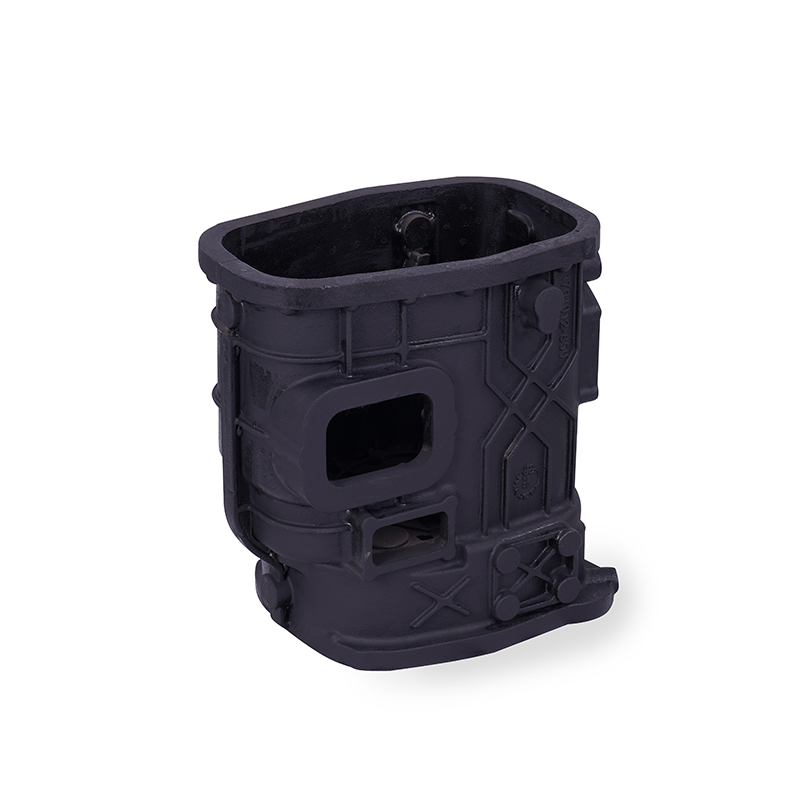
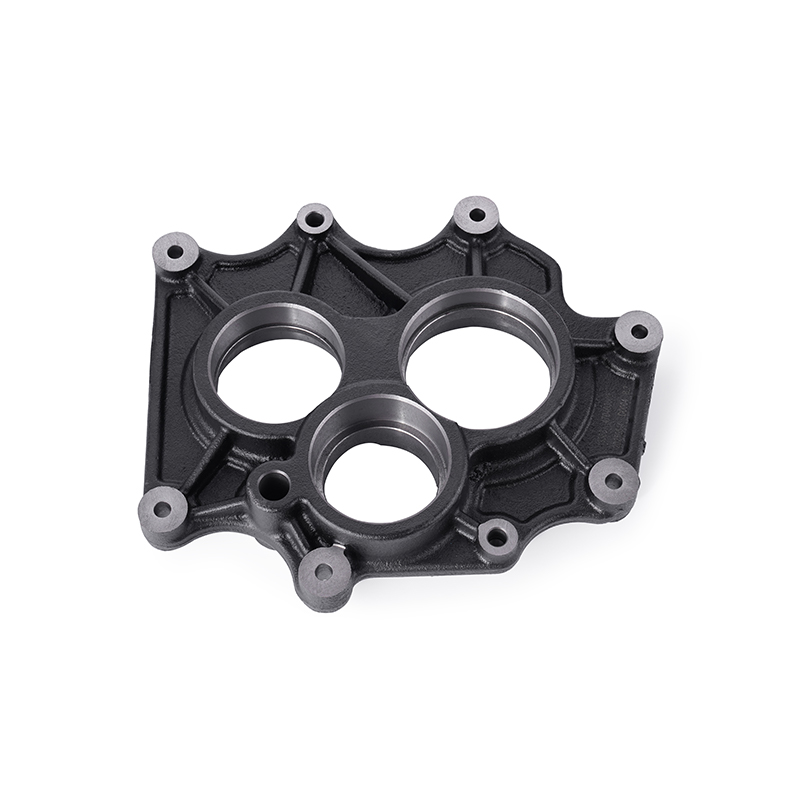
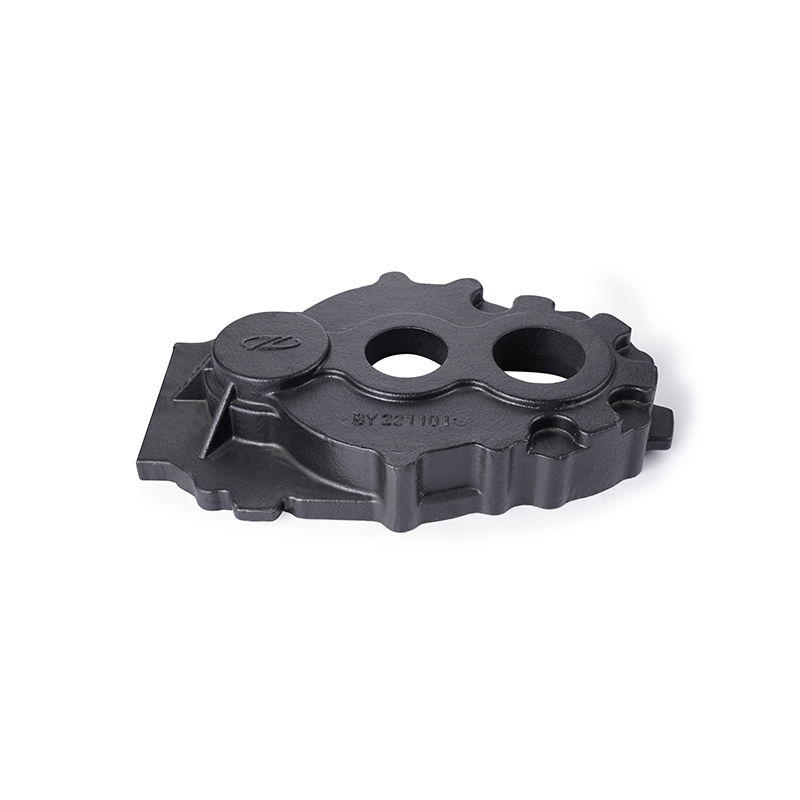
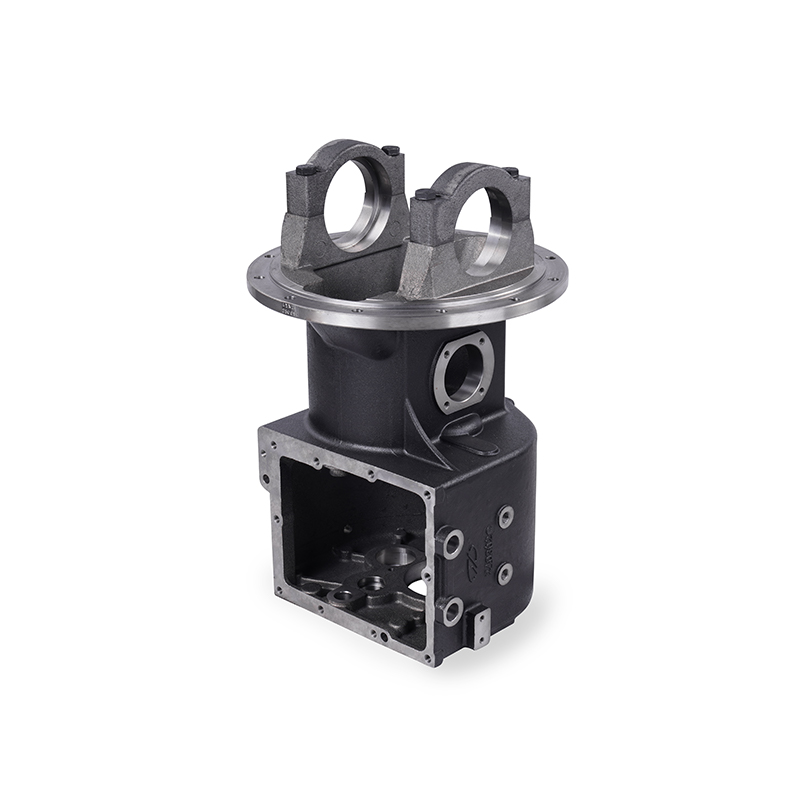
Cast iron has long been a cornerstone material in the construction machinery industry, particularly in construction machinery cast iron casting. Known for its unique blend of strength, durability, and cost-effectiveness, cast iron plays a crucial role in the manufacturing of various machine components. From massive earthmovers to compact excavators, cast iron castings are integral to ensuring that heavy equipment operates efficiently and withstands the toughest conditions.
Whether used in engine blocks, hydraulic valve bodies, gearboxes, or other key components, construction machinery cast iron casting offers critical mechanical properties such as high compressive strength, excellent wear resistance, and superior vibration damping. These features make it the preferred material for machinery components subjected to extreme stress and wear, contributing to the longevity and reliability of the equipment.
Cast iron is a group of iron-carbon alloys that contain more than 2% carbon by weight. It is one of the oldest known metals used by humans, with its origins dating back to around 500 BC in China. Over the centuries, cast iron has evolved into a versatile material widely used across industries, including construction, automotive, and manufacturing. It is created through a process called casting, where molten iron is poured into molds to form various shapes and components. This method allows for complex geometries and high precision, making cast iron an ideal material for numerous industrial applications.
Cast iron is primarily composed of iron, carbon, and small amounts of other elements like silicon, manganese, sulfur, and phosphorus. The carbon content, typically ranging from 2% to 4%, plays a significant role in the material’s properties, such as hardness, brittleness, and strength. The high carbon content in cast iron also contributes to its casting ability — the material can be poured into molds easily while retaining its shape once it cools. This is in contrast to steels, which have lower carbon content and require more advanced processing techniques.
One of the key elements in cast iron is silicon. Silicon content in cast iron typically ranges between 1% and 3%, and it plays a crucial role in stabilizing the carbon within the metal. It also improves fluidity during the casting process and reduces the risk of shrinkage defects.
There are several types of cast iron, each offering different mechanical properties suited for specific applications. The most common types used in construction machinery are gray iron, ductile iron, and white iron, although malleable iron and compacted graphite iron are also used in certain specialized cases. Let’s take a closer look at these types and their unique characteristics.
Gray Iron
Gray iron is the most widely used type of cast iron and gets its name from the gray color of the fracture surface, which results from the presence of graphite flakes. This type of cast iron has excellent castability, machinability, and vibration-damping properties. It is often used in the production of engine blocks, brake components, and hydraulic valve bodies in construction machinery. Gray iron’s graphite flakes form a network that helps absorb shock and reduce noise.
Ductile Iron
Ductile iron, also known as nodular cast iron or spheroidal graphite iron, contains graphite in the form of small spheres, rather than flakes. This gives it greater tensile strength, toughness, and impact resistance compared to gray iron. Ductile iron is particularly beneficial in construction machinery parts that are exposed to high stress and heavy loads, such as crankshafts, gearboxes, and other structural components. It is also more resistant to fatigue, making it ideal for parts that need to withstand constant cyclic loading.
White Iron
White iron is characterized by its hard, brittle structure and white fracture surface. This is due to the absence of graphite, with the carbon instead forming iron carbides. White iron is typically used in applications where hardness and wear resistance are crucial, such as in the manufacturing of pump housings and certain heavy-duty gears. However, due to its brittleness, it is not as commonly used for structural parts as gray or ductile iron.
Malleable Iron
Malleable iron is produced by heat-treating white iron, which causes the carbon to change from iron carbide to graphite in the form of small nodules. This process makes the material more ductile and flexible, which is ideal for applications requiring both strength and malleability, like certain automotive parts. Though not as prevalent in construction machinery, it still plays a role in specialized components.
Compacted Graphite Iron (CGI)
Compacted graphite iron is a hybrid between gray iron and ductile iron, where the graphite is present in a compacted, vermicular form. CGI offers a balance of strength, fatigue resistance, and thermal conductivity, making it suitable for high-performance applications like engine components and certain machine parts in construction machinery.
The different types of cast iron exhibit various mechanical properties, but all share some fundamental characteristics that make them ideal for use in construction machinery:
Castability: Cast iron’s high fluidity allows it to be easily poured into molds and cast into complex shapes. This ability is essential for producing intricate components like engine blocks and valve bodies.
Vibration Damping: Gray iron, in particular, is known for its ability to absorb and dampen vibrations. This is vital in construction machinery, where components must operate in noisy, high-impact environments.
Wear Resistance: Certain types of cast iron, such as white iron, offer superior wear resistance due to their hardness. This makes them ideal for components that face constant friction, such as brake discs and pump housings.
Machinability: Cast iron is generally easier to machine than steel due to its brittle nature. It can be precisely shaped and finished with standard tools, making it a cost-effective material for producing complex components.
Thermal Conductivity: Cast iron has good thermal conductivity, which helps dissipate heat generated during machinery operation. This is particularly important in parts like engine blocks and cylinder heads, which must handle high temperatures without warping or failure.
Cast iron is a material of choice in construction machinery due to its combination of desirable properties that contribute directly to the performance and durability of heavy equipment. The following properties of cast iron are particularly significant in the context of construction machinery, making it an indispensable material for various components:
One of the standout properties of cast iron is its high compressive strength, which is the ability of a material to withstand compressive forces (forces that push or squeeze it). Cast iron is able to resist deformation under heavy loads, which is crucial for construction machinery components that need to bear significant weight. For example, parts like engine blocks, chassis, and transmission housings are subjected to immense pressure during operation. The ability of cast iron to withstand these forces without permanent damage helps ensure the structural integrity and long-term reliability of construction equipment.
In construction machinery, where components are frequently subjected to heavy-duty operations like lifting, pushing, or carrying materials, cast iron’s resistance to compression prevents premature failure and minimizes the need for frequent repairs or replacements.
Construction machinery operates in environments where high levels of vibration and shock are common. Vibrations from engine operation, impact forces, and other machinery movements can cause wear and tear on components and reduce the lifespan of the equipment. Cast iron, particularly gray iron, has superior vibration-damping capabilities. This means that it can absorb and dissipate vibrations, reducing noise and minimizing the impact of vibrations on sensitive parts.
In components like engine blocks, flywheels, and hydraulic valve bodies, cast iron’s vibration-damping property helps extend the life of the machinery by reducing stress on critical parts. This ability to dampen vibrations also enhances operator comfort, as it reduces the transmission of noise and vibrations into the cabin or control area.
Wear resistance is a critical property for any material used in high-performance environments. Cast iron, particularly white iron, offers excellent resistance to wear and abrasion, making it suitable for components exposed to constant friction or sliding contact. For example, pump housings, brake components, and gearboxes all face considerable wear over time due to the physical contact and movement of their parts.
In construction machinery, where harsh conditions and extended use are the norm, cast iron's wear resistance ensures that components remain functional and efficient even in the most demanding environments. This property helps minimize maintenance costs and downtime by prolonging the life of these components, reducing the need for frequent replacements.
Cast iron is known for its superior machinability compared to many other metals. Its relatively brittle nature allows for easier cutting and shaping, which is essential for producing complex components with fine tolerances. The ease with which cast iron can be machined allows manufacturers to create intricate designs for parts such as engine blocks, transmission housings, and gear sets.
For construction machinery, this machinability translates into the ability to quickly and cost-effectively produce high-precision components. This flexibility is especially useful when designing customized parts or modifying existing designs to meet specific operational requirements.
Thermal conductivity refers to a material’s ability to conduct heat. In construction machinery, where engines and hydraulic systems generate substantial amounts of heat, cast iron’s good thermal conductivity plays a crucial role in managing temperature regulation. Engine blocks and cylinder heads, for instance, need to dissipate heat to prevent overheating, which could lead to component failure.
Cast iron’s ability to transfer heat efficiently helps keep engine temperatures within safe operating ranges. Its thermal properties allow for better heat dissipation, ensuring that the equipment runs smoothly even under high workloads and extended operational hours. This reduces the likelihood of overheating, a common cause of machinery breakdowns in the construction industry.
While not a material property in the traditional sense, the cost-effectiveness of cast iron is an important factor in its widespread use in construction machinery. Cast iron is generally less expensive to produce compared to other metals like steel or aluminum, due to its abundant availability and relatively simple manufacturing processes. The casting process, which involves pouring molten iron into molds, is highly cost-efficient, especially for producing large quantities of parts.
This cost advantage makes cast iron a popular choice for construction equipment manufacturers looking to produce durable, high-performance components without significantly driving up production costs. In an industry where minimizing costs while maintaining quality and performance is crucial, cast iron’s affordability provides a competitive edge.
Durability is one of the most valued properties of cast iron, particularly in construction machinery, where parts must endure extreme conditions. The combination of compressive strength, wear resistance, and vibration damping means that cast iron components are less likely to fail prematurely, even when subjected to heavy-duty operations over extended periods.
Cast iron’s inherent durability is one reason why it is used in critical, high-stress components like engine blocks, gearboxes, and hydraulic systems. The long lifespan of cast iron parts helps reduce overall maintenance costs and downtime, contributing to the overall reliability and profitability of construction machinery fleets.
Cast iron’s unique combination of properties—such as high compressive strength, excellent vibration damping, wear resistance, and machinability—makes it an ideal material for a wide range of components in construction machinery. From engine parts to structural elements, cast iron plays a critical role in ensuring the efficiency, durability, and performance of construction equipment. Below are some of the key applications of cast iron in the construction machinery industry:
One of the most common and essential uses of cast iron in construction machinery is in the production of engine blocks and cylinder heads. These components must withstand immense stresses and high temperatures during operation, and cast iron provides the necessary strength and heat dissipation to meet these demands.
Engine Blocks: Cast iron’s ability to resist high pressures and its excellent thermal conductivity make it ideal for engine blocks. The material’s vibration-damping properties also help reduce engine noise, contributing to a quieter operation.
Cylinder Heads: Cylinder heads, which enclose the top of the engine’s cylinders, need to handle high thermal loads and constant mechanical stress. Cast iron’s durability and resistance to heat make it a preferred choice for this critical part of the engine. Additionally, cast iron can be easily machined to accommodate valves, spark plugs, and other necessary engine components.
Both engine blocks and cylinder heads made from cast iron offer a balance of strength, longevity, and cost-effectiveness, all of which are crucial for construction machinery operating under demanding conditions.
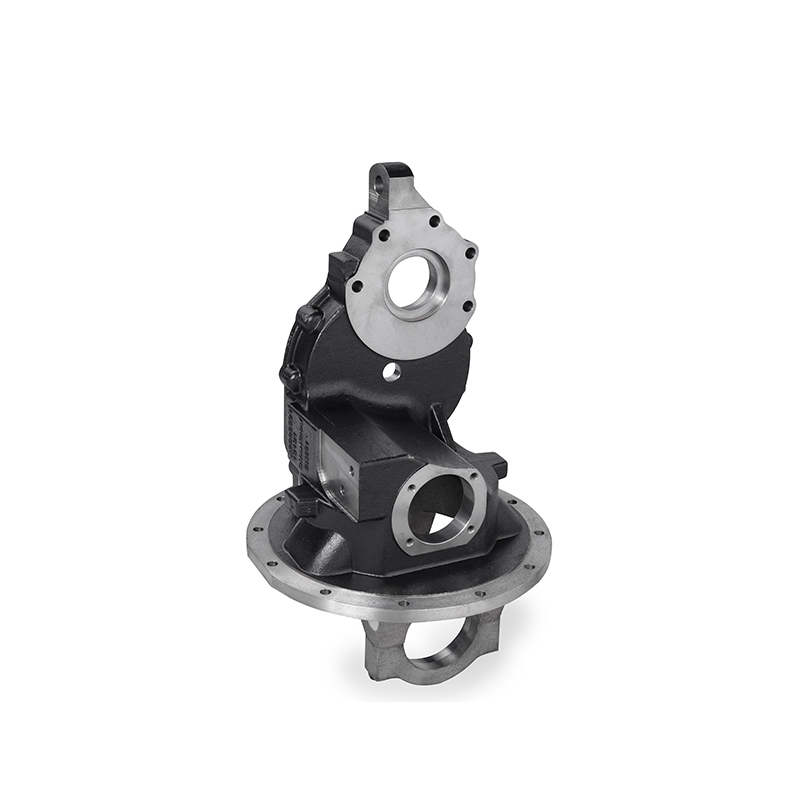
Hydraulic systems are vital to the operation of many construction machines, including excavators, cranes, and bulldozers. These systems rely on precise control of fluid movement through valves to power various machine functions. Hydraulic valve bodies, which house the valves that control hydraulic fluid flow, are often made from cast iron due to its ability to withstand high pressures and resist wear.
The wear resistance of cast iron ensures that the valve bodies maintain their integrity over time, even when subjected to constant fluid flow and mechanical stress. The material’s machinability allows for the precise shaping and fitting required for complex valve designs. Cast iron’s ability to dissipate heat also plays a role in keeping the hydraulic system functioning efficiently during extended operations.
The gears and transmission components found in construction machinery need to be strong enough to handle substantial torque while maintaining smooth operation under heavy loads. Cast iron, particularly ductile iron, is widely used in the manufacture of gears, gear housings, and other transmission parts due to its high tensile strength and durability.
Gears: Ductile iron offers superior toughness and resistance to impact, which is crucial for gears that experience frequent cyclic loading. The material’s ability to absorb shocks and resist wear helps extend the lifespan of the gear system, which is often subjected to high stress during heavy machinery operations.
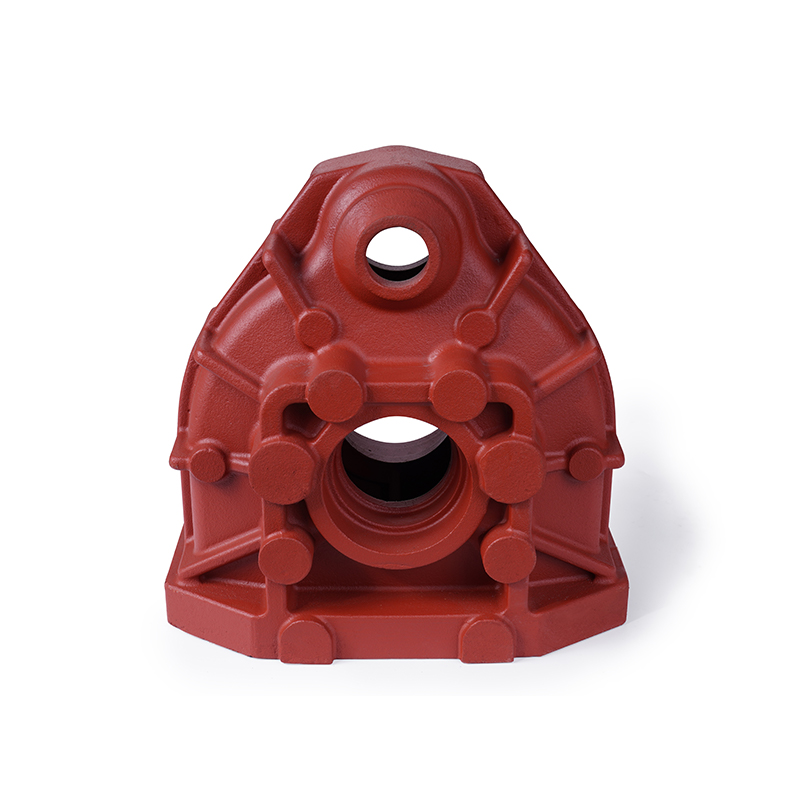
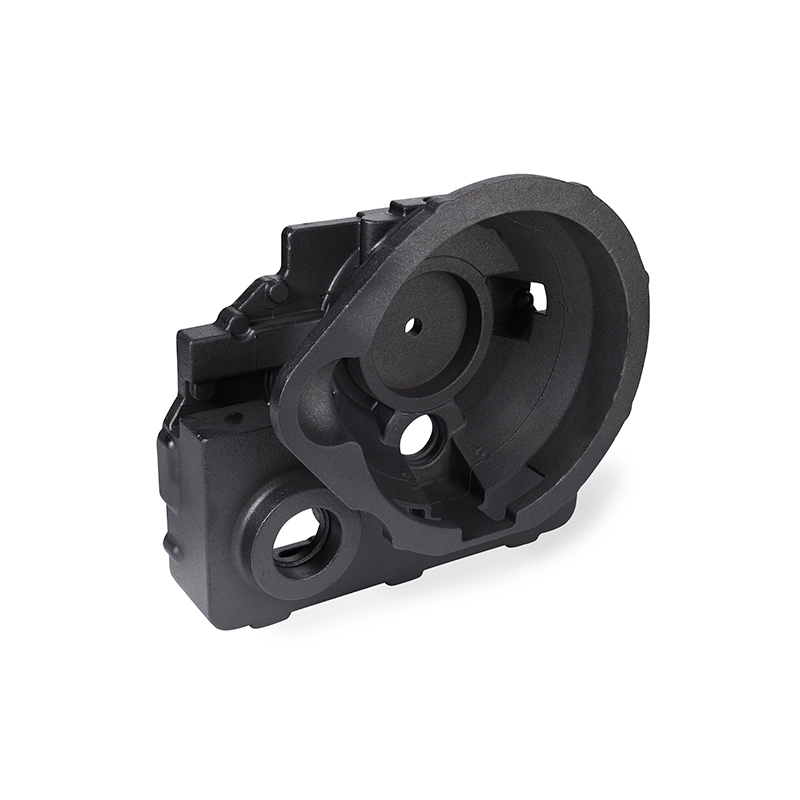
Transmission Components: Components such as gearboxes and transmission housings are exposed to intense mechanical forces and frequent changes in torque. Cast iron’s compressive strength and wear resistance make it ideal for these applications, ensuring smooth operation and preventing premature failure.
In construction machinery, pumps are essential for the operation of hydraulic systems, cooling systems, and other vital functions. Cast iron is commonly used for the pump housings, where its strength and resistance to abrasion help protect the internal components of the pump from wear and damage.
Pump housings made from cast iron are durable and capable of withstanding the pressures and stresses associated with fluid pumping. The material’s thermal conductivity ensures that heat generated by the pump is efficiently dissipated, preventing overheating and ensuring reliable pump performance throughout the lifespan of the machinery.
Brake components are critical for safety and control in construction machinery, and cast iron plays a vital role in their design and function. Both brake drums and brake discs are commonly made from cast iron due to its excellent wear resistance and heat dissipation properties.
Brake Drums: Cast iron’s high thermal conductivity allows it to absorb and dissipate the heat generated during braking. This prevents the brake drum from warping or cracking under extreme temperatures, ensuring that the braking system remains effective even during prolonged use.
Brake Discs: Similar to brake drums, brake discs need to withstand high temperatures and heavy friction. Cast iron’s wear resistance ensures that the discs maintain their shape and performance over time, while its vibration-damping properties contribute to smoother braking action.
Manifolds are used in construction machinery to direct and control the flow of fluids, such as air, oil, or coolant. Cast iron is commonly used to manufacture exhaust manifolds, intake manifolds, and oil manifolds due to its resistance to high temperatures and corrosive substances.
The material’s high strength and heat resistance allow manifolds to withstand the thermal stresses generated by engine exhaust gases and hot fluids. Additionally, cast iron’s ability to dissipate heat helps maintain optimal engine temperatures and prevents overheating, which could otherwise cause engine failure or reduced performance.
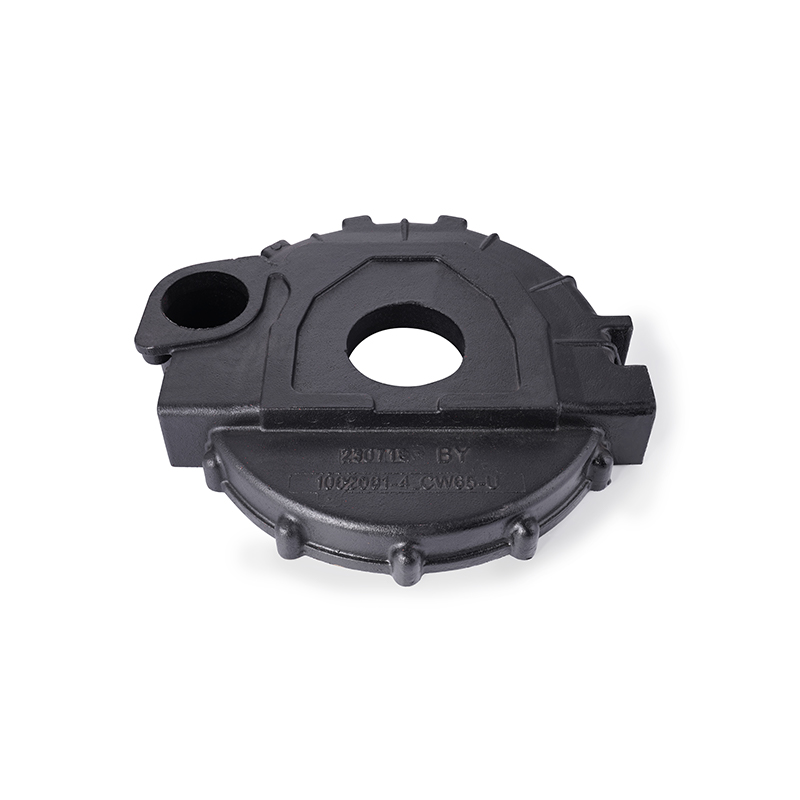
Cast iron is also used in the production of bearing seats and flywheels, which are crucial components in the transmission of power and the maintenance of machine stability.
Bearing Seats: Cast iron bearing seats are known for their ability to handle high radial loads while maintaining precise tolerances. The material’s wear resistance ensures the bearings remain functional over long periods, even in high-load applications.
Flywheels: Flywheels store and release energy to smooth out the engine's power delivery. Cast iron is used for flywheels because of its ability to absorb and release energy efficiently, as well as its durability under cyclic loading.
The chassis of construction machinery must be strong enough to support the weight of the entire machine and endure harsh conditions. Cast iron is often used in the production of various chassis components due to its high strength and resistance to impact. It provides the structural integrity needed to support the other machine parts while absorbing shocks and vibrations.
Cast iron has been a staple material in the construction machinery industry for many years, and its use continues to be widespread due to its unique set of advantages. From cost savings to mechanical benefits, cast iron offers multiple reasons why it is preferred for key components in construction equipment. Below, we delve into some of the primary advantages that make cast iron an ideal choice for manufacturing construction machinery parts.
One of the most compelling reasons for using cast iron in construction machinery is its cost-effectiveness. Compared to other materials like steel or aluminum, cast iron is significantly cheaper to produce. The casting process, which involves melting the iron and pouring it into molds, is relatively simple and inexpensive. Moreover, iron is abundant and easily sourced, further reducing costs.
For construction machinery manufacturers, cost savings are crucial to remain competitive, and cast iron helps achieve that without compromising the quality and performance of the equipment. The material is also durable, meaning fewer repairs and replacements are required over time, which adds to its long-term cost-effectiveness.
Cast iron components are known for their exceptional durability. The combination of high compressive strength, wear resistance, and resistance to thermal expansion allows cast iron parts to perform effectively over long periods. This is particularly important in construction machinery, which often operates in harsh environments under heavy loads and extreme conditions.
The durability of cast iron parts like engine blocks, gearboxes, and pump housings ensures that the machinery continues to function optimally even after years of use. Components made from cast iron are less prone to failure under stress, reducing the frequency of maintenance and replacements. This longevity makes cast iron an attractive material for high-value construction equipment, as it minimizes downtime and ensures better return on investment for operators and fleet owners.
Construction machinery is often subjected to intense vibrations, whether from engine operation, heavy loads, or shock forces during movement. These vibrations can not only reduce the comfort of the operator but also accelerate wear and tear on sensitive components. Cast iron, especially gray iron, is known for its excellent vibration damping properties, which allow it to absorb and dissipate vibrations effectively.
The ability of cast iron to dampen vibrations helps reduce noise levels within the machinery. This is particularly valuable in environments where noise pollution is a concern or when equipment is operated for extended periods. In addition to improving operator comfort, the reduction of vibrations helps protect the machinery, reducing stress on components and extending their lifespan.
In construction machinery, parts that are exposed to continuous friction or high-impact forces, such as gears, pump housings, and brake components, require materials that can withstand wear and abrasion. Cast iron, particularly white iron, is highly resistant to wear due to its hardness and abrasion resistance. This makes it an excellent choice for components that face constant contact and movement.
For example, cast iron components in gearboxes and hydraulic systems maintain their functionality and performance for longer periods, even under heavy use. The wear resistance of cast iron ensures that these parts do not degrade quickly, reducing the frequency of part replacements and the associated maintenance costs. This advantage significantly contributes to the overall reliability and cost-efficiency of construction machinery.
Cast iron is known for its excellent machinability, meaning it can be easily cut, drilled, and shaped using standard machining tools. Unlike other metals like steel, which can be challenging and costly to machine, cast iron’s relatively brittle nature allows for faster and more cost-effective processing.
This machinability is particularly valuable when manufacturing complex components with tight tolerances, such as engine blocks, hydraulic valve bodies, and gear housings. The ease with which cast iron can be machined reduces production time and costs, allowing manufacturers to produce high-quality parts quickly and efficiently. Furthermore, the ability to machine intricate shapes and fine details in cast iron enables greater design flexibility and customization in machinery parts.
Thermal conductivity is another important property of cast iron, especially for components that generate significant amounts of heat, such as engine blocks and hydraulic systems. Cast iron has a relatively high thermal conductivity, allowing it to efficiently transfer heat and prevent overheating during extended operations.
In machinery like bulldozers, cranes, and excavators, where engines run for long hours under heavy loads, managing heat is essential to avoid damage to critical components. Cast iron’s ability to dissipate heat effectively ensures that engine components, hydraulic pumps, and other parts remain within safe temperature ranges, preventing overheating and maintaining optimal performance.
Cast iron’s high compressive strength makes it an ideal material for load-bearing components. Whether it’s the frame of an excavator, the chassis of a bulldozer, or the structural components of a crane, cast iron provides the strength needed to support heavy machinery and withstand the forces exerted during operation. Its ability to resist deformation under high stress ensures that these components can handle substantial loads without warping or failure.
Additionally, cast iron’s ability to handle shock loads, like those encountered during abrupt machine movements, makes it particularly suitable for parts that experience dynamic forces. This strength is key to ensuring the safety and reliability of construction machinery, especially in high-stress environments such as construction sites and quarries.
While cast iron is prone to rust if left untreated, it still offers a degree of corrosion resistance when compared to some other metals. Additionally, cast iron can be easily coated with protective layers such as paint or other corrosion-resistant treatments, further enhancing its resistance to the elements. For construction machinery that operates outdoors, exposed to moisture, dirt, and harsh weather conditions, this added corrosion resistance helps prolong the lifespan of cast iron parts.
Special treatments like epoxy coatings or galvanization can be applied to cast iron to further improve its resistance to environmental factors. These measures help protect the material from the corrosive effects of rain, salt, and dirt, ensuring that construction equipment remains operational for a longer period without the need for costly repairs or replacements.
While cast iron offers numerous advantages in construction machinery, such as durability, wear resistance, and cost-effectiveness, it is not without its drawbacks. Certain limitations make cast iron less suitable for some applications compared to other materials like steel or aluminum. In this section, we will explore the key disadvantages of using cast iron in construction machinery, helping manufacturers and engineers better understand when it may not be the best choice.
One of the major drawbacks of cast iron is its lower tensile strength compared to other metals like steel. Tensile strength refers to a material’s ability to resist pulling or stretching forces. While cast iron is strong under compression, it tends to be more brittle and less resistant to tension or stretching.
For construction machinery, this limitation means that components subjected to high tensile stresses, such as certain structural parts or lifting mechanisms, may experience cracking or failure more easily than those made from steel. Components like hooks, lifting arms, and supports, which undergo frequent tension forces during operation, may not be suitable for cast iron, especially in situations where high strength-to-weight ratios are required.
To overcome this issue, manufacturers often rely on ductile iron (also known as nodular cast iron), which has improved tensile strength due to its nodular graphite structure. However, even ductile iron typically does not match steel’s performance in high-tension applications.
Cast iron, particularly gray iron, is inherently more brittle than materials like steel and aluminum. This means that, while it can withstand high compressive forces, it is more likely to fracture or break when subjected to sudden shocks or impacts. Construction machinery often experiences dynamic forces, such as bumps, drops, or hard landings, which can lead to brittle failure of cast iron components if they are not properly designed or reinforced.
This brittleness makes cast iron unsuitable for certain critical components that need to withstand impact or shock loading, such as certain parts of the vehicle frame or structural supports. For applications where toughness and resistance to shock are paramount, steel or other materials may be a better option.
Cast iron is significantly heavier than many alternative materials, such as aluminum or composite alloys. While its weight can be an advantage in some applications (e.g., flywheels or counterweights), it can also be a disadvantage when it comes to parts of the machinery that require lightweight characteristics for efficiency and performance.
For example, components like engine blocks or chassis parts made from cast iron add significant weight to construction equipment, which may reduce overall fuel efficiency, speed, or maneuverability. In industries where weight is a critical factor, such as in mobile equipment or machinery that requires high performance and fuel efficiency, the heaviness of cast iron can be a significant drawback.
Although cast iron is resistant to wear and tear, it is prone to corrosion if exposed to moisture, salt, or other corrosive elements without proper coating or treatment. When exposed to harsh environmental conditions, cast iron can rust and degrade over time, which compromises its strength and longevity.
For construction machinery that operates in outdoor environments, such as excavation sites, marine settings, or areas with high humidity, corrosion is a serious concern. To mitigate this risk, cast iron components must be treated with protective coatings like epoxy, paint, or galvanization. However, these coatings can add to maintenance costs and may not be foolproof, especially in harsh, high-abrasion environments.
Additionally, once cast iron corrodes, it can be more challenging to repair compared to other materials like steel, which can often be welded and repaired more easily.
While cast iron is highly machinable, it does have limitations when it comes to producing complex shapes that require intricate design modifications. The casting process itself imposes certain restrictions on the geometries that can be achieved, making it difficult to create highly detailed or non-standard parts without significant modification or secondary operations.
Although cast iron can be cast into many shapes, it may require additional processes like machining or welding to achieve the desired specifications. In cases where parts with intricate designs or fine tolerances are needed, other materials, such as steel or aluminum, may offer greater flexibility in terms of shape and customization.
Cast iron is generally difficult to weld compared to steel or aluminum. Its brittle nature means that welding can lead to cracks or distortions, especially when the material is subjected to high heat. Even with special welding techniques or filler materials, cast iron welds can often be weaker than the base material itself, reducing the overall strength of the welded joint.
For construction machinery that requires frequent repairs or modifications, the poor weldability of cast iron can be a significant disadvantage. Parts that need to be welded or modified in the field may not be suitable for cast iron, as the risk of fracture or failure during or after welding is high.
The production of cast iron can be more environmentally damaging compared to some other metals. The process of melting iron and adding other elements (such as carbon) in a blast furnace produces significant amounts of carbon emissions. Moreover, the mining of iron ore and the energy-intensive smelting process contribute to the environmental footprint of cast iron production.
As industries increasingly focus on sustainability, cast iron may face competition from materials that have lower environmental impact, such as recycled aluminum or advanced composite materials. In applications where environmental considerations are a priority, the use of cast iron may need to be reevaluated in favor of greener alternatives.
Although cast iron has good thermal conductivity, it performs poorly under rapid temperature changes or high-temperature cycling. Components subjected to extreme and rapid shifts in temperature, such as exhaust systems or high-performance engine parts, may experience thermal stress and cracking in cast iron. This makes cast iron less suitable for some high-temperature, high-performance applications in construction machinery, where materials like steel or ceramic composites may offer better resistance to thermal cycling.
When selecting materials for construction machinery, engineers and manufacturers must carefully evaluate the properties and performance characteristics of various options. While cast iron remains a popular choice due to its strength, durability, and cost-effectiveness, it is not always the optimal material for every application. In this section, we compare cast iron with other common materials used in construction machinery, such as steel and aluminum, to highlight the strengths and limitations of each material.
Steel is one of the most commonly used materials in construction machinery, known for its exceptional tensile strength and ductility. When compared to cast iron, steel offers several advantages, particularly in applications where components are subjected to high tensile and shock loads.
Tensile Strength: Steel generally has much higher tensile strength than cast iron, making it more suitable for components that experience pulling or stretching forces. For example, structural components like lifting arms, supports, and hooks in cranes or excavators often require the superior tensile properties of steel to prevent fractures.
Ductility and Toughness: Steel is more ductile and tougher than cast iron, meaning it can absorb more energy before breaking. This makes steel better suited for parts that experience impact or shock loading, such as frames, axles, and lifting equipment. Cast iron, on the other hand, tends to be more brittle and can fracture under sudden impact, making it less ideal for shock-loaded components.
Weight: Steel is generally lighter than cast iron, which can be a significant advantage in applications where weight reduction is crucial for performance, such as in mobile equipment. The lighter weight of steel can lead to better fuel efficiency, improved maneuverability, and reduced strain on the engine.
Cost: Cast iron is typically less expensive than steel due to lower material and manufacturing costs. For non-load-bearing parts that don’t require high tensile strength, cast iron can be a more cost-effective option. However, in high-stress applications where the advantages of steel are necessary, the higher cost of steel is justified.
Weldability: Steel is far easier to weld compared to cast iron. This gives engineers greater flexibility in modifying and repairing steel components on-site, which can be a significant advantage for maintenance and repairs. Cast iron, however, is much harder to weld due to its brittleness, which can lead to cracking and weak joints.
Aluminum is another material commonly used in construction machinery, particularly for parts that require a good strength-to-weight ratio. While aluminum offers several benefits, it also has limitations when compared to cast iron.
Weight: Aluminum is much lighter than cast iron, making it the preferred choice for components where weight is a key consideration. For example, aluminum is often used in engine parts or components that need to reduce overall machine weight, such as in certain hydraulic systems or mobile equipment. Lighter components lead to better fuel efficiency, faster speeds, and reduced strain on the engine.
Strength: Cast iron generally has higher compressive strength than aluminum, making it better suited for heavy-duty components that need to support substantial loads, such as engine blocks or transmission housings. Aluminum, while strong for its weight, has lower strength under compression and is more prone to deformation under heavy loads.
Corrosion Resistance: Aluminum has a natural corrosion resistance due to the formation of an oxide layer that protects it from environmental elements. In contrast, cast iron is more susceptible to corrosion, especially when exposed to moisture or harsh chemicals. However, cast iron can be treated with coatings or paints to improve its corrosion resistance, while aluminum’s natural properties make it more suitable for outdoor applications.
Machinability: Aluminum is much easier to machine than cast iron. It can be cut, drilled, and shaped with relative ease using standard tools, which makes it ideal for complex and detailed parts. Cast iron, while also machinable, requires more effort and specialized equipment due to its hardness and brittleness.
Cost: Aluminum is generally more expensive than cast iron, both in terms of raw material costs and the manufacturing processes required to work with it. This cost difference may be justified for applications where weight reduction and corrosion resistance are critical, but for many heavy-duty components, cast iron remains a more affordable option.
The choice between cast iron, steel, and aluminum ultimately depends on the specific demands of the construction machinery and the intended application. Below are some key scenarios where cast iron might be preferred over other materials:
High Compressive Loads: For components that will be subjected to high compressive forces—such as engine blocks, pump housings, and hydraulic valve bodies—cast iron is often the preferred material due to its excellent compressive strength. While steel and aluminum may be stronger in tension, cast iron excels at handling high-pressure environments.
Vibration Damping: In situations where vibration damping is critical—such as in engine blocks, flywheels, or machinery components—cast iron’s ability to absorb and dissipate vibrations can be a significant advantage over steel or aluminum. This makes it especially useful for components where reducing noise and enhancing comfort is a priority.
Cost-Effectiveness: When a cost-effective solution is required for non-load-bearing parts, cast iron is often the material of choice. For example, in parts like brake drums, manifolds, and gearboxes, where strength and durability are important but weight and tensile strength are not the primary considerations, cast iron offers a more affordable alternative to steel and aluminum.
Wear Resistance: Cast iron’s ability to resist wear and abrasion makes it an ideal choice for high-wear components like gears, brake discs, and hydraulic systems. While aluminum and steel can also perform well in these applications, cast iron’s higher hardness and resistance to abrasion make it especially durable in parts that experience continuous friction.
|
Property |
Cast Iron |
Steel |
Aluminum |
|
Tensile Strength |
Lower, poor in tension resistance, ideal for compression. |
Higher, suitable for components under tension and impact. |
Lower, but stronger than cast iron in tension. |
|
Ductility and Toughness |
Brittle, prone to cracking under shock or tension. |
More ductile and tougher, able to absorb more energy before breaking. |
Good ductility, but less tough than steel under heavy loads. |
|
Weight |
Heavier than both steel and aluminum. |
Lighter than cast iron, but heavier than aluminum. |
Very light, ideal for applications requiring weight reduction. |
|
Cost |
Lower cost, suitable for mass production and budget-friendly parts. |
Higher cost, suited for high-strength, complex parts. |
More expensive, especially in terms of processing and raw material costs. |
|
Weldability |
Difficult to weld, prone to cracking. |
Good weldability, ideal for field repairs and custom designs. |
Easy to weld, especially for fine welding and repairs. |
|
Corrosion Resistance |
Prone to rust, requires coatings for protection. |
Corrosion resistance can be improved through alloying, but still generally worse than aluminum. |
Naturally corrosion-resistant, ideal for outdoor and marine environments. |
|
Machinability |
Easy to machine, especially after casting, but harder and requires specialized tools. |
More difficult to machine, especially with high-strength steels. |
Excellent machinability, ideal for complex shapes and fine details. |
|
Wear Resistance |
Good, especially in white cast iron, ideal for high wear components. |
Good, especially with hardened steels. |
Lower wear resistance compared to cast iron and steel. |
|
Thermal Conductivity |
Good, helps with heat dissipation. |
Poorer thermal conductivity, but can be improved with alloys. |
Good, ideal for components requiring rapid heat dissipation. |
|
Best Applications |
Compression-loaded, high-wear components, vibration damping parts (e.g., engine blocks, gearboxes). |
High-strength and tough applications (e.g., frames, lifting arms, axles). |
Lightweight applications (e.g., engine parts, hydraulic system housings). |
The application of cast iron in construction machinery is widespread, with many iconic pieces of equipment relying on its unique properties for optimal performance. In this section, we’ll explore specific case studies where cast iron components have been integral to the design and functionality of heavy machinery. These examples will demonstrate how cast iron plays a crucial role in ensuring the durability, efficiency, and cost-effectiveness of construction machinery.
Case Study: Caterpillar 336D Excavator
In the construction industry, excavators are designed to withstand the harshest environments, and their engine blocks and transmission housings are some of the most demanding components. Caterpillar, a leading manufacturer of construction equipment, utilizes cast iron for engine blocks and transmission housings in its 336D series excavators. The high compressive strength and vibration damping properties of cast iron ensure that the engine block can endure the extreme conditions of construction sites while minimizing noise and vibration.
The wear resistance of cast iron also plays a critical role in the durability of transmission housings, which are subject to constant friction and stress. By using cast iron in these components, Caterpillar has been able to enhance the reliability of its excavators, ensuring they operate efficiently even in harsh conditions like dirt, mud, and water exposure.
Key Benefits:
Durability: Cast iron's high wear resistance extends the lifespan of engine blocks and transmission housings.
Cost-Effectiveness: The use of cast iron provides a more affordable solution compared to alternative materials like steel.
Vibration Reduction: The engine operates with reduced noise and vibration, leading to improved comfort for the operator.
Case Study: Komatsu Hydraulic Excavators
Hydraulic systems are the backbone of many construction machines, enabling precise movement and power control. In hydraulic excavators, the hydraulic valve bodies are critical components that control the flow of oil and fluid within the system. Komatsu, another major player in construction machinery, uses ductile cast iron (also known as nodular cast iron) for its hydraulic valve bodies. Ductile iron offers improved tensile strength and ductility, making it a preferred choice for high-stress applications.
The machinability of cast iron allows Komatsu to manufacture these valve bodies with intricate internal passages and tight tolerances. Additionally, cast iron’s thermal conductivity ensures that the valve bodies can effectively dissipate the heat generated by the hydraulic fluid under pressure, preventing overheating and improving the system’s overall efficiency.
Key Benefits:
Precision Manufacturing: Cast iron’s machinability allows for precise internal geometries needed for effective fluid control.
Heat Dissipation: Thermal conductivity ensures that valve bodies remain cool under high-pressure conditions.
Strength and Durability: Ductile iron offers a balance of strength and toughness for high-stress applications.
Case Study: Volvo Construction Equipment – Wheel Loaders
Volvo’s wheel loaders, used for heavy lifting and material handling, feature gearboxes and transmission components that rely on cast iron for its superior wear resistance and compressive strength. Gearboxes are exposed to intense friction and high-pressure environments, and cast iron’s ability to withstand these forces without significant wear makes it a natural choice.
For example, Volvo uses gray cast iron in the construction of transmission housings for its L-series wheel loaders. The material provides the necessary strength to support the machinery’s heavy-duty load while offering the durability to withstand continuous, high-impact use.
Additionally, the vibration damping properties of cast iron help reduce noise and mechanical stress on the moving parts, increasing the lifespan of the gearbox and enhancing overall machine performance.
Key Benefits:
Longer Service Life: Cast iron’s wear resistance ensures that gearbox components last longer, reducing the frequency of repairs or replacements.
Noise Reduction: The vibration-damping properties contribute to a quieter and more comfortable operation.
Heavy Load Handling: The strength of cast iron supports the high-torque requirements of large machinery like wheel loaders.
Case Study: Liebherr Construction Machinery
Liebherr, a global leader in construction equipment, uses cast iron for its brake drums and brake discs in a variety of machines, including cranes, excavators, and dump trucks. Brake systems are crucial for the safety and performance of construction machinery, and the properties of cast iron make it an excellent choice for these components.
Cast iron’s thermal conductivity allows brake discs and drums to dissipate the heat generated during braking, reducing the risk of overheating and maintaining braking efficiency. Additionally, gray cast iron is highly resistant to wear, meaning that the brake components can endure thousands of cycles without significant degradation. This durability is especially important for large machines like Liebherr’s cranes, which often operate in challenging conditions and require reliable, long-lasting brake systems.
Key Benefits:
Heat Dissipation: Cast iron’s ability to absorb and dissipate heat ensures consistent braking performance.
Durability: The high wear resistance of cast iron extends the lifespan of brake components.
Safety: Reliable and durable brake systems contribute to the safety of construction machinery and operators.
Case Study: Hitachi Zaxis Series Excavators
The flywheel is a critical component in diesel engines used in construction machinery, including Hitachi’s Zaxis series of excavators. Cast iron is commonly used for flywheels due to its excellent vibration damping and compressive strength. The flywheel helps store rotational energy and smooth out engine pulses, contributing to the overall stability and performance of the machine.
Hitachi uses gray cast iron for the flywheel in its Zaxis excavators because it efficiently absorbs engine vibrations, leading to a smoother, quieter operation. Additionally, the material’s ability to withstand heavy stresses under high rotational speeds makes it an ideal choice for the demanding conditions of heavy machinery.
Key Benefits:
Vibration Damping: Cast iron absorbs engine vibrations, leading to smoother operation.
Durability: The flywheel’s longevity is enhanced by cast iron’s wear resistance.
Cost-Effectiveness: Using cast iron provides an affordable solution without sacrificing performance.
As the construction machinery industry continues to evolve, the demand for more efficient, durable, and cost-effective materials remains strong. Cast iron, known for its excellent wear resistance, vibration damping, and machinability, is poised to play an even greater role in the future of construction machinery. Technological advancements in casting methods, material formulations, and sustainability are shaping the future of cast iron in this sector.
One of the most significant trends in the future of cast iron is the development of high-strength ductile iron (HSDI). Traditional ductile iron, while offering better tensile strength than gray cast iron, is still limited by certain mechanical properties. However, ongoing advancements in alloying techniques are producing HSDI, which combines the advantages of ductile iron’s flexibility and gray iron’s strength, with added resistance to fatigue, wear, and cracking.
This new generation of ductile iron can withstand even higher stresses, making it ideal for high-performance components in construction machinery like engine blocks, transmission housings, and hydraulic components. For example, HSDI is already being used in the automotive industry for critical parts, and its application is expanding into construction machinery where strength, durability, and lightweight properties are needed.
Key Benefits:
Increased tensile strength and fatigue resistance, enhancing component lifespan.
Better machinability compared to steel, leading to faster and more cost-effective manufacturing.
Enhanced wear resistance and corrosion resistance, making it more suitable for demanding environments.
As industries strive to become more environmentally responsible, the push for sustainability is impacting the materials used in construction machinery. Green casting technologies are gaining traction, which involve using recycled scrap metal, reducing energy consumption, and minimizing the release of harmful emissions during the casting process. The use of recycled cast iron is already a common practice, and advancements in the recycling process are making it more feasible to produce high-quality cast iron components without relying on primary iron ore extraction.
Additionally, the development of low-carbon cast iron is being explored to reduce the environmental footprint of casting. These innovative processes not only help manufacturers meet regulatory standards but also lower production costs. As regulations tighten and environmental concerns rise, we can expect to see more widespread adoption of sustainable casting methods in the production of construction machinery components.
Key Benefits:
Reduced carbon footprint from using recycled materials.
Lower energy consumption and reduced waste during production.
Compliance with environmental standards and growing demand for eco-friendly products.
The rise of 3D printing and additive manufacturing is opening new possibilities for the production of cast iron components. These technologies are revolutionizing the way complex components are designed and manufactured. In the future, we can expect to see more widespread use of 3D-printed molds and even direct 3D printing of cast iron parts. This method allows for greater precision and the creation of parts with complex geometries that were previously impossible or too expensive to produce with traditional casting techniques.
For construction machinery, this could mean parts with optimized internal structures, reduced weight, and improved material properties. For example, components like gearboxes, hydraulic valves, and brake drums could be produced with more efficient designs, reducing material waste and enhancing overall performance.
Key Benefits:
Customization of parts to meet specific needs, reducing the need for large inventories of standard components.
Ability to optimize designs for weight, strength, and functionality.
Reduction in material waste and the ability to create complex geometries without costly tooling.
As construction machinery becomes more connected and automated, there is an increasing trend towards integrating smart technologies into machine components. In the future, cast iron parts may feature embedded sensors to monitor temperature, vibration, and wear levels in real-time. This integration of the Internet of Things (IoT) with cast iron components allows for predictive maintenance, reducing downtime and improving the overall efficiency of machinery.
For example, smart flywheels, brake drums, or hydraulic valve bodies could send alerts to operators or maintenance teams if the components are at risk of failure, enabling predictive maintenance rather than reactive repairs. This would improve the longevity of parts, reduce costs, and increase the safety and reliability of construction machinery.
Key Benefits:
Real-time monitoring of machine performance and component health.
Reduced maintenance costs through predictive analytics.
Increased machine uptime and reliability.
As the construction industry continues to push for more energy-efficient machines, there is a growing need for lightweight materials without sacrificing strength and durability. In the future, we can expect continued efforts to create lighter cast iron alloys that maintain the material’s excellent strength and durability. By incorporating lightweight materials, such as graphite and composite fibers into cast iron, manufacturers can reduce the overall weight of machinery, improving fuel efficiency and reducing operating costs.
Key Benefits:
Fuel savings and improved operational efficiency through lighter machinery.
Reduced stress on components, leading to less wear and longer service life.
Energy efficiency in the construction industry’s heavy equipment sector.
Cast iron components are widely used in construction machinery due to their exceptional properties, such as wear resistance, vibration damping, and durability. However, to ensure that these components continue to perform optimally throughout their lifespan, regular maintenance and care are essential. In this section, we will explore best practices for maintaining cast iron parts, preventative measures to avoid common issues, and repair techniques for damaged cast iron.
The first step in maintaining cast iron components is to conduct regular inspections. Over time, even the most durable parts can develop signs of wear or damage, especially under the harsh operating conditions typical in construction environments. Routine checks help identify problems early, preventing more severe damage and expensive repairs down the line.
During inspections, it's essential to focus on areas subject to high stress or friction, such as engine blocks, transmission housings, and brake components. Look for cracks, signs of corrosion, or excessive wear in critical areas. Using tools like ultrasonic testing or magnetic particle inspection can help detect internal flaws that are not visible to the naked eye.
Key Practices:
Inspect high-wear areas regularly, such as gearboxes, hydraulic valves, and engine components.
Use advanced testing methods like ultrasonic testing or dye penetrant inspection for early detection of cracks or flaws.
Keep a detailed log of inspections and findings to track component health over time.
One of the most common issues with cast iron components is corrosion, particularly when exposed to moisture, salt, and harsh chemicals. Since cast iron is prone to rusting when not properly protected, it is crucial to take proactive steps to prevent corrosion.
Protective Coatings: Applying protective coatings, such as paint, epoxy, or powder coatings, can significantly reduce the risk of rust formation. These coatings create a barrier between the cast iron surface and external elements like water and chemicals. It's essential to reapply these coatings periodically, especially in components that are exposed to extreme weather or operating conditions.
Regular Cleaning: Keeping cast iron parts clean is also vital for corrosion prevention. Dirt, mud, and chemicals can cause localized corrosion or damage to the protective coatings. After each work shift, clean machinery with water and mild detergents to remove dirt and debris. Pay special attention to components that are exposed to harsh environments, such as brake drums, hydraulic pumps, and gearboxes.
Key Practices:
Apply protective coatings to exposed cast iron parts to prevent corrosion.
Clean cast iron components regularly to remove dirt, chemicals, and moisture that can lead to rust.
Inspect coating integrity regularly and reapply as needed.
Lubrication is a critical aspect of maintaining cast iron components, especially those that experience friction or rotational movement, such as gearboxes, hydraulic systems, and engine components. Adequate lubrication reduces friction, dissipates heat, and minimizes wear, ultimately extending the life of cast iron parts.
For components like engine blocks and gearboxes, using the right type of oil or grease is crucial. Ensure that you use lubricants that are suitable for the operating conditions, such as high-temperature oils for heavy machinery or water-resistant greases for components exposed to moisture.
Additionally, maintaining proper fluid levels in hydraulic systems is vital. Low fluid levels or the use of degraded oil can lead to increased friction and damage to the cast iron parts. Regularly check the fluid levels and replace fluids according to the manufacturer’s recommendations.
Key Practices:
Use appropriate lubricants for different components to reduce wear and maintain smooth operation.
Regularly check hydraulic fluid levels and replace oils and greases as per maintenance schedules.
Keep lubrication systems clean to avoid contamination of oils or greases.
Cast iron is durable, but it is also brittle and can crack or fracture under high impact or stress. Construction machinery often operates in environments where impacts or shocks are unavoidable, so it is important to handle components carefully to prevent unnecessary damage.
One effective way to protect cast iron parts from impact damage is to ensure that machinery operates within the manufacturer’s recommended parameters. Avoid overloading equipment, which can place excessive stress on key components like engine blocks and transmission housings. When performing maintenance, handle parts gently and avoid dropping or striking them, as this can cause fractures.
Key Practices:
Avoid overloading machinery to prevent undue stress on cast iron components.
Handle cast iron parts with care during maintenance to avoid cracking or chipping.
Regularly check for signs of fatigue or stress fractures.
While cast iron is durable, it can crack or break under extreme stress or impact. Fortunately, cast iron components can be repaired using several techniques, depending on the severity and location of the damage.
Welding: Cast iron welding is a common repair method for cracks or breaks. However, it requires expertise, as cast iron’s brittleness can make welding challenging. Special techniques, such as pre-heating the cast iron and using low-hydrogen electrodes, are necessary to prevent further cracking during welding.
Epoxy or Metal Patches: For small cracks or surface damage, epoxy resins or metal patching compounds can be used as temporary fixes. These materials bond to the cast iron surface, sealing the crack and preventing further damage. However, these are not permanent solutions and should be used in conjunction with a more permanent repair.
Cast Iron Inserts: In cases where a large portion of the component is damaged, manufacturers may use cast iron inserts to restore the part’s functionality. The insert is bonded to the damaged area, reinforcing the component and extending its service life.
Key Practices:
Weld cracks carefully, using appropriate techniques and materials.
Use epoxy resins for minor surface damage, but plan for a more permanent fix.
For large repairs, consider using cast iron inserts or brazing.




 русский
 日本語
日本語