Cast iron is widely recognized for its excellent castability, which is primarily attributed to its relatively low melting temperature (typically between 1150°C and 1200°C) and superior fluidity. These characteristics allow molten iron to flow easily into intricate mold cavities, ensuring that even highly complex geometries can be accurately replicated. Compared to steel casting, which requires higher temperatures and more stringent process control, cast iron casting significantly reduces manufacturing complexity and energy consumption. This advantage becomes particularly valuable in large-scale industrial production where consistency and repeatability are critical.
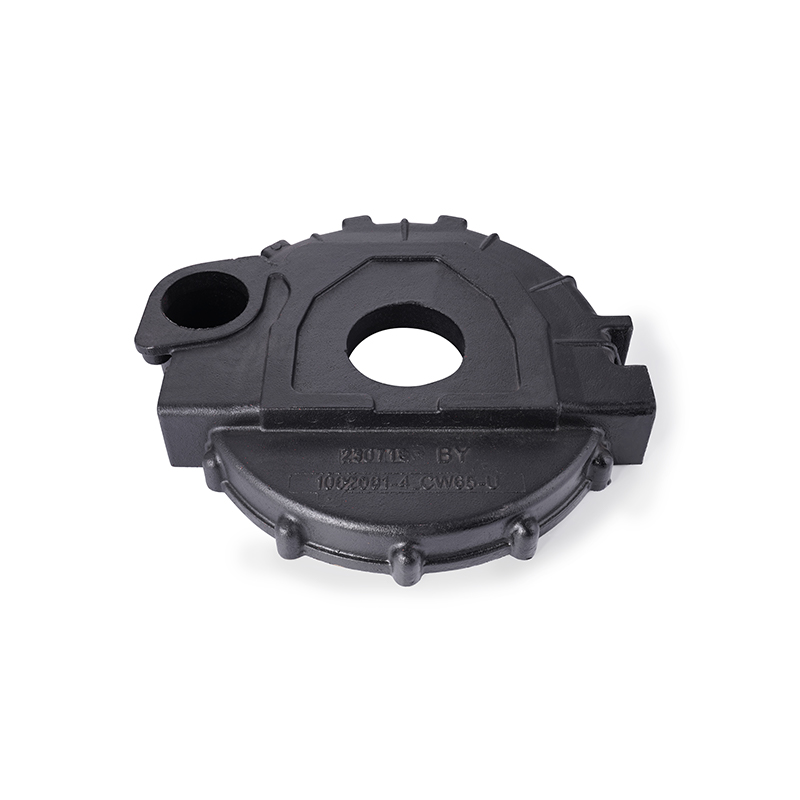
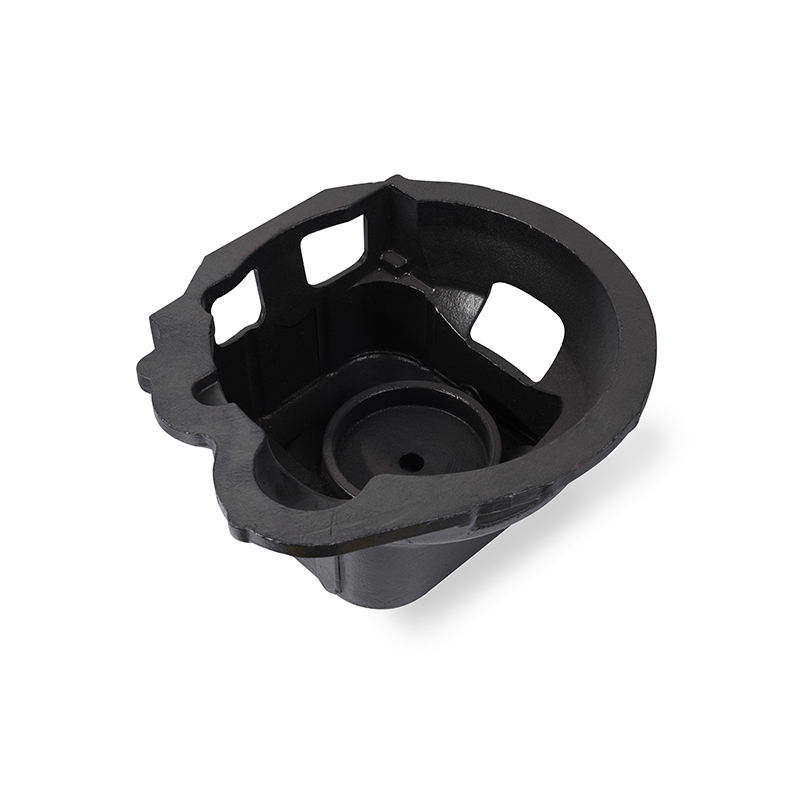
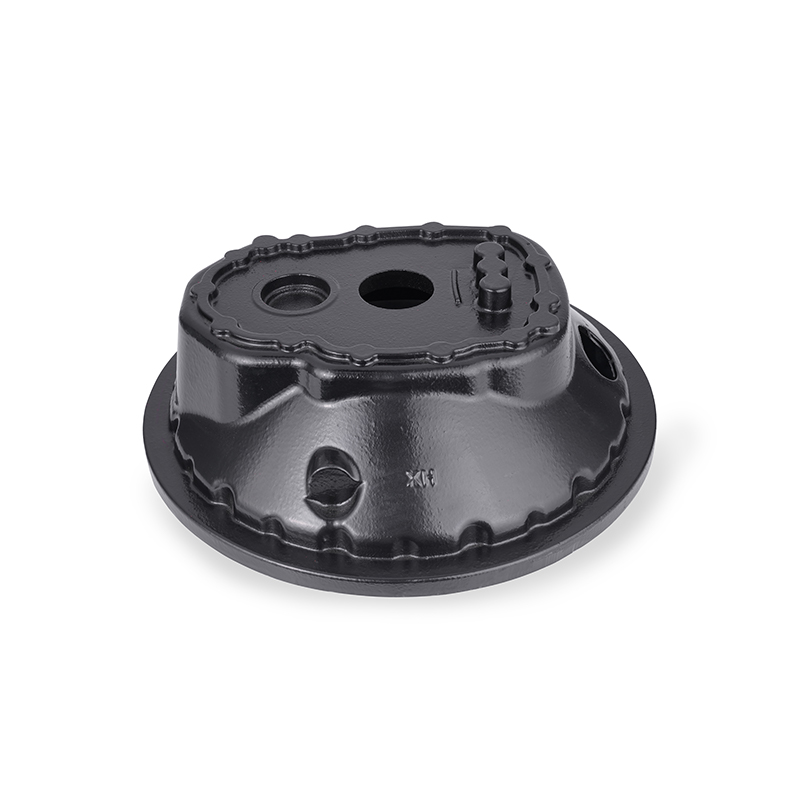
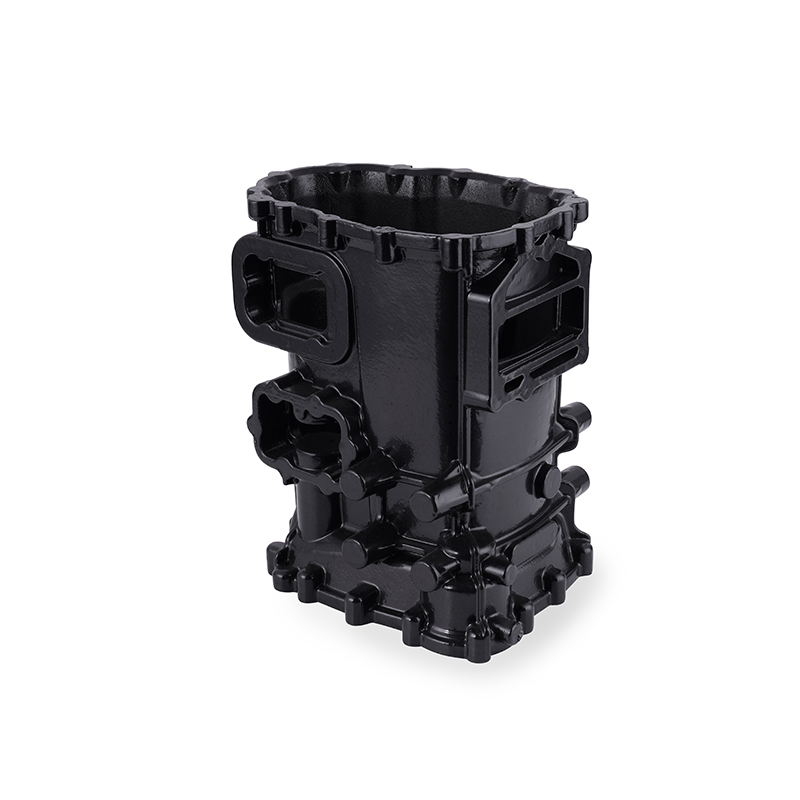
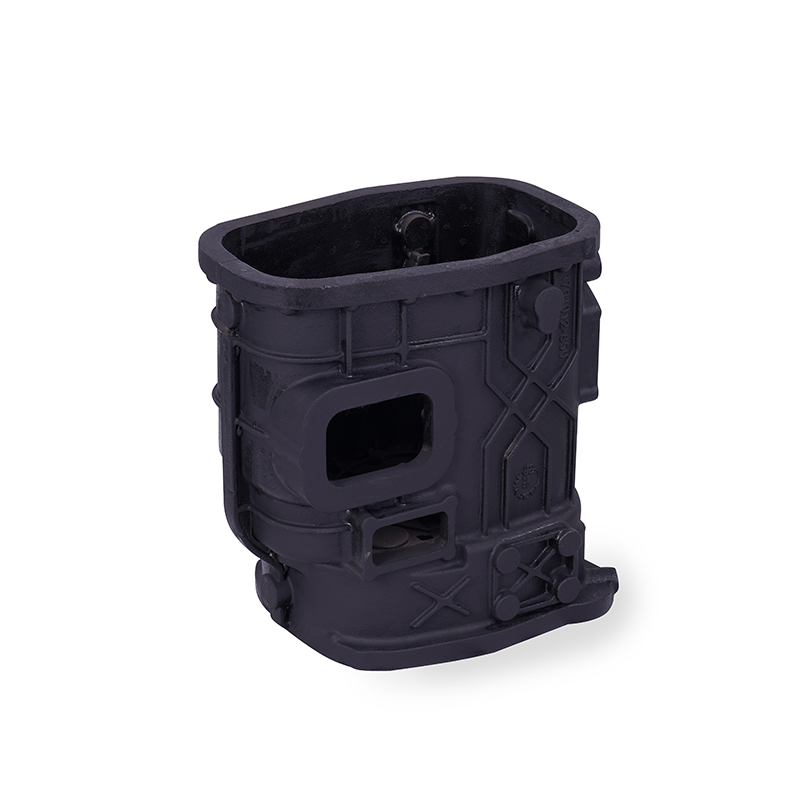
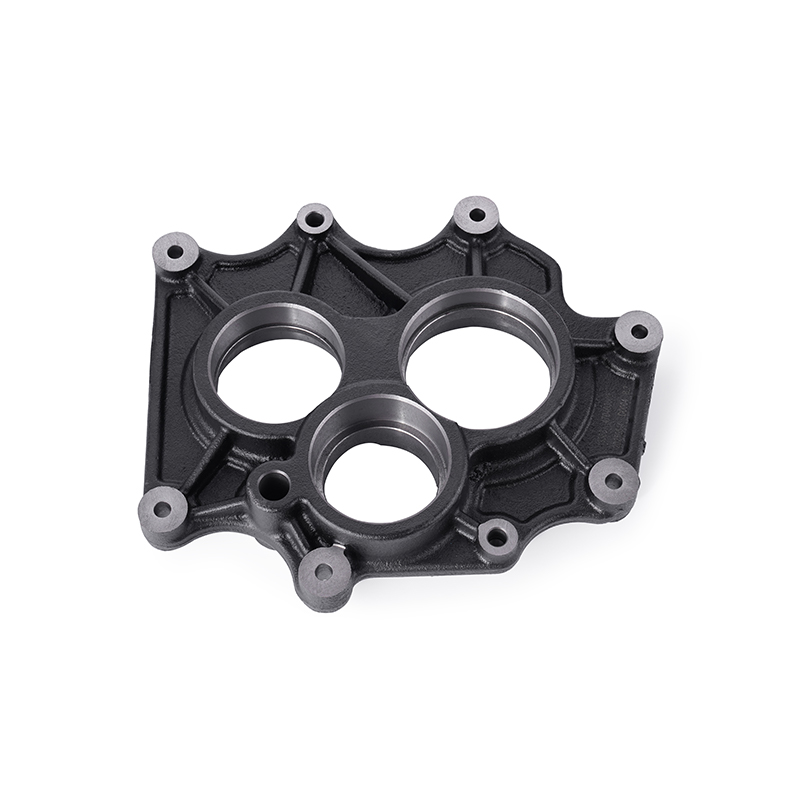
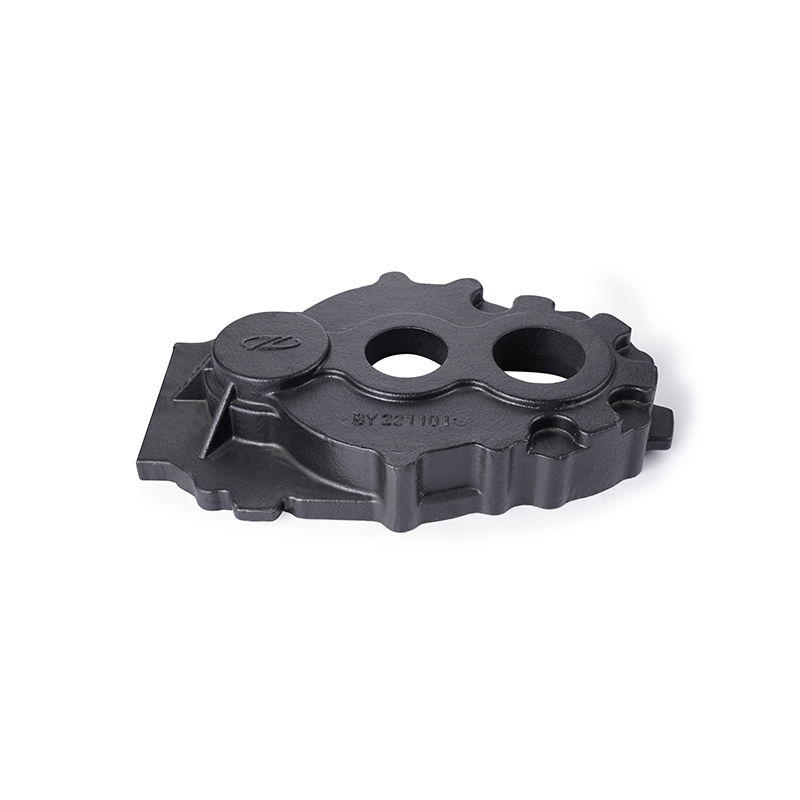
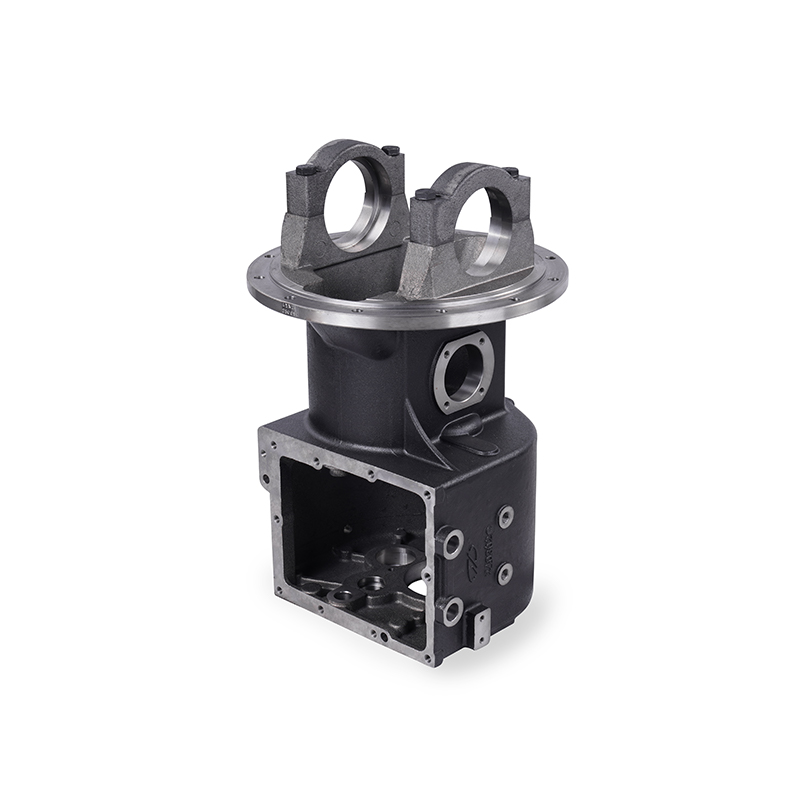
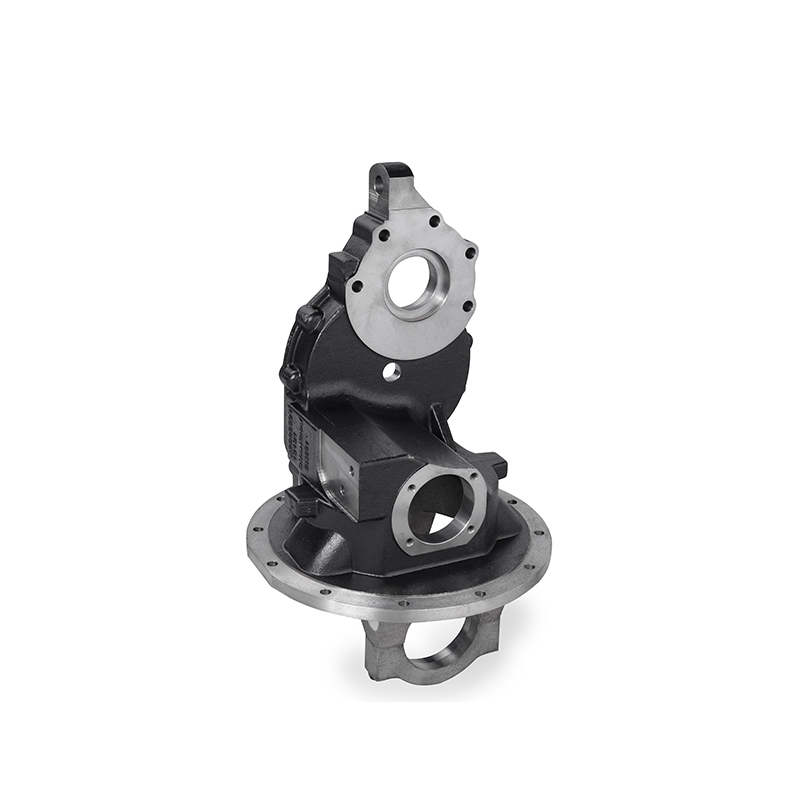
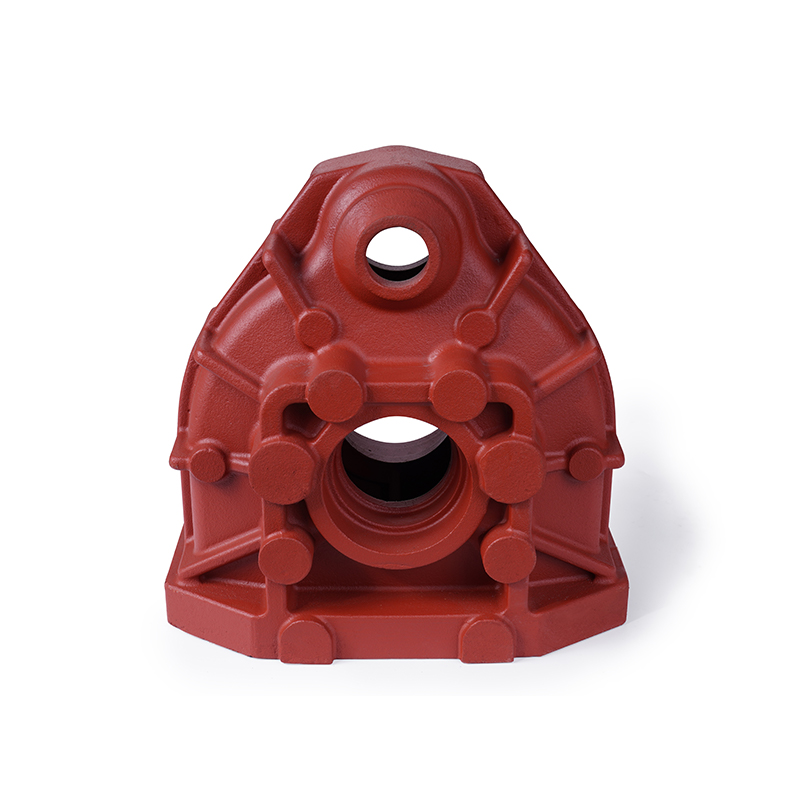
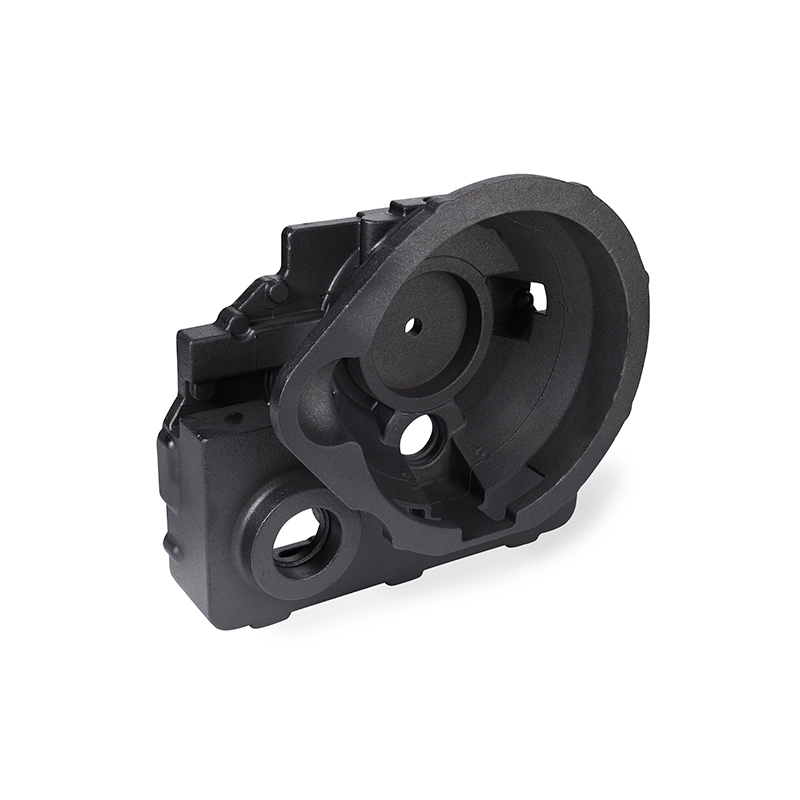
Another important benefit lies in its ability to produce complex and detailed components without requiring extensive secondary processing. Thin walls, internal channels, and decorative features can all be achieved with minimal difficulty. This flexibility allows engineers to design parts that integrate multiple functions into a single casting, reducing assembly steps and improving structural integrity. For example, engine blocks, pump housings, and valve bodies often rely on cast iron for this reason.
Due to its stable casting behavior, cast iron is less prone to defects such as shrinkage cavities and incomplete filling when compared to other metals. This results in a higher production yield and lower rejection rates, which directly translates into cost savings. Additionally, the forgiving nature of cast iron during solidification makes it suitable for a wide range of casting methods, including sand casting and shell molding.
One of the defining features of cast iron is the presence of graphite within its microstructure. In gray cast iron, graphite exists in flake form, while in ductile iron it appears as nodules. These graphite formations act as natural lubricants, significantly reducing friction between moving parts. As a result, cast iron components exhibit excellent wear resistance, even under continuous mechanical stress.
This inherent wear resistance makes cast iron particularly suitable for applications exposed to abrasive conditions, such as automotive brake systems, cylinder liners, and industrial machinery components. Unlike aluminum alloys, which are softer and more susceptible to wear, cast iron maintains its surface integrity over extended periods of use. This leads to longer service life and reduced maintenance requirements.
When compared with steel, cast iron may not always match tensile strength, but it often outperforms in wear-related applications due to its self-lubricating properties. This makes it a preferred material for components where friction and durability are critical considerations.
Cast iron is known for its high compressive strength, which allows it to withstand heavy loads without deformation. This property is especially important in structural and industrial applications where components are subjected to constant pressure. For instance, machine bases and heavy-duty frames rely on cast iron to maintain structural integrity over long periods.
In addition to strength, cast iron offers excellent dimensional stability. It resists deformation under thermal and mechanical stress, ensuring that components retain their shape and alignment during operation. This is crucial for precision equipment where even minor distortions can affect performance.
Cast iron also performs well under varying temperature conditions. Its ability to handle thermal cycling without significant expansion or contraction makes it suitable for engine components and heat-exposed machinery. Compared to aluminum, which expands more under heat, cast iron provides better consistency and reliability.
One of the most unique advantages of cast iron is its ability to absorb and dissipate vibrations. The graphite structure within the material interrupts vibration waves, converting mechanical energy into small amounts of heat. This results in excellent vibration damping performance, which is highly valued in precision engineering.
In machine tools and industrial equipment, vibration can lead to reduced accuracy, increased noise, and accelerated wear. Cast iron helps mitigate these issues by stabilizing the structure and minimizing oscillations. This is why it is commonly used in lathe beds, milling machine frames, and other precision equipment.
| Property | Cast Iron | Steel | Aluminum |
|---|---|---|---|
| Vibration Damping | Excellent | Moderate | Poor |
| Wear Resistance | High | Moderate | Low |
| Compressive Strength | High | High | Moderate |
| Machinability | Good | Moderate | Excellent |
| Cost | Low | High | Moderate |
Cast iron is one of the most cost-effective materials in the casting industry. Its raw materials are abundant and relatively inexpensive, which helps reduce overall production costs. Additionally, the lower melting temperature means less energy is required during the casting process, further improving cost efficiency.
The ease of casting and reduced defect rates contribute to higher production efficiency. Manufacturers can produce large volumes of components with consistent quality, making cast iron an ideal choice for mass production.
Beyond initial production costs, cast iron also offers long-term savings due to its durability and low maintenance requirements. Components made from cast iron typically have longer service lives, reducing the need for frequent replacements.
Cast iron, particularly gray iron, is highly regarded for its excellent machinability. The graphite content helps break chips during machining, reducing tool wear and improving cutting efficiency. This allows manufacturers to achieve precise dimensions and smooth surface finishes with minimal effort.
Compared to steel, which can be harder and more abrasive, cast iron is easier on cutting tools. This leads to longer tool life and lower tooling costs, which is a significant advantage in high-volume production environments.
The combination of faster machining speeds and reduced maintenance requirements contributes to improved overall productivity. Manufacturers can complete machining operations more quickly, reducing lead times and increasing output.
Cast iron is available in several different grades, each with unique properties. These include gray iron, ductile iron, white iron, and malleable iron. This diversity allows engineers to select the most appropriate material based on specific performance requirements.
For example, ductile iron offers improved toughness and ductility, making it suitable for applications requiring higher impact resistance. White iron, on the other hand, provides exceptional hardness and wear resistance, ideal for abrasive environments.
This versatility makes cast iron suitable for a broad range of industries, including automotive, construction, agriculture, and manufacturing. Few other materials offer such a wide range of options within a single category.
Cast iron is highly recyclable, making it an environmentally friendly choice. Scrap iron can be melted down and reused without significant loss of quality, reducing waste and conserving natural resources.
The recycling process for cast iron requires less energy compared to producing new metal from raw materials. This contributes to lower carbon emissions and supports sustainable manufacturing practices.
By enabling repeated reuse, cast iron plays an important role in the circular economy. Manufacturers can incorporate recycled material into their production processes, reducing environmental impact while maintaining product quality.
What makes cast iron better for heavy machinery?
Cast iron offers high compressive strength, excellent vibration damping, and strong wear resistance, making it ideal for heavy-duty applications.
Is cast iron suitable for precision components?
Yes, due to its dimensional stability and vibration damping properties, it is widely used in precision machinery.
How does cast iron compare to aluminum in casting?
Cast iron is stronger and more wear-resistant, while aluminum is lighter and better suited for applications requiring weight reduction.




 русский
 日本語
日本語