Agricultural machinery operates in demanding environments, requiring components that can withstand heavy loads, shocks, abrasive soils, and continuous use. Cast iron casting has become a cornerstone in the production of farm machinery components due to its exceptional strength, durability, and cost-effectiveness. From tractor housings and plow frames to gearbox casings and harvester components, cast iron is used extensively across the agricultural equipment industry.
Cast iron casting is the process of pouring molten cast iron into molds to produce specific shapes and parts. Its excellent mechanical properties, wear resistance, and vibration damping capabilities make it ideal for high-stress agricultural applications.
Cast iron casting is a metalworking process in which molten cast iron is poured into a mold to form a component of desired shape and size. In the context of agricultural equipment, cast iron castings are used for parts that require high compressive strength, rigidity, and durability.
Agricultural equipment often faces:
Cast iron’s unique composition, typically including carbon, silicon, and other alloying elements, provides a balance of strength, wear resistance, and machinability. This combination makes it ideal for components that must last for years under continuous heavy-duty use.
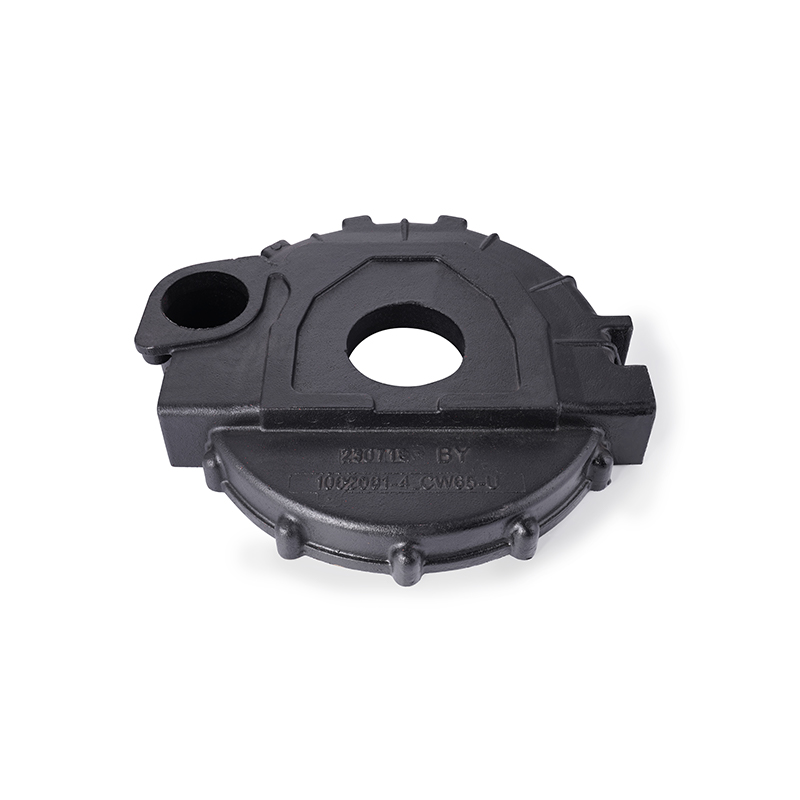
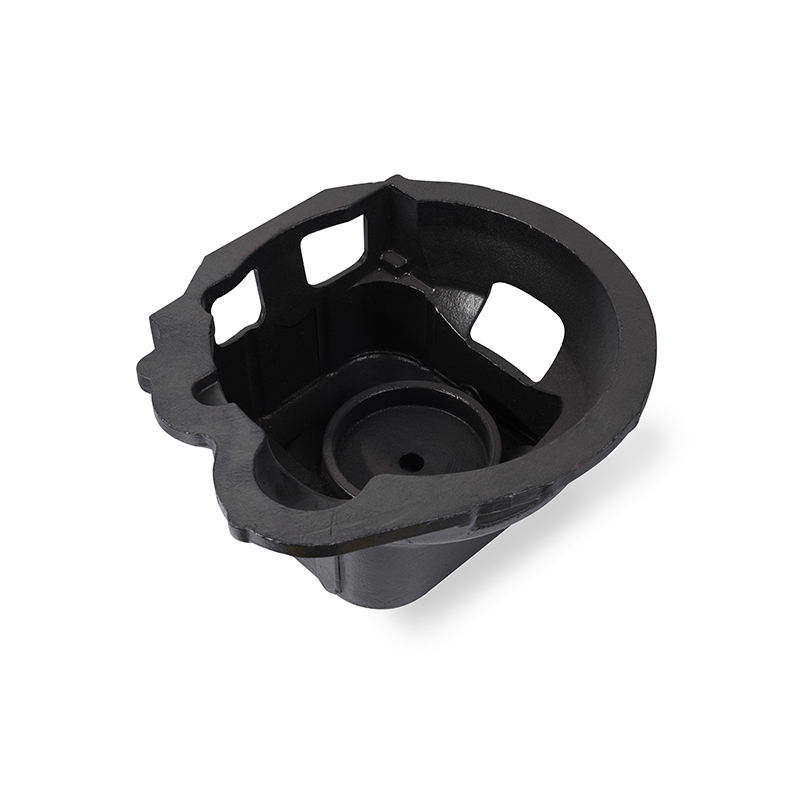
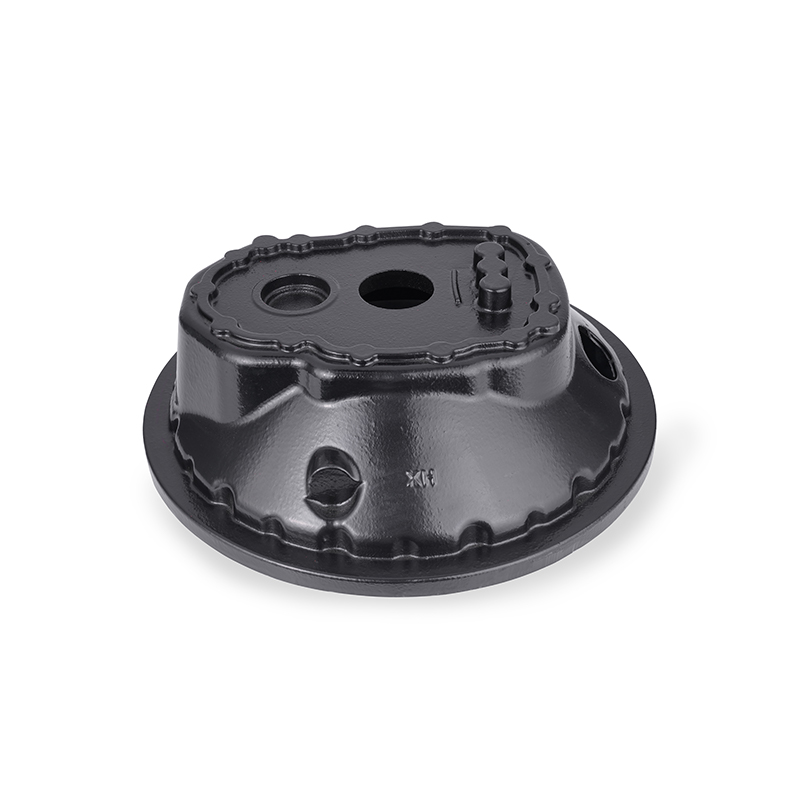
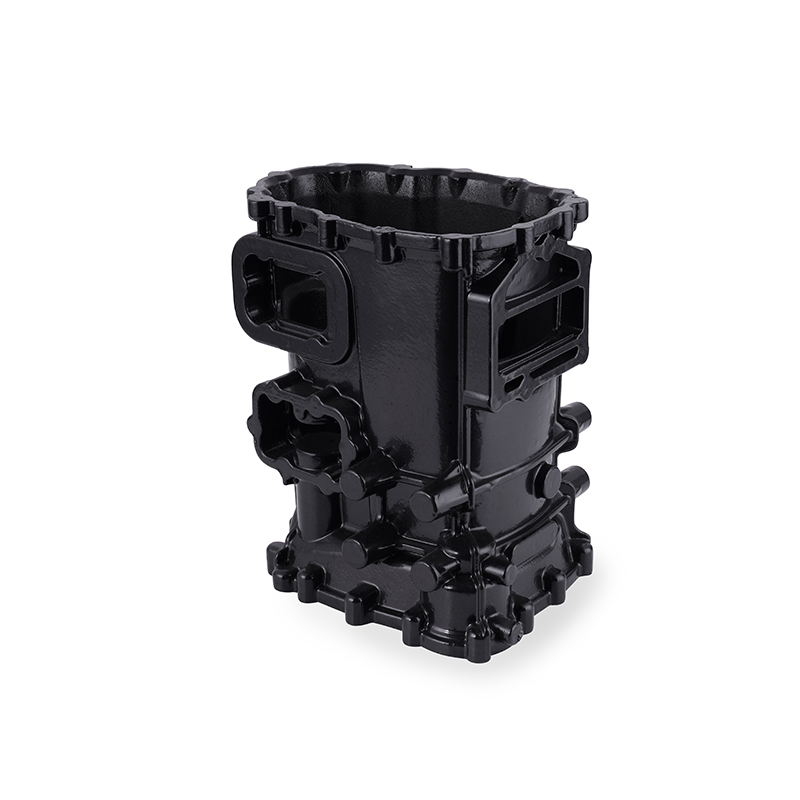
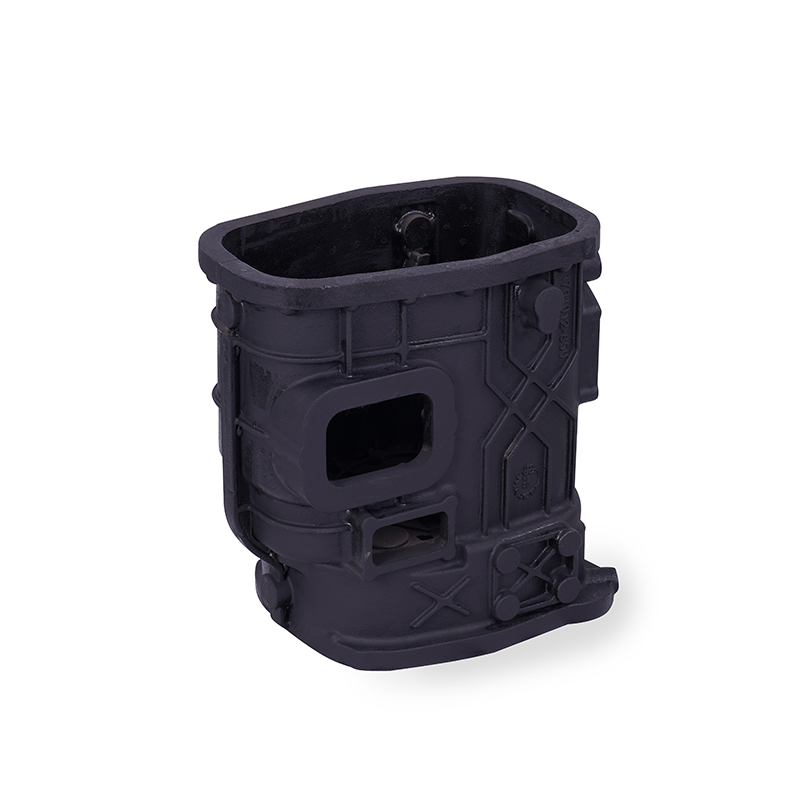
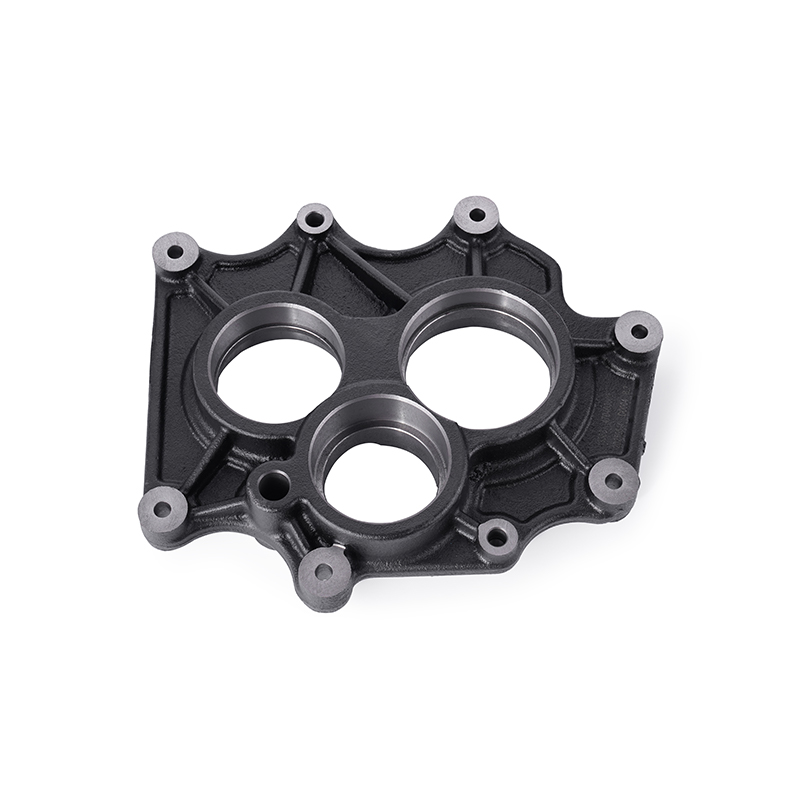
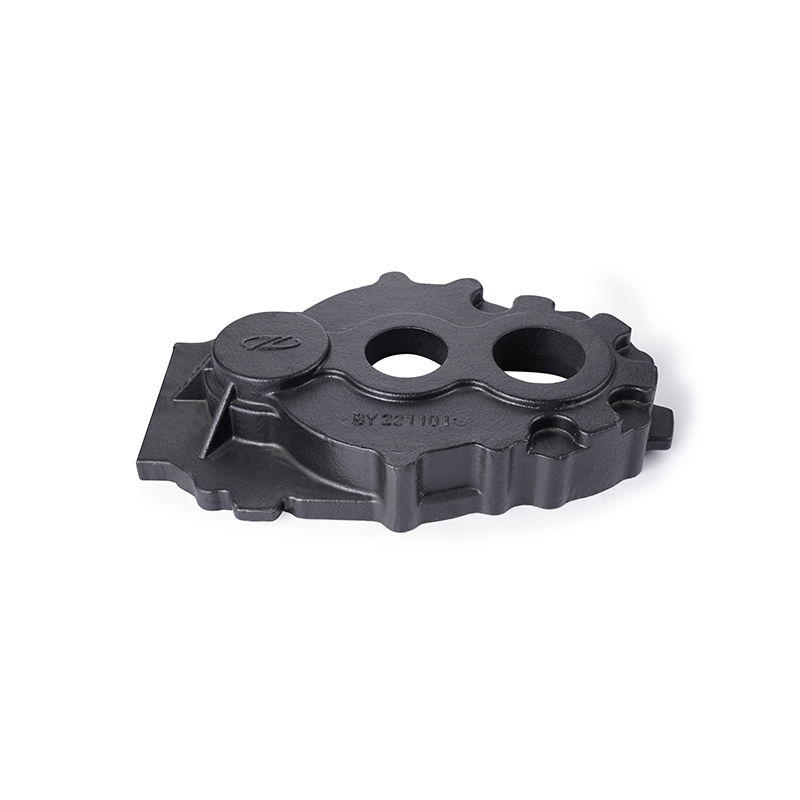
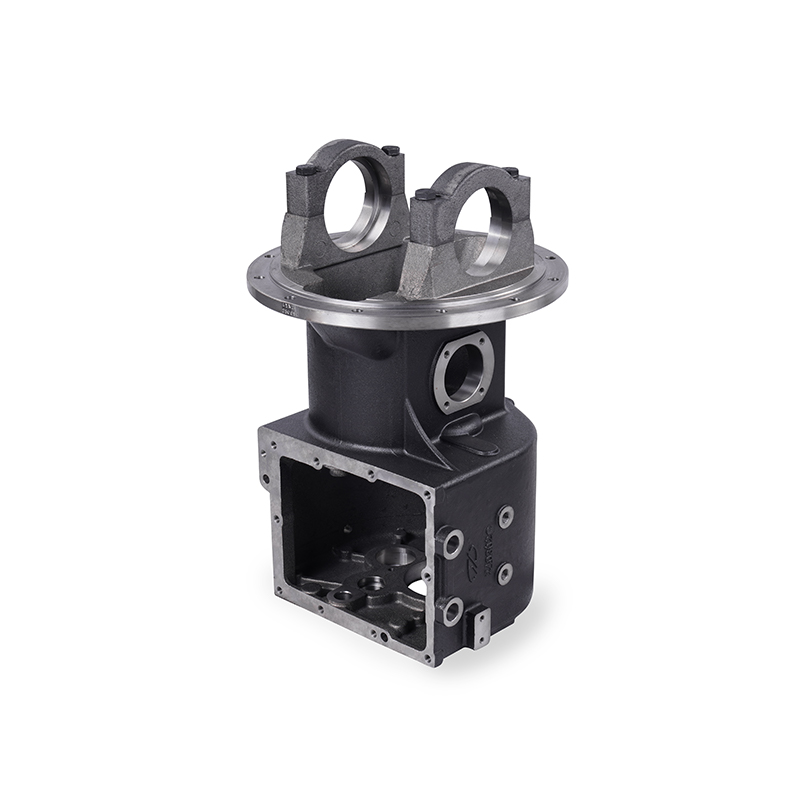
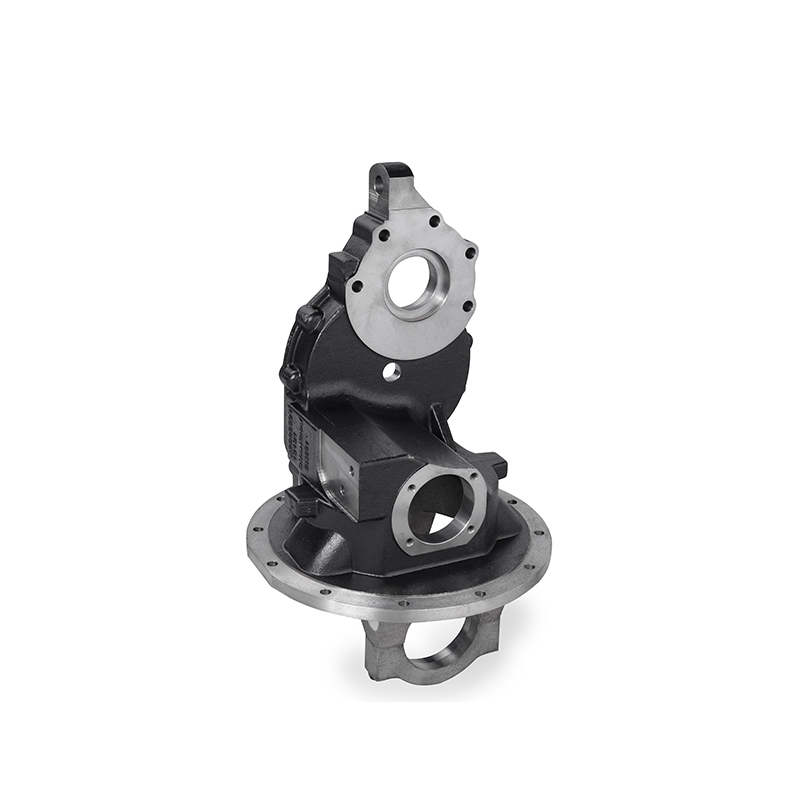
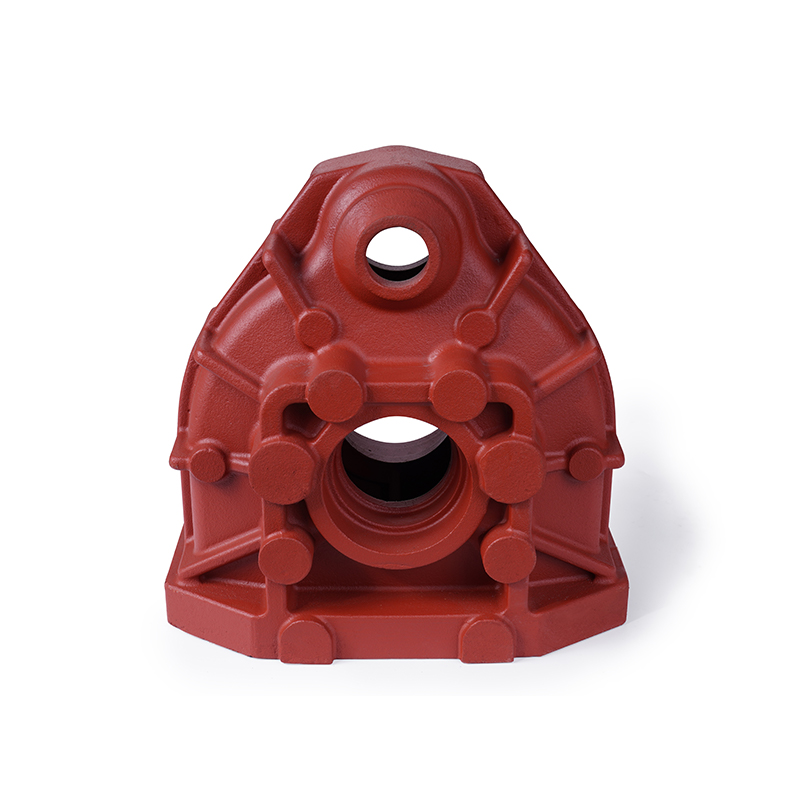
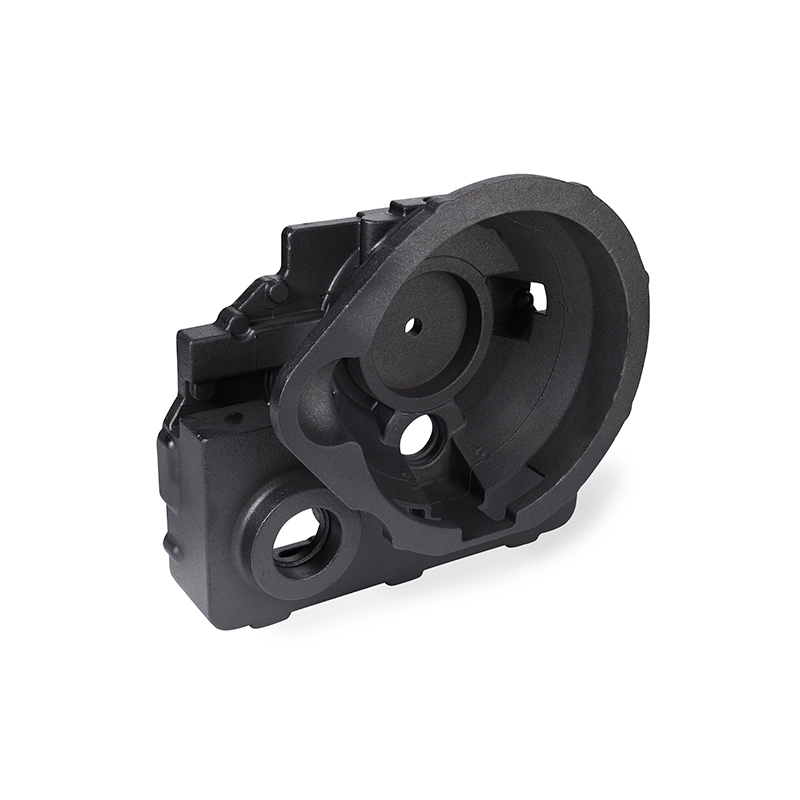
By using cast iron casting, manufacturers can produce complex shapes like gear housings, plow supports, engine blocks, and axle components with high dimensional accuracy and long service life.
Cast iron has been a preferred material in agricultural machinery for decades, and its popularity is due to several unique advantages:
There are multiple types of cast iron, each suitable for specific agricultural applications:
| Cast Iron Type | Key Properties | Common Applications in Agriculture |
|---|---|---|
| Gray Cast Iron | Good compressive strength, excellent vibration damping | Tractor frames, housings, plow components |
| Ductile (Nodular) Iron | Higher tensile strength, better impact resistance | Gearbox housings, axle components, harvester parts |
| Malleable Iron | Moderate strength, high toughness | Small brackets, linkage components |
| Alloyed Cast Iron | Enhanced wear and corrosion resistance | Seeders, fertilizer spreaders, soil-engaging tools |
Selecting the right cast iron type allows manufacturers to balance strength, toughness, machinability, and wear resistance according to the specific demands of each component.
Durability is a critical factor in agricultural machinery, which often operates under heavy loads, vibrations, and abrasive conditions. Cast iron’s microstructure—comprising graphite flakes or nodules embedded in a metallic matrix—helps absorb stress and resist crack propagation.
Additional benefits include:
By providing long-term reliability, cast iron castings help farmers reduce downtime, repair costs, and operational disruptions.
Beyond material properties, the casting process itself provides significant advantages:
This combination of process flexibility and material performance explains why cast iron casting remains a cornerstone of agricultural equipment manufacturing.
Cast iron casting is used across almost every category of agricultural equipment:
Its widespread adoption reflects the unique combination of mechanical performance, longevity, and cost-effectiveness that cast iron provides.
Q1: Why is cast iron still used when steel is available?
Cast iron provides superior vibration damping, wear resistance, and cost advantages for heavy-duty components, making it preferable for many agricultural applications.
Q2: Can cast iron withstand harsh field conditions?
Yes. Ductile and alloyed cast irons are especially resistant to wear, corrosion, and mechanical stress, ensuring long service life.
Q3: Are cast iron components repairable if damaged?
Minor damages can sometimes be repaired through welding or machining, though replacement is often more reliable for high-stress parts.
Q4: Can cast iron casting produce complex shapes without welding?
Yes. Casting allows for integrated features, hollow sections, and complex geometries, reducing assembly labor and improving part integrity.




 русский
 日本語
日本語