Aluminum die casting is a manufacturing process where molten aluminum is injected under high pressure — typically 1,500 to 25,000 PSI — into a reusable steel mold (the die) to produce precise, complex metal parts at high volume. The pressure forces the molten metal to fill every detail of the mold cavity before it solidifies, usually within seconds, making the process well suited for parts that need tight tolerances, thin walls, and smooth surface finishes without extensive secondary machining.
The core benefits are speed, repeatability, and part complexity — a single die can produce tens of thousands of nearly identical parts, which is why aluminum die casting dominates production of automotive housings, electronic enclosures, and industrial hardware. The sections below explain how the process actually works, where it outperforms alternative methods, and what applications rely on it most.
Two main process variants are used in production, and the choice between them depends on part size, alloy, and required mechanical properties.
Aluminum almost always uses the cold chamber process, because aluminum's high melting point (around 660°C) would damage the metal injection components used in hot chamber machines, which are typically reserved for lower-melting-point metals like zinc. In cold chamber casting, molten aluminum is ladled into a separate injection chamber for each cycle, then a hydraulic plunger forces it into the die at high pressure.
A full cycle, from injection to ejection, typically takes 15 to 120 seconds depending on part size and wall thickness, which is what allows die casting to support extremely high production volumes.
Alloy selection significantly affects strength, corrosion resistance, and castability. A small handful of alloys account for the majority of commercial die casting work.
| Alloy | Key Characteristics | Common Uses |
|---|---|---|
| A380 | Good strength, excellent castability, most widely used | Engine brackets, housings, general hardware |
| A383 | Better die filling for thin, complex walls | Electronic enclosures, intricate parts |
| A360 | Higher corrosion resistance, good strength | Marine hardware, outdoor equipment |
| A413 | Excellent pressure tightness | Pump housings, hydraulic components |
| Factor | Die Casting | Sand Casting | Gravity/Permanent Mold |
|---|---|---|---|
| Dimensional accuracy | Very high | Low to moderate | Moderate to high |
| Production speed | Very fast (seconds per part) | Slow | Moderate |
| Tooling cost | High upfront | Low | Moderate |
| Best production volume | 10,000+ units | Low volume / prototypes | 1,000-50,000 units |
| Minimum wall thickness | As thin as 0.5 mm | 3 mm or more | 2-3 mm |
Aluminum die casting's combination of strength, light weight, and dimensional precision makes it a default choice across multiple manufacturing sectors.
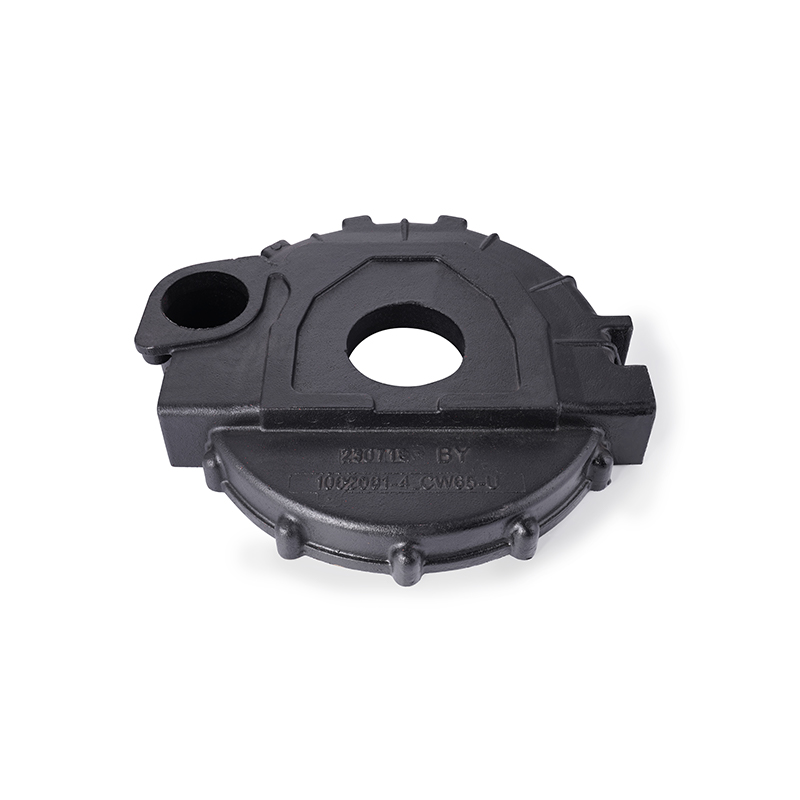
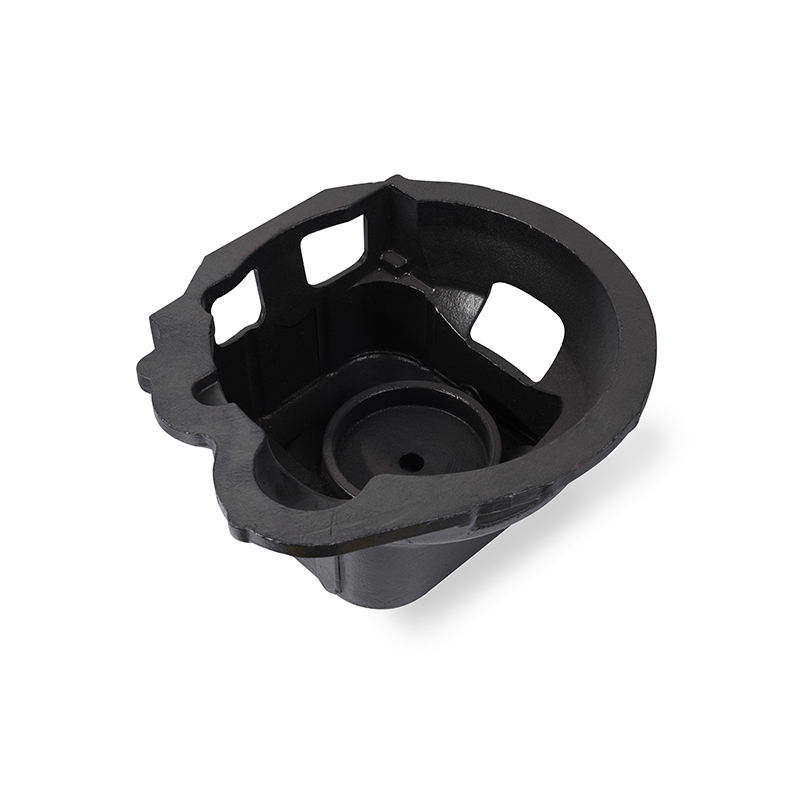
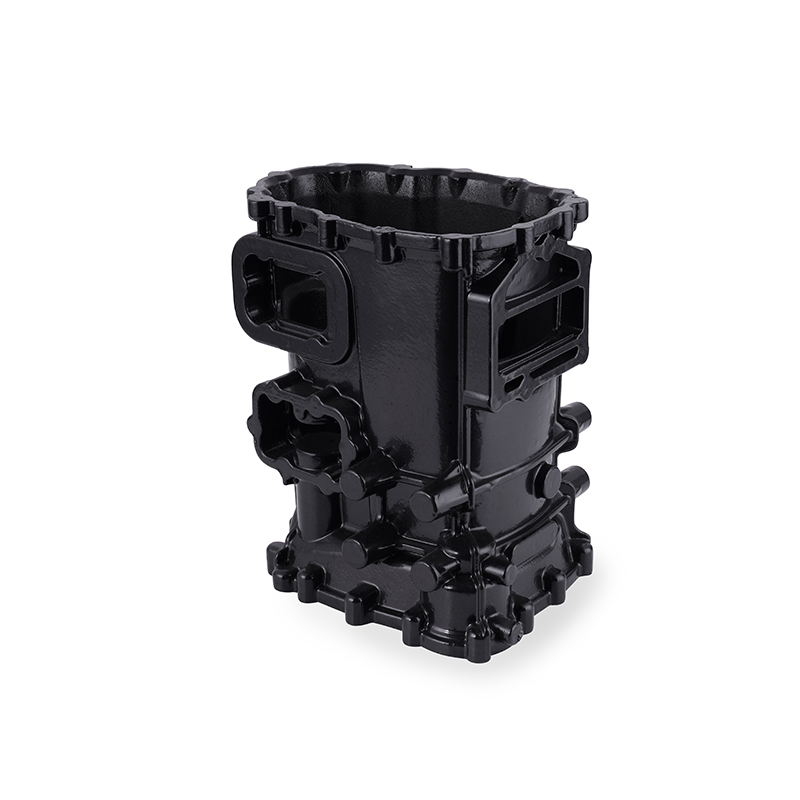
This is the largest end-use sector for aluminum die casting, covering transmission housings, engine blocks, brackets, and structural components. The push toward vehicle lightweighting for fuel efficiency and EV range has further increased aluminum die casting's share of automotive parts production.
Die-cast aluminum enclosures provide electromagnetic shielding, heat dissipation, and structural protection for devices ranging from network equipment to consumer electronics housings.
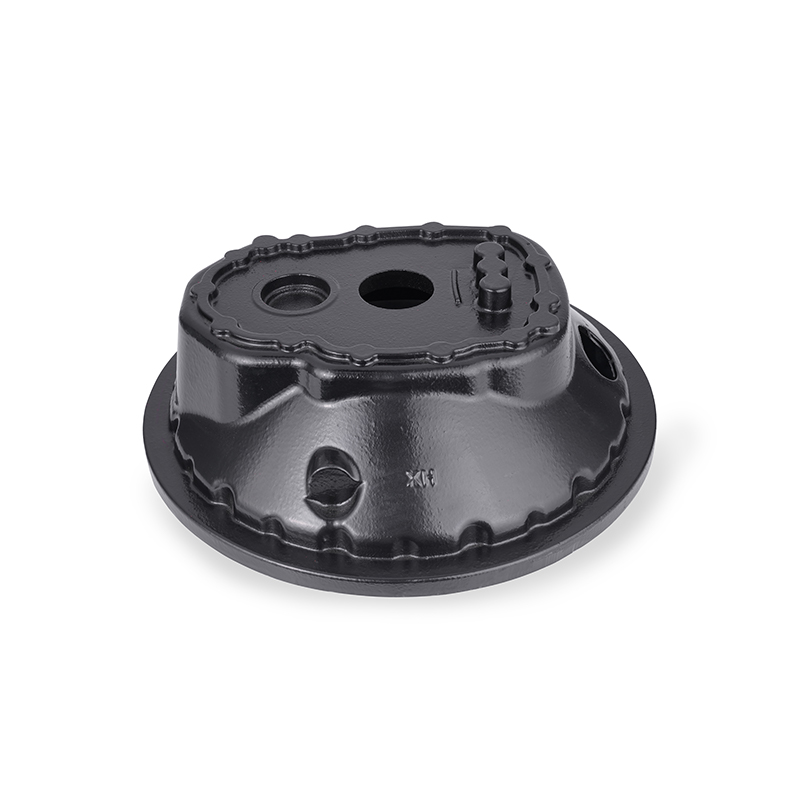
Pump housings, power tool bodies, valve components, and lighting fixtures frequently use aluminum die casting for its combination of strength and corrosion resistance at relatively low per-unit cost.
Select non-critical structural components and housings use die-cast aluminum where weight savings matter and load requirements fall within the process's mechanical property range.
Before committing to aluminum die casting for a new part, a few practical factors should guide the decision:
Aluminum die casting uses high-pressure injection of molten aluminum into reusable steel dies to produce precise, complex parts at high volume and relatively low per-unit cost. Its combination of tight tolerances, excellent surface finish, and aluminum's favorable strength-to-weight ratio makes it the dominant manufacturing process for automotive components, electronic enclosures, and industrial hardware. The main tradeoff is high upfront tooling cost, which means die casting delivers the strongest return on investment when production volumes exceed roughly 10,000 units.




 русский
 日本語
日本語