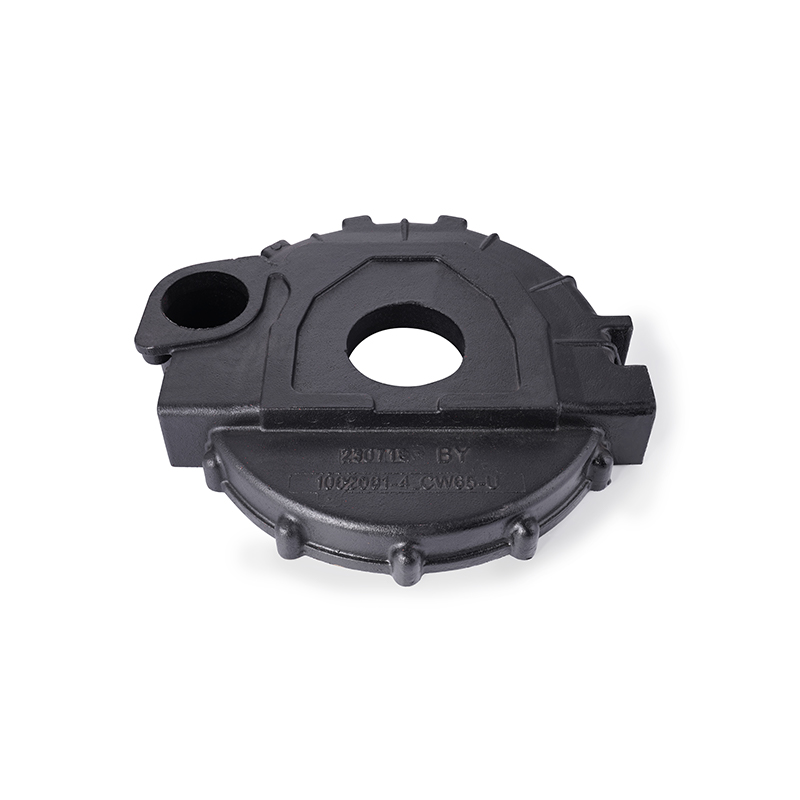
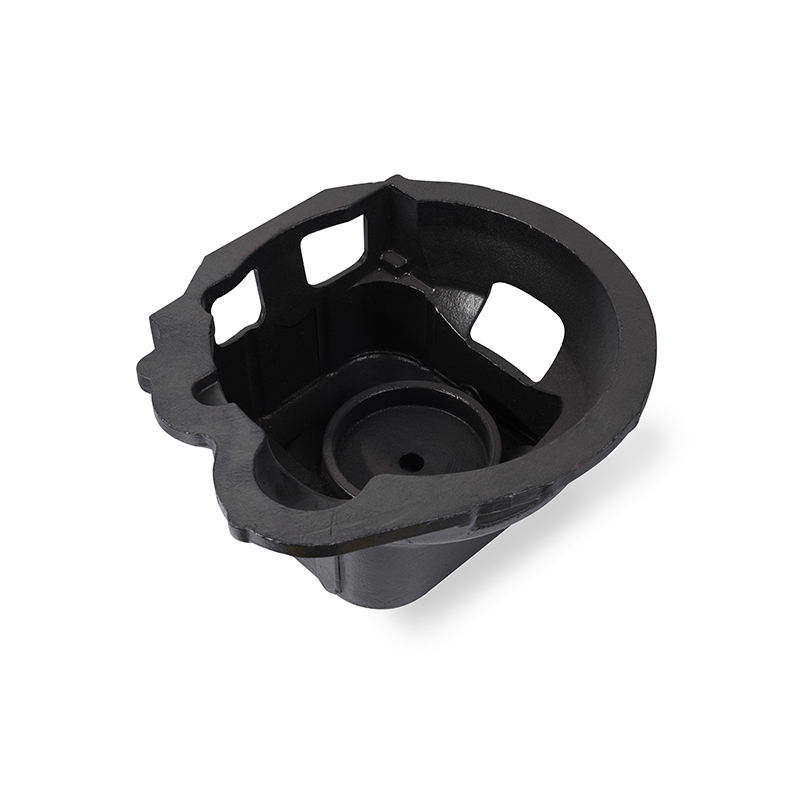
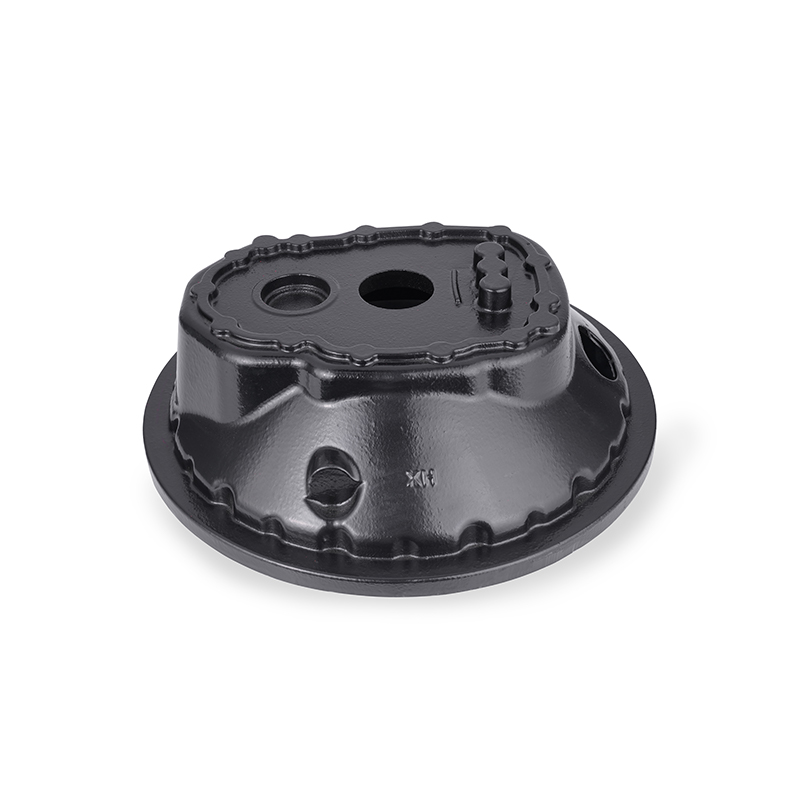
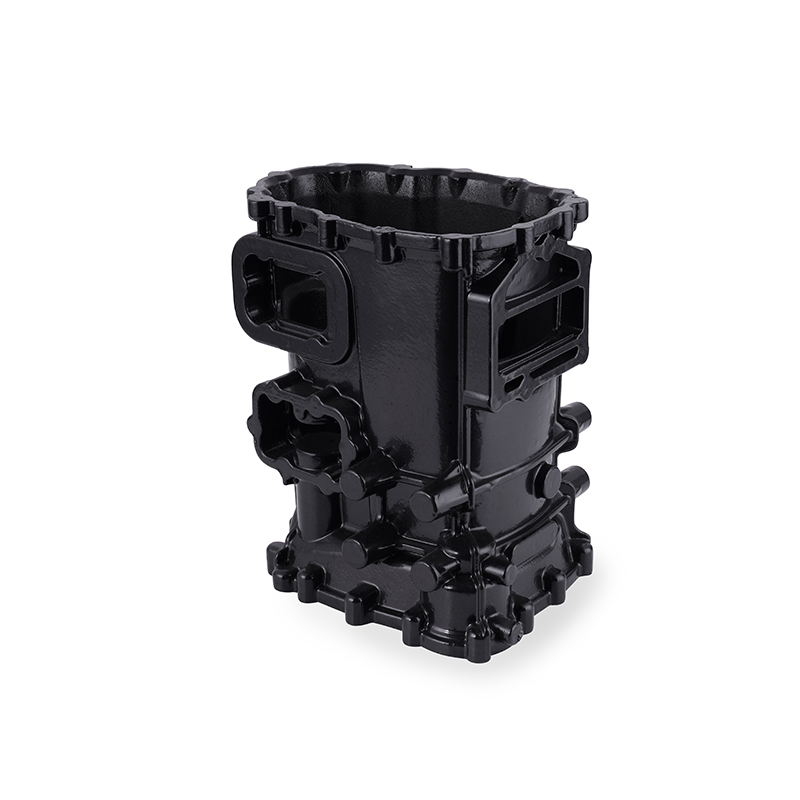
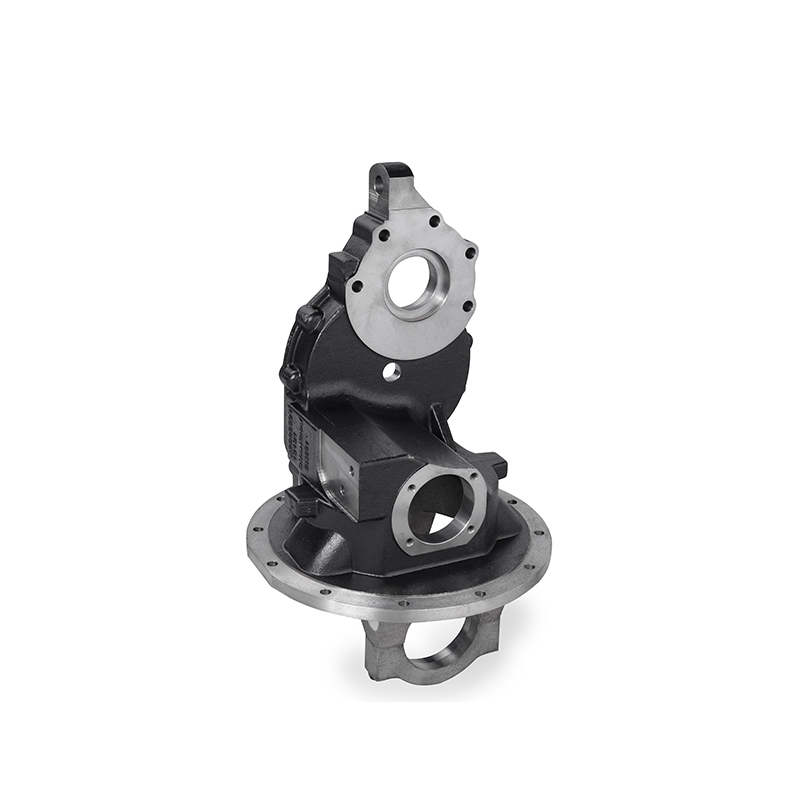
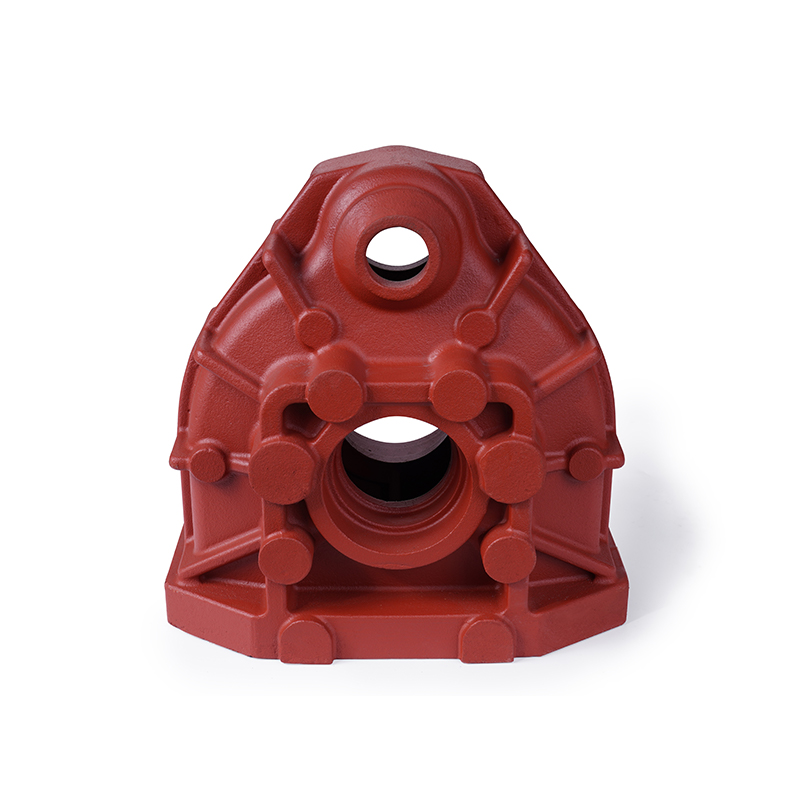
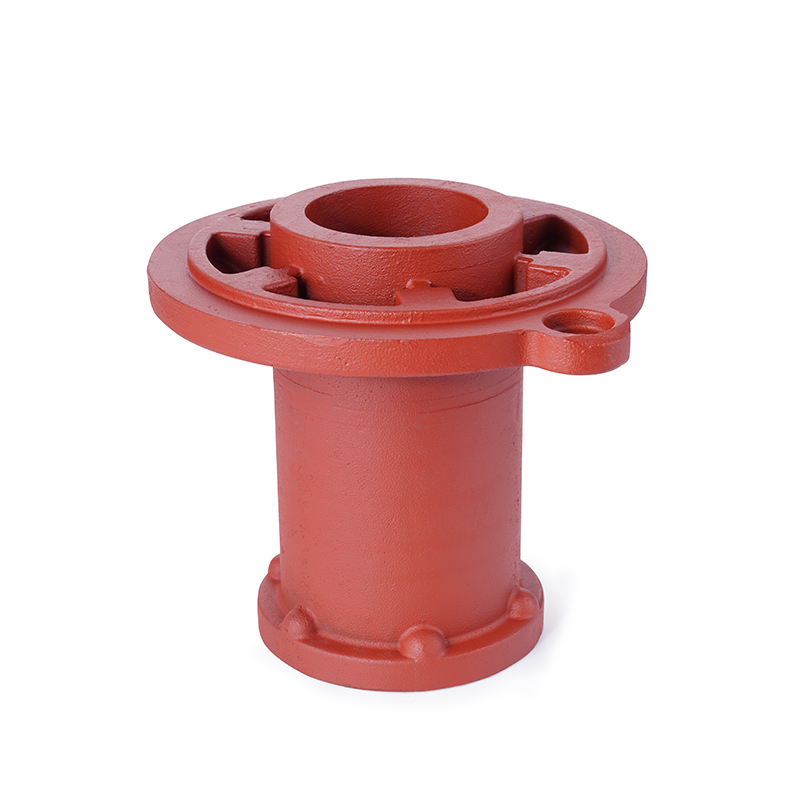
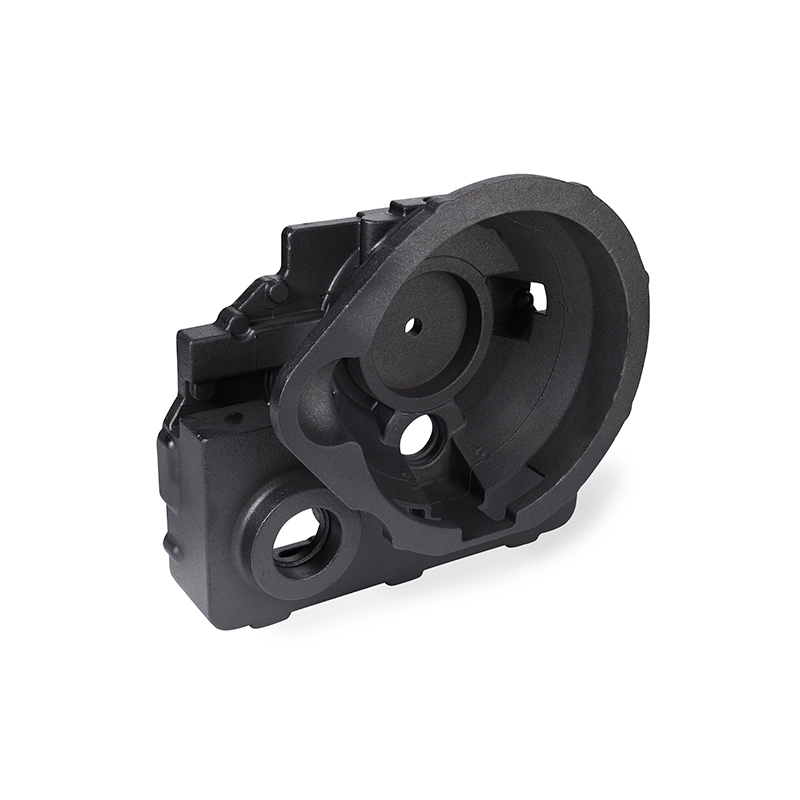
Cast iron casting is a manufacturing process in which molten iron alloy — containing 2–4% carbon and 1–3% silicon — is poured into a mold cavity, typically made of sand, and allowed to solidify into a near-final component shape. The most common method used worldwide is sand casting, which accounts for the majority of cast iron parts produced globally due to its low tooling cost and flexibility for both small-batch and mass production. The process is favored for producing components with complex geometries, good machinability, high compressive strength, and excellent vibration damping — properties that make cast iron the material of choice for engine blocks, pipe fittings, machine bases, and pump housings.
In short: cast iron casting combines a low-cost, easily moldable material with a versatile forming process, making it one of the most economical routes to producing durable metal components at scale.
Sand casting remains the dominant technique for cast iron production because it can accommodate both simple and highly complex part geometries at relatively low cost. The process follows a consistent sequence of stages.
A pattern — usually made of wood, metal, or resin — is produced in the exact shape of the final part, but slightly oversized to account for shrinkage during cooling. Gray iron typically shrinks 1.0–1.2% during solidification, and this allowance must be built into the pattern dimensions.
Sand mixed with a binder (commonly bentonite clay or resin) is packed around the pattern to form the mold cavity. For parts with internal cavities, such as pipe fittings or engine blocks, separate sand cores are made and placed inside the mold before closing.
Iron is melted in a cupola furnace or induction furnace at temperatures between 1,350°C and 1,450°C, then poured into the mold through a gating system designed to control flow rate and minimize turbulence, which helps reduce gas entrapment and inclusions.
The casting is left to solidify and cool inside the mold — cooling time depends on wall thickness, ranging from under an hour for thin sections to several hours for heavy castings. Once cooled, the sand mold is broken away in a process called shakeout.
Gates, risers, and flash are removed, and the surface is cleaned via shot blasting. Machining is then applied to critical dimensions and mating surfaces to meet final tolerances.
Choosing the right grade is one of the most important decisions in a casting project, since mechanical properties vary significantly across cast iron types.
The most widely used grade, characterized by flake graphite structure. Gray iron offers tensile strength ranging from 150 to 400 MPa depending on class, along with excellent machinability and vibration damping, making it ideal for machine bases and housings.
Contains spheroidal graphite nodules instead of flakes, giving it significantly higher tensile strength and elongation. Ductile iron grade 65-45-12 delivers a minimum tensile strength of 65,000 psi (450 MPa) with 12% elongation, making it suitable for pressure pipes, crankshafts, and gears.
Produced through rapid cooling that suppresses graphite formation, resulting in a hard, brittle carbide structure. Its extreme hardness (typically 450–650 HB) makes it suitable for wear-resistant applications like grinding balls and slurry pump liners, though it is difficult to machine.
| Grade | Tensile Strength | Typical Application |
|---|---|---|
| Gray Iron Class 30 | 210 MPa | Machine bases, brackets |
| Ductile Iron 65-45-12 | 450 MPa | Pipe fittings, crankshafts |
| White Iron | 200–400 MPa | Wear liners, grinding media |
Consistent quality in cast iron casting depends on controlling both the melting process and the finished product. Reputable foundries apply a combination of the following checks.
Spectrometers are used to verify carbon, silicon, manganese, and trace element content before pouring. A deviation of just 0.2% in carbon equivalent can shift mechanical properties enough to fail a spec, so real-time melt analysis is standard practice in quality-focused foundries.
Common methods include:
Sample coupons cast alongside production parts are tested for tensile strength, hardness (typically via Brinell testing), and, for critical components, impact toughness — ensuring each batch meets the specified grade requirements.
Coordinate measuring machines (CMM) or 3D scanning verify that critical dimensions fall within tolerance, typically within ±0.5mm to ±1.5mm depending on part size and casting method, per standards such as ISO 8062.
Understanding typical defects helps buyers and engineers identify quality issues early and work with foundries to correct root causes.
When evaluating a foundry for cast iron casting, buyers should look beyond price and assess process capability and certification.
Foundries with documented process control typically report scrap rates below 5%, compared to 10–15% or higher at facilities without rigorous quality systems — a difference that directly affects both cost and delivery reliability.
Cast iron casting, particularly through sand casting, remains one of the most cost-effective and versatile methods for producing durable metal components across industries. Success depends on selecting the appropriate grade for the application, following a controlled sand casting process, and applying rigorous quality control at every stage — from melt chemistry to final dimensional inspection. Buyers who understand these fundamentals are better equipped to specify parts correctly and select foundry partners capable of delivering consistent, defect-free castings.




 русский
 日本語
日本語