Choosing between Grey Iron and Ductile Iron is one of the most critical decisions in the product development phase of any industrial component. Both are essential members of the cast iron family, but their internal structures—and consequently, their mechanical behaviors—are worlds apart.
Selecting the wrong grade can lead to premature structural failure or unnecessary manufacturing costs.
The fundamental difference between these two irons lies in the shape of the graphite particles within the metal matrix.
In Grey Iron (ASTM A48), the graphite forms into long, thin flakes. When the metal is fractured, it occurs along these flakes, giving the broken surface a “grey” appearance. While these flakes provide excellent machinability, they also act as internal stress concentrators. Because the tips of the flakes are sharp, they can easily initiate cracks under high tension, making the material brittle.
Ductile Iron (ASTM A536), also known as nodular iron, is created by adding magnesium to the molten iron. This causes the graphite to form into solid spheres or “nodules” rather than flakes. These spheres interfere less with the continuity of the metal matrix, allowing the iron to stretch and deform without fracturing. This simple change in geometry transforms a brittle material into one that rivals the strength and toughness of steel.
The most obvious advantage of Ductile Iron Casting is its strength. Ductile iron typically has a minimum tensile strength of 60,000 psi, with some grades exceeding 120,000 psi. More importantly, it features “elongation”—the ability to stretch before breaking. Grey iron, conversely, has virtually zero elongation and a lower tensile strength (usually 20,000 to 50,000 psi).
While ductile iron wins on strength, Grey Iron is the undisputed king of vibration damping. The graphite flakes absorb vibrations and dissipate energy more effectively than any other ferrous material. This makes grey iron the preferred choice for engine blocks, machine tool bases, and brake components where stability and noise reduction are paramount.
Grey iron has higher thermal conductivity than ductile iron. In applications like brake rotors or industrial furnace parts, the ability to move heat away from a surface quickly is essential to prevent thermal warping or “heat checking.”
To provide a clear roadmap for your procurement and engineering teams, the following table compares the two materials across vital industrial metrics.
| Property | Grey Iron (Flake Graphite) | Ductile Iron (Nodular) |
|---|---|---|
| Tensile Strength | Low to Moderate | High to Very High |
| Ductility (Elongation) | None (Brittle) | Excellent (5% - 18%+) |
| Vibration Damping | Superior | Moderate |
| Impact Resistance | Poor | Excellent |
| Machinability | Excellent (Easy on tools) | Good |
| Thermal Conductivity | High | Moderate |
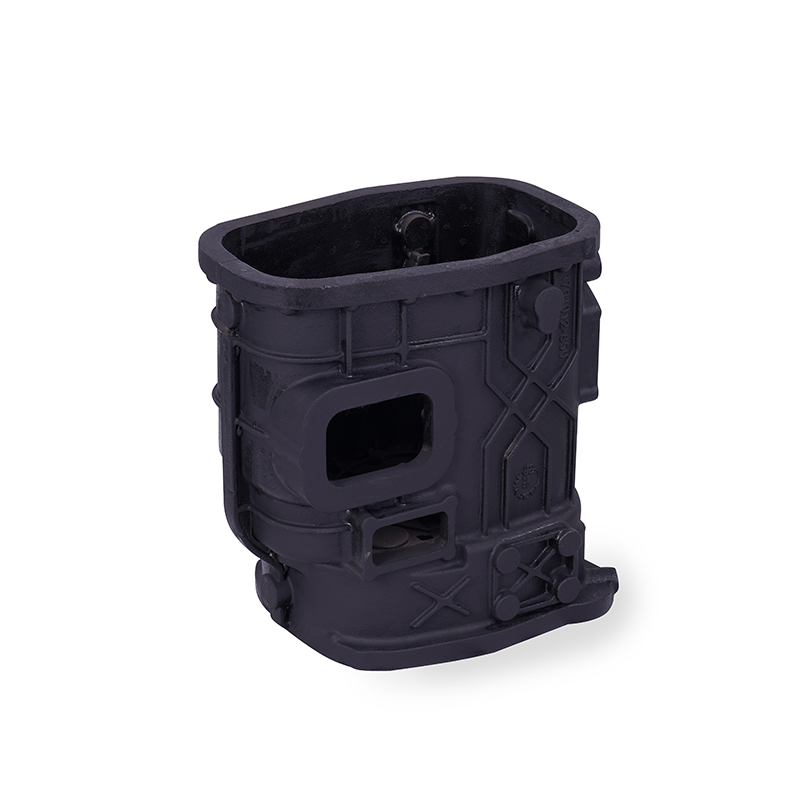
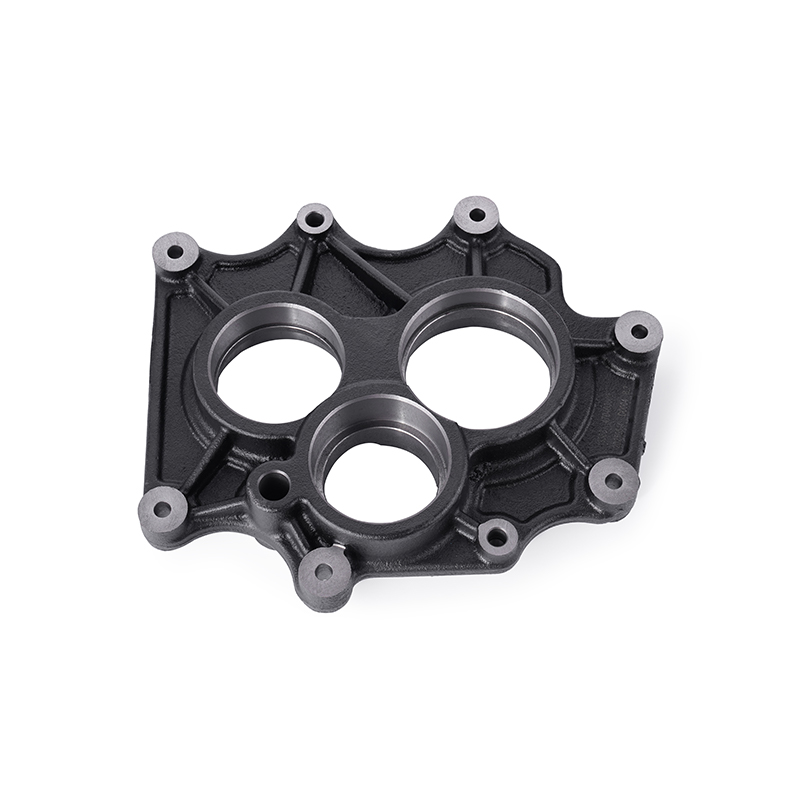
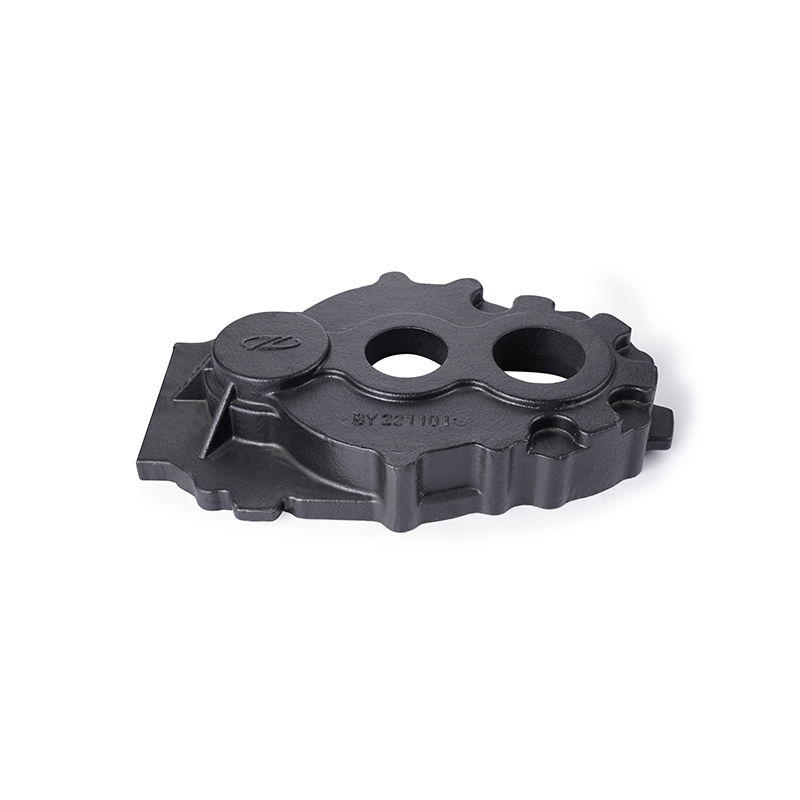
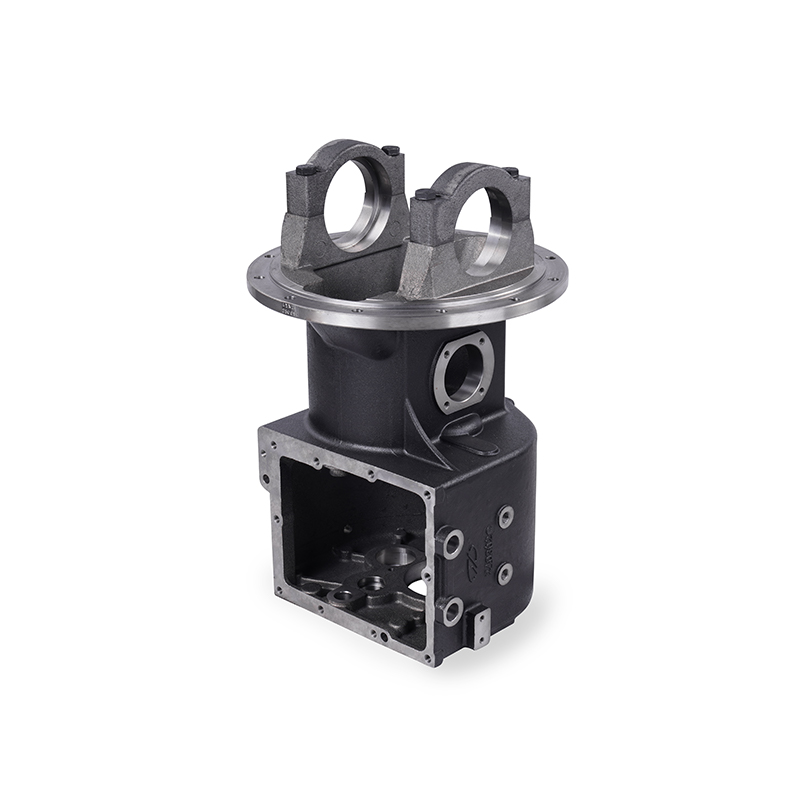
| Typical Applications | Pump housings, Manifolds, Bases | Gearboxes, Axles, Brackets |
Generally, Grey Iron is less expensive to produce than ductile iron. The raw materials are simpler, and the casting process requires less intensive treatment. However, when looking at the “Finished Part Cost,” the gap narrows. Because ductile iron is stronger, you can often design parts with thinner walls and less weight, potentially offsetting the higher material cost per pound.
Grey iron is exceptionally easy to machine. The graphite flakes act as a natural lubricant, and they also cause the chips to “flake” off easily during milling or turning. This results in faster cycle times and longer tool life. While Ductile Iron is still quite machinable compared to steel, it is more abrasive and requires more robust tooling.
Before finalizing your Iron Casting order, ask these four questions to ensure the material matches the environment:
In the world of Iron Casting, there is no “universal” best material—only the best material for the job. Grey Iron remains the workhorse for applications requiring stability, heat dissipation, and low-cost production. Meanwhile, Ductile Iron is the high-performance solution for components that must endure stress, tension, and impact.
As a leading manufacturer, we recommend consulting with a foundry early in the design phase. By matching the specific grade (e.g., Grade 30 Grey Iron vs. 65-45-12 Ductile Iron) to your application, you can maximize performance while minimizing production costs.
Q1: Can I tell the difference between Grey and Ductile iron by looking at them?
A: Not easily from the outside. However, if you “ring” the casting with a hammer, Grey iron will produce a dull “thud,” while Ductile iron will produce a much clearer, musical “ping” due to its higher elasticity.
Q2: Which iron is better for corrosion resistance?
A: Both offer similar corrosion resistance, which is generally better than carbon steel. However, for highly corrosive environments, specialized alloyed irons (like Ni-Resist) are often required.
Q3: Why is magnesium added to Ductile iron?
A: Magnesium acts as a “nodulizer.” It reacts with the sulfur and oxygen in the molten iron, forcing the graphite to crystallize into spheres instead of flakes.




 русский
 日本語
日本語