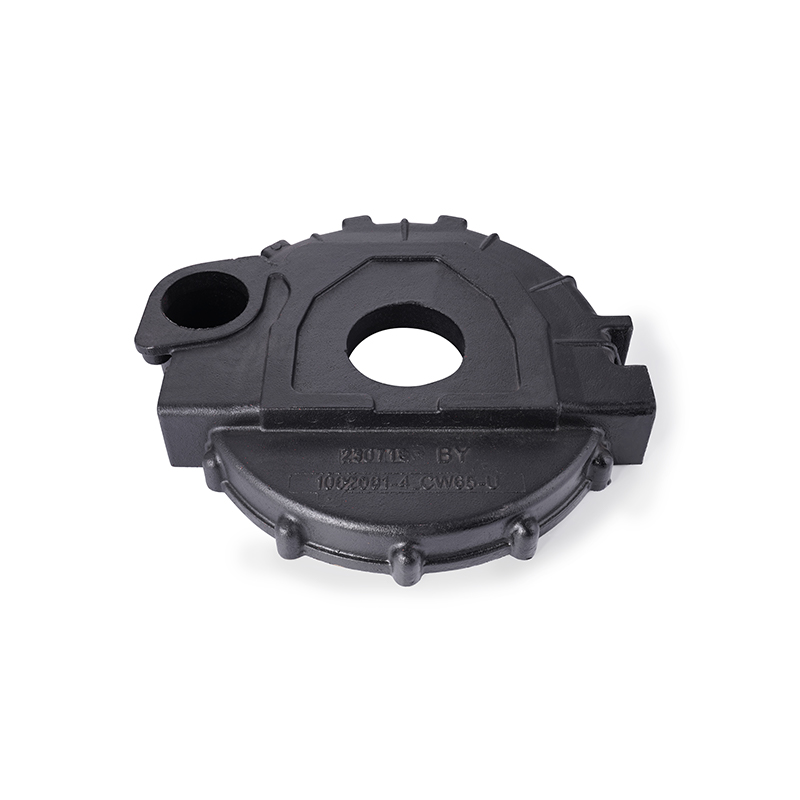
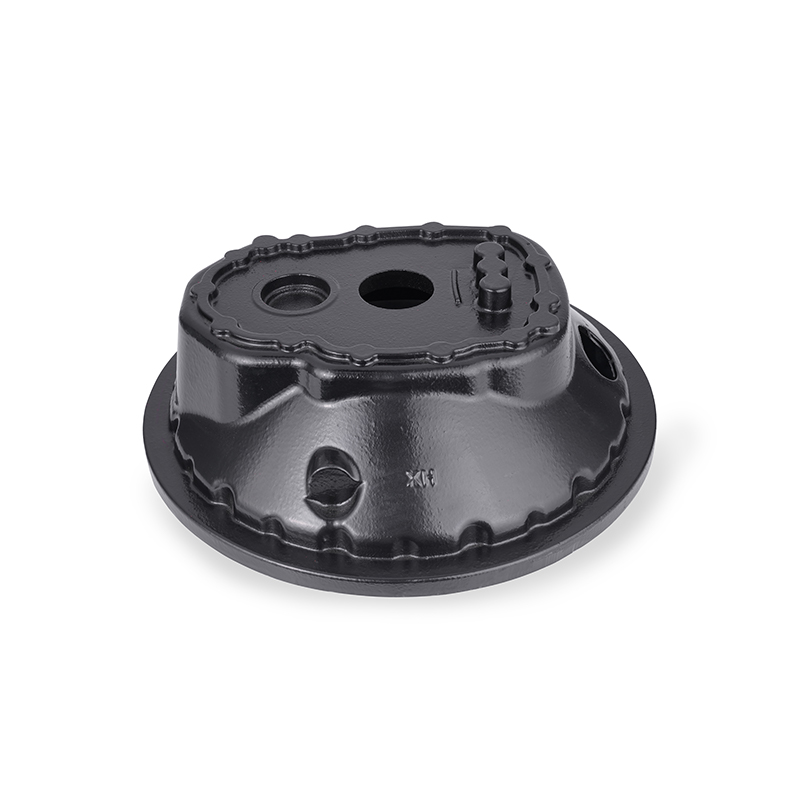
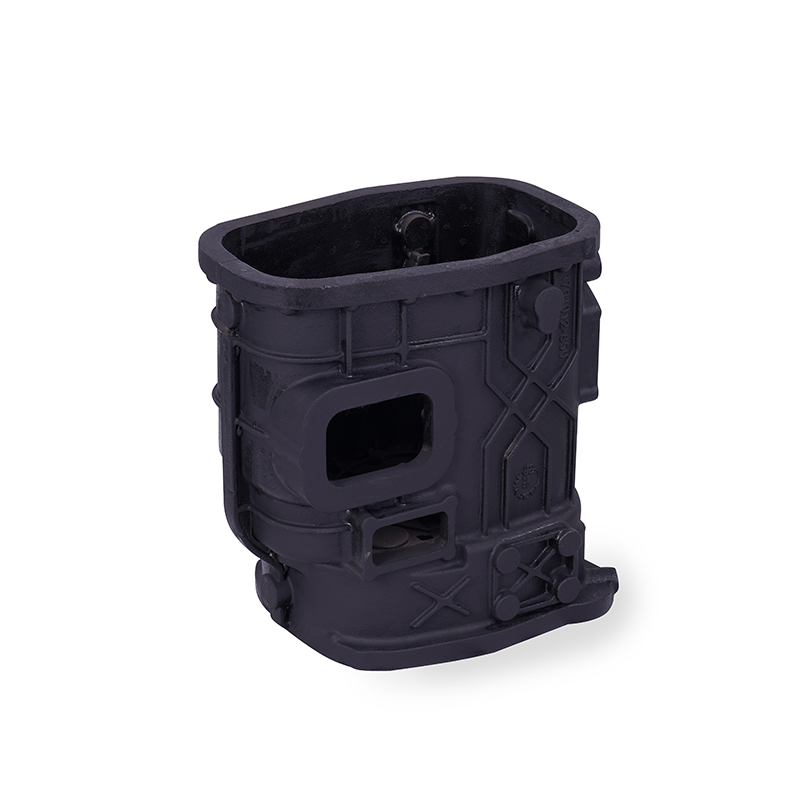
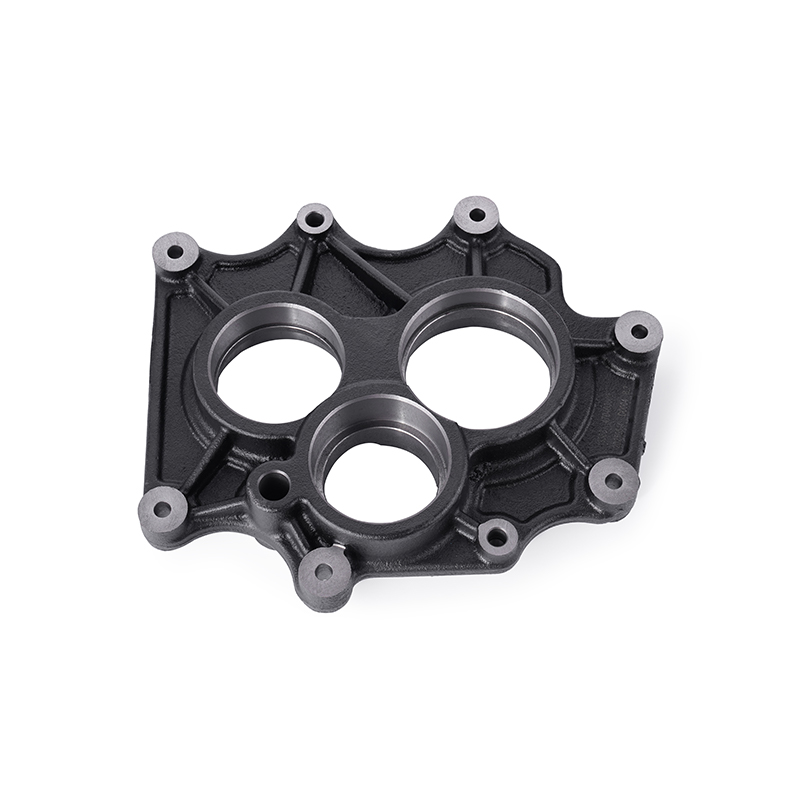
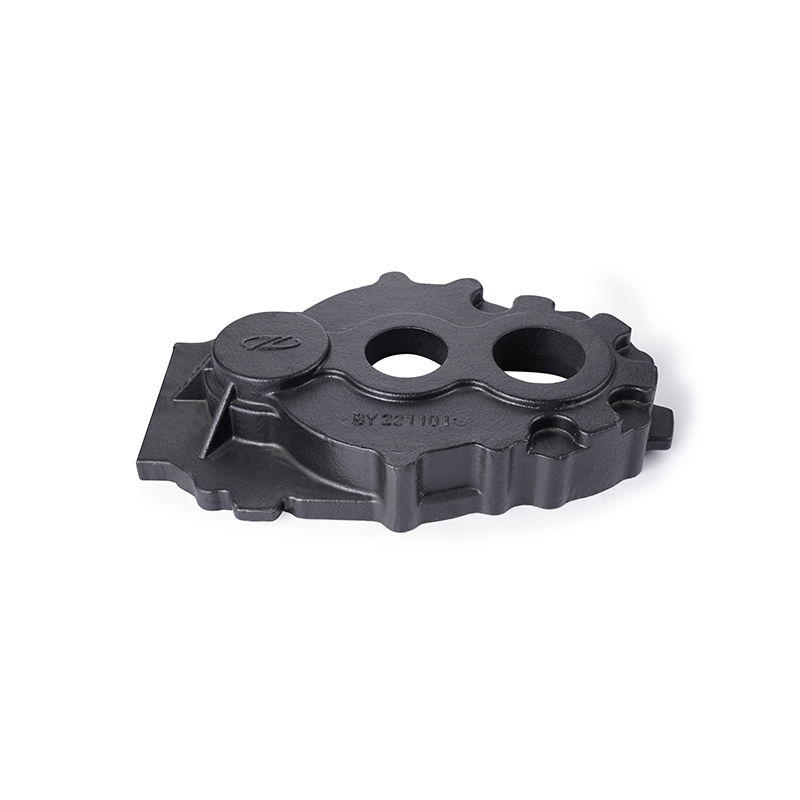
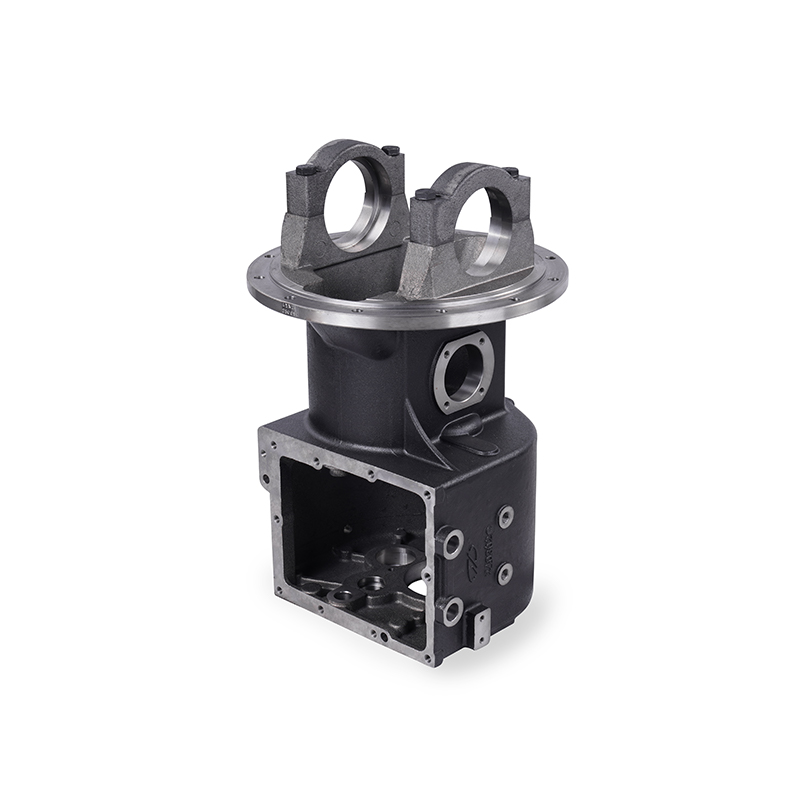
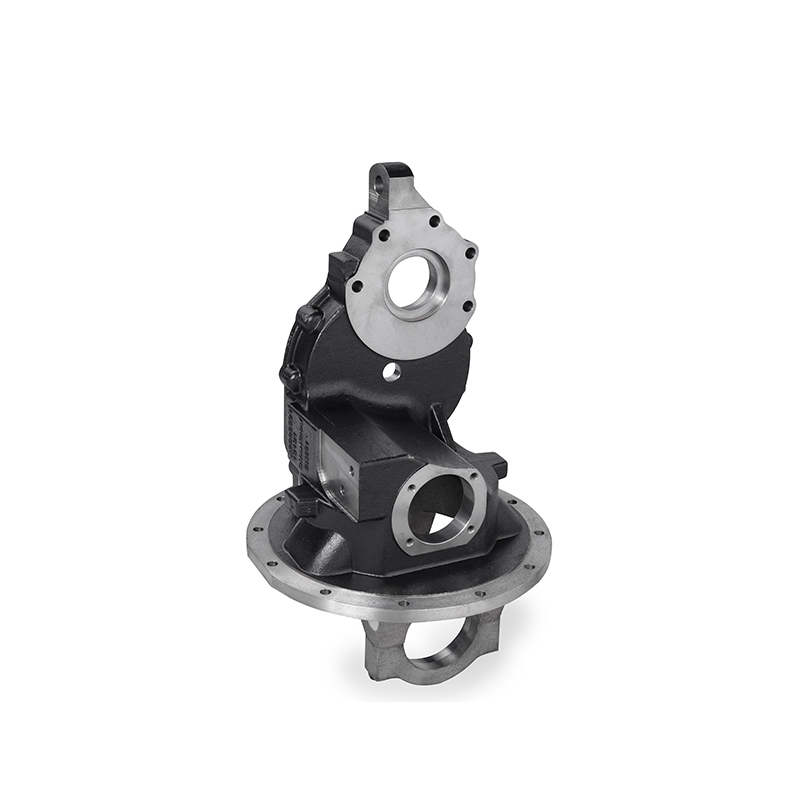
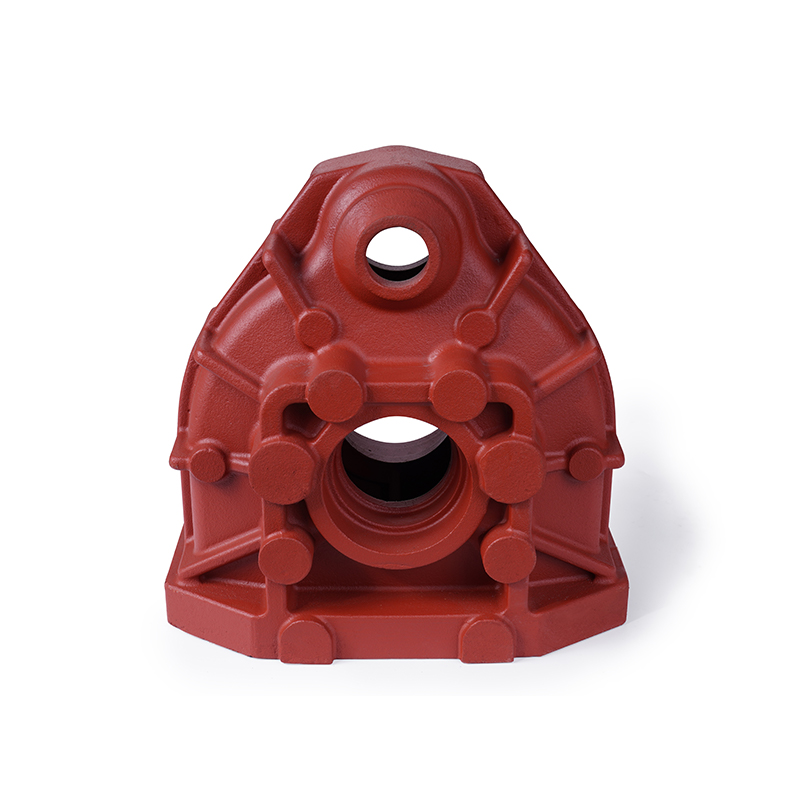
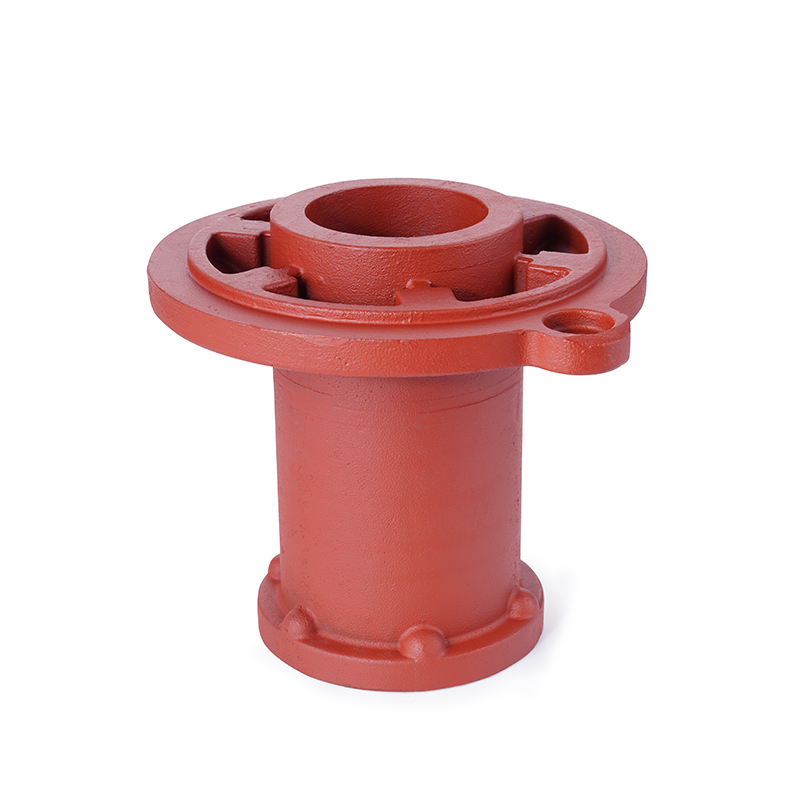
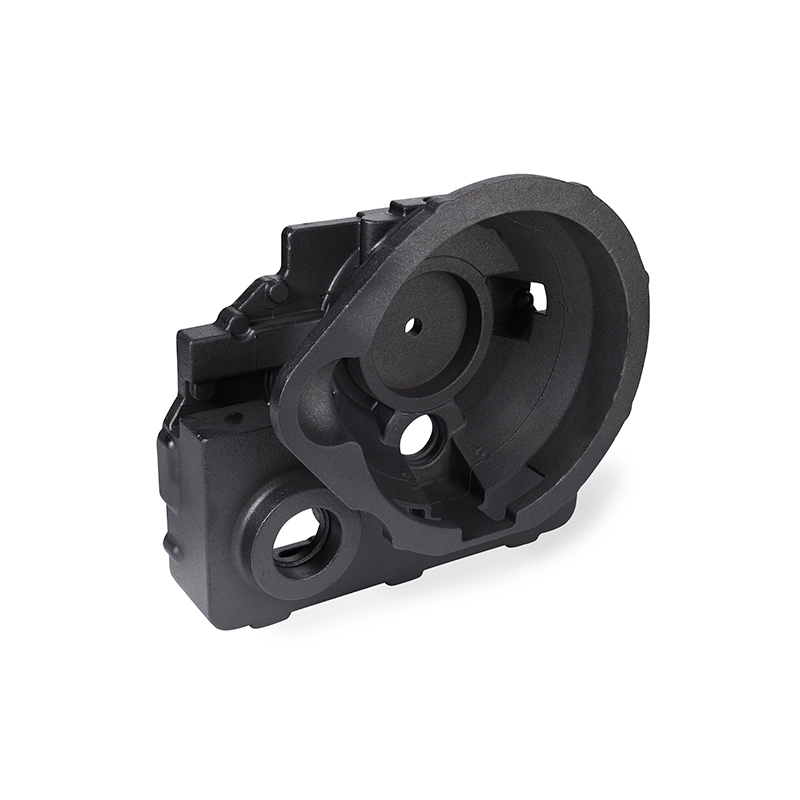
In the manufacturing of Construction Machinery Cast Iron Casting, the reason Ductile Iron (Spheroidal Graphite Iron) is increasingly replacing steel forgings lies primarily in its incomparable design freedom. For complex machinery such as excavators, bulldozers, and cranes, the geometric shape of components often determines the overall integration efficiency of the system.
In the realm of heavy equipment, the ability to create complex shapes is a major competitive advantage. Ductile iron provides a level of versatility that traditional fabrication methods simply cannot match.
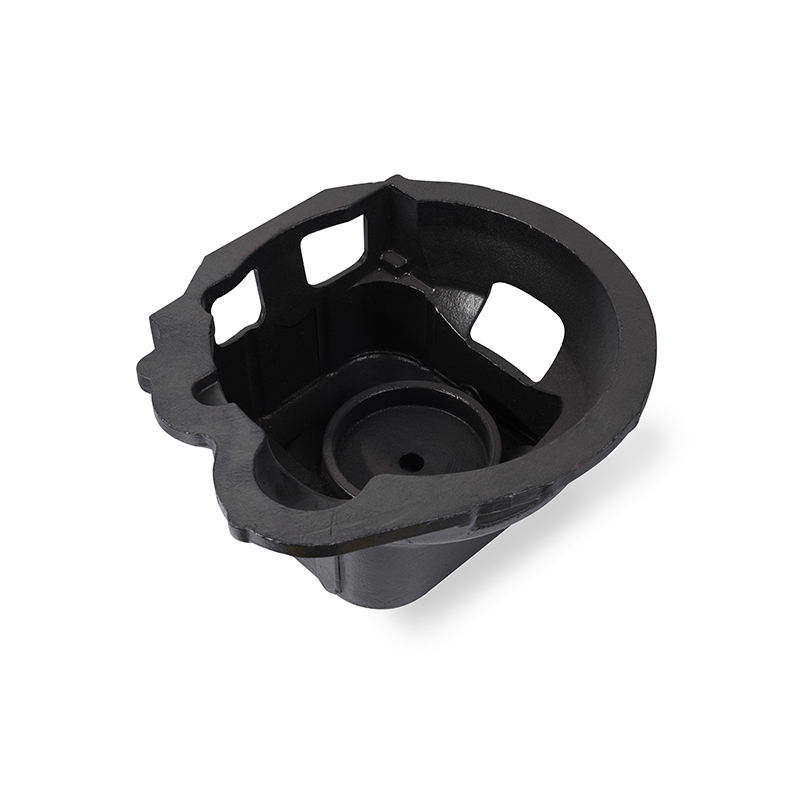
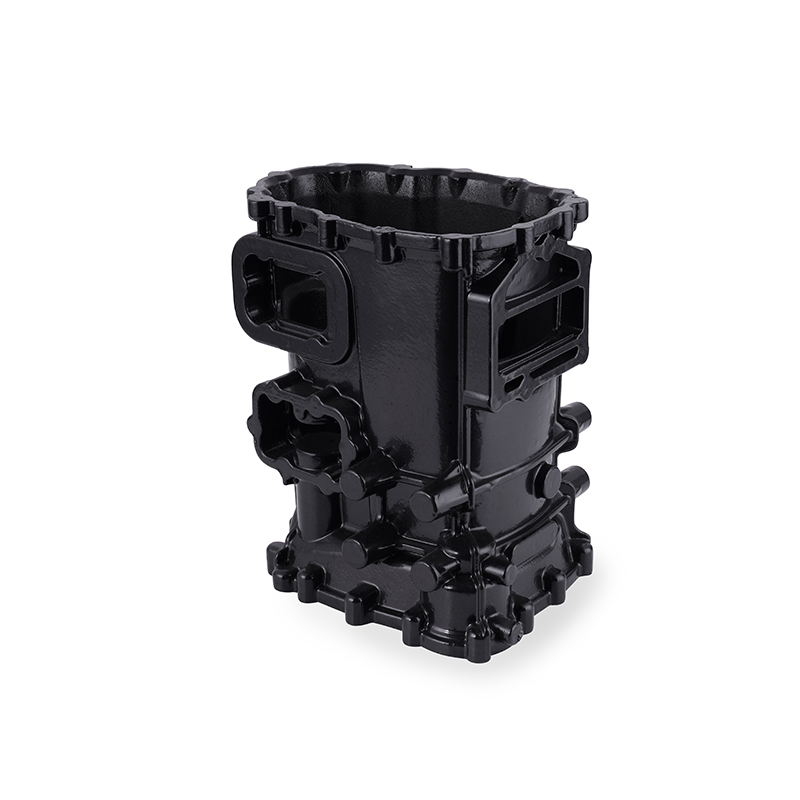
The forging process is essentially deforming metal through pressure, which limits it to relatively simple geometric shapes. If a part requires complex internal channels—such as the oil passages in a hydraulic control valve block—or hollow structures for weight reduction, forging is often powerless or requires extremely high-cost subsequent machining. In contrast, the casting process utilizes sand cores to easily create intricate internal cavities. This capability allows engineers to integrate multiple functions into a single monolithic casting, reducing part counts and assembly errors while significantly improving the reliability of Machinery Components.
Modern construction machinery is evolving toward high performance and low energy consumption, making Lightweighting an industry keyword. Ductile iron casting allows engineers to perform “Topology Optimization,” which involves placing metal only at critical stress points. Because forging requires draft angles and simple parting lines, it often leads to “over-designed” parts that carry unnecessary weight. Through casting, manufacturers can reduce component weight by 20% to 30% while maintaining or even increasing structural strength, thereby improving the fuel efficiency and operational flexibility of the entire machine.
While steel forgings are perceived to have extremely high strength in traditional views, ductile iron demonstrates unique microstructural advantages when dealing with the high-frequency vibration and cyclic loading common in construction machinery.
Construction machinery generates intense harmonic vibrations during operation, which not only causes noise but also leads to fatigue damage in sensitive electronic sensors and hydraulic components. The graphite particles in cast iron (which are spherical in ductile iron) possess natural energy absorption characteristics. This Damping Performance far exceeds that of forged steel. Chassis brackets or engine housings made of ductile iron act like “shock absorbers,” absorbing impact energy and significantly extending the Mean Time Between Failures (MTBF).
The spherical graphite within ductile iron acts as a solid lubricant during metal-to-metal friction. In components subjected to direct wear, such as Idler Wheels and Track Rollers, ductile iron exhibits excellent anti-galling performance. In comparison, forged steel parts often have a shorter wear life unless subjected to expensive surface hardening treatments or hard-facing. This microstructural Wear Resistance is a core pillar for maintaining durability under the harsh working conditions of construction sites.
From a B2B procurement and supply chain management perspective, choosing castings often means a higher Return on Investment (ROI). Cost optimization is reflected not just in the unit price, but throughout the entire manufacturing cycle.
Since casting can produce “Near-Net Shape” parts, the amount of CNC machining required from the raw casting to the finished product is minimized. Forgings usually require extensive milling and turning to reach final tolerances, which wastes raw materials and increases labor hours. Furthermore, the Machinability of ductile iron is excellent; it requires less cutting force and results in less tool wear, significantly reducing tool replacement costs and power consumption in the machine shop.
For heavy machinery parts, the development cost of forging dies is extremely high, and the dies are almost scrapped if the design changes. In contrast, the cost of wood or aluminum patterns used in sand casting is relatively low, offering higher production flexibility. This makes the casting process ideal for components that require frequent design iterations or medium-to-large batch production. By lowering initial Capital Expenditure (CAPEX), companies can allocate more budget to R&D and marketing.
The following table summarizes the key performance indicators for both, providing a vital reference for procurement decisions.
| Evaluation Metric | Ductile Iron Casting | Steel Forgings |
|---|---|---|
| Design Complexity | Extremely High (Supports internal cores) | Low (Limited by forging dies) |
| Damping Performance | Excellent (Reduces noise and vibration) | Poor (Transmits vibration stress) |
| Machining Efficiency | High (Low cutting force, long tool life) | Low (High material hardness) |
| Weight Optimization | High (Precise wall thickness control) | Limited (Often has excess material) |
| Self-Lubrication | Built-in (High graphite content) | None (Relies on external lubrication) |
| Initial Tooling Cost | Lower (Sand casting is cost-effective) | Extremely High (Expensive dies) |
Q1: Can the strength of ductile iron truly reach the standard of forged steel?
Yes. Modern ductile iron grades (such as QT600-3 or ASTM A536 80-55-06) have tensile strengths reaching 600–800 MPa, which is more than sufficient for high-load components like excavator chassis, bearing housings, and suspension systems.
Q2: How can I ensure quality stability in bulk procurement?
We recommend looking for suppliers with ISO 9001 or IATF 16949 certifications. Quality control should cover the entire process, from spectrographic analysis (chemical composition) and metallographic examination (nodularity) to ultrasonic testing (internal defects).
Q3: Can ductile iron parts be repaired by welding?
Yes, but due to the high carbon content, it requires strict pre-heating and post-weld heat treatment, using specialized nickel-based electrodes. In most cases, because casting allows for one-piece integration, the need for welding is often eliminated.




 русский
 日本語
日本語