In the construction machinery industry, durability and reliability are critical factors that determine operational efficiency, cost-effectiveness, and safety. Heavy equipment such as excavators, bulldozers, cranes, and loaders operate in harsh environments with continuous exposure to high loads, vibrations, impact forces, and abrasive materials. To withstand these conditions, the choice of materials for key components is paramount. Cast iron casting has emerged as a preferred material because it combines strength, wear resistance, and cost efficiency, providing machinery that can endure years of rigorous service with minimal maintenance.
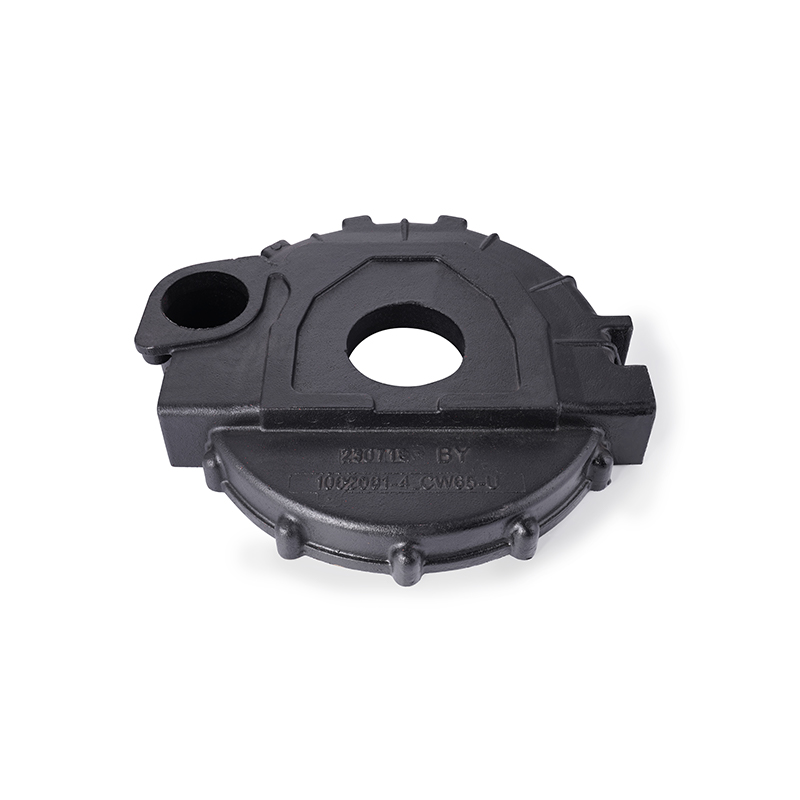
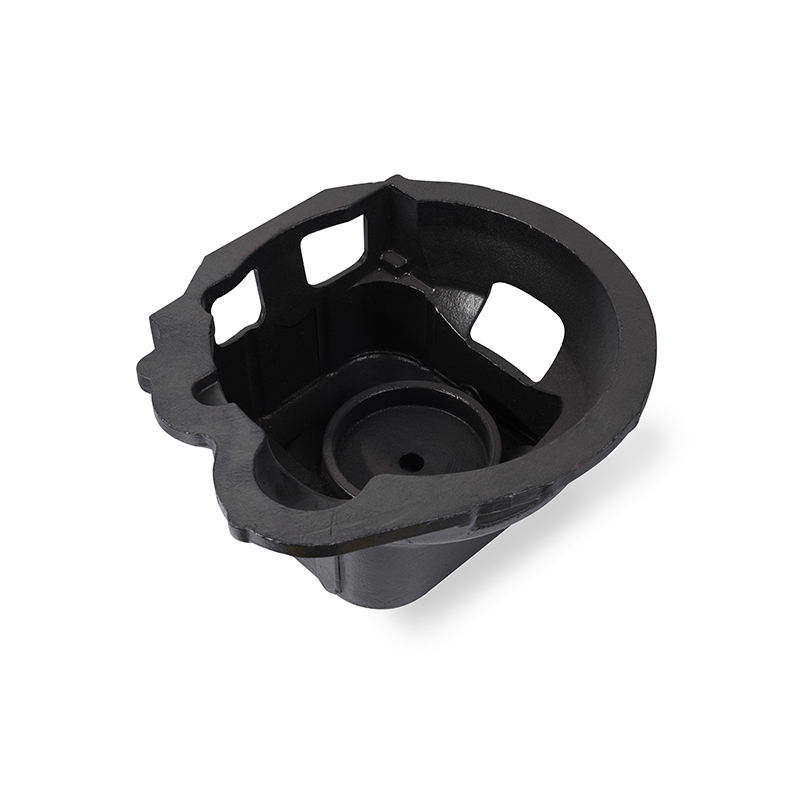
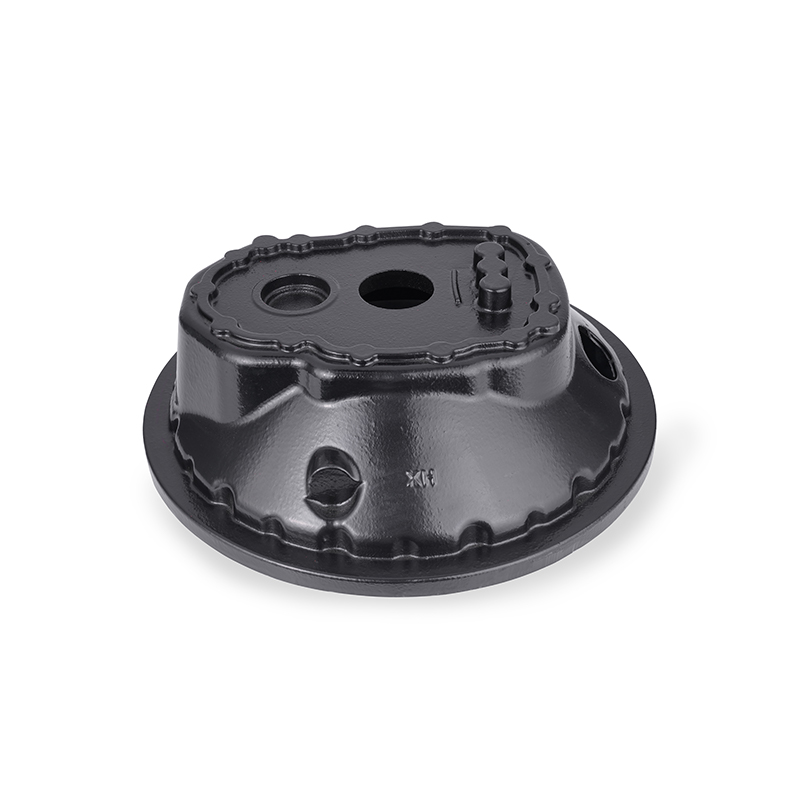
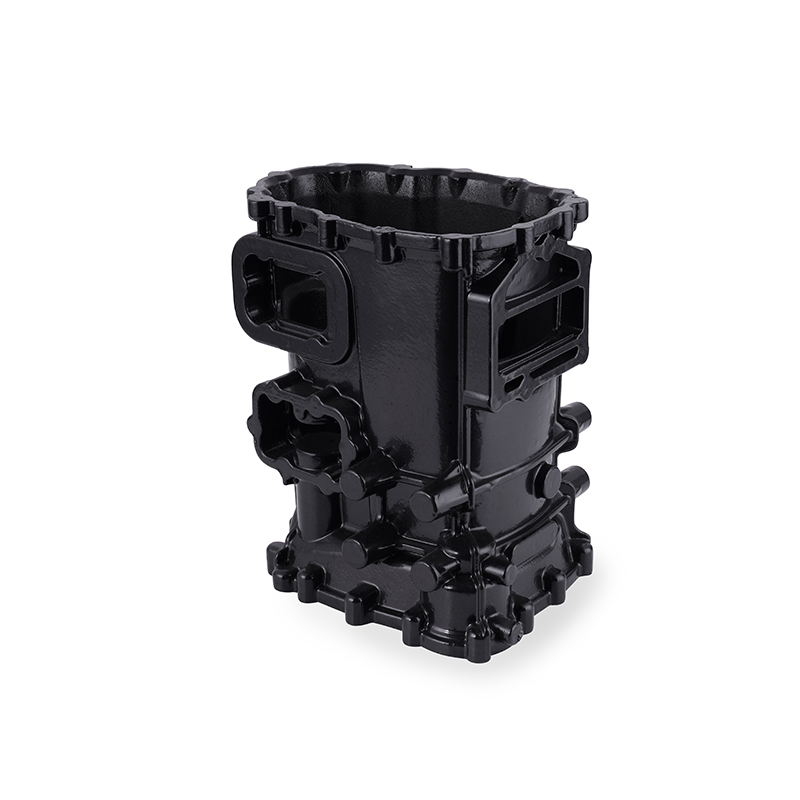
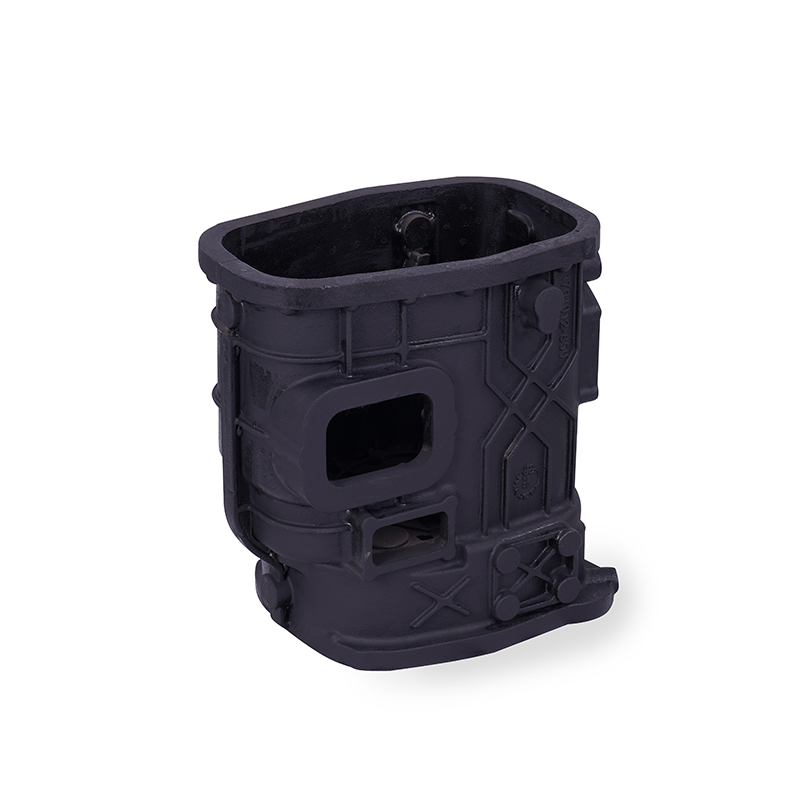
Cast iron’s microstructure, which contains graphite flakes embedded within a matrix of iron, is central to its mechanical properties. These graphite flakes allow the material to absorb shocks and vibrations, distributing stress evenly throughout the component and reducing the risk of fractures. This property is especially important in heavy machinery components like engine blocks, hydraulic pump housings, gearboxes, and structural brackets. Moreover, cast iron offers excellent compressive strength, enabling components to bear heavy static and dynamic loads without permanent deformation.
Another critical factor is cast iron’s thermal stability, which allows it to withstand temperature fluctuations and prolonged exposure to heat without losing structural integrity. Components such as engine blocks, cylinder heads, and exhaust manifolds made from cast iron maintain their shape even under continuous high-temperature operation. This reduces the likelihood of thermal fatigue, which can compromise efficiency and lead to costly downtime.
Cast iron’s high compressive strength is one of its most valuable attributes for construction machinery. Unlike materials that excel in tensile strength but fail under compression, cast iron is highly resistant to crushing forces. Heavy-duty equipment such as cranes and excavators relies on components like frames, axles, and hydraulic housings to handle enormous forces during lifting, digging, and movement. Using cast iron for these parts ensures that machinery can perform demanding tasks without the risk of deformation or structural failure.
The graphite flakes present in cast iron’s microstructure provide additional benefits beyond compressive strength. They act as internal shock absorbers, dispersing stress across the component and preventing localized failure points. This is crucial for components that are repeatedly subjected to dynamic loads and vibrations, such as track rollers, gear housings, and pivot points. Over time, uneven stress distribution can lead to fatigue cracks, but cast iron’s inherent structure reduces the occurrence of such failures, significantly enhancing the lifespan of construction equipment.
Construction machinery frequently operates in abrasive environments, encountering sand, gravel, dirt, and other materials that accelerate wear. Cast iron’s hardness and graphite content provide exceptional wear resistance, allowing surfaces to maintain their shape and functionality even under constant friction. Components like hydraulic pump housings, gears, and rollers benefit from this property, which reduces the need for frequent replacements and maintenance.
Furthermore, the self-lubricating properties of graphite in cast iron minimize friction between moving parts, ensuring smoother operation and maintaining system efficiency. This wear resistance not only prolongs component life but also contributes to the reliability of machinery in high-stress, high-abrasion settings.
Cast iron exhibits excellent thermal conductivity and stability, making it ideal for engine components and other parts exposed to high temperatures. Engine blocks, cylinder heads, and exhaust systems maintain dimensional stability under thermal cycling, which prevents warping, cracking, and thermal fatigue. This property ensures consistent performance over time, even in continuous heavy-duty applications such as excavation, material handling, and mining operations.
Thermal fatigue occurs when materials repeatedly expand and contract due to temperature changes, leading to cracks and eventual failure. Cast iron’s ability to tolerate thermal cycling allows critical components to remain functional without deformation or loss of mechanical properties. By minimizing thermal fatigue, cast iron extends both the service life and reliability of construction machinery.
Modern casting technologies have significantly improved the durability of cast iron components. Techniques such as ductile iron casting, controlled cooling, and centrifugal casting enable manufacturers to optimize the microstructure of cast iron parts, enhancing mechanical properties while reducing defects.
These advancements mean that cast iron components are no longer limited to static or low-stress applications. High-precision casting allows parts to perform reliably under extreme conditions, including heavy impact, continuous vibration, and abrasive environments. By combining traditional material properties with modern casting methods, construction machinery manufacturers can deliver equipment that performs consistently while requiring minimal maintenance.
High-quality cast iron components provide several advantages that directly improve machinery durability:
Comparison Table: Cast Iron Advantages for Construction Machinery
| Feature | Effect on Machinery |
|---|---|
| Compressive Strength | Handles heavy loads without deformation |
| Wear Resistance | Maintains functionality in abrasive environments |
| Shock Absorption | Reduces fatigue and structural damage |
| Thermal Stability | Prevents warping and thermal fatigue |
| Cost-Effectiveness | Reduces maintenance and replacement frequency |
| Safety | Minimizes risk of component failure |
Q1: Why is cast iron widely used in construction machinery?
Cast iron is preferred due to its high compressive strength, wear resistance, thermal stability, and cost-effectiveness, which ensure long-lasting, reliable machinery performance.
Q2: Which components are typically made from cast iron?
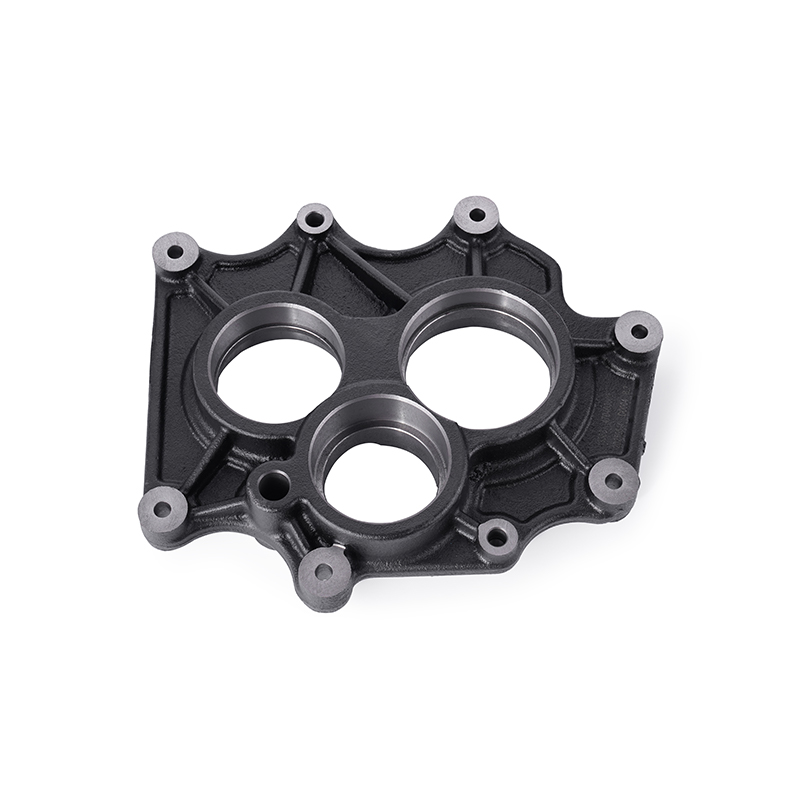
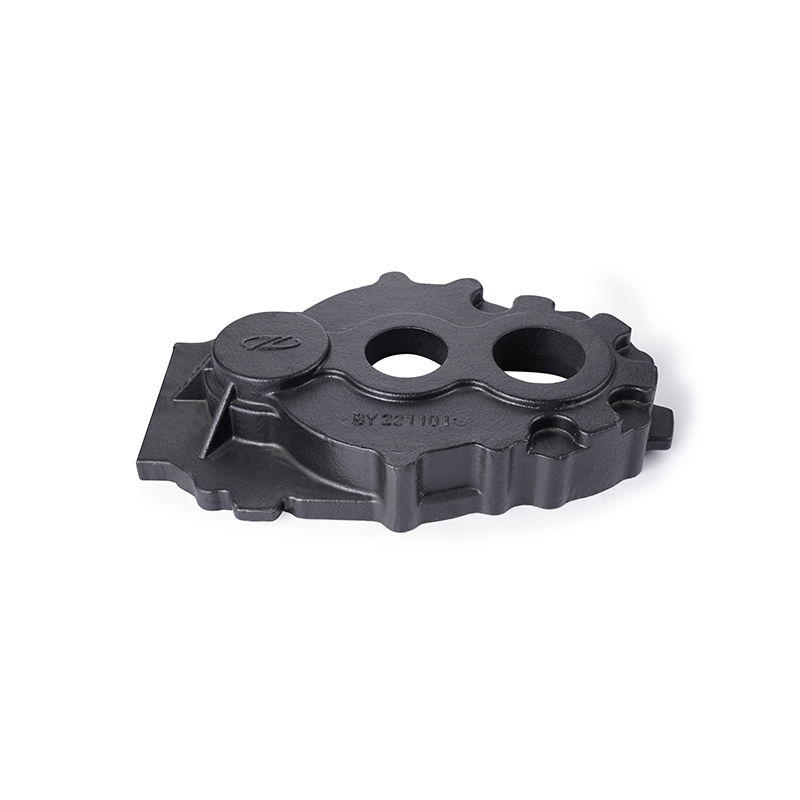
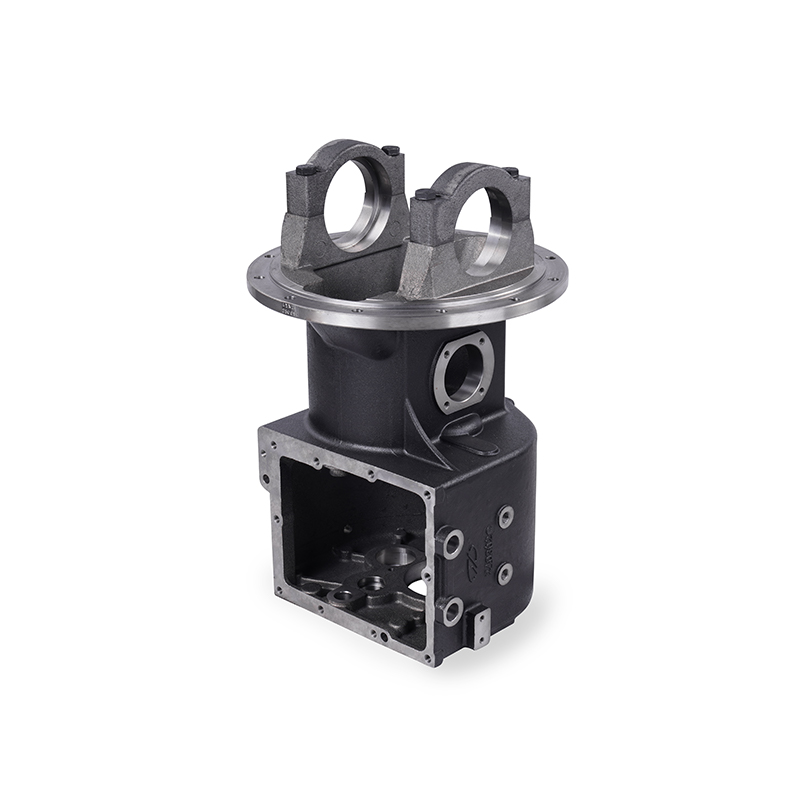
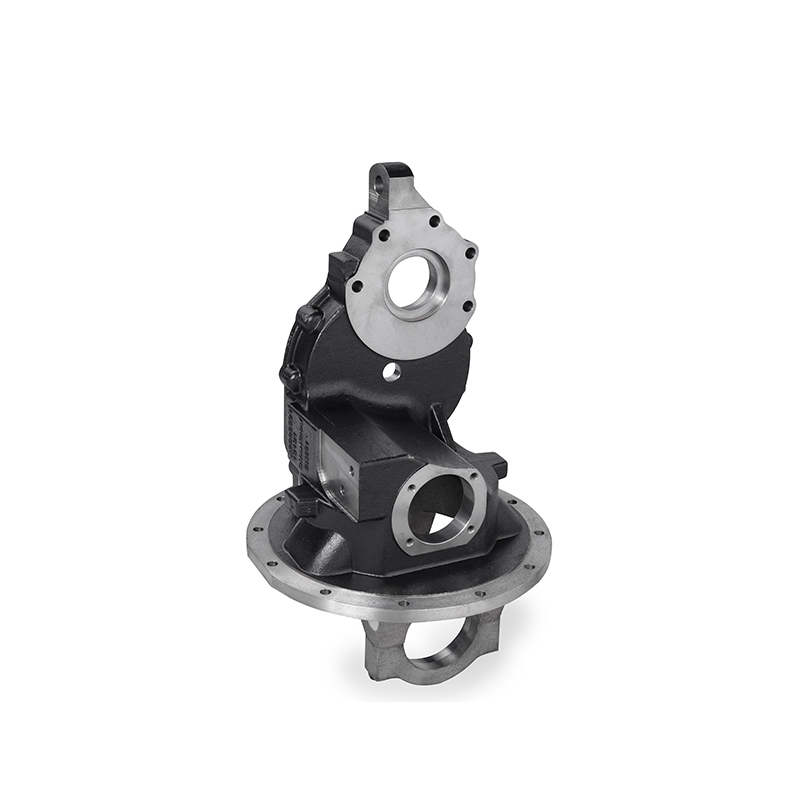
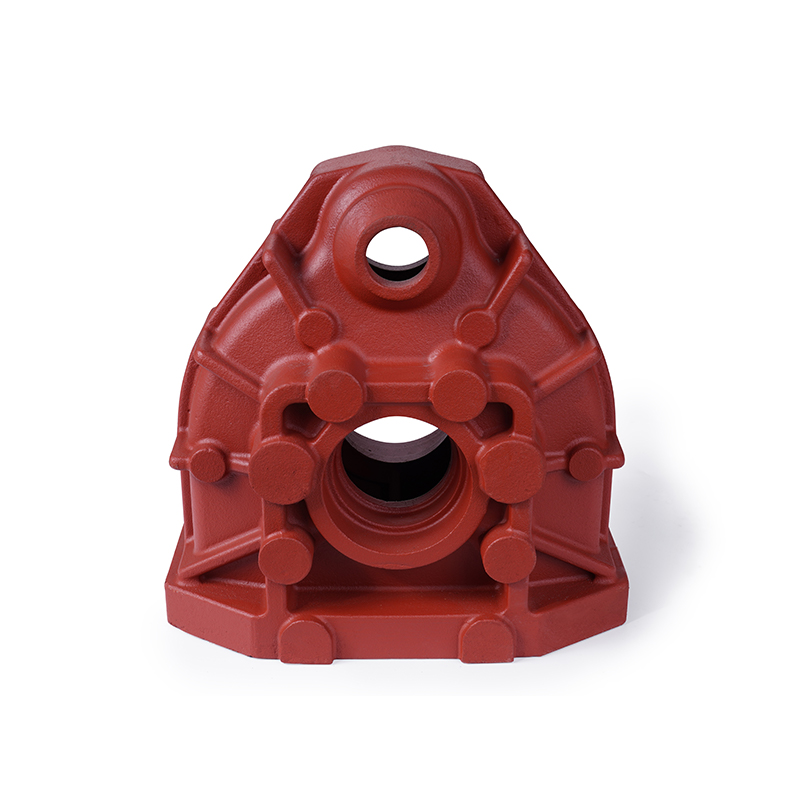
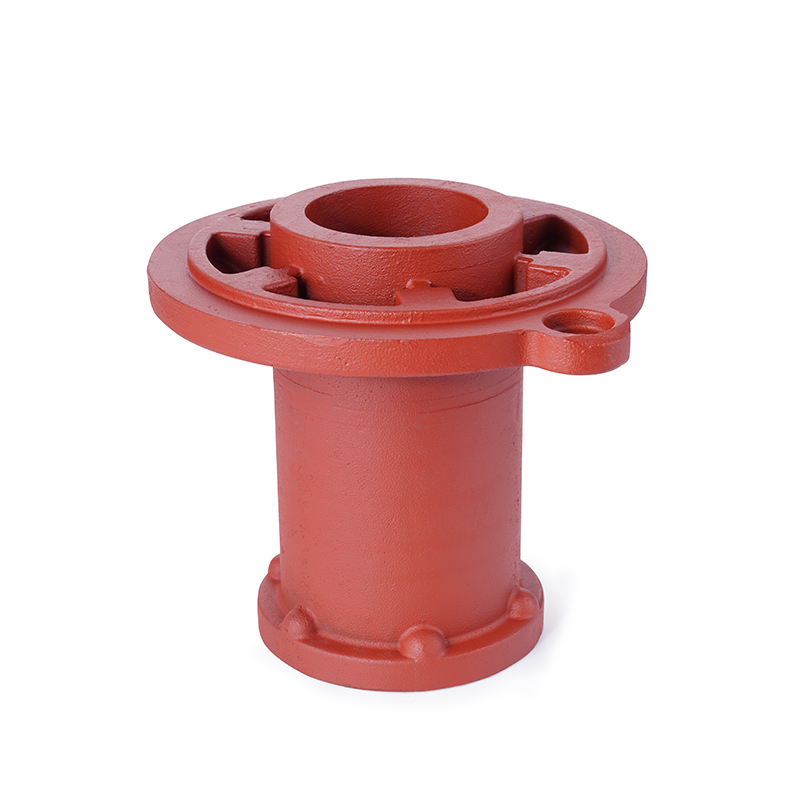
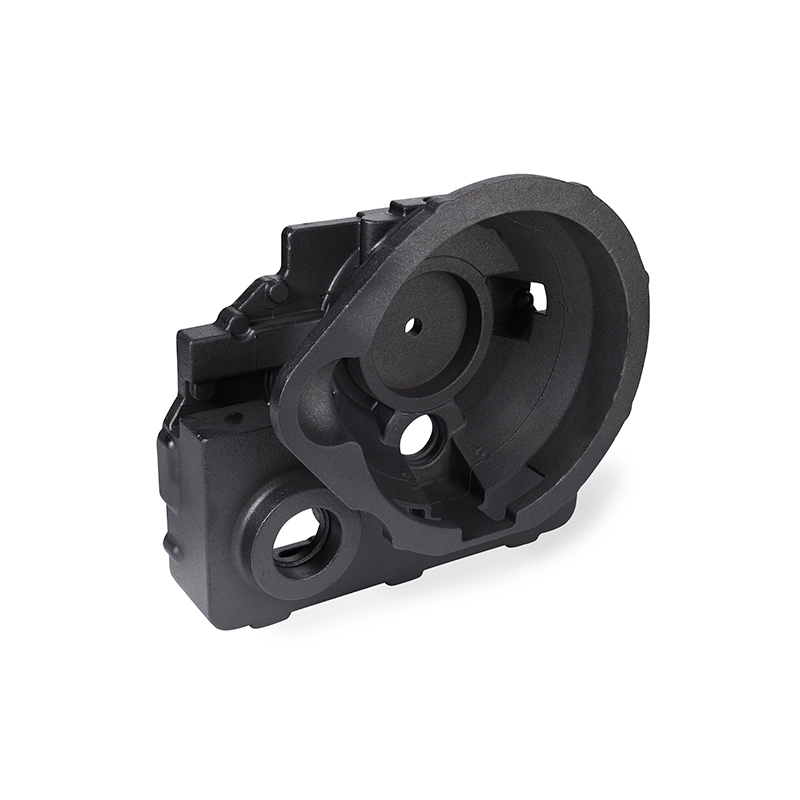
Common components include engine blocks, gear housings, hydraulic pump housings, brackets, axles, and track rollers.
Q3: How does cast iron reduce maintenance costs?
Its wear resistance and durability minimize component failure, reduce replacement frequency, and extend service intervals, lowering overall maintenance costs.
Q4: Are there different types of cast iron for construction equipment?
Yes. Gray cast iron, ductile (nodular) iron, and alloyed cast irons are used depending on the required strength, toughness, and wear resistance.
Q5: How do modern casting techniques improve durability?
Ductile iron casting, controlled cooling, and centrifugal casting optimize microstructure, reduce internal defects, and ensure uniform density, leading to more reliable, long-lasting components.
References:




 русский
 日本語
日本語