Cast iron casting is a vital process that plays a significant role in both the automotive and heavy machinery industries. Due to its excellent material properties, such as durability, castability, and strength, cast iron remains one of the most used materials for manufacturing heavy-duty components.
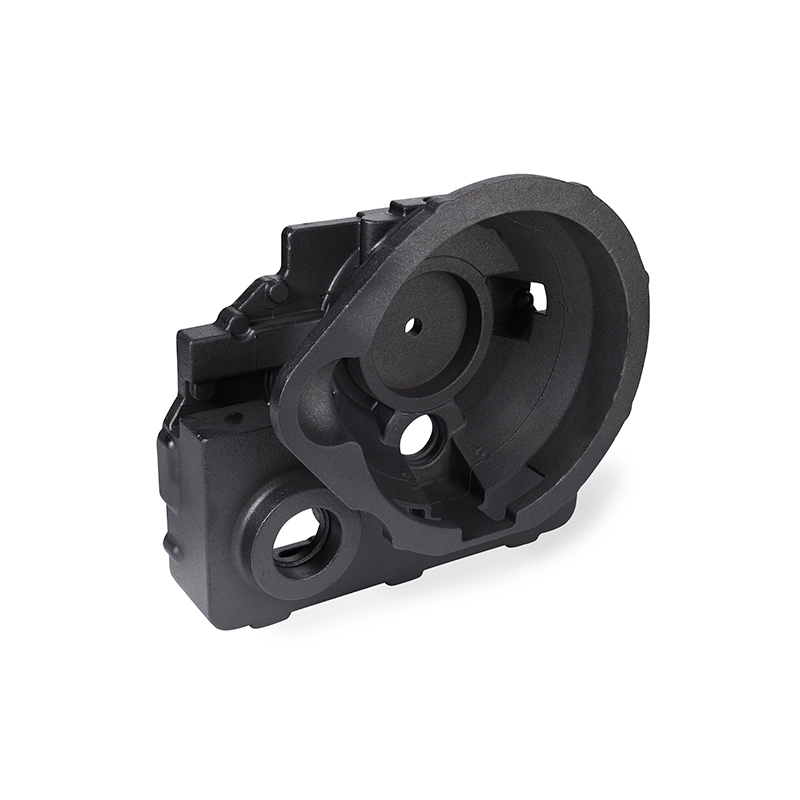
In the automotive sector, cast iron is widely used for manufacturing critical engine components. The material’s strength, heat resistance, and machinability make it the preferred choice for these high-performance applications.
Engine Blocks: Cast iron engine blocks are known for their ability to withstand the high stresses and temperatures generated in internal combustion engines. The material’s thermal conductivity ensures that heat is distributed evenly across the engine, reducing the risk of overheating. The robustness of cast iron also allows for easy machining to create the necessary cavities and channels for coolant and oil circulation.
Cylinder Heads: Similar to engine blocks, cast iron is frequently used for cylinder heads. The casting process allows for complex shapes and intricate features, including cooling channels and valve seats, making it ideal for mass production. Cast iron’s high resistance to wear makes it suitable for the harsh conditions found in engine operations.
Piston Liners and Crankshafts: Cast iron is also used in piston liners and crankshafts. The material’s high wear resistance and ability to maintain dimensional stability over time are critical in these components, where friction and pressure are constantly present.
In the automotive industry, cast iron is widely used in the manufacturing of brake components, especially brake rotors (discs), due to its excellent friction and heat dissipation properties.
Brake Discs (Rotors): Cast iron is the material of choice for brake discs because of its high heat capacity and excellent wear resistance. Brake rotors are exposed to extreme temperatures generated during braking, and cast iron’s ability to dissipate heat efficiently helps prevent brake fade (loss of braking power). Cast iron also provides a consistent friction surface, which is essential for reliable braking performance.
Brake Drums: In addition to brake discs, cast iron is also used to manufacture brake drums in some vehicles. Like brake discs, the material’s high strength and durability make it ideal for heavy-duty braking applications, particularly in commercial vehicles or older models of cars.
Chassis parts such as suspension components and structural support elements are crucial to the safety and performance of a vehicle. Cast iron is often used in these components due to its strength and ability to absorb shock.
Suspension Components: Cast iron is used for parts such as control arms, spindles, and subframes. These components must withstand significant stress and impact during driving, especially when traversing rough terrains. Cast iron’s shock absorption properties help reduce vibrations and increase the overall comfort of the vehicle.
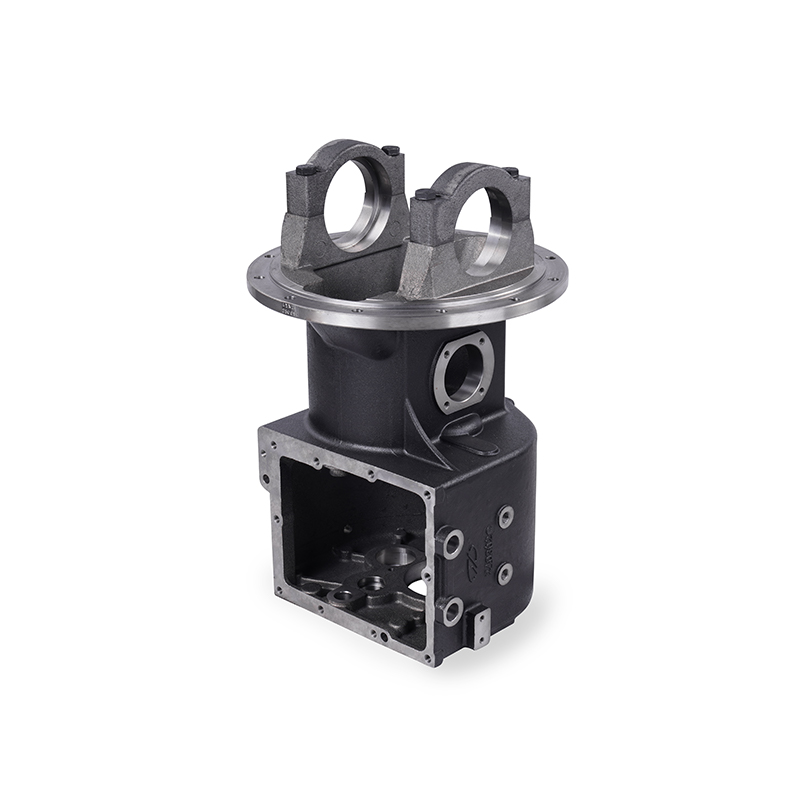
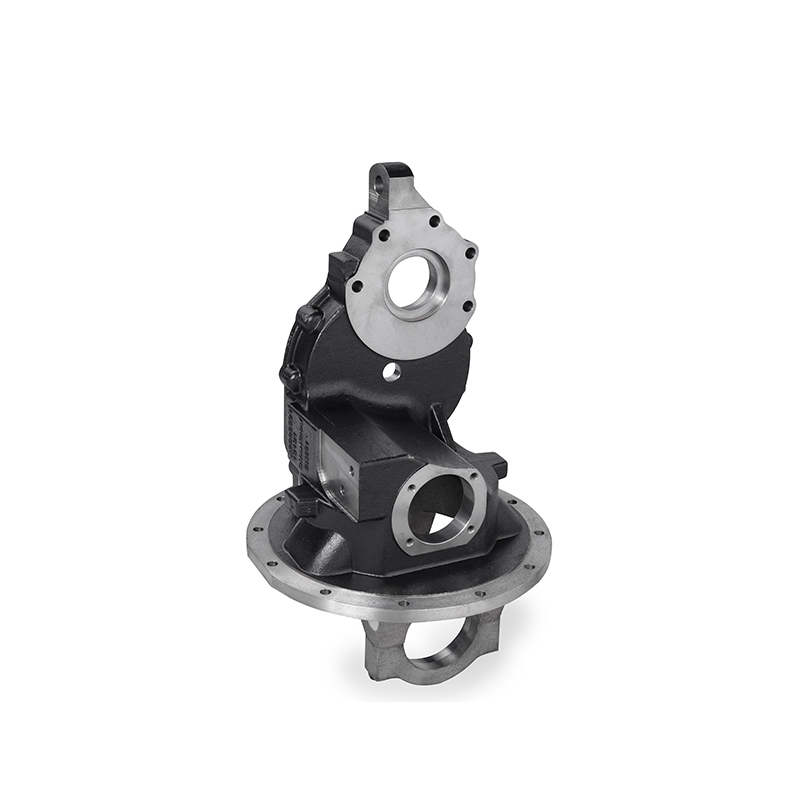
Differential Housings: The differential is a crucial component in a vehicle’s drivetrain system, responsible for transmitting torque to the wheels. Cast iron is commonly used for differential housings because it provides the required strength and resistance to wear and tear under heavy load conditions.
Heavy machinery requires robust materials capable of supporting large loads and absorbing significant vibrations. Cast iron excels in these areas, making it a popular choice for manufacturing machine frames and other large industrial components.
Machine Tool Frames: Cast iron is often used for the frames of machines such as lathes, milling machines, and CNC machines. The material’s inherent damping properties help reduce vibrations during the machining process, which is critical for maintaining precision and quality in manufacturing.
Hydraulic Cylinders: Many heavy-duty hydraulic systems, such as those used in construction equipment or industrial machinery, rely on cast iron for their cylinders. Cast iron’s strength allows it to withstand high-pressure environments without compromising performance.
In industrial applications, pumps and valves are essential for fluid and gas movement. Cast iron is widely used in these components due to its strength, corrosion resistance, and cost-effectiveness.
Pumps: Cast iron is commonly used for manufacturing pump housings and casings. Pumps often operate in high-pressure environments and can be subject to corrosion due to exposure to various chemicals and fluids. Cast iron’s durability ensures that these components last longer and perform reliably.
Valves: Valves in heavy machinery, such as those used in oil and gas systems, water treatment plants, or power plants, are frequently made from cast iron. The material’s strength and wear resistance make it ideal for high-stress applications where valve performance is critical.
Cast iron is commonly used in the power generation industry, particularly in equipment that requires the ability to withstand high temperatures and mechanical stress.
Steam Turbines and Boilers: In power plants, cast iron is used for manufacturing turbine housings, boiler casings, and other structural components. Cast iron’s excellent resistance to heat and thermal shock makes it ideal for these applications, where extreme temperatures and pressure fluctuations are common.
Gearboxes: Cast iron is also utilized for making gearboxes in power generation and other heavy machinery. The material’s ability to resist wear and its capacity for bearing heavy loads make it an ideal choice for these critical components.
Heavy machinery often requires large, sturdy components to support its structural integrity. Cast iron is used in these components due to its superior strength and resistance to wear and tear.
Heat exchangers are used to transfer heat from one medium to another, and they are essential in both automotive and heavy machinery applications. Cast iron is frequently used for heat exchangers due to its thermal conductivity and resistance to thermal cycling.
Automotive Radiators: In automotive cooling systems, cast iron is used in the construction of heat exchangers, particularly in older vehicles or heavy-duty trucks. The material’s excellent thermal conductivity ensures that the engine remains cool under extreme conditions.
Industrial Heat Exchangers: In the heavy machinery industry, cast iron heat exchangers are commonly used in systems that require the efficient transfer of heat between fluids, such as those found in power plants and chemical processing facilities.
| Industry | Application | Cast Iron Components | Benefits |
|---|---|---|---|
| Automotive | Engine Parts | Engine blocks, cylinder heads, pistons | Durability, heat resistance, machinability |
| Automotive | Brake Components | Brake discs (rotors), brake drums | Heat dissipation, wear resistance, friction properties |
| Automotive | Chassis Parts | Suspension components, differential housings | Shock absorption, strength under stress |
| Heavy Machinery | Machine Tools | Machine frames, hydraulic cylinders | Vibration damping, load-bearing capacity |
| Heavy Machinery | Pumps and Valves | Pump housings, valve bodies | Strength, corrosion resistance, durability |
| Heavy Machinery | Power Generation Equipment | Turbine housings, boiler casings | Heat resistance, high pressure endurance |
| Heavy Machinery | Structural Components | Crane frames, excavator supports | High strength, wear resistance |
| Automotive & Heavy Machinery | Heat Exchangers | Radiators, industrial heat exchangers | Thermal conductivity, durability in extreme conditions |




 русский
 日本語
日本語