Iron die casting is a metalworking process used to produce highly detailed and precision-engineered parts made from molten iron. This method involves injecting molten iron into a mold (or die) under high pressure, where it solidifies into the desired shape. It is a manufacturing process that offers many advantages, including high precision, high strength, and suitability for mass production, making it especially useful in industries like automotive, aerospace, and machinery.
Iron die casting is a form of casting where molten metal is injected into a mold at high pressure, forming intricate and detailed parts. The process is highly automated and capable of producing large quantities of parts in a relatively short amount of time. The key steps in the iron die casting process are as follows:
The first step in iron die casting is the preparation of the mold, often called a die. These molds are typically made from high-strength steel to withstand the pressure and temperature of the molten iron. The mold can be a single cavity (for producing one part per cycle) or multi-cavity (for producing several parts at once).
In addition to the die, a release agent is applied to prevent the molten metal from sticking to the mold. The die is designed to allow for easy ejection of the finished part after it has cooled.
Once the mold is ready, molten iron is injected into it under very high pressure (usually 1,500 to 30,000 psi). This pressure ensures that the molten metal fills every part of the mold, even the most intricate details. The injection process is extremely fast, allowing the molten iron to flow into the cavities in a matter of milliseconds.
The temperature of the molten iron is crucial; it typically ranges between 1,400°C to 1,500°C (2,550°F to 2,730°F), depending on the alloy being used. The high temperature ensures that the iron remains in a liquid state long enough to fully fill the mold before cooling begins.
After the molten iron is injected into the mold, it begins to cool and solidify. The cooling process occurs quickly because the steel mold acts as a heat sink, drawing heat away from the molten iron. The speed at which cooling occurs can significantly affect the final properties of the casting, such as strength and hardness.
The cooling time varies depending on the size and complexity of the part being cast. For larger parts, cooling may take several minutes, while smaller, simpler parts cool much faster.
Once the part has cooled and solidified, the mold is opened, and the casting is ejected. The die casting process may leave a small amount of extra material, called flash, around the edges of the part. This is removed through a trimming process.
In many cases, additional post-processing steps are required, such as machining, surface finishing, or coating, to achieve the final desired properties and aesthetics.
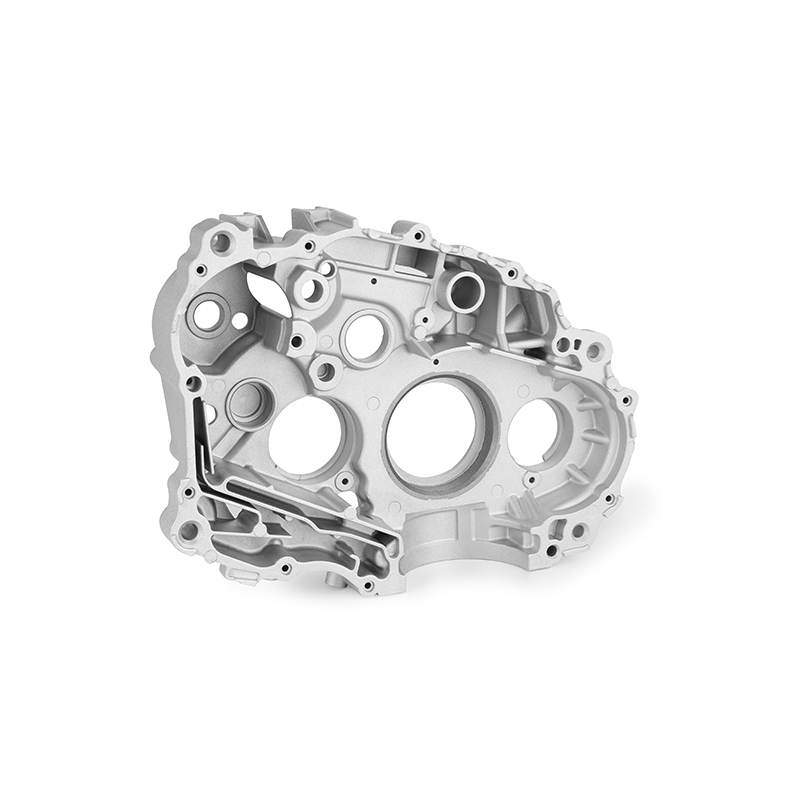
Iron die casting is a popular choice for manufacturers due to its many benefits. Let’s take a look at some of the most significant advantages this process offers.
Iron castings, especially those made from gray iron or ductile iron, are known for their strength and resistance to wear and tear. This makes them ideal for applications where the parts will be subjected to heavy loads or harsh operating conditions. For example, many automotive and industrial machinery components are produced using iron die casting because they need to perform reliably over long periods of time.
One of the key benefits of iron die casting is its ability to produce highly complex shapes with fine details. Unlike traditional machining processes, which often require multiple steps to achieve the desired geometry, die casting allows manufacturers to produce intricate features, such as thin walls, detailed surfaces, and internal passages, all in a single step.
This is particularly beneficial for industries such as aerospace and automotive, where lightweight, complex parts with tight tolerances are often required.
Iron die casting is highly efficient for large-scale production. Once the molds are created, they can be used to produce thousands or even millions of parts with minimal downtime. This makes the process ideal for mass production, where consistency and high throughput are critical.
Additionally, because the process is automated, labor costs can be lower compared to other manufacturing methods, contributing to overall cost savings.
The initial setup costs for iron die casting—such as mold creation—can be high. However, these costs are spread over a large number of parts, making the process very cost-effective when producing parts in high volumes. The more parts you produce, the lower the cost per unit, which is why die casting is so popular in industries that require mass production, such as the automotive industry.
Moreover, iron die casting reduces material waste compared to processes like machining, where the majority of the material is cut away. In die casting, the metal is injected directly into the mold, and very little is left behind.
Because molten iron is injected under high pressure, iron die casting produces parts with a smooth, high-quality surface finish. The fine details of the mold are transferred precisely to the final part, resulting in a surface that requires little to no additional finishing.
For many applications, the surface finish from the die casting process is sufficient without needing further processing. However, in some cases, additional surface treatments such as painting, powder coating, or anodizing may be applied to enhance the aesthetics or corrosion resistance.
The precision of the iron die casting process means that very little material is wasted. The molds are designed to ensure that the exact amount of molten metal is injected into each cavity. Any excess material, such as flash, can be easily removed and recycled. This makes iron die casting a highly efficient process in terms of material usage, which can contribute to lower production costs and a smaller environmental footprint.
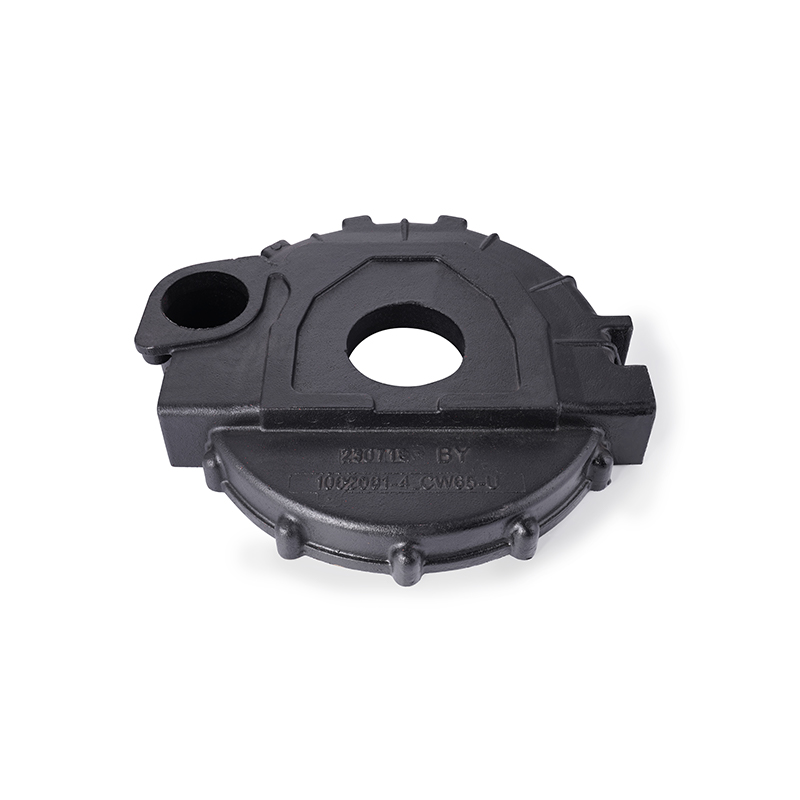
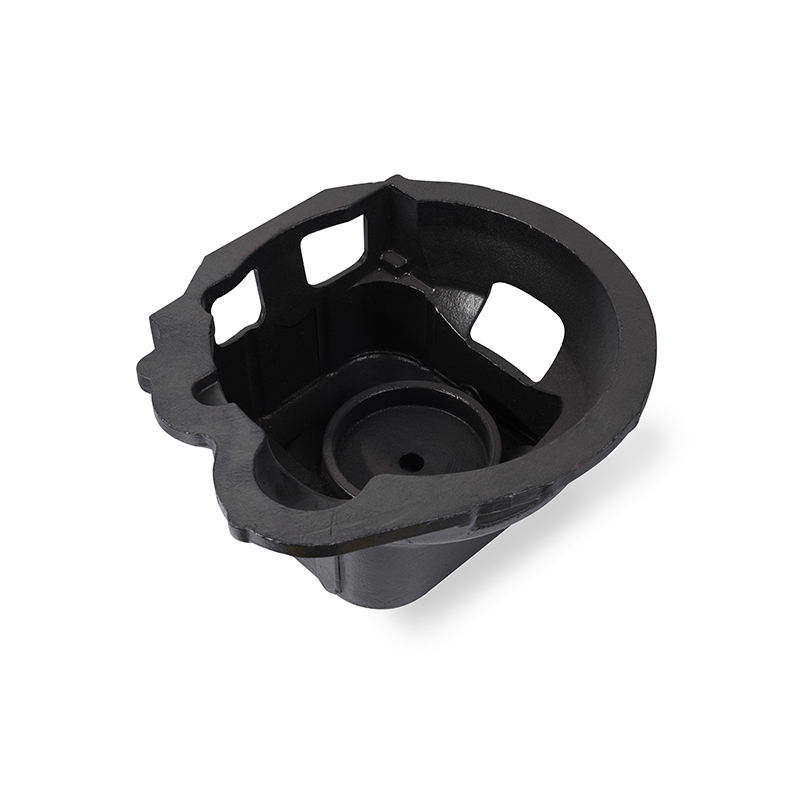
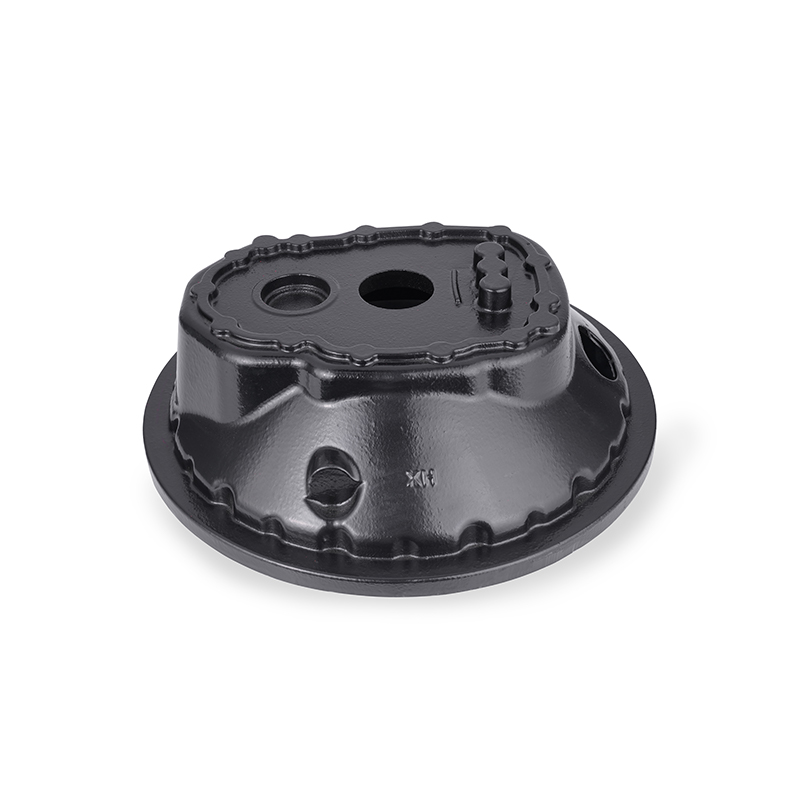
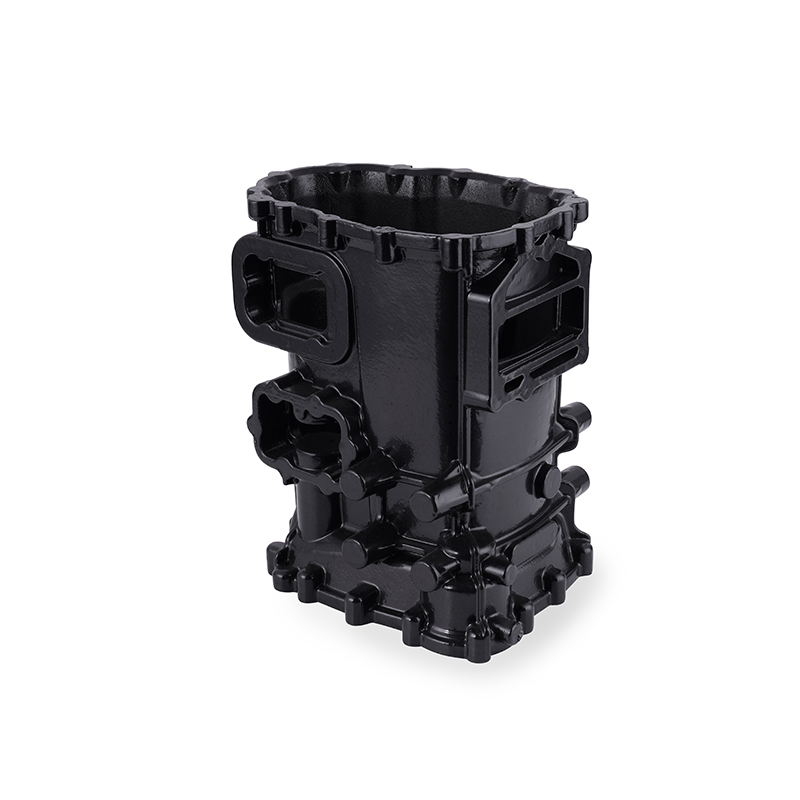
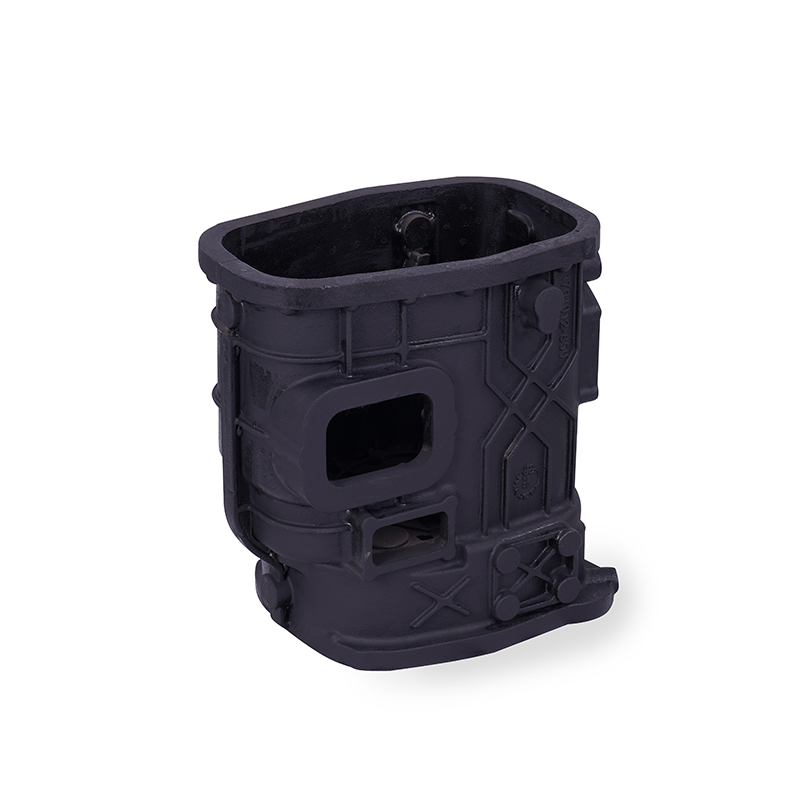
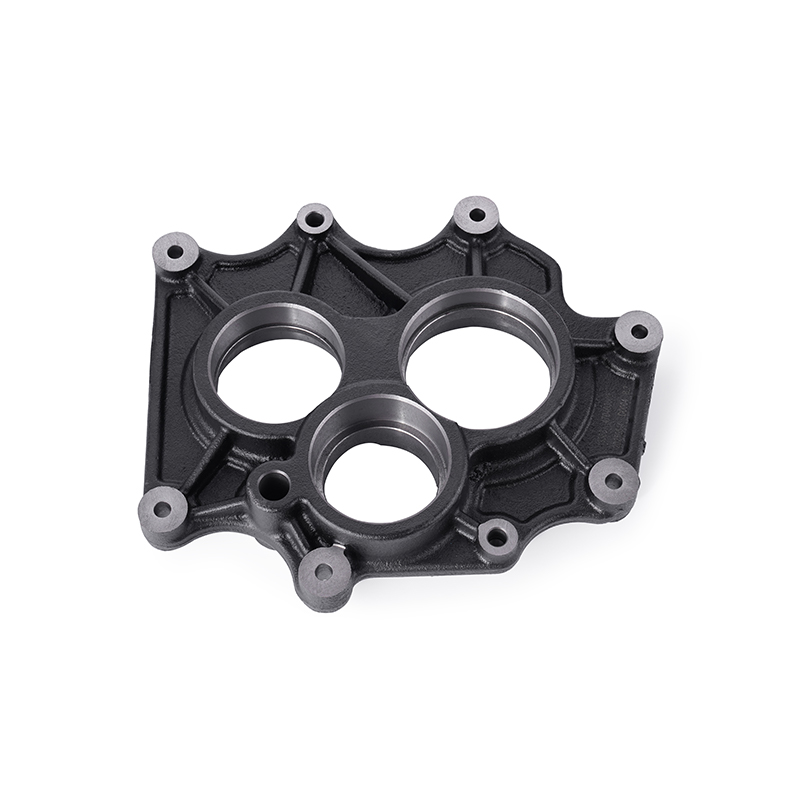
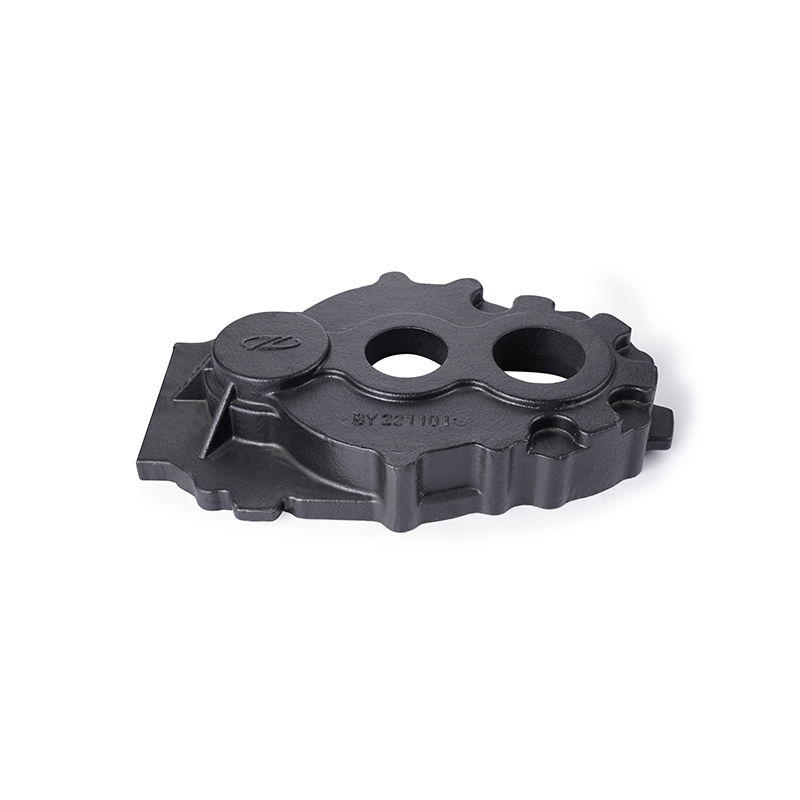
Iron die casting is used in a wide range of industries, from automotive to construction, electronics, and even defense. Its versatility is due to its ability to create parts that need to withstand high temperatures, heavy loads, or corrosive environments. For example, parts for engines, pumps, valves, and structural components can all be effectively made using iron die casting.
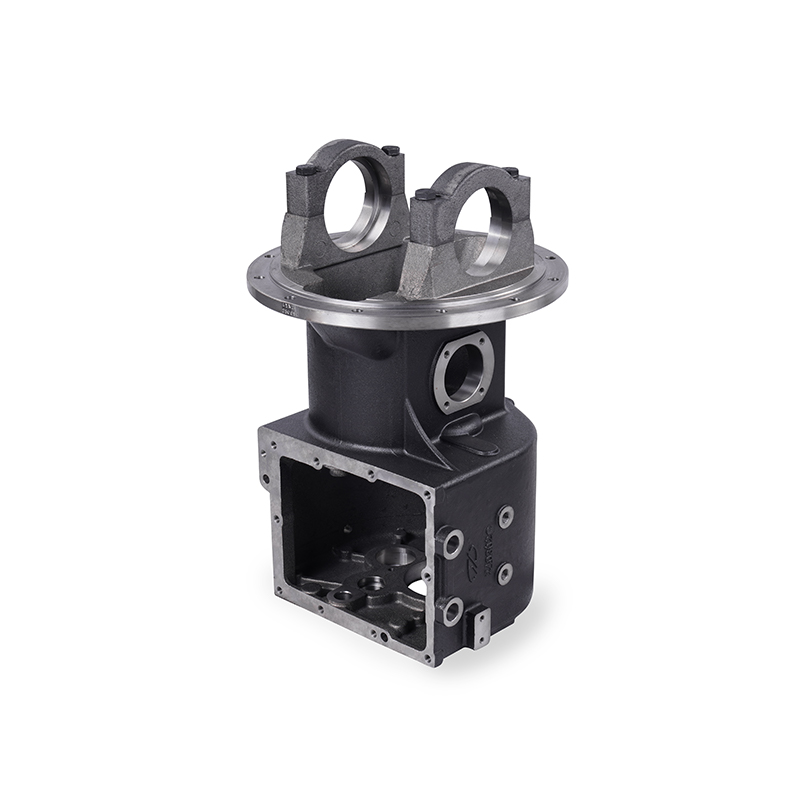
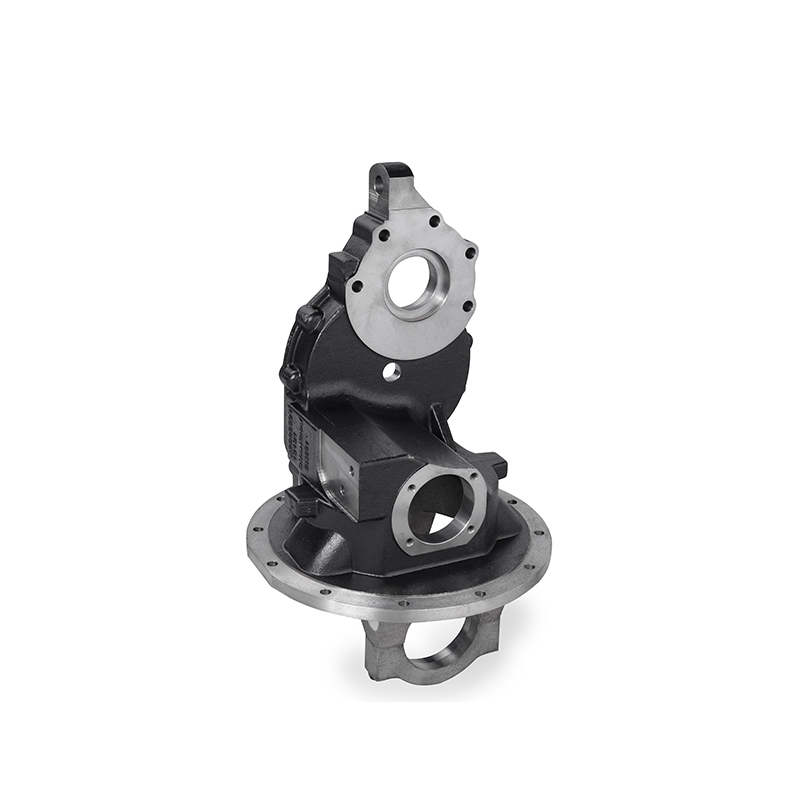
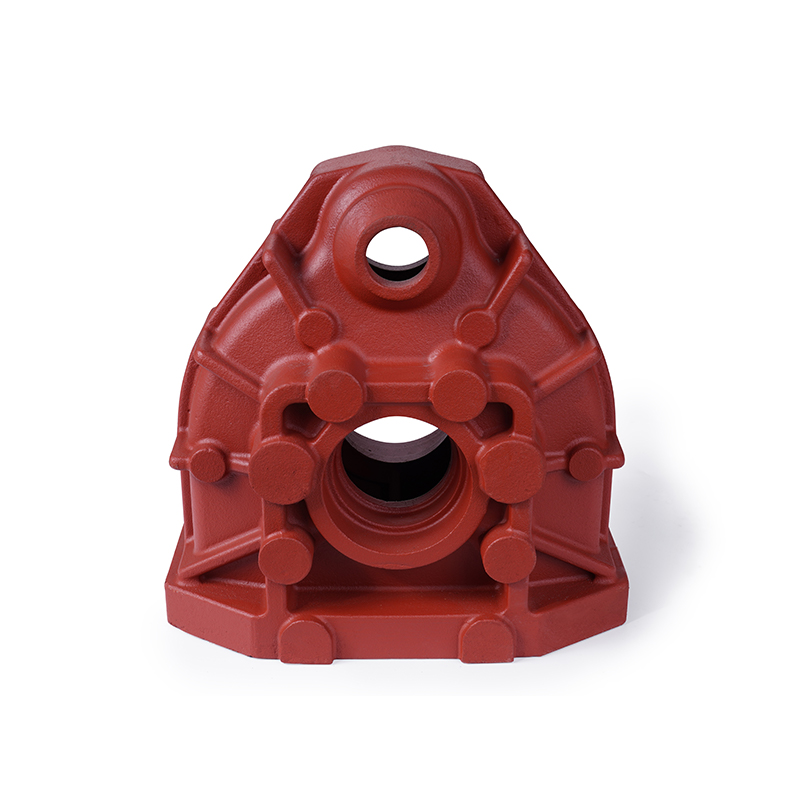
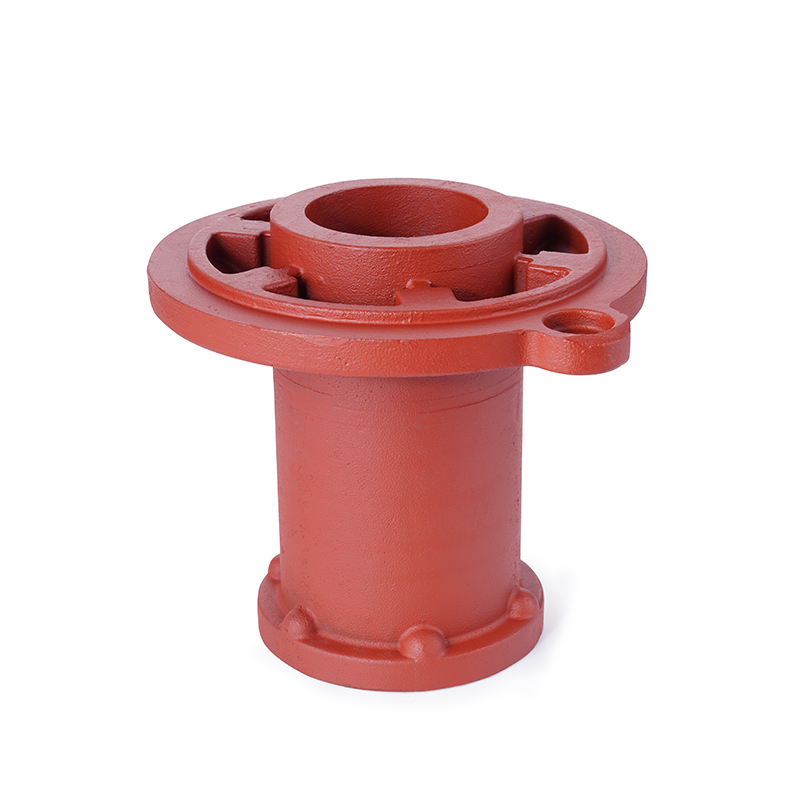
Iron die casting is used in many industries to create parts with specific requirements. Some of the most common applications include:




 русский
 日本語
日本語