Cast iron casting is a manufacturing process in which molten iron — typically containing 2% to 4% carbon along with silicon, manganese, and trace elements — is poured into a mold and allowed to solidify into a finished or near-finished shape. The direct answer to why it matters: cast iron casting remains one of the most cost-effective ways to produce complex, wear-resistant, and vibration-dampening components at scale, and it still accounts for a substantial share of global metal casting output because no other common material matches its combination of castability, machinability, and price.
According to industry casting statistics, cast iron (gray and ductile combined) makes up over 60% of total global casting production by weight, far ahead of aluminum, steel, or copper-based alloys. This dominance is not accidental — it stems from the specific mechanical and economic properties explained below.
The process follows a consistent sequence regardless of the final part's complexity. Understanding each stage helps buyers and engineers evaluate supplier capability and part quality.
The cooling rate directly controls whether carbon forms as graphite flakes, nodules, or remains combined as cementite. This is the single most important variable separating gray iron from white iron or ductile iron, which is why foundries closely monitor mold thickness, pouring temperature, and section size during production.
Not all cast iron is the same. Selecting the right type is often the difference between a part that lasts decades and one that fails prematurely.
| Type | Key Characteristic | Typical Tensile Strength | Common Use |
|---|---|---|---|
| Gray Iron | Graphite flakes, excellent vibration damping | 150–400 MPa | Engine blocks, pipes, machine bases |
| Ductile (Nodular) Iron | Spherical graphite, higher toughness | 400–800 MPa | Crankshafts, gears, pipe fittings |
| White Iron | Carbides present, very hard and brittle | 200–450 MPa | Crusher liners, grinding balls |
| Malleable Iron | Heat-treated white iron, improved ductility | 300–570 MPa | Pipe fittings, small brackets |
Manufacturers continue to specify cast iron for a defined set of practical reasons rather than tradition alone.
Cast iron casting appears in nearly every heavy manufacturing sector, largely because of the mechanical properties described above.
Engine blocks, cylinder heads, brake rotors, and disc calipers are frequently cast in gray or ductile iron because they must tolerate high heat, friction, and vibration for extended service life.
Ductile iron pipes are standard for municipal water and sewage systems, valued for corrosion resistance and pressure ratings that can exceed 250 psi in many municipal specifications.
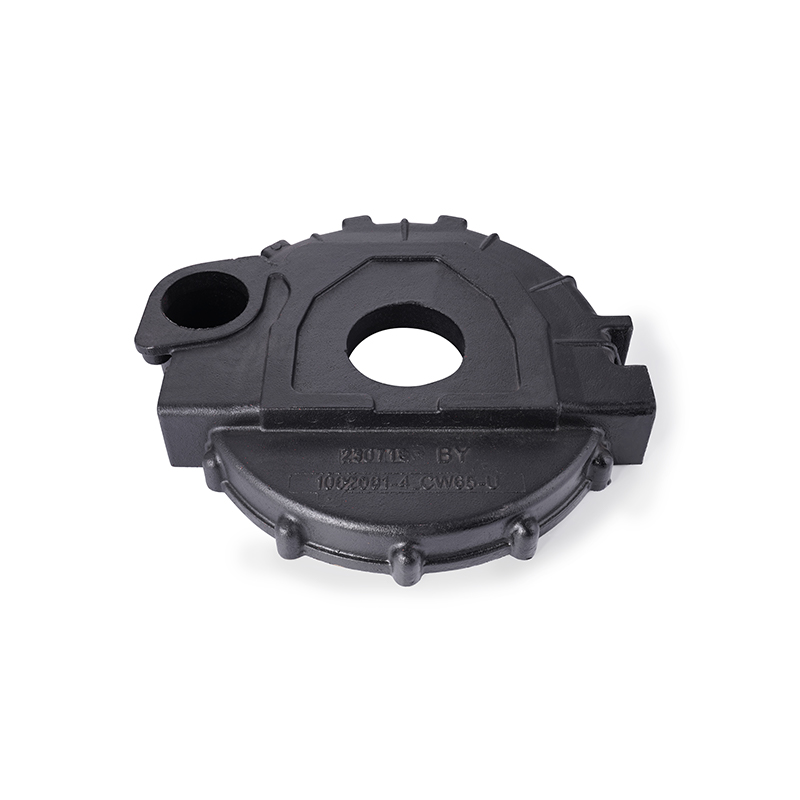
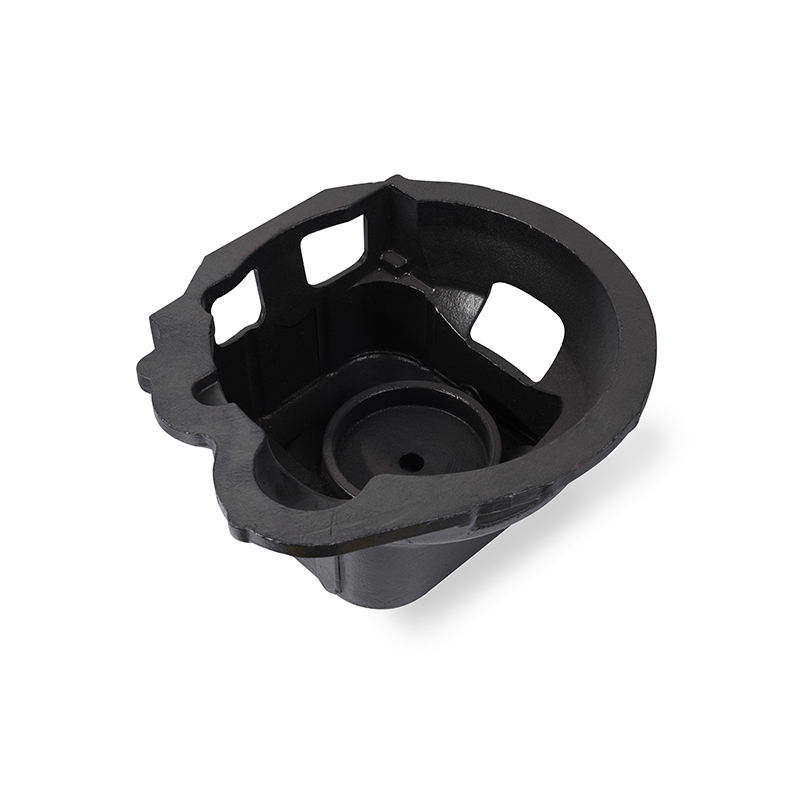
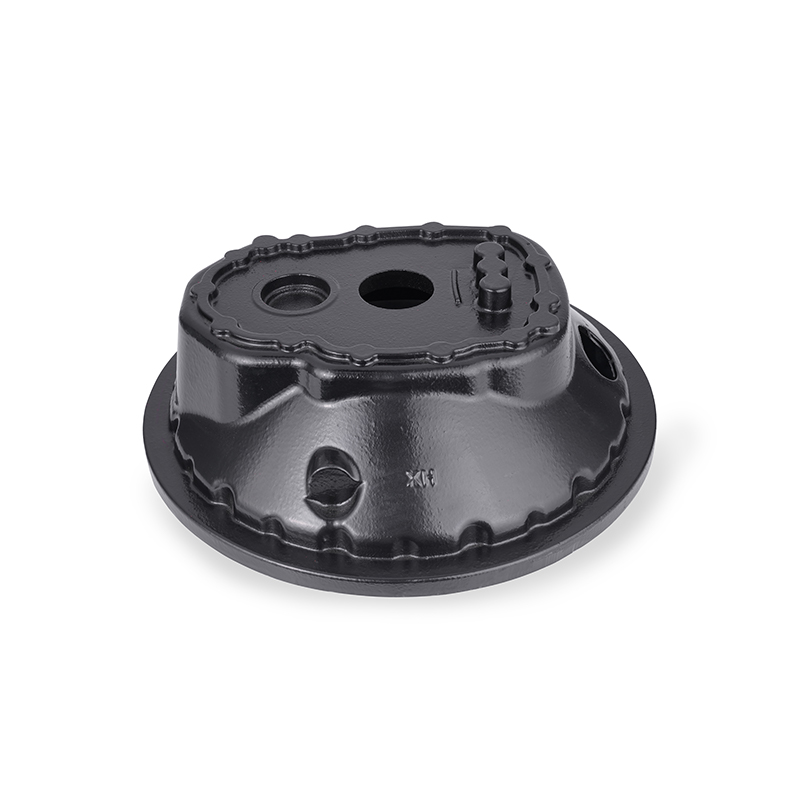
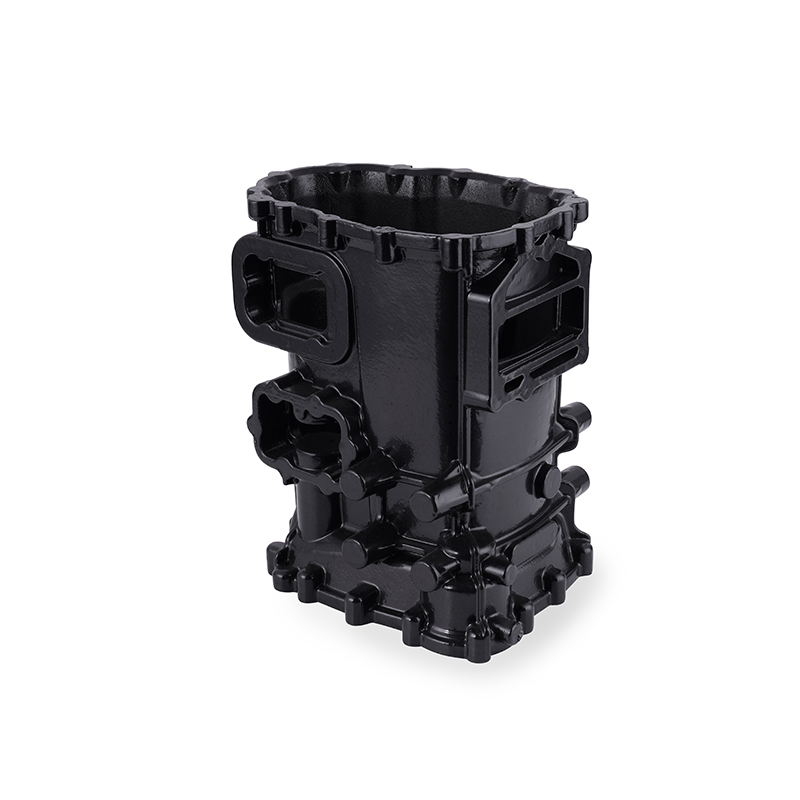
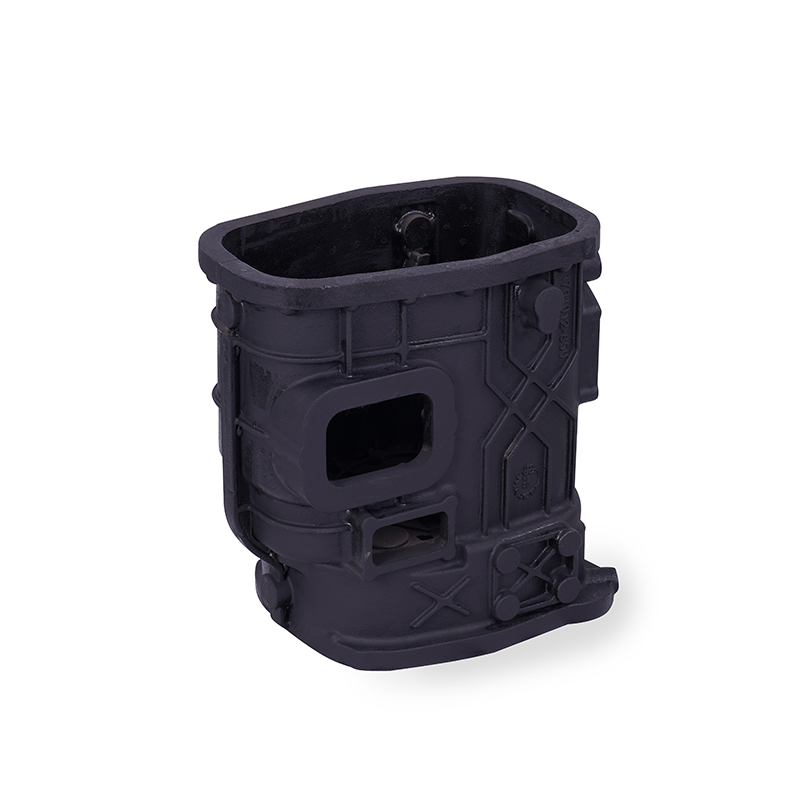
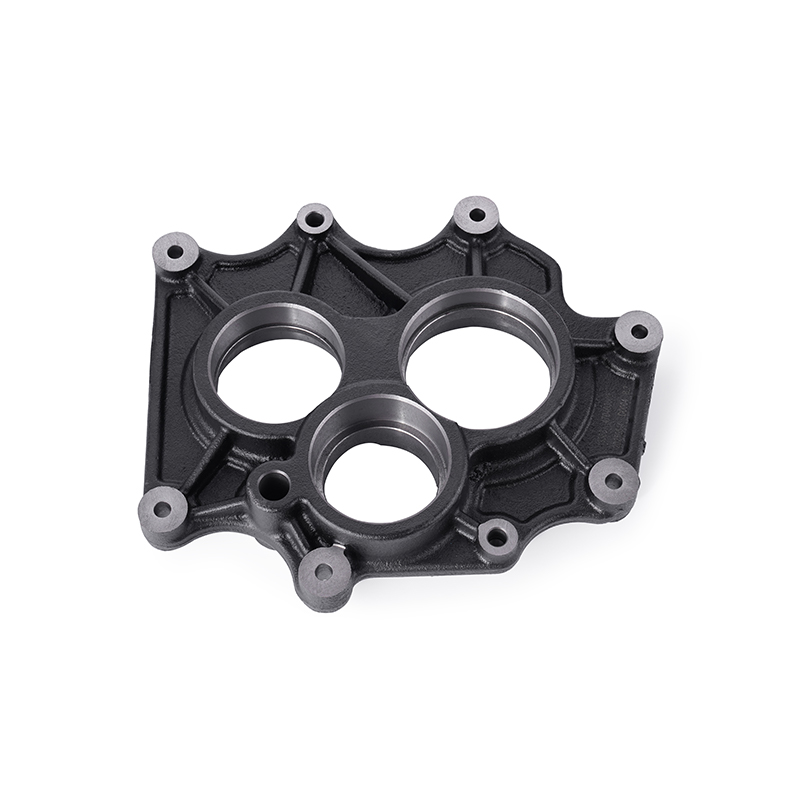
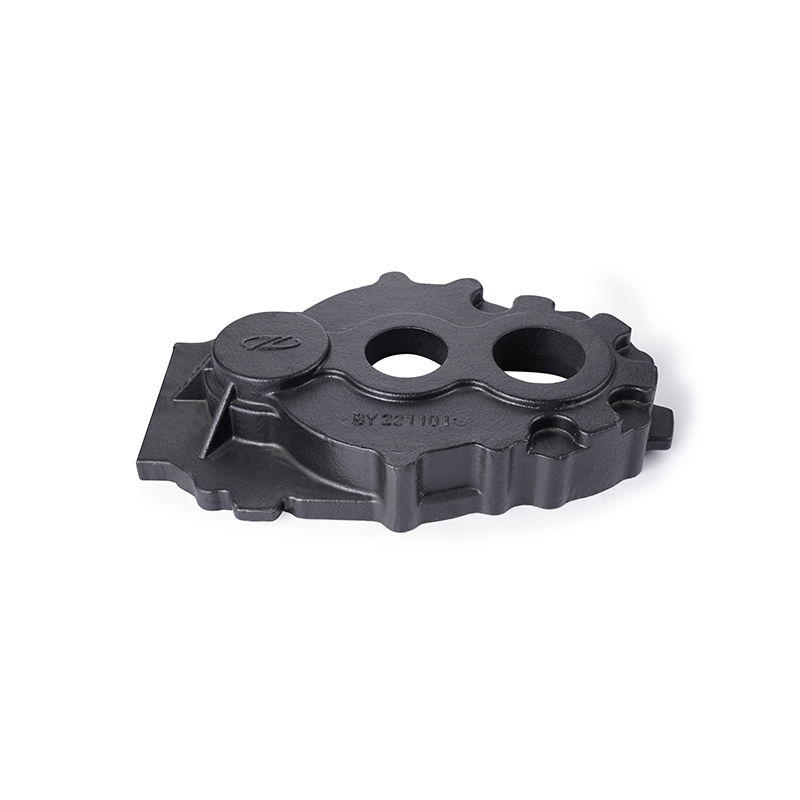
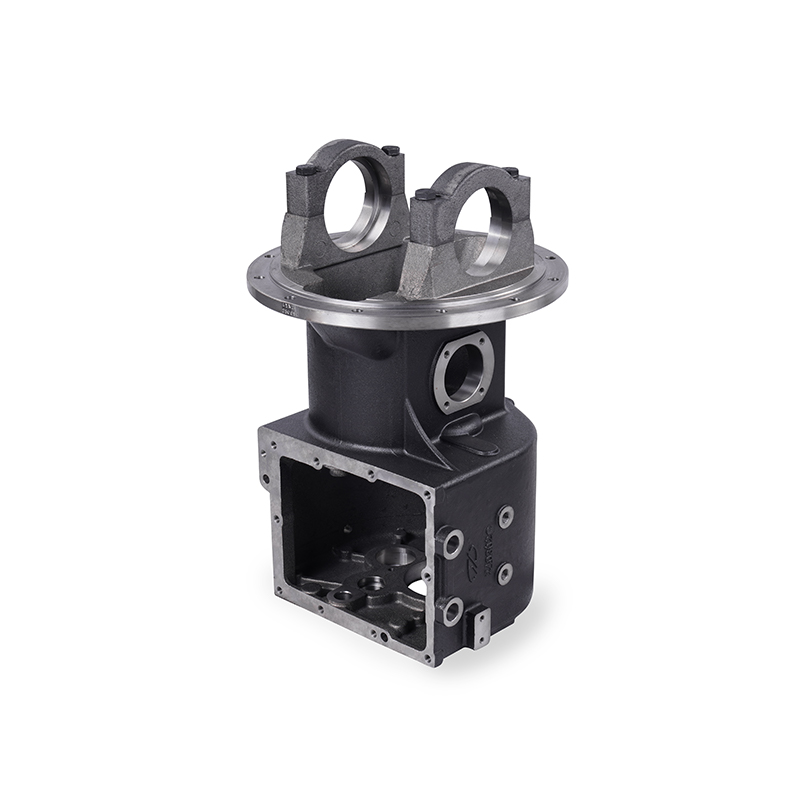
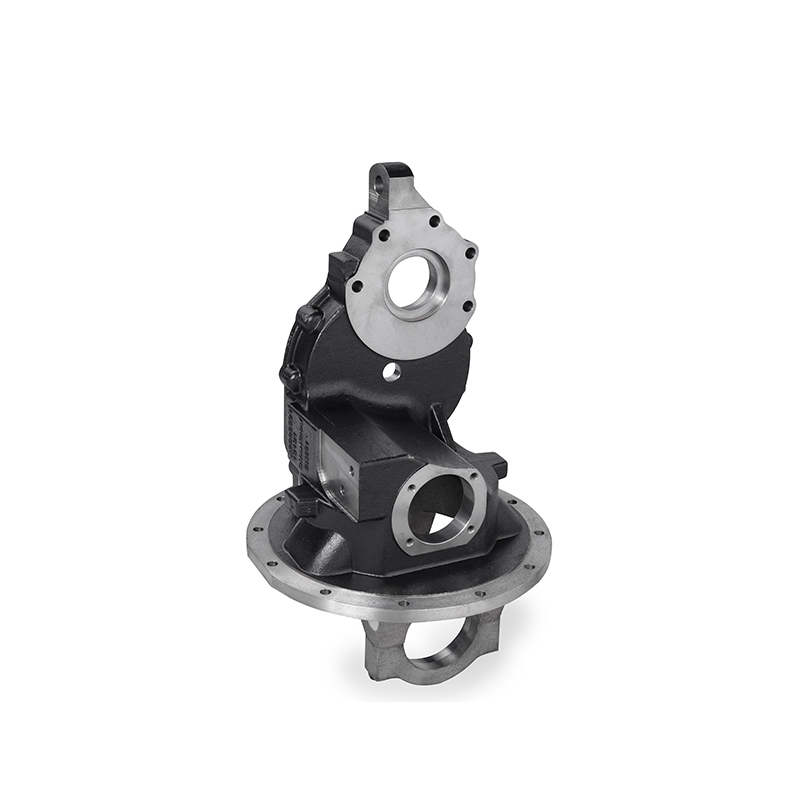
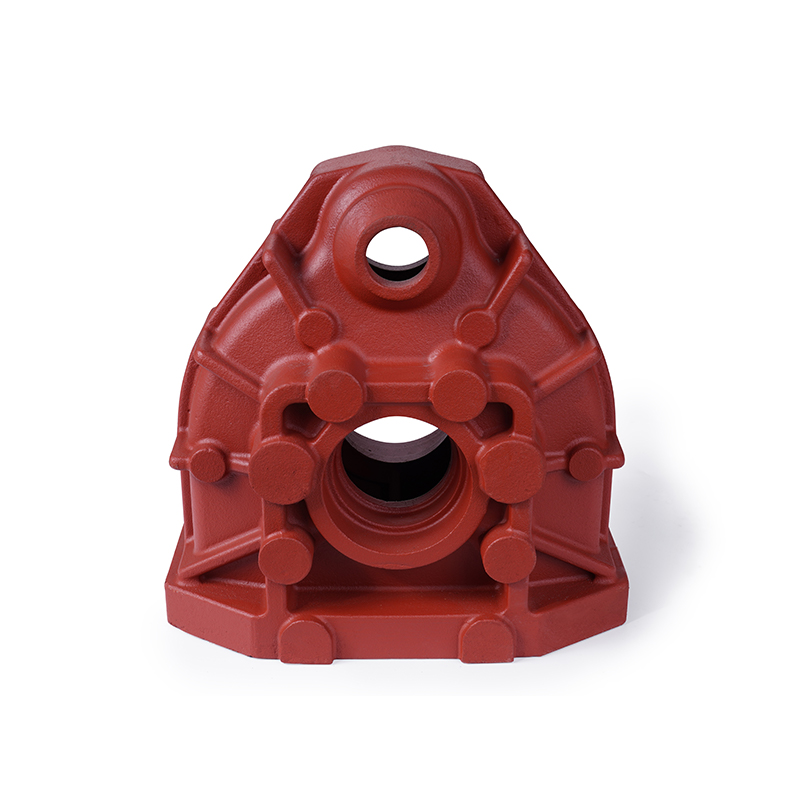
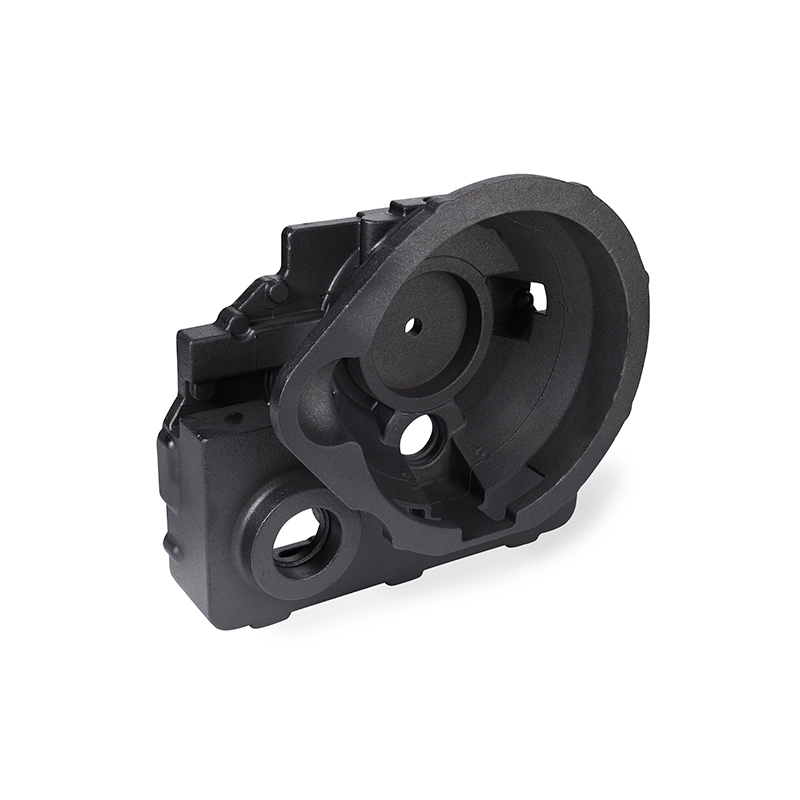
Machine tool bases, pump housings, and gearbox casings rely on cast iron's damping and dimensional stability to maintain precision under repeated loading.
Because casting quality directly affects part performance, reputable foundries monitor several defect categories before shipping.
Standard inspection methods include visual checks, dimensional measurement, hardness testing, and for critical parts, ultrasonic or radiographic testing to detect internal defects that are not visible externally.
When deciding between cast iron and alternatives such as steel or aluminum casting, the choice generally comes down to three factors: load type, weight sensitivity, and budget.
Steel castings offer higher tensile strength and impact resistance, making them preferable for high-stress structural components, but they cost more and are harder to machine. Aluminum castings are far lighter, which benefits automotive and aerospace weight targets, but they cannot match cast iron's compressive strength or damping performance. For static or moderately loaded components where cost efficiency and vibration control matter most, cast iron remains the more economical and practical choice in the majority of industrial applications.




 русский
 日本語
日本語