Aluminum die casting is the process of forcing molten aluminum into a reusable steel mold under high pressure — typically 1,500 to 25,000 psi — to produce precise, complex metal parts at high volume. It is the preferred manufacturing method whenever a project requires lightweight, dimensionally accurate components produced in quantities above 1,000 units, because it combines low per-part cost with excellent mechanical properties. For most manufacturers evaluating metal-forming options, aluminum die casting is the right choice when the part needs thin walls (as low as 0.5 mm), tight tolerances (±0.1 mm achievable), and a smooth as-cast surface finish without extensive secondary machining.
If your production run is small (under 500 units) or your design requires extreme structural strength in a single axis, sand casting or forging may be more suitable. But for the vast majority of automotive, electronics, and industrial hardware applications, aluminum die casting offers the best balance of cost, weight, and repeatability available today.
The process follows a repeatable sequence that allows manufacturers to produce thousands of identical parts with minimal variation. Understanding each stage helps engineers design parts that cast cleanly and avoid costly rework.
Aluminum specifically requires cold-chamber die casting because its high melting point would damage the metal-feeding components of a hot-chamber machine. In cold-chamber casting, molten aluminum is ladled into the injection chamber for each cycle, which adds a fraction of a second to cycle time but protects equipment longevity — a key reason aluminum die casting remains cost-effective even at high production volumes.
Alloy selection determines the final part's strength, corrosion resistance, and castability. Most die casting projects use one of a small set of standardized alloys, each suited to different performance requirements.
| Alloy | Key Properties | Typical Applications |
|---|---|---|
| A380 | Good strength, excellent castability | Automotive housings, engine brackets |
| A383 | Superior flow into thin walls | Complex, thin-walled electronics enclosures |
| A360 | High corrosion resistance | Marine hardware, outdoor fixtures |
| ADC12 | Cost-effective, widely used in Asia | Consumer electronics, appliance parts |
For most general-purpose industrial parts, A380 remains the industry default, accounting for a significant share of die cast aluminum production worldwide due to its reliable balance of mechanical strength and ease of casting.
Compared with plastic injection molding, sand casting, or CNC machining from billet, aluminum die casting offers a distinct set of benefits that make it the default choice for many product categories.
Aluminum die casting's combination of strength, light weight, and precision has made it a foundational process across several major industries.
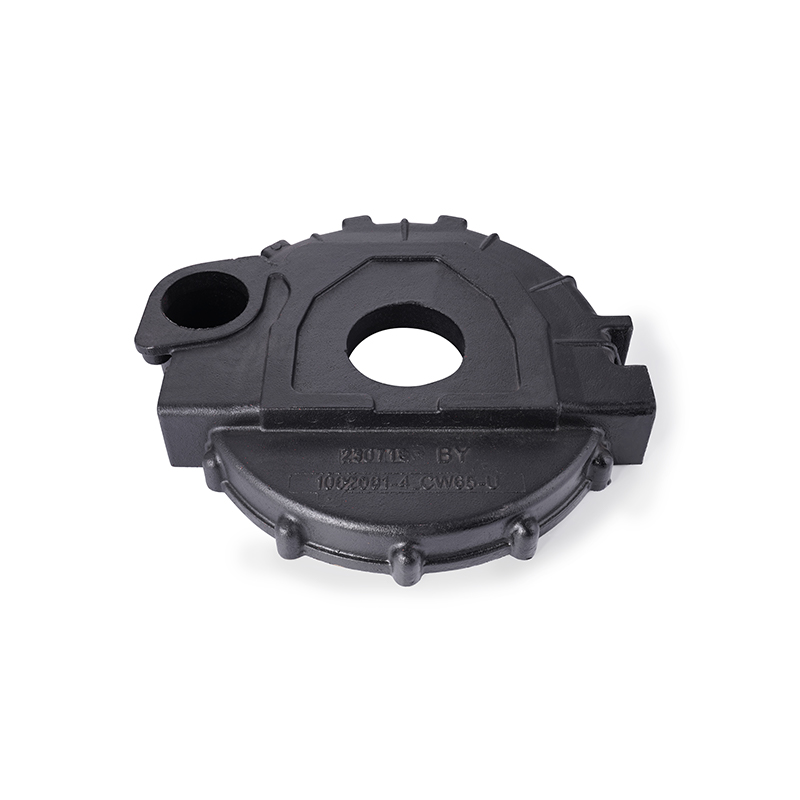
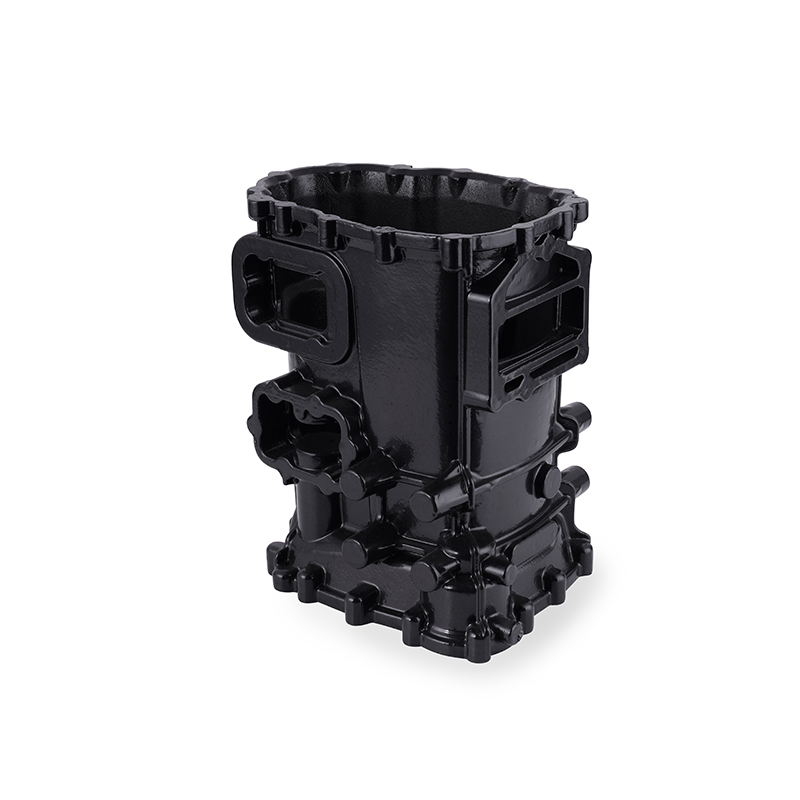
Automakers use die cast aluminum for transmission housings, engine blocks, brackets, and increasingly for structural components in electric vehicles. As automakers pursue weight reduction to extend EV range, aluminum die casting has become central to structural battery enclosures and large single-piece body castings, a trend popularized by gigacasting techniques that consolidate dozens of stamped parts into one casting.
Laptop chassis, smartphone frames, and camera bodies frequently rely on aluminum die casting for its thin-wall capability and premium surface finish, which supports anodized colors and textures directly off the mold.
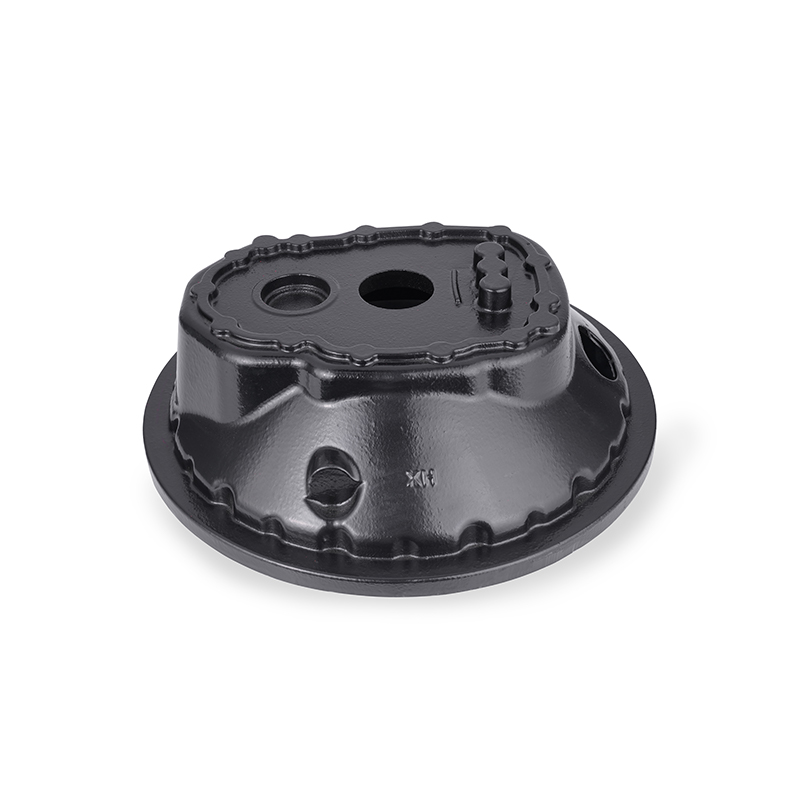
LED light housings, pump bodies, and gearboxes benefit from aluminum's heat dissipation and corrosion resistance, extending product lifespan in demanding environments.
Part design has a direct impact on casting quality, cycle time, and tooling cost. Following established design-for-manufacturing (DFM) principles reduces defects such as porosity, warping, and incomplete fills.
Tooling represents the largest upfront investment in aluminum die casting. A steel die can cost anywhere from $5,000 for a simple single-cavity mold to over $100,000 for a complex multi-cavity production die. This upfront cost is amortized across the production run, which is why die casting becomes economically attractive at higher volumes.
| Production Volume | Recommended Method | Relative Cost per Part |
|---|---|---|
| Under 500 units | CNC machining or sand casting | High |
| 1,000–10,000 units | Aluminum die casting | Medium |
| Over 50,000 units | Aluminum die casting | Low |
Beyond volume, alloy choice, part complexity, and secondary finishing operations such as anodizing, powder coating, or precision machining all influence final unit cost. Engaging a die caster early in the design phase typically reduces total program cost by identifying tooling and process risks before the die is cut.
Consistent part quality depends on controlling a handful of well-known defect types. Recognizing them early helps buyers evaluate supplier capability and helps engineers refine part designs.
Reputable manufacturers use X-ray inspection, dimensional CMM checks, and pressure/leak testing for parts that require airtight or watertight performance, such as automotive fluid housings.
The right manufacturing partner should offer more than a quote — they should provide design feedback, material certifications, and clear quality documentation. Key questions to ask potential suppliers include their typical tolerance capability, in-house tooling versus outsourced tooling, alloy sourcing traceability, and whether they offer secondary services such as machining, plating, or assembly under one roof. Consolidating these steps with a single supplier often reduces lead time and shipping costs, particularly for programs that require frequent design iterations during early production ramp-up.




 русский
 日本語
日本語