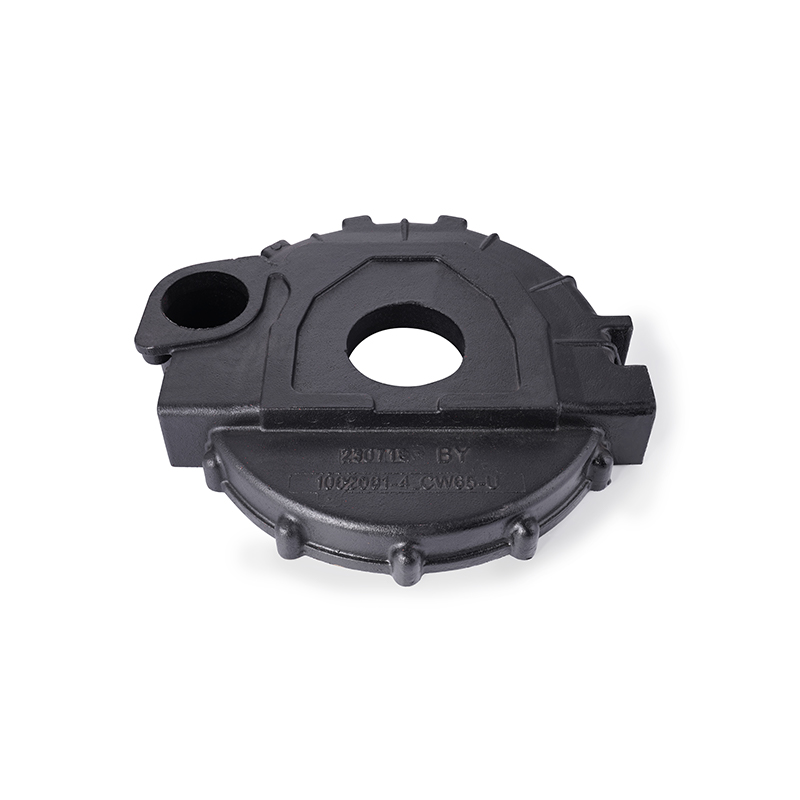
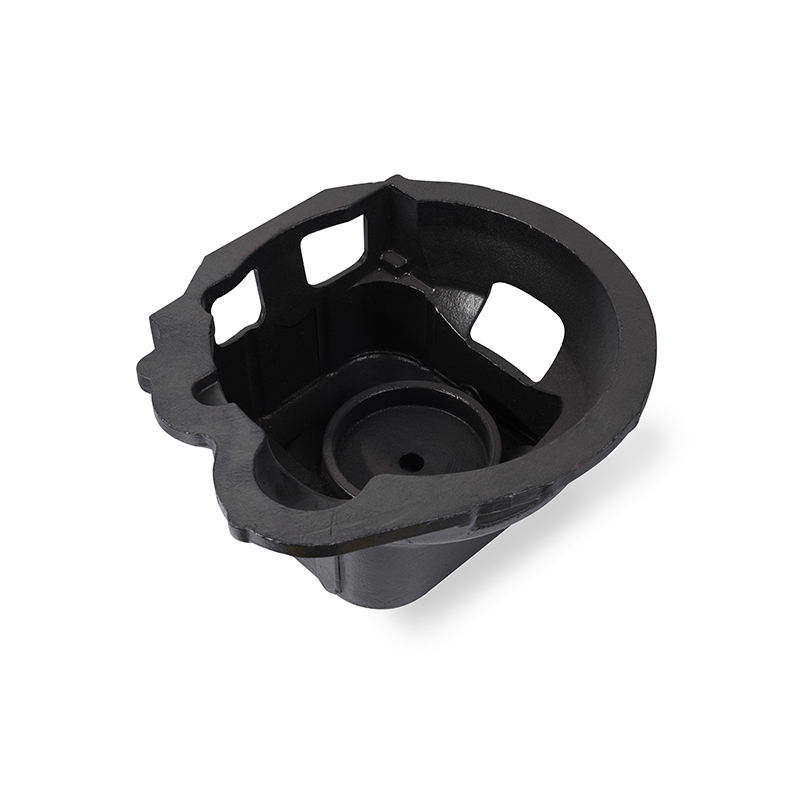
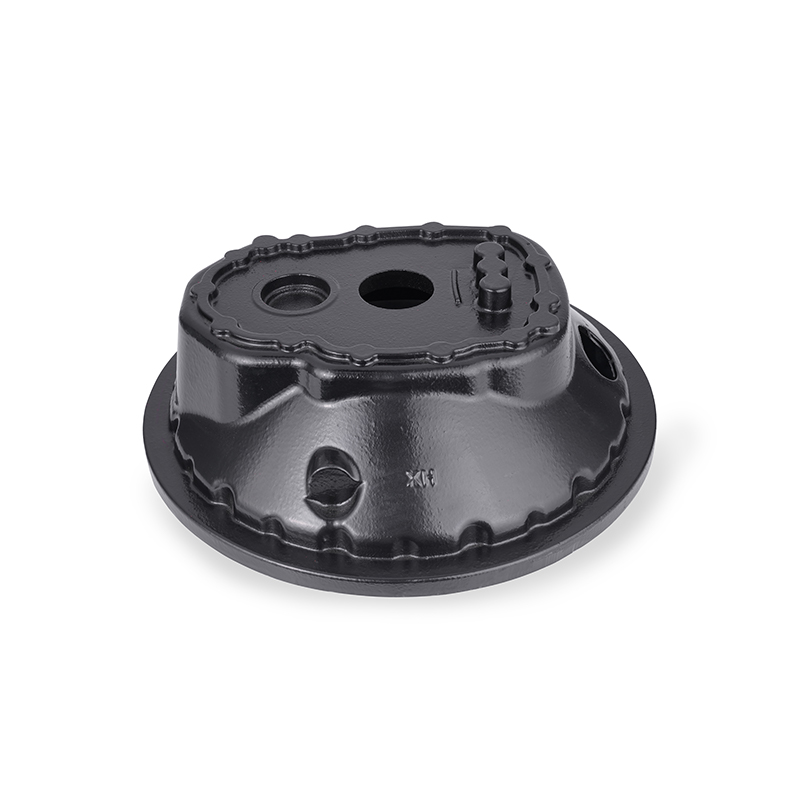
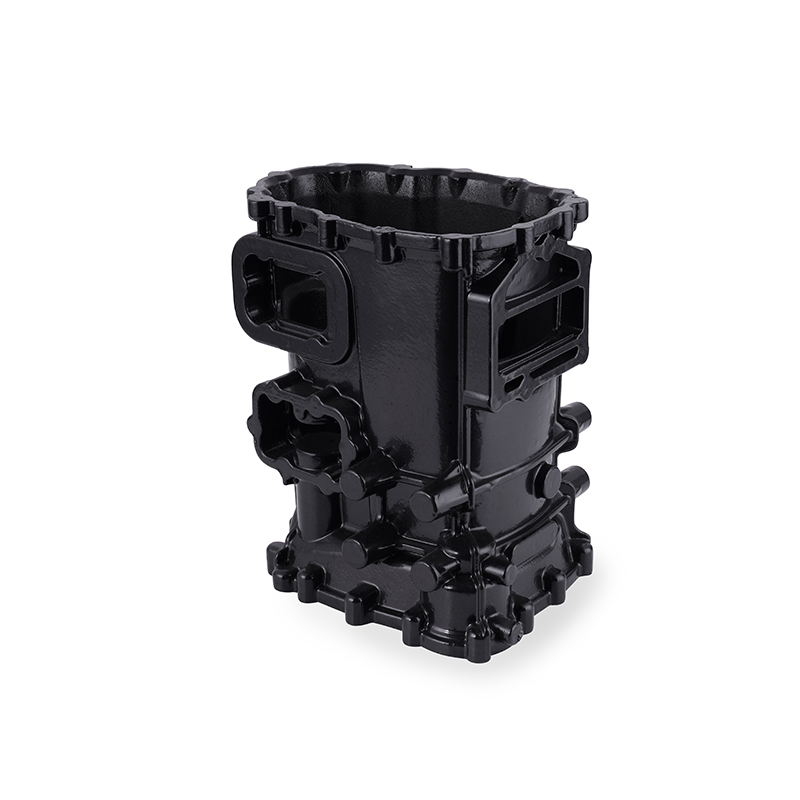
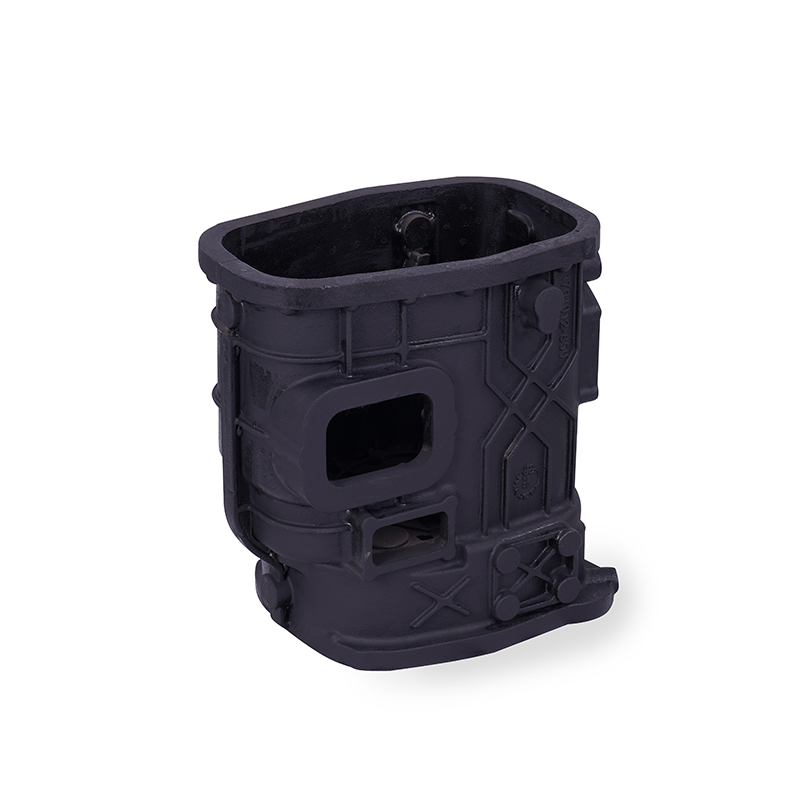
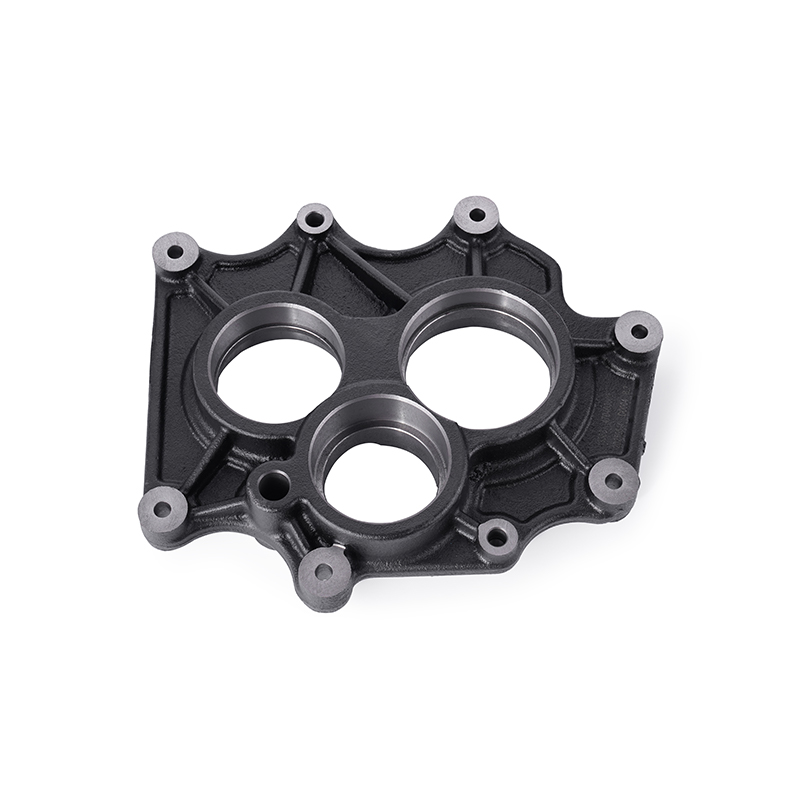
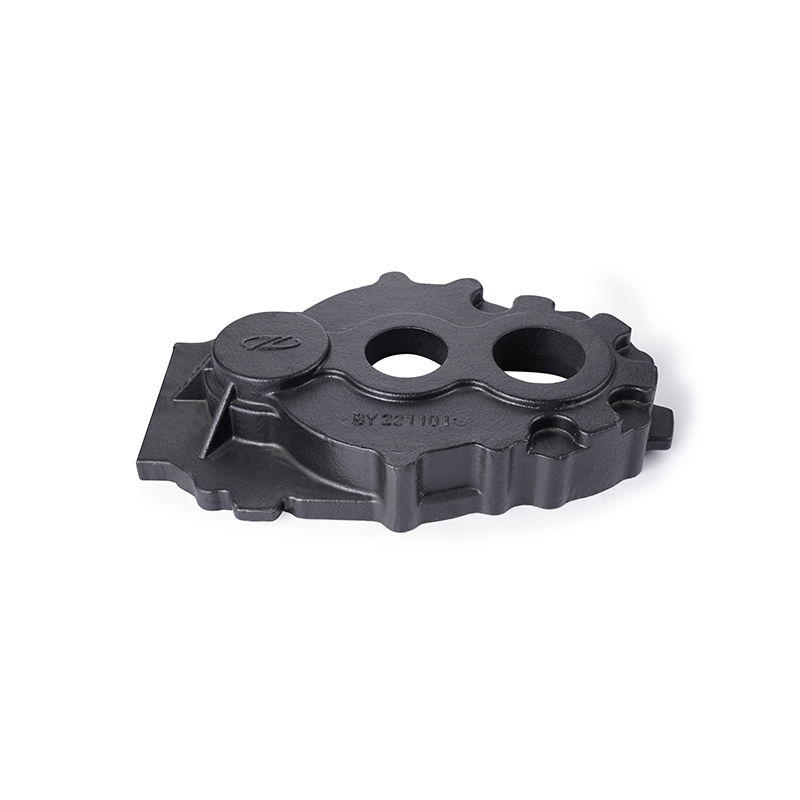
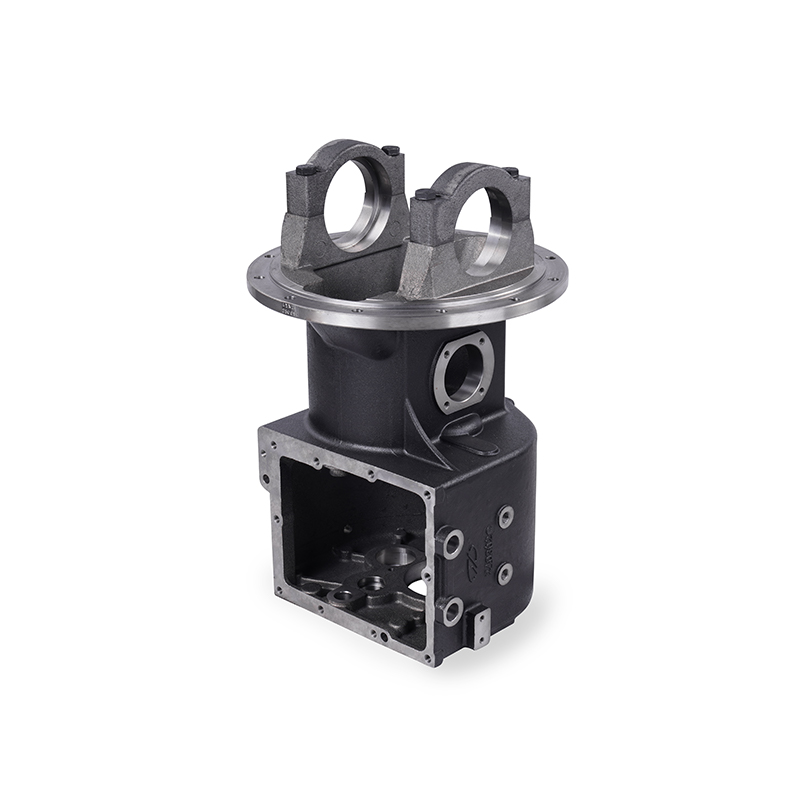
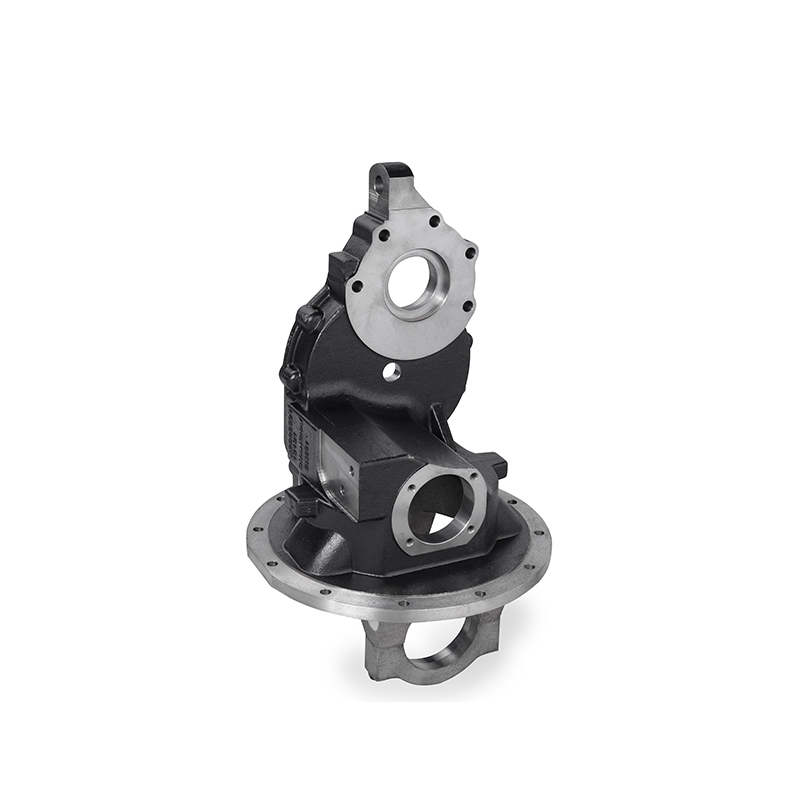
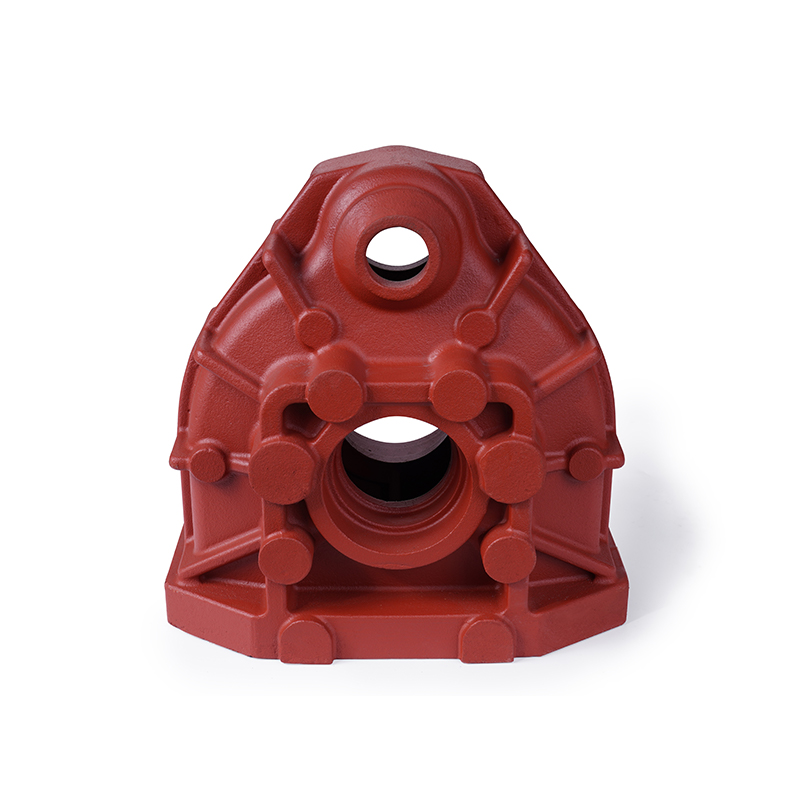
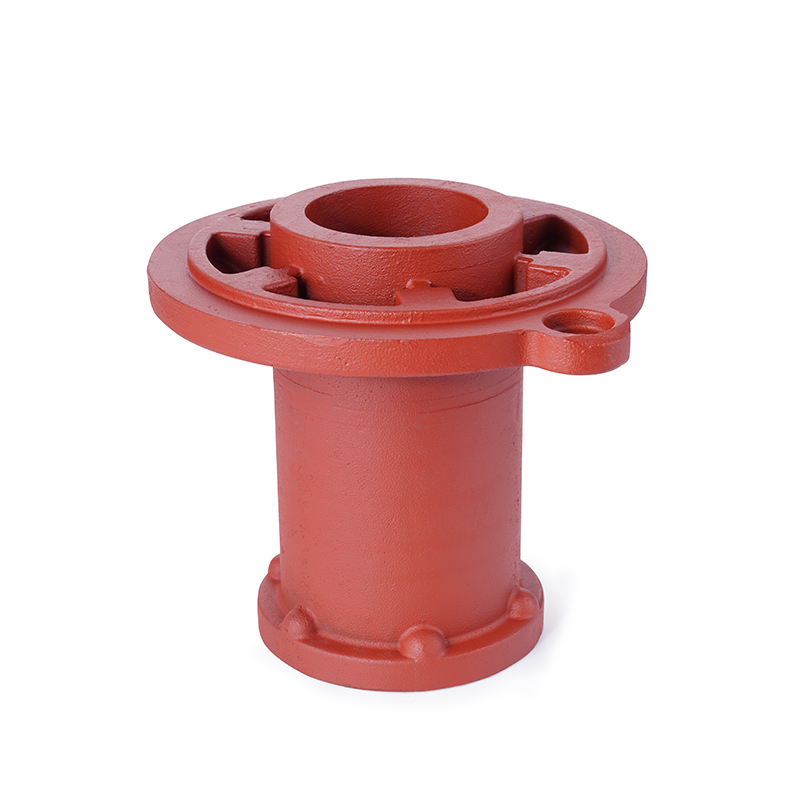
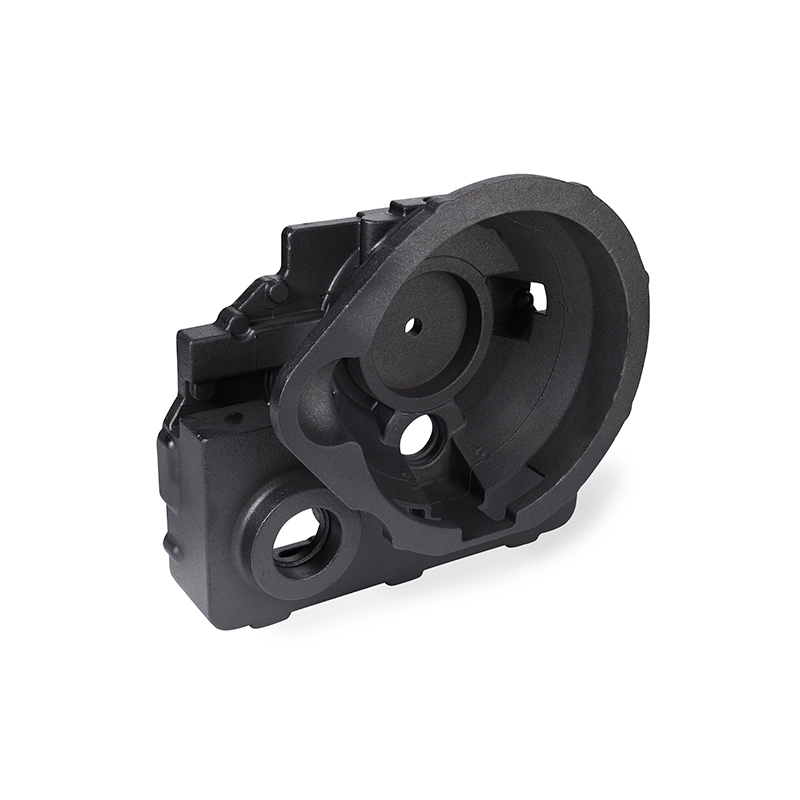
Cast iron remains the default material for construction machinery components because no other common material matches its specific combination of compressive strength, wear resistance, vibration damping, and low-cost castability — all at once. Construction and earth-moving equipment demand robust components capable of handling shock loads and abrasive environments, and machined ductile cast iron delivers the strength and reliability needed for gear housings, engine parts, and hydraulic systems in this kind of contractor machinery.
Steel and aluminum can each outperform cast iron on a single property — steel on tensile strength, aluminum on weight — but neither matches cast iron's balance of strength, damping, and manufacturing cost together. That combination, more than any single standout feature, is why cast iron has held its position in heavy machinery for well over a century.
Cast iron is an iron-carbon alloy with a carbon content typically between 2% and 4%, along with silicon and other alloying elements. This high carbon content is what gives cast iron its distinctive castability and machinability, distinguishing it from steel's much lower carbon content.
Not all cast iron is the same, and the type matters significantly for machinery applications:
Cast iron exhibits remarkable compressive strength, making it ideal for bearing heavy loads without deformation — a critical property for machine frames, engine blocks, and structural construction parts that must support enormous static and dynamic loads without bending or breaking.
The material's hardness ensures longevity even in abrasive environments, and it holds up well against friction and repeated contact — which is why components like brake discs, gears, and pump housings last a long time even under tough working conditions typical of construction sites.
Cast iron's ability to absorb and dampen vibrations is crucial for the stable operation of heavy machinery. Machines made with cast iron run more smoothly and quietly, which improves accuracy and reduces wear on connected parts — a meaningful advantage for construction equipment that operates under near-constant mechanical stress and impact loading.
Cast iron can work at high temperatures without losing its shape, and it spreads heat evenly — properties that make it especially well suited for engine blocks and components exposed to sustained heat during long operating cycles.
Molten cast iron flows easily into molds, making it simple and cost-effective to produce complex parts without extensive additional machining. Transitioning from forged or fabricated components to cast iron often simplifies manufacturing, reducing both material costs and production times while allowing more uniform geometrical shapes.
Cast iron's property mix maps directly onto the specific stresses different machine components face.
| Component | Why Cast Iron Is Used |
|---|---|
| Engine blocks | High thermal conductivity and wear resistance |
| Gear housings | Vibration damping reduces noise and wear |
| Hydraulic systems | Strength and dimensional stability under pressure |
| Brake drums and discs | Heat resistance ensures consistent performance under stress |
| Frames and chassis | Robustness and rigidity support the entire machine structure |
| Machine bed foundations | Vibration damping and long-term dimensional accuracy |
Beyond raw material properties, cast iron's biggest advantage in construction machinery may be its long-term economics. Cast iron's robust structure significantly extends component life, reducing downtime and maintenance costs — a critical factor for construction equipment, where unplanned downtime directly translates into lost project time and revenue.
This durability advantage compounds across a machine's operating life. High-quality cast iron processing supports long-term machinery performance, reduces unexpected equipment failures, and helps ensure operational safety across demanding industrial sectors — including construction equipment and agricultural machinery, where mechanical load and thermal stress are constant.
For construction machinery components subject to particularly high shock loads or dynamic stress, ductile iron (also called nodular or SG iron) offers improved flexibility and toughness compared to standard gray cast iron, without sacrificing the vibration damping and cost advantages that make cast iron attractive in the first place.
This is why many manufacturers specifically machine ductile cast iron for gear housings, engine parts, and hydraulic systems in contractor machinery — components that combine the need for structural strength with resistance to sudden impact loading, a combination that pure gray iron doesn't handle as gracefully.
Modern cast iron processing has evolved well beyond basic sand casting. Manufacturers that consistently control melting quality, casting design, machining tolerances, and final testing deliver components that meet the demanding requirements of modern construction equipment. Key functional advantages of high-quality processing include structural uniformity from stable grain distribution, high dimensional accuracy from precision machining, and vibration damping that continues to outperform steel in many dynamic applications.
By integrating advanced casting and machining technologies, modern cast iron components now reach performance levels comparable to more expensive alloys, without significantly increasing production costs — reinforcing why the material has remained competitive even as newer alloy options have entered the market.
Despite advances in materials science, cast iron continues to evolve through improvements in alloy compositions and manufacturing techniques rather than being replaced outright. Innovations such as high-performance ductile iron and advanced casting techniques are expanding what the material can handle, while advances in recycling and sustainable manufacturing methods are helping cast iron remain relevant amid growing sustainability requirements in industrial procurement.
Cast iron's staying power in construction machinery isn't nostalgia or inertia — it's the direct result of a property combination that remains genuinely difficult to replicate at a comparable cost. For components that must survive heavy loads, constant vibration, and abrasive working conditions without failing prematurely, cast iron continues to earn its place on the shop floor.




 русский
 日本語
日本語