Choosing the right ductile iron casting grade comes down to one central trade-off: ductility versus strength. If your part needs to absorb impact, flex under load, or machine easily, choose a lower-strength, high-elongation grade like 60-40-18. If your part needs to withstand heavy static loads and wear with less concern for shock loading, choose a higher-strength grade like 100-70-03 or 120-90-02. For most general engineering applications — the kind that would traditionally use mild steel — 65-45-12 is the default starting point.
Grade selection under ASTM A536 is governed by a three-number naming system: tensile strength (ksi), yield strength (ksi), and percent elongation. Understanding what each of these numbers means for your specific application is the key to avoiding both over-engineering (paying for strength you don't need) and under-engineering (specifying a grade that will fail in service).
ASTM A536 is the American standard specification for ductile iron castings, and it defines each grade using a three-part number: minimum tensile strength (in thousands of psi), minimum yield strength (in thousands of psi), and minimum elongation percentage. For example, Grade 65-45-12 means a tensile strength of 65 ksi (448 MPa), a yield strength of 45 ksi (310 MPa), and 12% elongation.
What makes ductile iron behave so differently from ordinary gray iron is its microstructure. The defining feature of ductile iron under ASTM A536 is a spheroidal graphite microstructure, achieved by adding magnesium or cerium during melting. This round, nodular graphite shape — rather than the sharp flake graphite found in gray iron — minimizes stress concentration and crack initiation, which is what gives ductile iron its namesake ductility and impact resistance.
ASTM A536 defines a family of standard grades, each balancing strength and ductility differently.
| Grade | Tensile Strength (min) | Yield Strength (min) | Elongation (min) |
|---|---|---|---|
| 60-40-18 | 60,000 psi (414 MPa) | 40,000 psi (276 MPa) | 18% |
| 65-45-12 | 65,000 psi (448 MPa) | 45,000 psi (310 MPa) | 12% |
| 80-55-06 | 80,000 psi (552 MPa) | 55,000 psi (379 MPa) | 6.0% |
| 100-70-03 | 100,000 psi (689 MPa) | 70,000 psi (483 MPa) | 3.0% |
| 120-90-02 | 120,000 psi (827 MPa) | 90,000 psi (621 MPa) | 2.0% |
There is also a secondary group of grades for special applications — 60-42-10, 70-50-05, and 80-60-03 — which offer slightly different strength-to-ductility balances for projects with more specific requirements than the standard grades cover.
Grade 60-40-18 possesses maximum ductility, excellent machinability, and low-temperature toughness, thanks to its fully ferritic matrix, which yields high elongation and impact toughness. This grade normally requires a full ferritizing anneal to achieve its properties. It's the natural choice for parts subject to shock loading, low-temperature service, or where machinability is a priority over raw strength.
ASTM A536 Grade 65-45-12 is the workhorse of the ductile iron family, and the alloy most designers select when converting a mild steel fabrication to a ductile iron casting, since its tensile and yield strength are very close to that of mild steel. This grade can typically be used as-cast, without additional heat treatment, which helps control production cost.
If an application requires moderate ductility and impact resistance coupled with higher strength, Grade 80-55-06 is a strong candidate. Like 65-45-12, it can typically be supplied as-cast, offering a useful middle ground between the ductile lower grades and the harder, less forgiving high-strength grades.
Higher-strength grades like 100-70-03 rely on a predominantly pearlitic matrix to provide strength and wear resistance, at the cost of reduced elongation. Grade 120-90-02 possesses very high strength and wear resistance, though not as wear-resistant as specialized chrome white irons. These top-tier grades generally require a quench and temper, normalize and temper, or isothermal heat treatment to reach their specified properties, and are best suited to heavily loaded components where ductility is a secondary concern.
Heat treatment requirements vary significantly across the grade family and directly affect production lead time and cost.
| Grade | Required Heat Treatment |
|---|---|
| 60-40-18 | Full ferritizing anneal |
| 65-45-12 | As-cast (no treatment required) |
| 80-55-06 | As-cast (no treatment required) |
| 100-70-03 | Quench & temper, normalize & temper, or isothermal treatment |
| 120-90-02 | Quench & temper, normalize & temper, or isothermal treatment |
Choosing an as-cast grade like 65-45-12 or 80-55-06 over a heat-treated grade like 100-70-03 can meaningfully reduce both cost and lead time — worth factoring in if the application doesn't strictly require the higher-strength grade's performance.
Ductile iron impact properties are microstructure dependent, and standard ASTM A536 grades don't specify impact requirements by default — impact testing follows the separate ISO 1083 standard when required for the engineering design. For low-temperature or high-impact applications, it's worth specifically requesting a fully ferritic grade with higher elongation, since a lower pearlite content in the microstructure (generally below 15%) is what allows the material to meet demanding impact criteria, such as 12 Joules at -20°C.
If your application involves cold climates, shock loading, or safety-critical impact resistance, flag this requirement explicitly with your foundry rather than assuming a standard grade designation covers it automatically.
Before finalizing a grade, it's worth confirming ductile iron is the right material family in the first place. Ductile iron offers an excellent balance between strength, ductility, cost, and castability, making it well suited to structural and dynamic components. By comparison, gray cast iron is cheaper but brittle and not suitable for dynamic or impact-loaded applications, while carbon steel provides higher strength and weldability but is harder to cast and more expensive to machine.
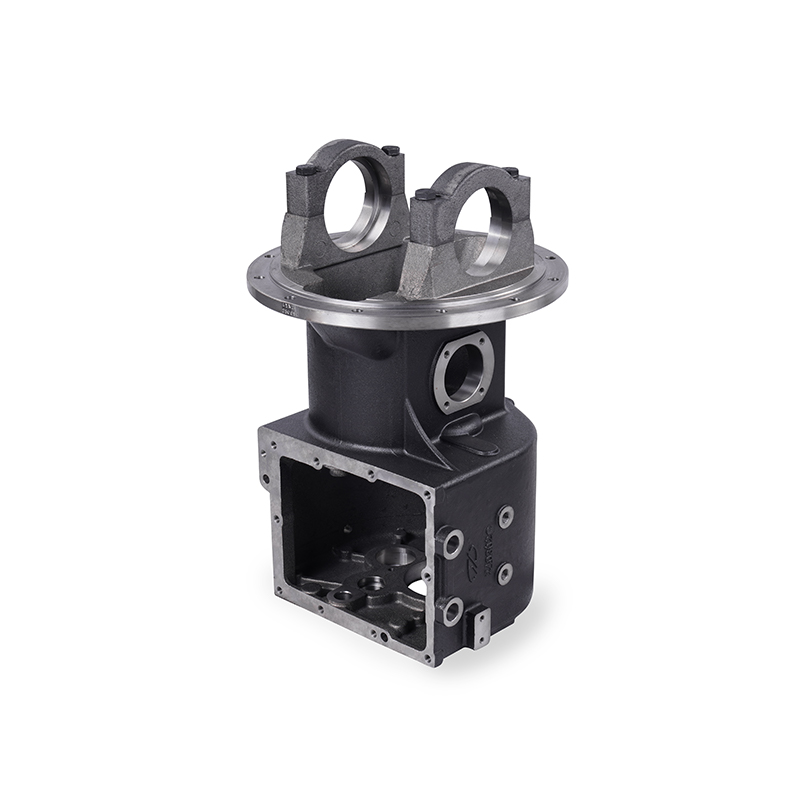
Ductile iron also exhibits excellent vibration and acoustic damping characteristics thanks to its graphite microstructure, often outperforming steel in dynamic applications — an important consideration for components like gearboxes, flywheels, and machinery housings where vibration control matters as much as raw strength.
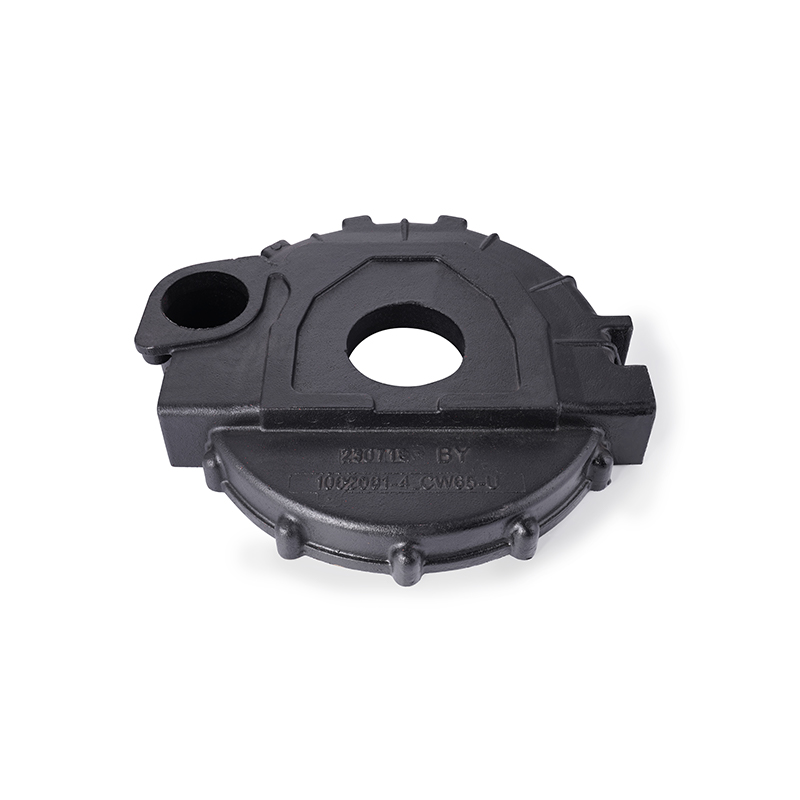
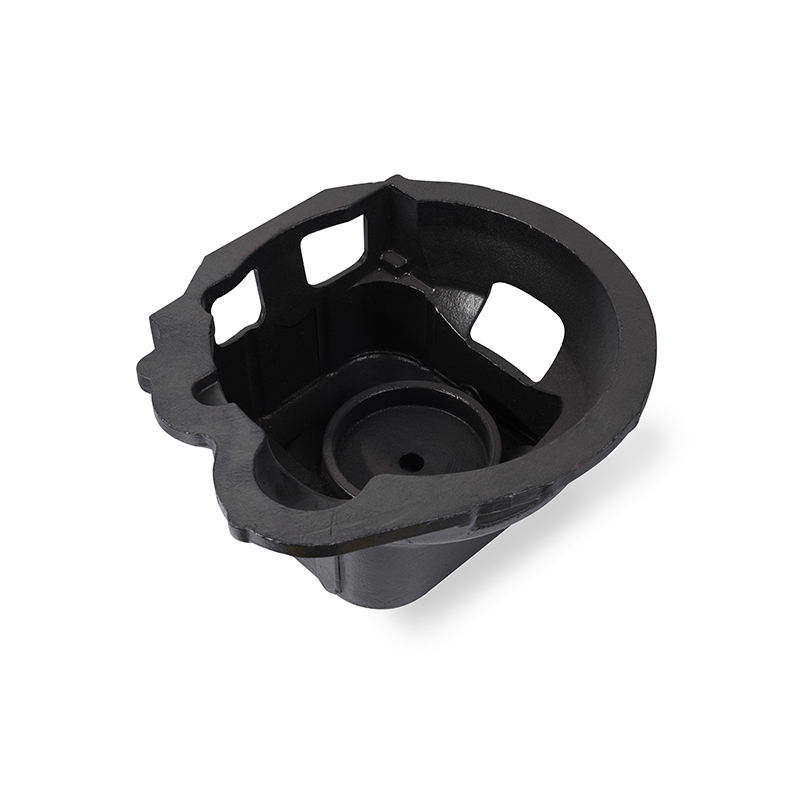
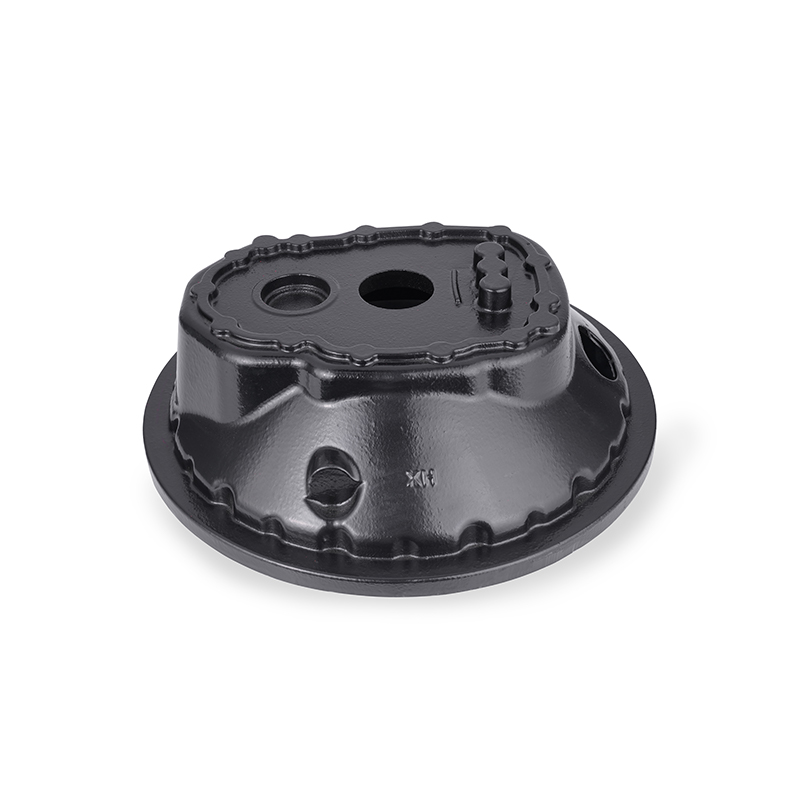
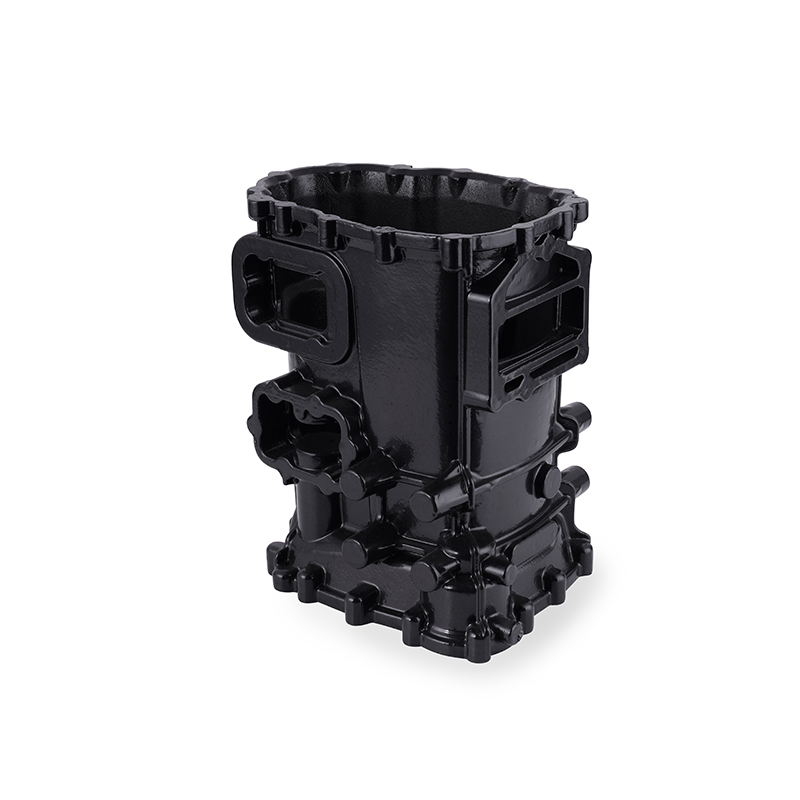
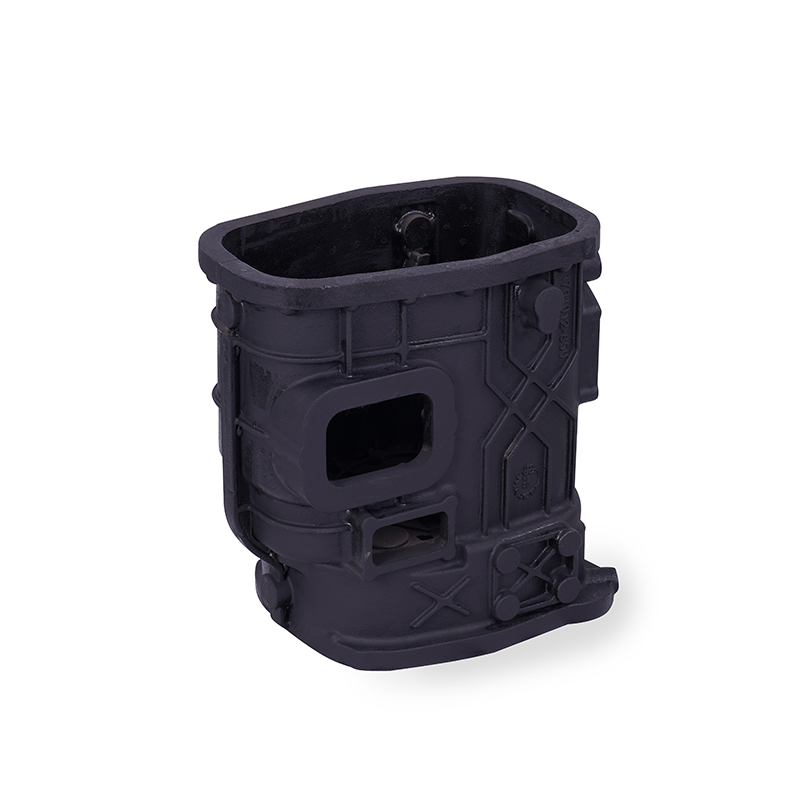
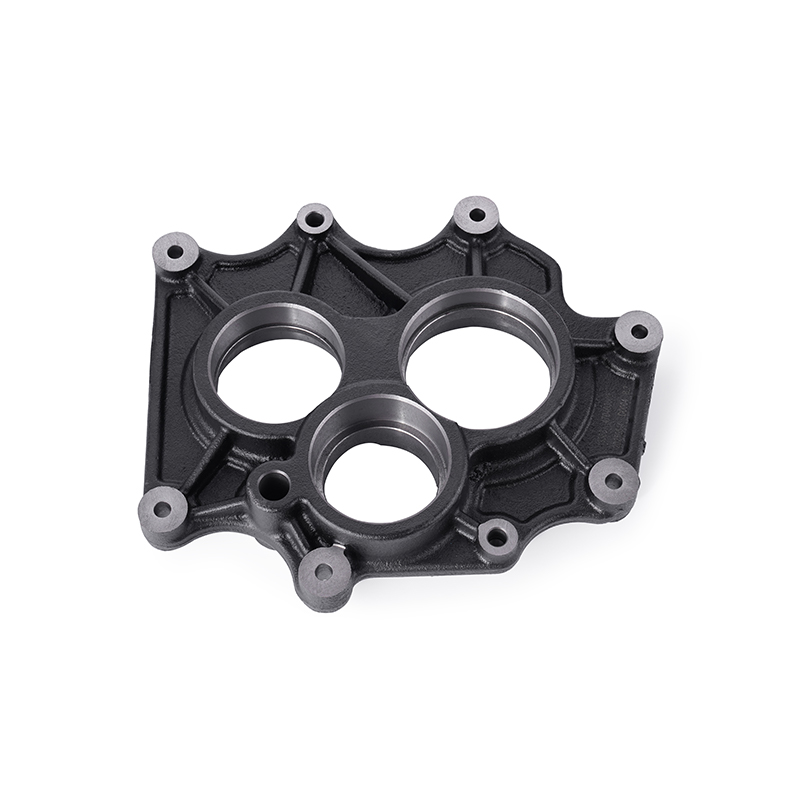
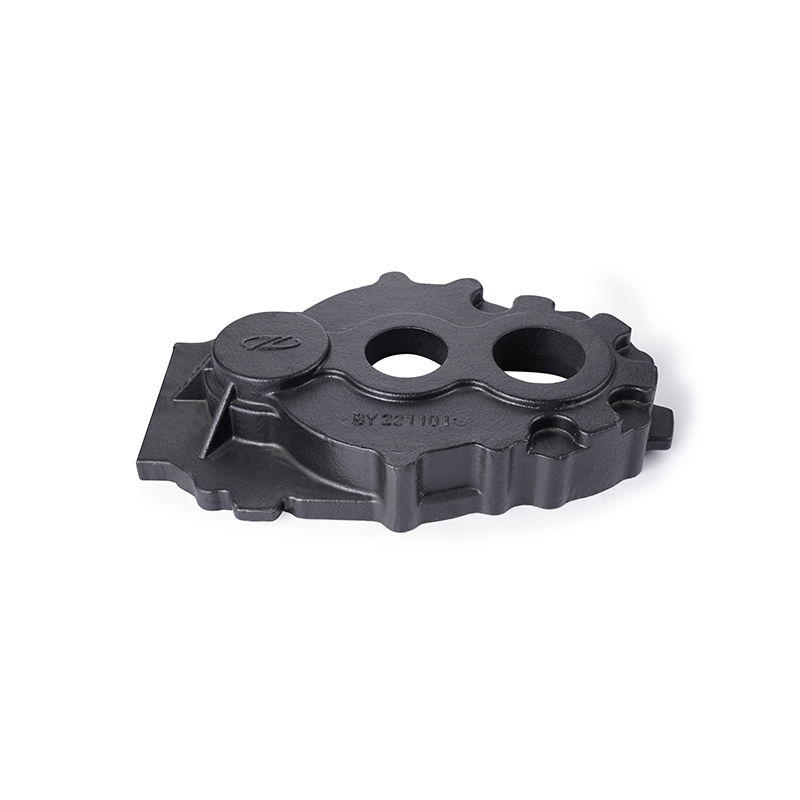
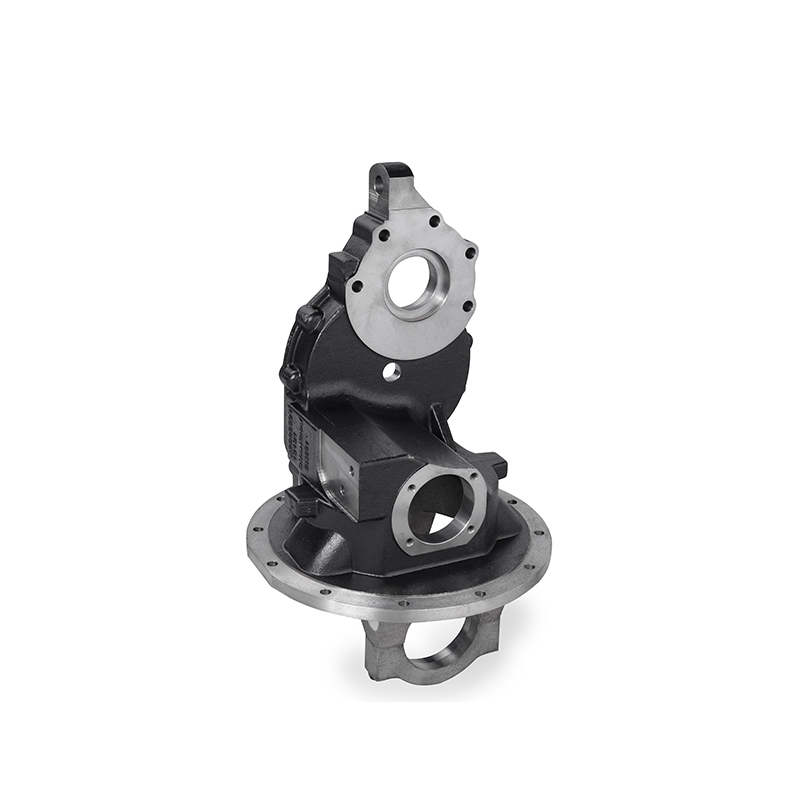
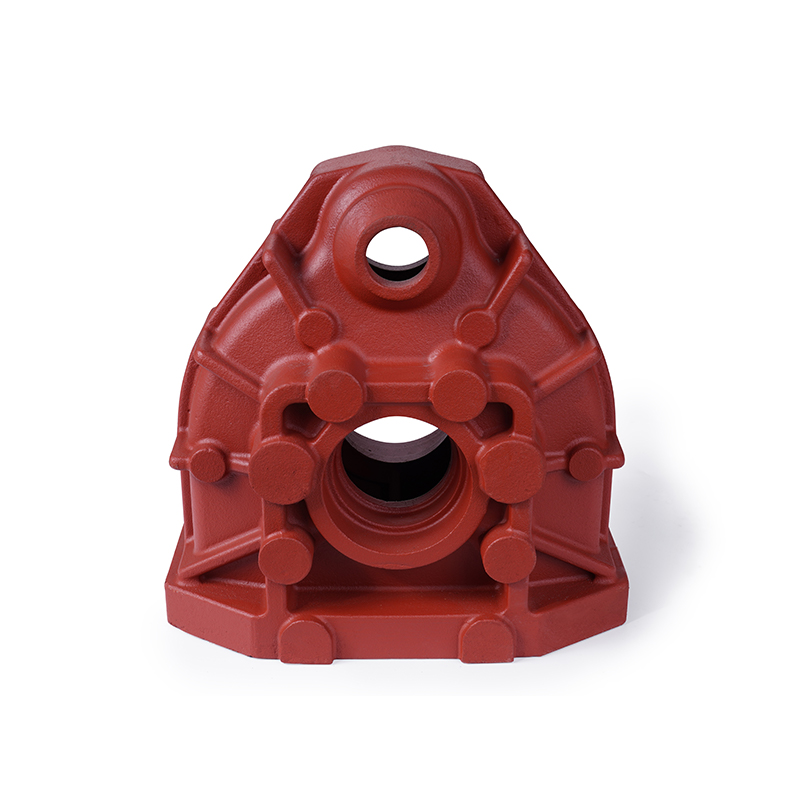
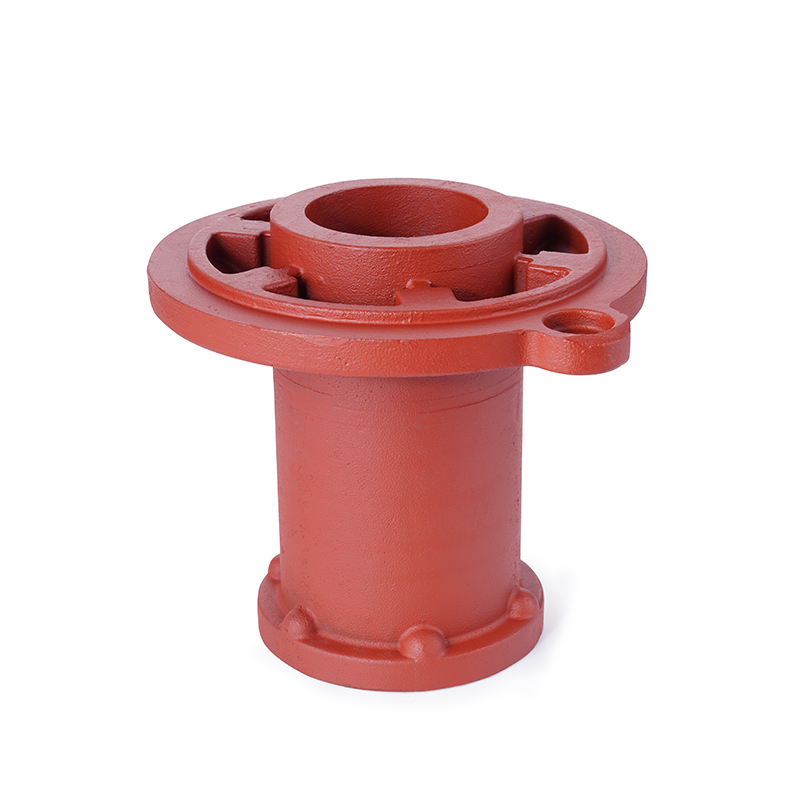
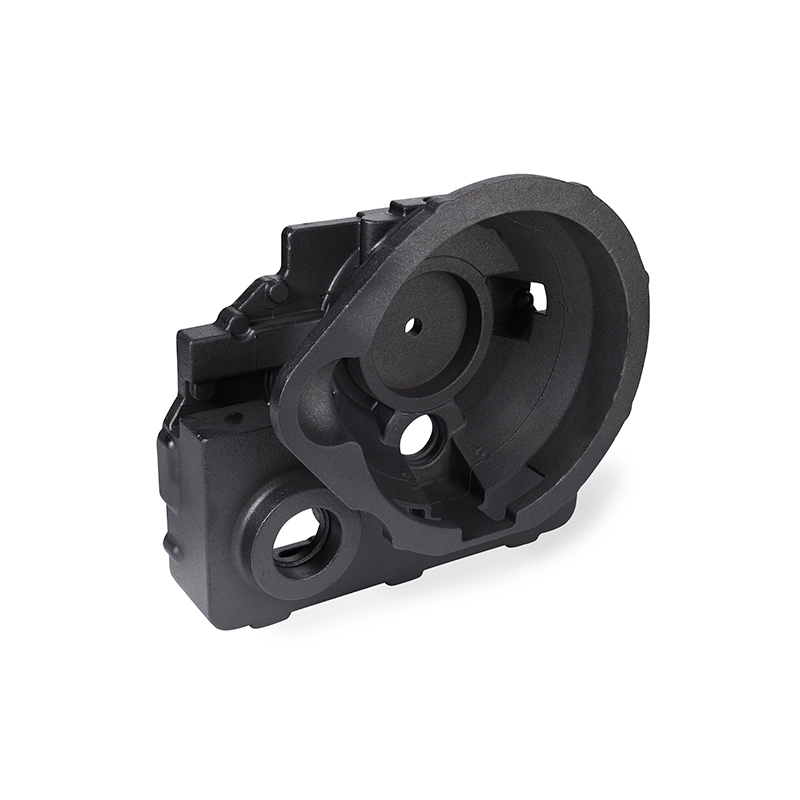
Typical applications for ASTM A536 ductile iron span machinery, valves, trucks, railway components, and gearboxes and flywheels — a reflection of just how broadly this grade family scales across industries. Getting the grade selection right from the start means the difference between a component that performs reliably for its full service life and one that either fails prematurely under load or costs more than necessary to produce.




 русский
 日本語
日本語