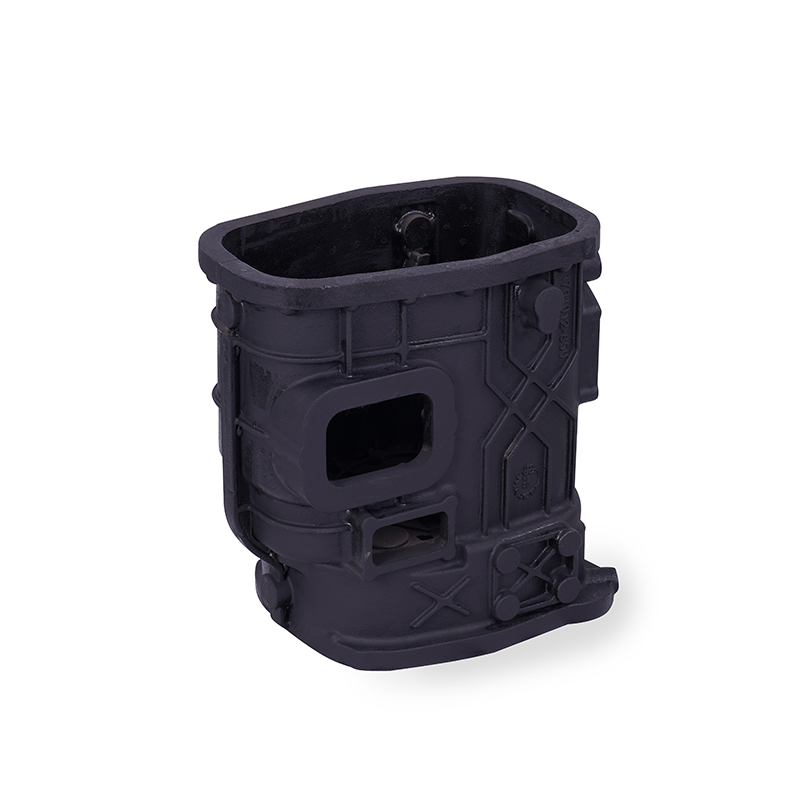
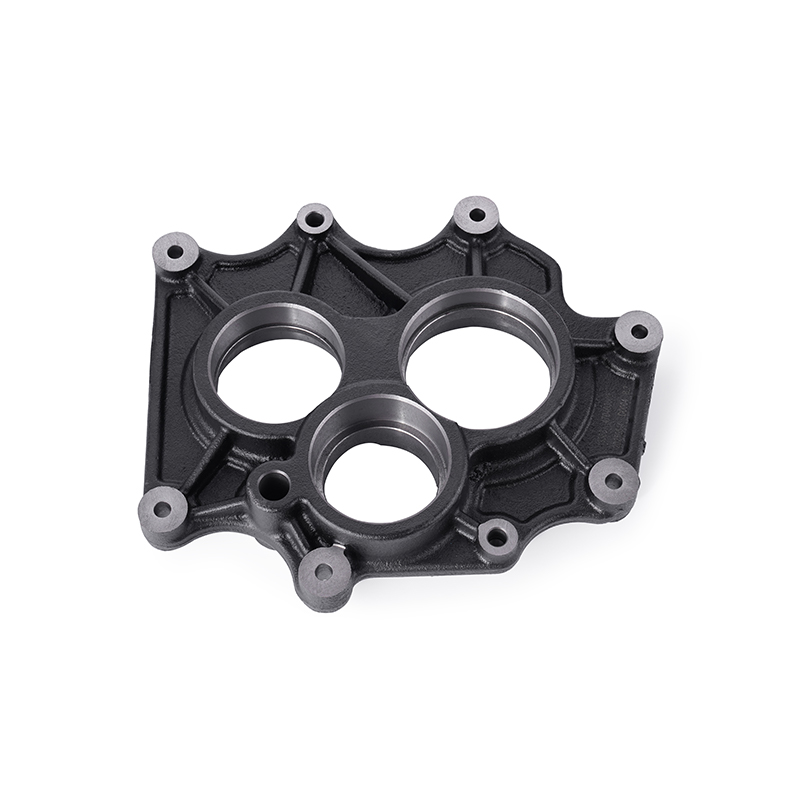
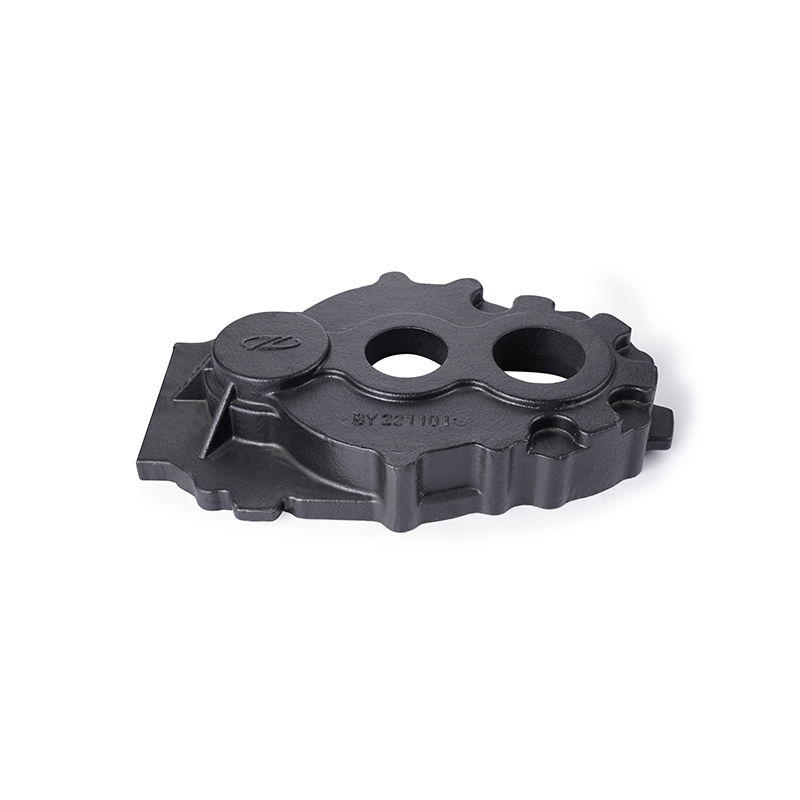
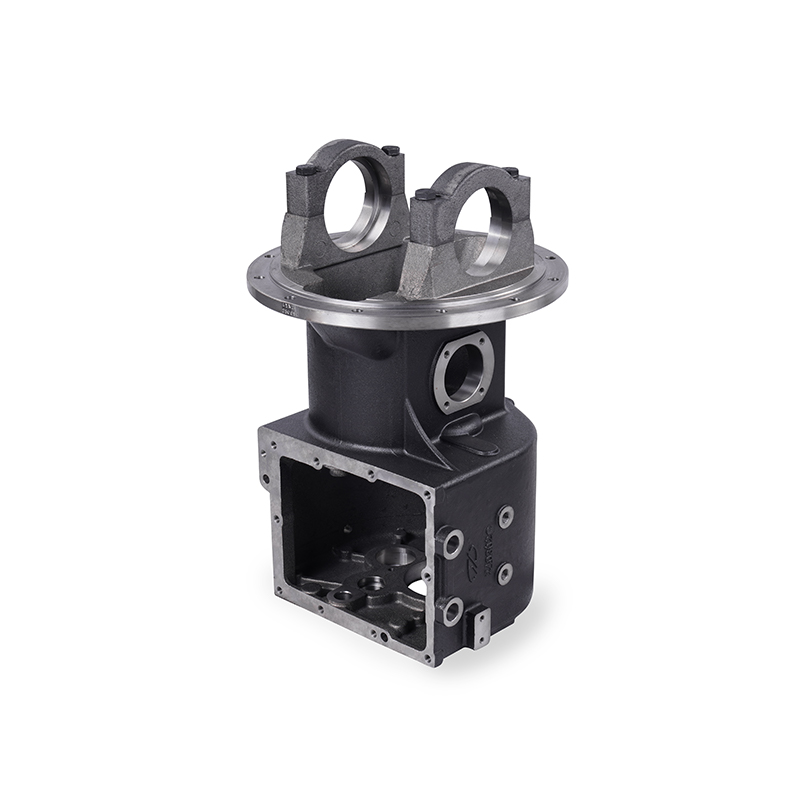
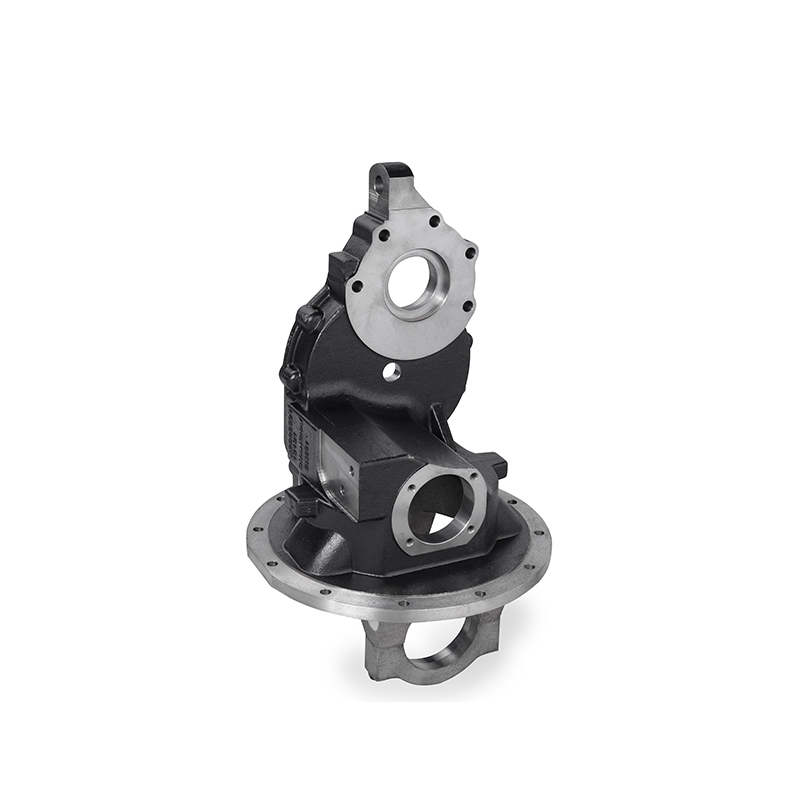
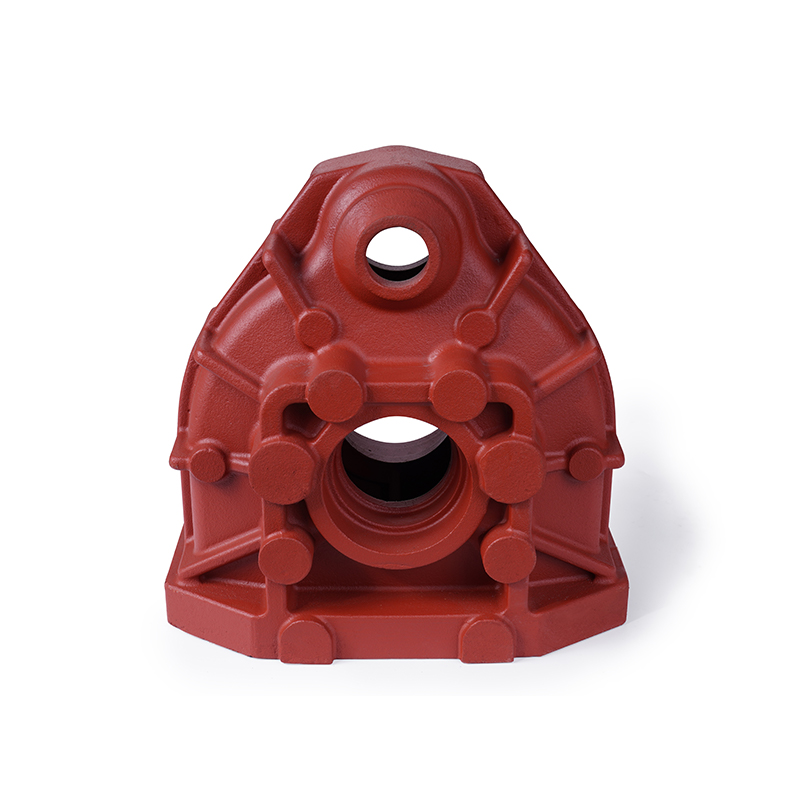
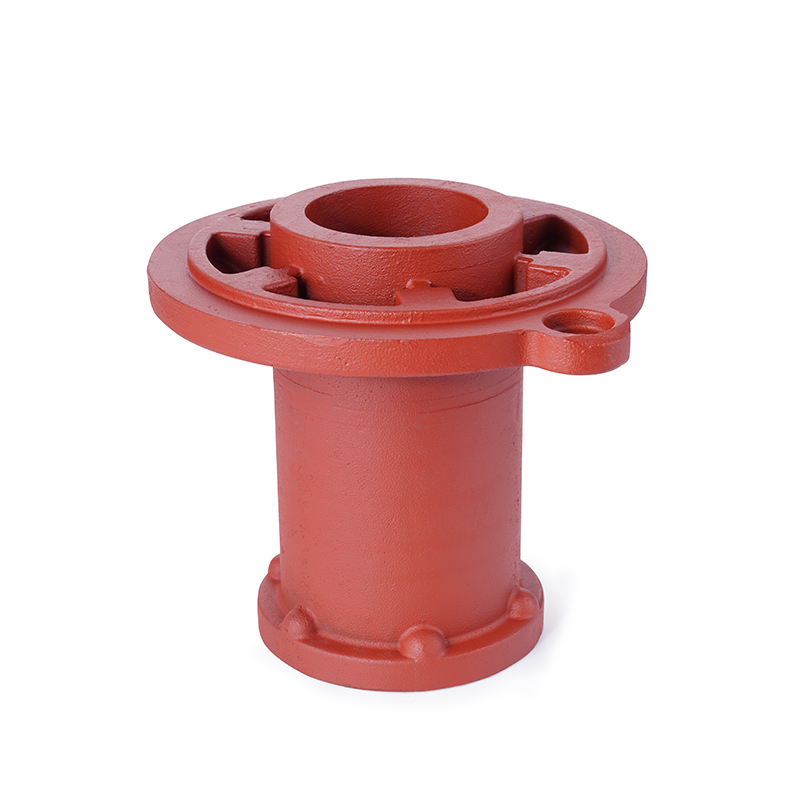
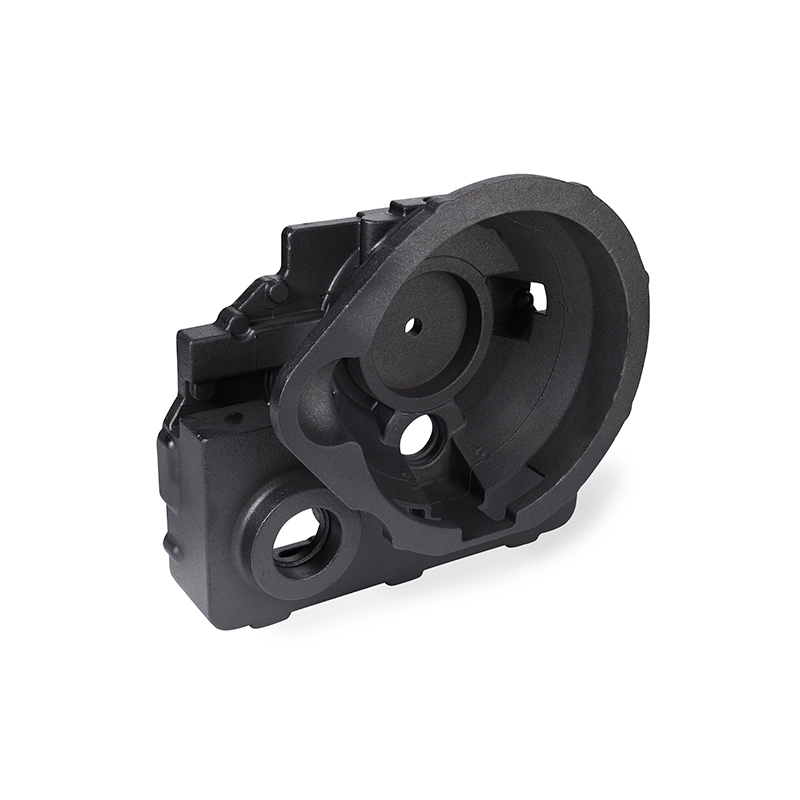
Cast iron has been a staple material in the manufacturing of agricultural equipment for many years, offering a wide range of advantages that are particularly beneficial for the demanding and often harsh conditions in agriculture. The material is prized for its strength, durability, and cost-effectiveness, making it an ideal choice for many parts of agricultural machinery, such as engine blocks, gearboxes, plows, and other vital components.
Cast iron’s durability is one of its most significant advantages in agricultural equipment manufacturing. It is known for its exceptional resistance to wear and tear, which is crucial in the agricultural industry, where machinery is subjected to harsh conditions. Equipment like tractors, harvesters, and plows must endure high stresses, repetitive motions, and exposure to soil, moisture, and chemicals. Cast iron, with its dense, strong structure, can withstand these challenges over extended periods. The high carbon content in cast iron makes it harder than many other metals, which significantly contributes to its ability to resist abrasions and mechanical stress.
The longevity of cast iron parts reduces the need for frequent replacements, thus lowering the overall maintenance cost for farmers. As a result, agricultural machinery with cast iron components can offer a longer service life, even under the most demanding conditions, making it a cost-effective solution in the long term.
| Advantages | Cast Iron in Agricultural Equipment | Alternative Materials |
|---|---|---|
| Durability | Exceptional wear and impact resistance | Steel may be more brittle, aluminum less durable |
| Cost | Cost-effective for mass production | Steel and aluminum are often more expensive |
| Castability | Can form complex, detailed shapes with high precision | Other metals may require additional machining |
| Corrosion Resistance | Can be alloyed for better resistance to corrosion | Aluminum is more prone to corrosion, steel requires coatings |
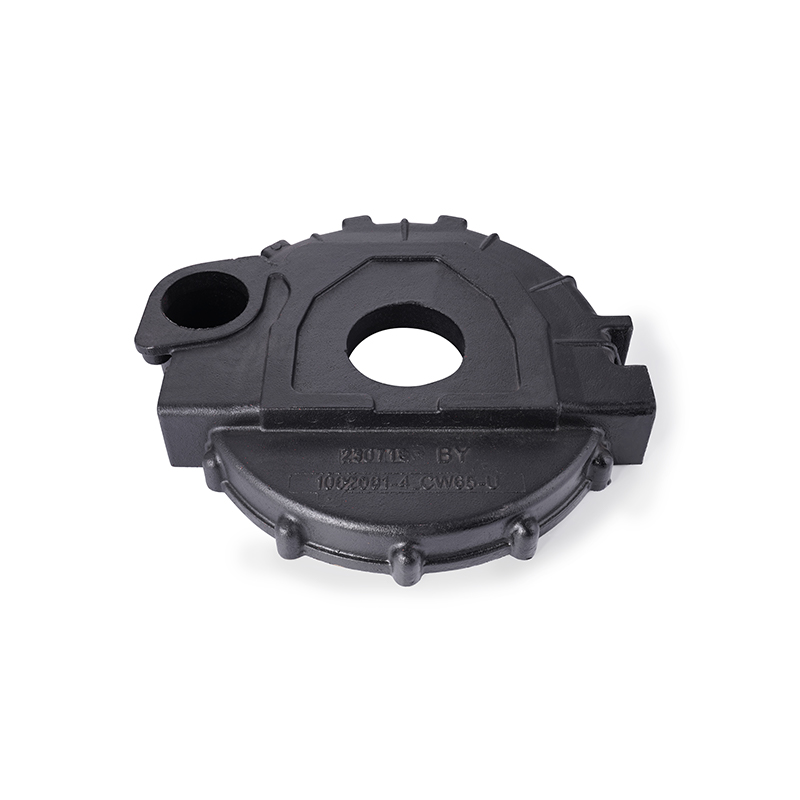
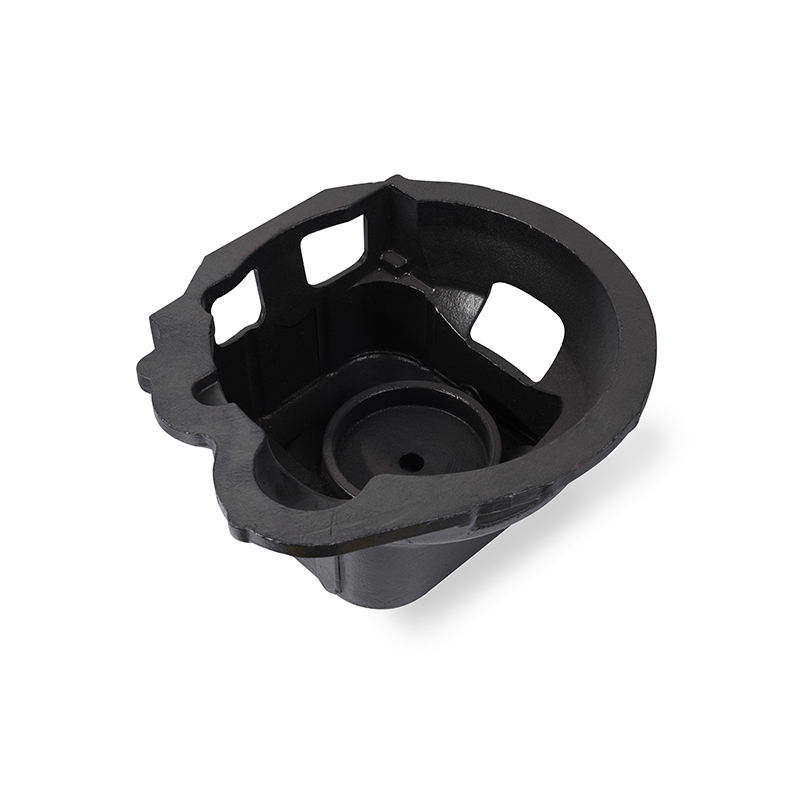
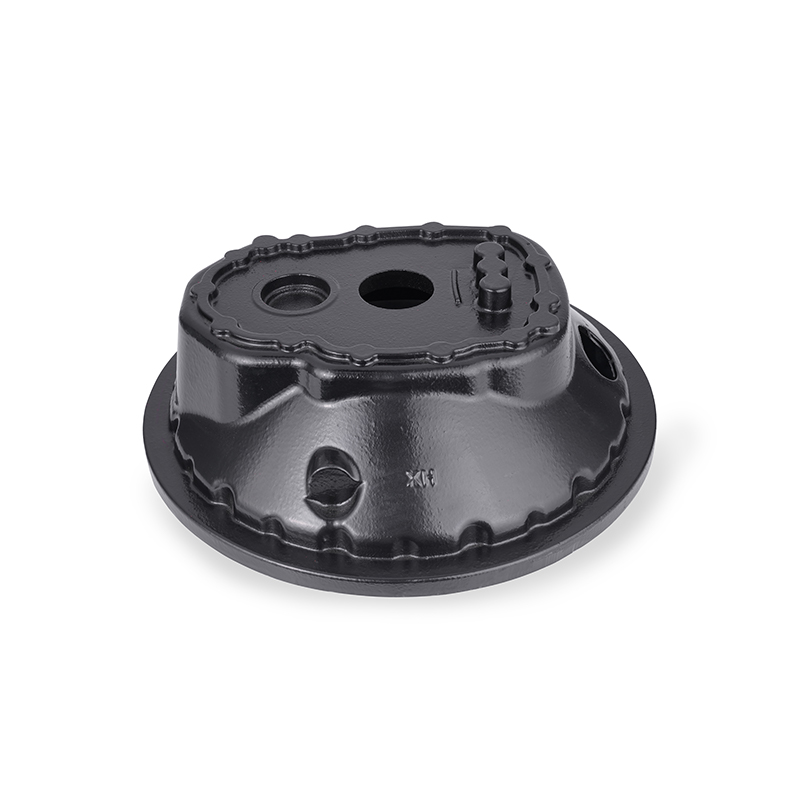
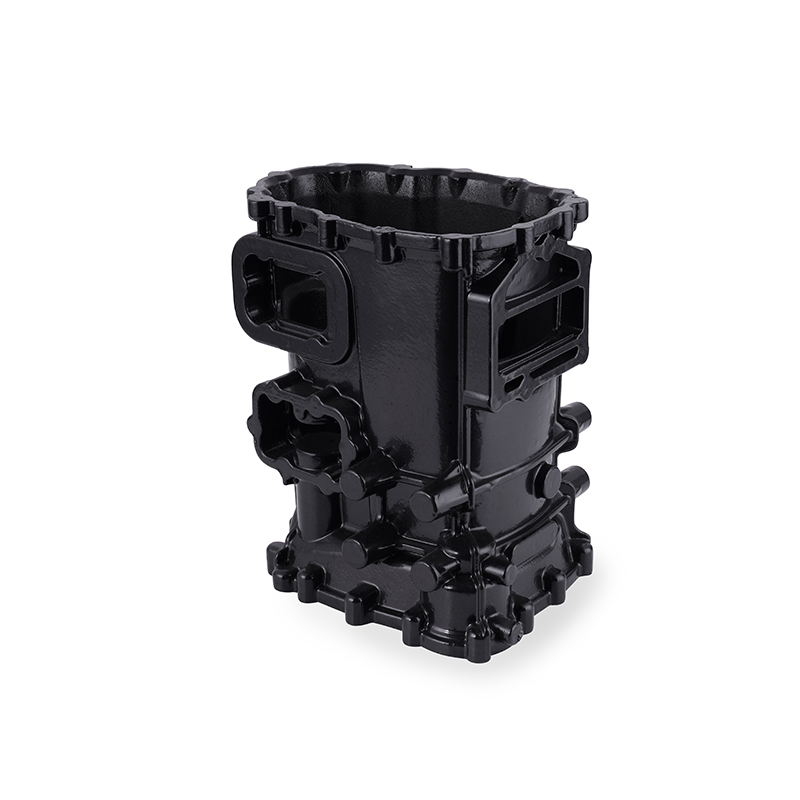
Cost efficiency is another compelling reason why cast iron is so widely used in agricultural equipment manufacturing. The process of casting iron is relatively inexpensive, and it allows manufacturers to produce a wide variety of parts at a lower cost than with other materials like steel or aluminum. The casting process involves pouring molten iron into molds, which is relatively simple and cost-effective for mass production, particularly for complex parts such as engine blocks, gearboxes, and transmission housings.
For agricultural equipment manufacturers, this cost-effectiveness means that they can produce high-quality parts without dramatically increasing the overall price of the machinery. In turn, farmers benefit from more affordable machinery, which is especially important in industries where profit margins can be tight. Moreover, cast iron parts are less likely to need frequent replacements, further lowering the overall cost of ownership.
One of the unique advantages of cast iron is its excellent castability, meaning that it can be easily molded into complex shapes without significant difficulty. This property is especially important in the production of agricultural equipment, which often requires intricate parts with precise dimensions. For instance, engine blocks, gearbox casings, and pump housings require exact shapes to function properly. Cast iron, with its high fluidity during the casting process, can flow into molds with fine details, ensuring that the final product matches the required specifications.
Moreover, cast iron can be alloyed with various elements like nickel, copper, or chromium to enhance its properties further, such as improving its resistance to corrosion, wear, or heat. This adaptability makes cast iron a versatile material suitable for a wide range of agricultural equipment needs.
Agricultural machinery, such as tractors and harvesters, often operates under conditions that generate significant vibrations. These vibrations not only affect the machine’s performance but can also lead to fatigue in both the machine and the operator. Cast iron is known for its excellent vibration-dampening properties due to its dense and rigid structure. When used in the components of agricultural machinery, such as engine blocks or chassis, cast iron helps to absorb vibrations, leading to smoother operation and reduced wear and tear on the machinery.
Additionally, the vibration dampening capability of cast iron contributes to a more comfortable working environment for operators. By reducing the amount of vibration transferred to the operator, cast iron parts help reduce operator fatigue and increase comfort during long hours of work.
Agricultural machinery often operates in environments where high temperatures are generated, especially in components like engine blocks, exhaust systems, and power take-off mechanisms. Cast iron is an excellent material for these parts because it can withstand high temperatures without losing its structural integrity. The high melting point of cast iron means it is capable of maintaining its strength even in extremely hot conditions, making it ideal for parts that are in close proximity to heat sources.
This heat resistance is particularly important in engines and other mechanical components that experience thermal cycles during operation. Cast iron’s ability to handle these heat cycles without warping or losing strength ensures that agricultural machinery continues to perform reliably even in high-temperature environments.
Maintaining and repairing agricultural equipment is an essential part of keeping machinery in working order. Cast iron parts are relatively easy to repair compared to other materials, such as aluminum or plastic. If a part becomes damaged, it is often possible to weld or patch it, rather than replacing it entirely. This makes cast iron a more sustainable and cost-effective option for farmers who may not have immediate access to specialized repair facilities or replacement parts.
For instance, cracks in cast iron engine blocks can often be repaired using a welding process, extending the life of the part and preventing costly downtime. Cast iron’s repairability is an important factor in ensuring that agricultural machinery remains functional and efficient throughout its lifecycle.
Why is cast iron preferred for agricultural machinery?
Cast iron is preferred for its durability, cost-effectiveness, and ability to withstand high levels of wear and stress. Its casting process also allows for the creation of complex parts that are crucial for agricultural equipment.
Can cast iron be recycled?
Yes, cast iron can be recycled multiple times without significant loss of material quality. This makes it an environmentally friendly choice, as it reduces waste and conserves resources.
What types of agricultural equipment commonly use cast iron parts?
Cast iron is commonly used for parts such as engine blocks, transmission cases, gear housings, plow blades, and other essential components in tractors, harvesters, and tillers.
Is cast iron easy to repair if damaged?
Yes, cast iron is relatively easy to repair. Cracks and other damage can often be welded or patched, allowing for extended use without requiring part replacement.




 русский
 日本語
日本語