Aluminum die casting is a widely used manufacturing process that combines precision, high strength, and lightweight characteristics. It allows the production of complex geometries with excellent surface finish and high-volume repeatability. These features make aluminum die casting a preferred choice for multiple industries, ranging from automotive to consumer electronics.
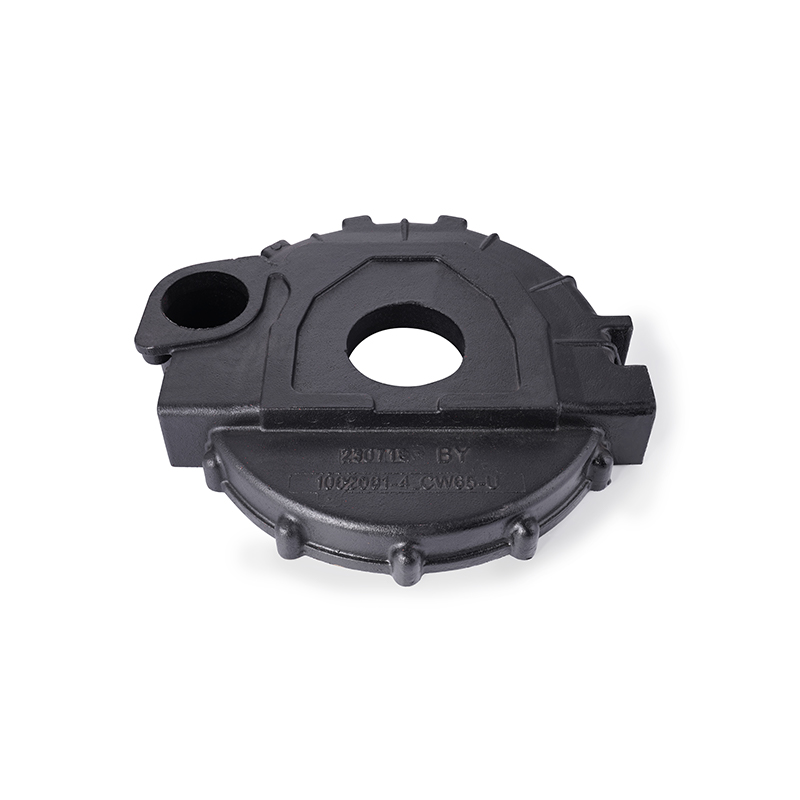
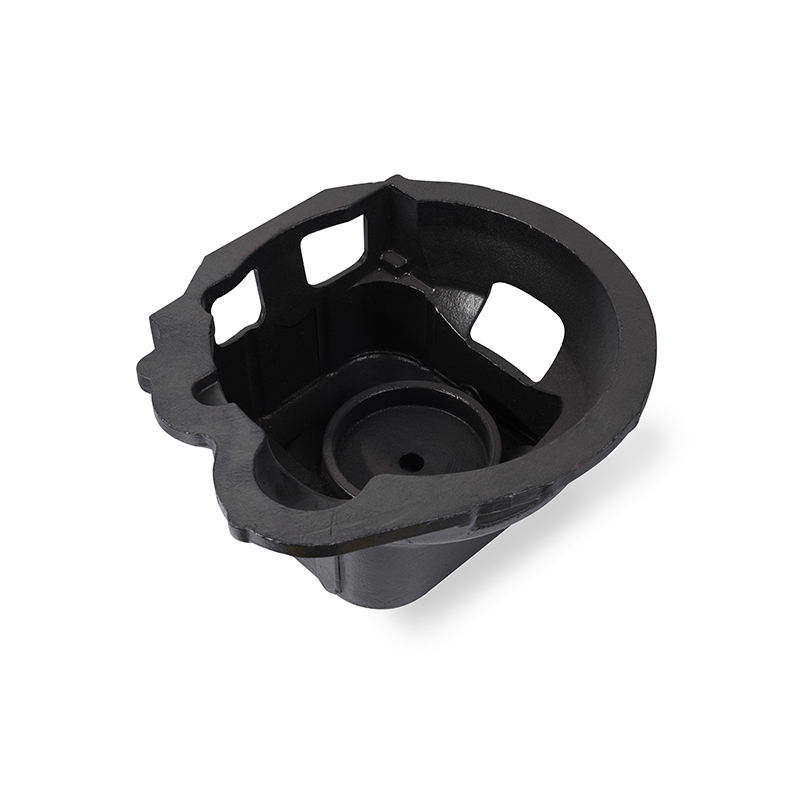
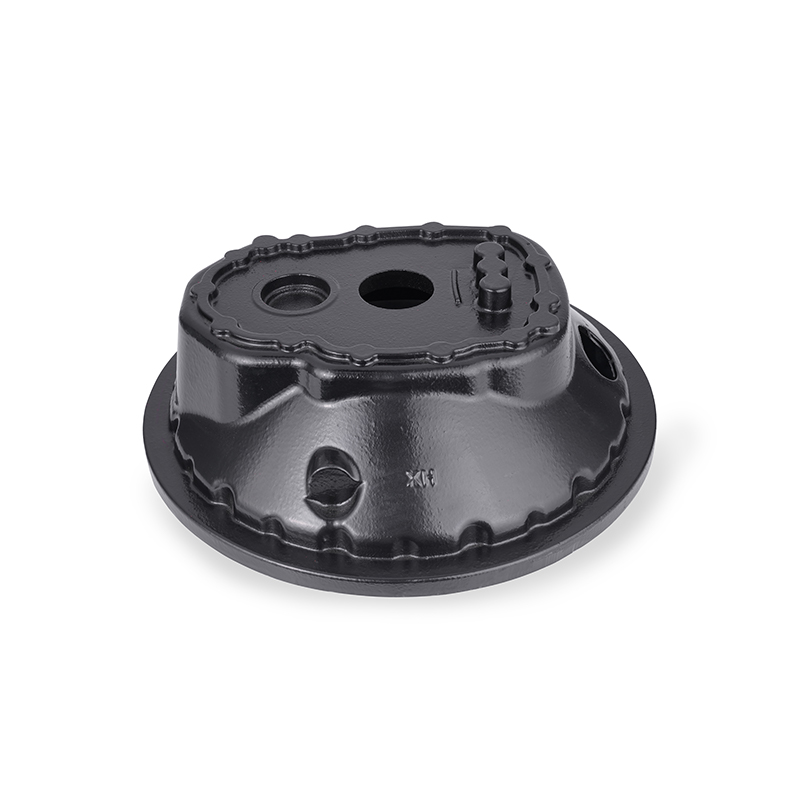
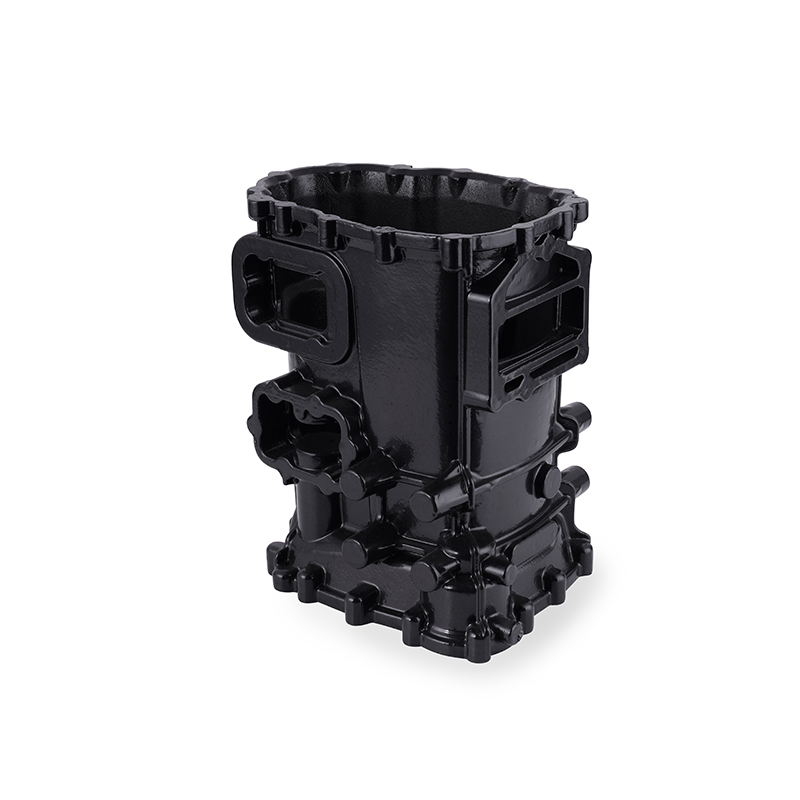
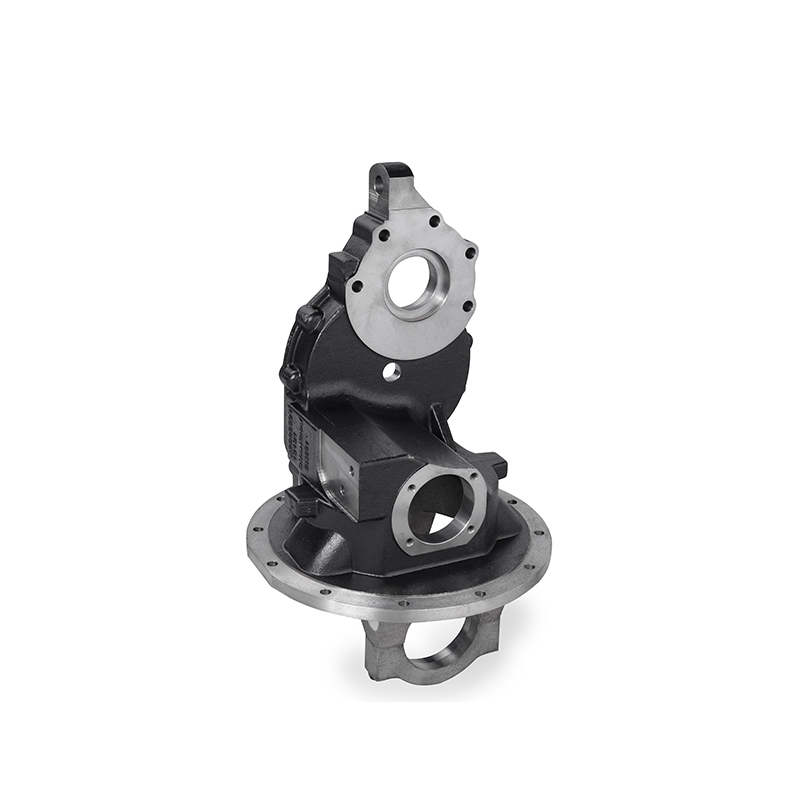
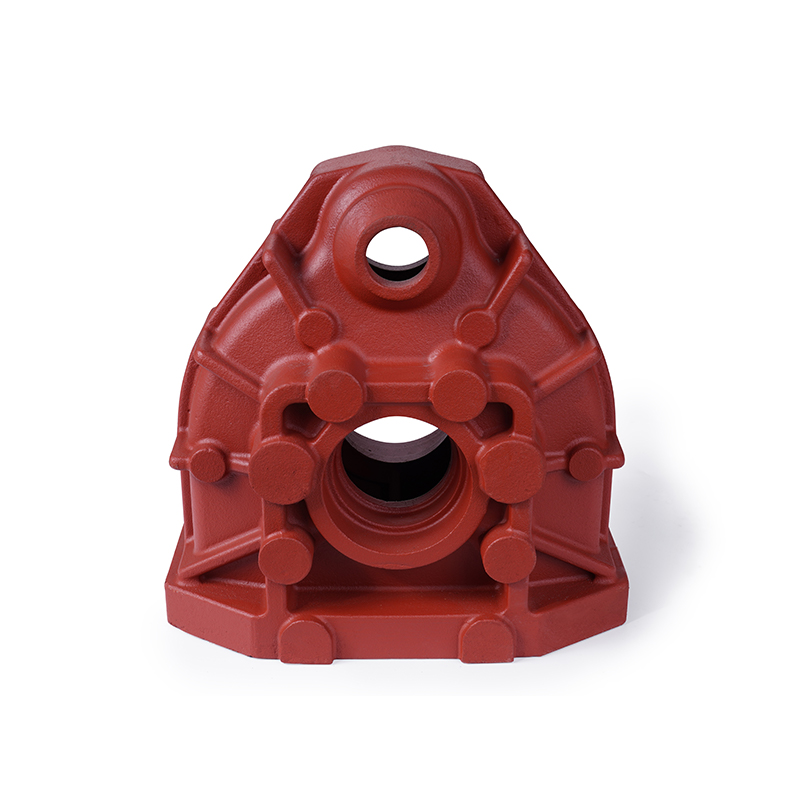
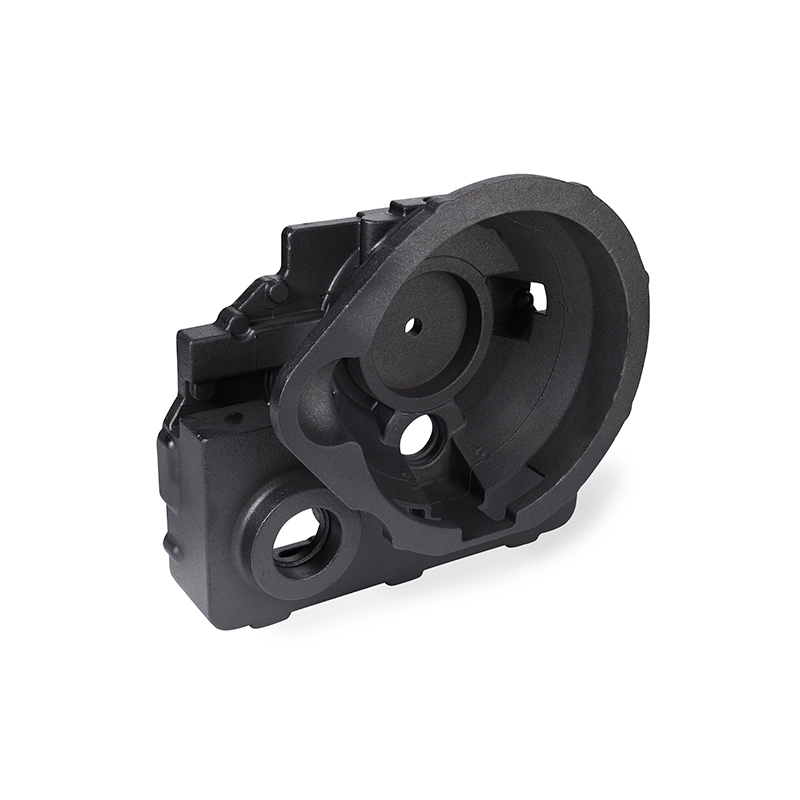
The automotive sector is arguably the largest consumer of aluminum die-cast components. Automotive applications include engine blocks, transmission housings, structural brackets, and suspension components. The adoption of aluminum die casting in vehicles is driven primarily by the need to reduce weight, improve fuel efficiency, and meet stricter emission standards.
Aluminum die-cast components offer an excellent strength-to-weight ratio, allowing automakers to replace heavier steel parts without compromising performance. Die casting also allows for precise dimensional control, which is crucial for components that must integrate with complex systems like engines or transmissions. Additionally, high-volume production is feasible with die casting, making it cost-effective for mass manufacturing.
Modern automotive designs increasingly require complex geometries and thin-walled structures to reduce material usage. Aluminum die casting enables these designs while maintaining structural integrity. Components produced via die casting often exhibit superior vibration damping and corrosion resistance compared with other metal forming methods, further increasing their suitability for automotive applications.
The aerospace industry benefits greatly from aluminum die casting, primarily due to the demand for lightweight and high-strength components. Aerospace parts, such as housings, brackets, and heat exchangers, require materials that reduce overall aircraft weight without sacrificing durability.
Aluminum alloys used in die casting provide excellent corrosion resistance and thermal stability, critical for aerospace environments exposed to fluctuating temperatures and atmospheric conditions. Die casting allows precise replication of complex parts with tight tolerances, which is essential for components affecting aerodynamics, structural integrity, and system integration.
Moreover, aluminum die casting supports the production of thin-walled, lightweight components that maintain mechanical strength, improving fuel efficiency and payload capacity. Aerospace applications also benefit from the process’s repeatability and consistency, ensuring each part meets strict safety and performance standards. This combination of precision, performance, and weight savings makes aluminum die casting invaluable to the aerospace sector.
Electronics and electrical industries increasingly rely on aluminum die casting for housings, enclosures, and heat sinks. Die-cast aluminum components are widely used in computers, LED housings, power supplies, telecommunications equipment, and other electronic devices.
The primary advantage of aluminum in electronics is its high thermal conductivity, allowing efficient heat dissipation from sensitive components. Additionally, die-cast enclosures provide electromagnetic interference (EMI) and radio-frequency interference (RFI) shielding, which protects internal circuits from environmental and operational interference.
Die casting also enables the production of complex geometries with integrated features, such as mounting points, fins, or internal channels, without additional assembly. This reduces the number of components and improves assembly efficiency. Furthermore, the smooth surface finish achievable through die casting reduces post-processing needs and enhances aesthetics, important for consumer electronics. These advantages make aluminum die casting a staple technology for modern electronic manufacturing.
Industrial machinery applications, including pumps, compressors, robotics, and machine housings, also benefit significantly from aluminum die casting. These components often require durability, corrosion resistance, and precise dimensions, which are inherently supported by the die-casting process.
Aluminum die-cast parts are strong enough to withstand repetitive mechanical loads, vibrations, and moderate impact forces. Their lightweight properties make machinery easier to handle, transport, and install. Moreover, die casting provides excellent dimensional repeatability, which is crucial for moving parts, precision assemblies, and tight-fitting components.
Industrial environments frequently involve exposure to moisture, chemicals, or high temperatures. Aluminum alloys used in die casting resist corrosion and maintain structural integrity in harsh conditions, increasing the longevity of equipment. The ability to integrate multiple features in a single die-cast component also reduces assembly time and lowers production costs, making it highly suitable for industrial applications.
Aluminum die casting is also widely applied in consumer goods, including household appliances, power tools, and recreational equipment. Examples include washing machine housings, vacuum cleaner parts, electric tool casings, and bicycle frames.
The primary benefits include lightweight construction, which enhances ergonomics and ease of use. Die casting also enables cost-effective mass production of consistent, high-quality parts with complex shapes, reducing labor and assembly requirements. The smooth surface finish achievable through die casting can often eliminate the need for extensive post-processing, improving efficiency and aesthetics.
Additionally, die-cast aluminum components are durable and corrosion-resistant, making them suitable for long-term consumer use. The combination of low weight, high strength, and excellent surface quality makes aluminum die casting a preferred manufacturing method for high-volume consumer applications.
| Industry | Key Applications | Benefits of Aluminum Die Casting |
|---|---|---|
| Automotive | Engine blocks, brackets, housings | Lightweight, strong, high-volume production |
| Aerospace | Housings, brackets, heat exchangers | Weight reduction, precision, corrosion resistance |
| Electronics & Electrical | Enclosures, heat sinks, LED housings | Thermal management, EMI/RFI shielding, complex shapes |
| Industrial Machinery | Pumps, compressors, robotics | Durable, precise, corrosion-resistant |
| Consumer Goods & Appliances | Appliances, power tools, bicycles | Lightweight, ergonomic, cost-effective |
Q1: What aluminum alloys are commonly used for die casting?
A1: Common alloys include AlSi12, AlSi9Cu3, and AlSi10Mg, chosen for fluidity, mechanical properties, and corrosion resistance.
Q2: Can aluminum die casting replace steel in structural components?
A2: In many cases, yes. Aluminum alloys offer excellent strength-to-weight ratios, though steel may still be preferred for extremely high-load or impact-resistant components.
Q3: Are post-machining operations required for die-cast parts?
A3: Often yes, particularly for threaded holes, mating surfaces, or critical tolerances, although die casting reduces the amount of machining required compared with other processes.
Q4: Why is die casting preferred over sand casting for consumer and electronics parts?
A4: Die casting provides high dimensional accuracy, smooth surfaces, complex geometry capability, and high-volume repeatability, making it more suitable for precise and aesthetic parts.




 русский
 日本語
日本語