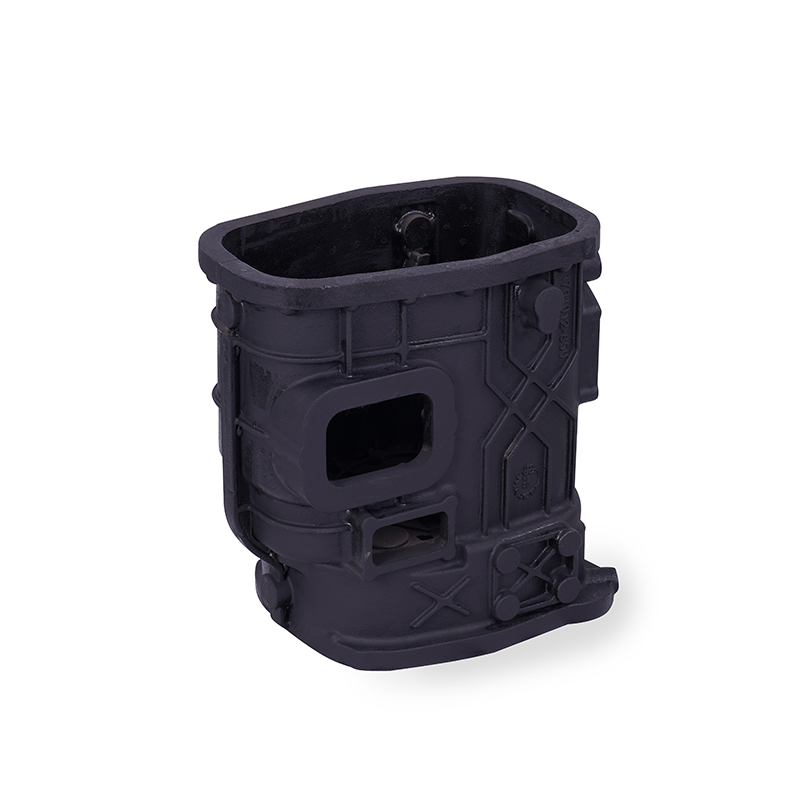
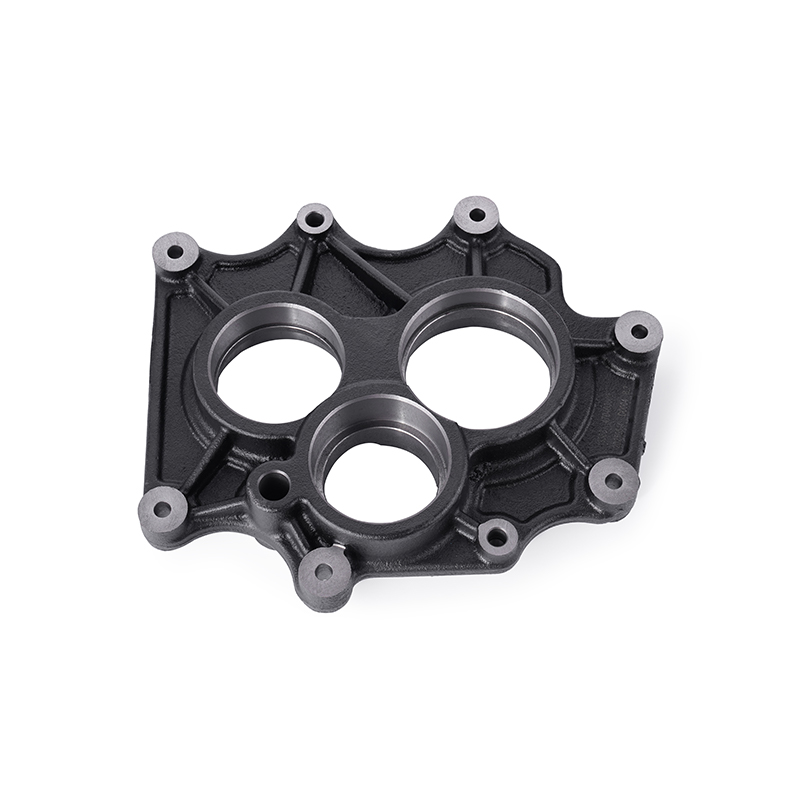
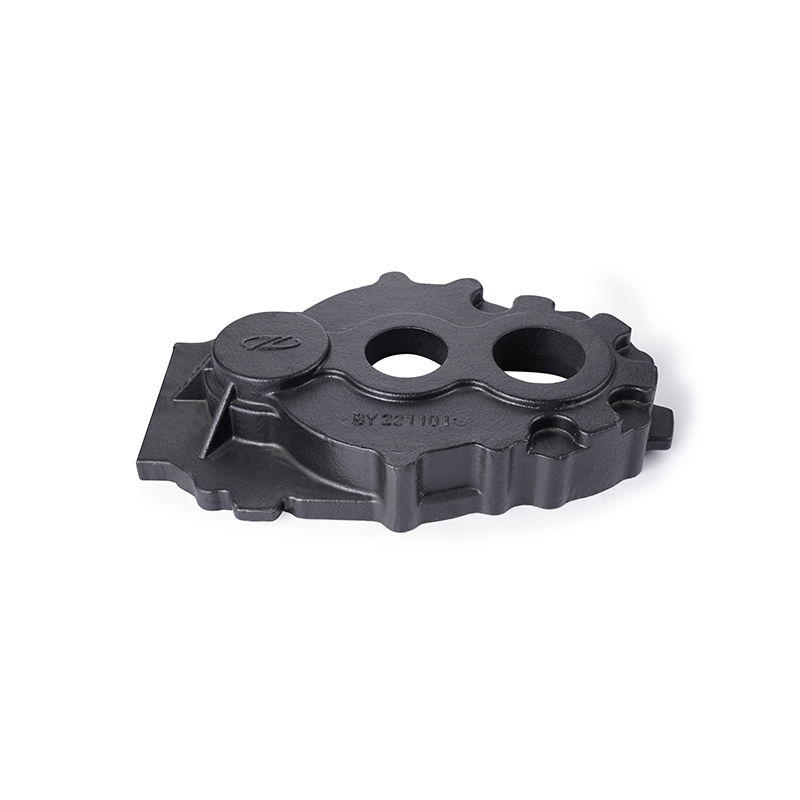
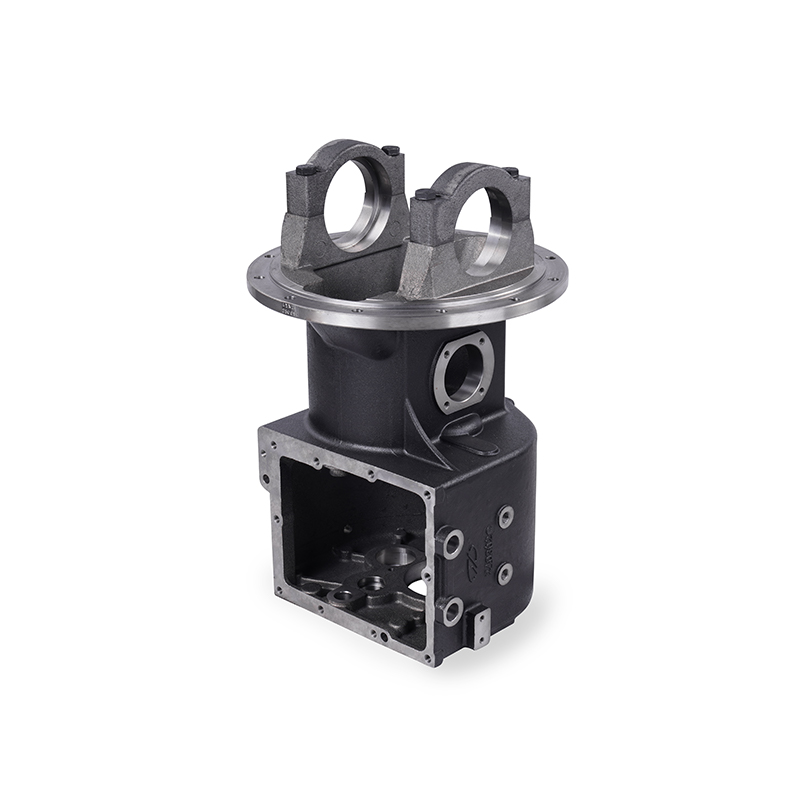
Cast iron casting is a metal forming process in which molten cast iron is poured into molds and allowed to solidify, producing components of specific shapes and dimensions. Cast iron, an iron-carbon alloy with carbon content typically between 2.0% and 4.0%, is widely used due to its excellent fluidity in molten form, ease of casting complex geometries, high wear resistance, and cost-effectiveness for medium to large-scale production. The high carbon content lowers the melting point, allowing casting at temperatures around 1,150–1,200°C, and contributes to the formation of graphite structures that influence mechanical properties.
Cast iron is not a single material but a family of alloys, each with unique characteristics:
The versatility of cast iron alloys makes casting a suitable solution for automotive, construction, machinery, and energy sectors.
The first step in cast iron casting is pattern design. Patterns are replicas of the final component, slightly oversized to account for shrinkage during cooling. Materials for patterns include wood, metal, or plastic, depending on the casting volume and precision requirements. Complex components may require core inserts to form hollow sections.
Once the pattern is ready, a mold is created by packing sand, resin-bonded sand, or other molding materials around the pattern. In sand casting, the mold cavity replicates the desired shape of the final part. Attention must be given to draft angles, fillets, and surface finish to facilitate mold removal and improve casting quality. Gating systems are also designed at this stage to control the flow of molten iron and minimize turbulence, ensuring uniform filling and reducing defects such as gas entrapment or cold shuts.
Proper mold preparation is critical to achieving dimensional accuracy, surface quality, and mechanical properties. In addition, modern foundries often employ computer-aided design (CAD) and simulation tools to optimize mold geometry, gating, and riser placement, improving yield and minimizing scrap.
Once the mold is prepared, the next step is melting the cast iron. Cast iron can be melted in cupola furnaces, electric induction furnaces, or electric arc furnaces. The choice of furnace depends on production volume, energy efficiency, and alloy control requirements. Typical melting temperatures range from 1,150°C to 1,200°C, ensuring adequate fluidity for complex mold filling.
During melting, precise control of chemical composition is essential. Alloying elements like silicon, manganese, nickel, and chromium are added to adjust mechanical properties, solidification behavior, and graphite formation. The melt is often subjected to degassing and desulfurization treatments to reduce inclusions and prevent porosity in the final casting. In modern foundries, real-time monitoring systems ensure the melt maintains the desired temperature and composition, guaranteeing consistent quality for mass production.
After melting, the molten cast iron is carefully poured into the mold through the gating system. Proper pouring is critical to avoid turbulence, air entrapment, and uneven filling, which can lead to defects like shrinkage cavities, cold shuts, or blowholes. Molten metal flows from the sprue to runners and gates, filling the cavity gradually to allow heat to dissipate evenly.
The pouring rate and temperature are controlled to maintain a stable fluid front. Modern foundries often use automated pouring systems with precise flow control to improve safety and repeatability. Pouring is typically performed with protective equipment and safety protocols due to the high temperature of molten cast iron, which can reach 1,200°C.
Once the mold is filled, the cast iron begins to solidify. Cooling rate significantly influences the microstructure and mechanical properties of the casting. Slower cooling generally promotes the formation of coarse graphite flakes in gray cast iron, enhancing vibration damping, while faster cooling can produce fine graphite or white iron structures, improving hardness and wear resistance.
Risers or feeders are used to compensate for shrinkage as the metal solidifies. In complex castings, simulation software is often employed to predict cooling patterns, identify hot spots, and optimize riser placement to prevent porosity and structural defects. Uniform cooling ensures consistent mechanical properties across the component and reduces internal stresses that could lead to cracking.
After solidification, the mold is broken in a process called shakeout, and the casting is separated. Sand, cores, and other mold materials are removed. Any excess metal from runners, gates, or risers is cut off, and the casting is cleaned using methods such as shot blasting, grinding, or chemical cleaning.
Finally, castings often undergo machining, heat treatment, or surface finishing to achieve precise dimensions, tolerances, and surface quality. This step is crucial for functional components that require high dimensional accuracy, such as engine blocks, machinery parts, or pump housings.
The following table summarizes different cast iron types and their properties:
| Cast Iron Type | Graphite Form | Key Properties | Typical Applications |
|---|---|---|---|
| Gray Cast Iron | Flake | Good damping, machinable, moderate strength | Engine blocks, machinery bases, pipes |
| Ductile Cast Iron | Spherical | High tensile strength, ductile, impact-resistant | Pressure pipes, automotive components |
| White Cast Iron | Carbide/Hard | Extremely hard, wear-resistant, brittle | Liners, grinding balls, wear-resistant surfaces |
| Malleable Cast Iron | Heat-treated | Improved ductility and toughness | Fittings, hardware, brackets |
Q1: Why is cast iron preferred over steel for some components?
A1: Cast iron offers superior vibration damping, wear resistance, and lower cost for large or complex parts, making it ideal where these properties are prioritized.
Q2: What are common defects in cast iron casting?
A2: Defects include shrinkage cavities, porosity, cold shuts, and cracks. Proper gating, riser design, and cooling control help minimize these issues.
Q3: Can cast iron be used for thin-walled components?
A3: Yes, but careful control of cooling rate and mold design is required, as cast iron is more brittle than steel.
Q4: What industries rely heavily on cast iron casting?
A4: Automotive, heavy machinery, construction equipment, pump and valve manufacturing, and energy industries.




 русский
 日本語
日本語