Iron die casting and aluminum die casting are two widely used metal casting processes in modern manufacturing. Both methods involve forcing molten metal into a mold under high pressure, allowing for the production of precise, complex shapes with high repeatability. However, the two materials—iron and aluminum—have very different physical properties, which impact their suitability for various applications. Iron is a dense, strong material with excellent wear resistance and heat tolerance, making it ideal for heavy-duty parts such as engine blocks, industrial machinery components, and structural elements. Aluminum, on the other hand, is lightweight, corrosion-resistant, and highly versatile, which is why it is commonly used in automotive, aerospace, and consumer electronics components where weight reduction is critical.
Understanding the differences between these two casting methods helps manufacturers choose the right material for their specific application, balancing cost, strength, durability, and weight considerations. Moreover, both iron and aluminum die casting have unique process requirements and limitations, which can influence production efficiency, tooling costs, and overall project feasibility.
The properties of the base metal are the primary factor that differentiates iron and aluminum die casting. Iron has a higher density and tensile strength, which provides excellent structural stability under heavy loads. Its wear resistance and heat tolerance also make it suitable for high-temperature environments. However, iron is prone to corrosion if not properly treated and is significantly heavier than aluminum, which can increase transportation and handling costs.
Aluminum, in contrast, is lightweight yet sufficiently strong for many applications. It offers exceptional corrosion resistance and thermal conductivity, making it suitable for heat-sensitive or outdoor applications. Aluminum’s lower melting point also reduces energy consumption during casting and allows for faster production cycles. While aluminum parts may not match iron in sheer strength or wear resistance, their lighter weight and ease of machining often make them more cost-effective for applications where weight is a key concern.
The die casting process for iron and aluminum differs in several critical ways, primarily due to their physical properties. Iron’s higher melting point requires more robust molds made from high-grade steel to withstand repeated thermal stress. The process also involves higher injection pressures and slower cooling rates to prevent cracking and ensure dimensional stability. Conversely, aluminum’s lower melting point allows for faster cycle times and lower injection pressures, which can improve production efficiency.
Iron die casting generally requires more energy-intensive processes, including preheating molds and maintaining higher furnace temperatures. Aluminum, being easier to cast, often requires less complex mold maintenance and allows for thinner walls and more intricate designs. However, aluminum parts may need additional post-processing to enhance surface finish and strength, depending on the application.
| Property/Aspect | Iron Die Casting | Aluminum Die Casting |
|---|---|---|
| Density | Higher (heavier parts) | Lower (lightweight parts) |
| Tensile Strength | High, excellent for heavy-duty parts | Moderate, suitable for weight-sensitive parts |
| Corrosion Resistance | Moderate (requires coating or treatment) | High, naturally corrosion-resistant |
| Melting Point | ~1200°C | ~660°C |
| Cycle Time | Longer | Shorter |
| Mold Requirements | High-strength steel molds | Standard steel molds |
| Typical Applications | Engine blocks, machinery, industrial components | Automotive parts, aerospace, electronics |
Cost is a crucial factor in selecting between iron and aluminum die casting. Iron is generally more expensive in terms of raw material and energy consumption due to its higher melting point. The need for stronger molds and longer production cycles also increases overall manufacturing costs. Additionally, iron parts are heavier, which may add shipping and handling expenses. However, iron’s superior durability and load-bearing capacity can justify the higher initial investment for applications where longevity and strength are critical.
Aluminum offers cost advantages for applications requiring lightweight components. Its lower melting point reduces energy usage, and faster production cycles can increase output and reduce labor costs. Aluminum molds are also typically less expensive to manufacture and maintain. However, post-processing such as surface finishing or heat treatment may add extra costs, depending on the part requirements. Manufacturers must balance the upfront casting costs with the long-term benefits of durability, weight, and maintenance when making material decisions.
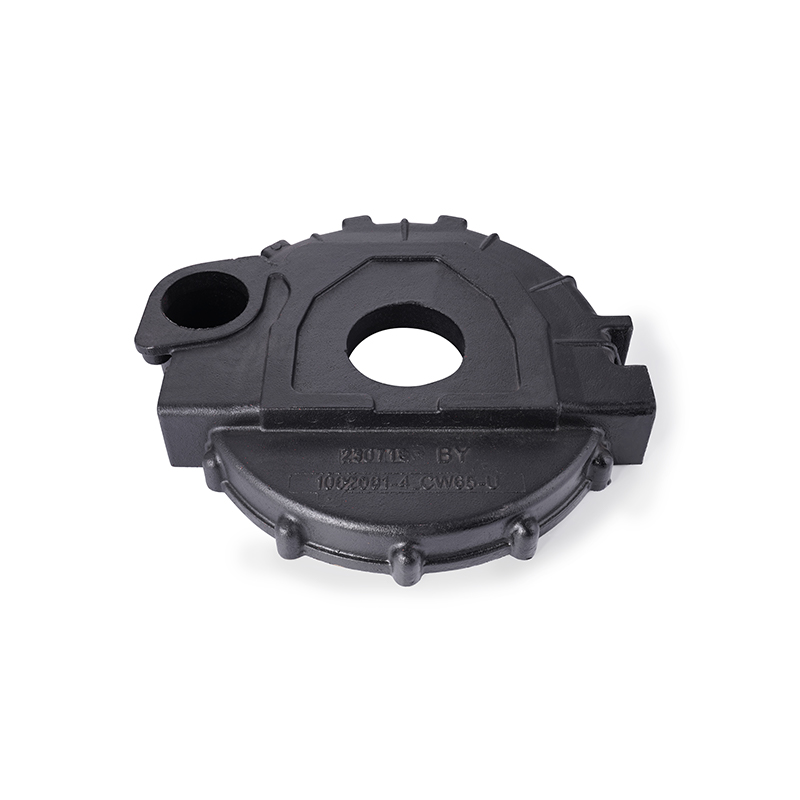
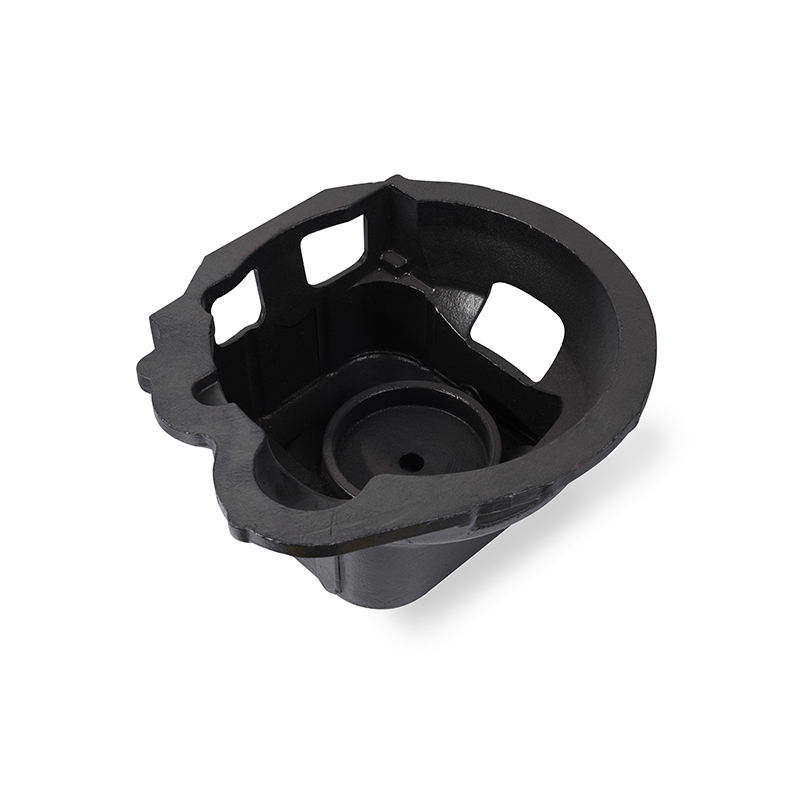
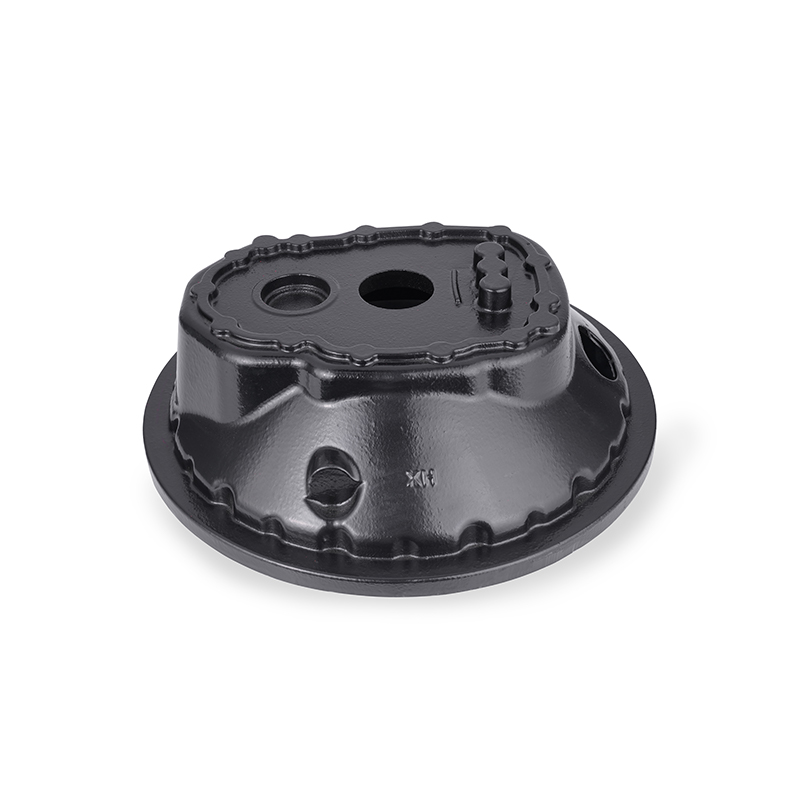
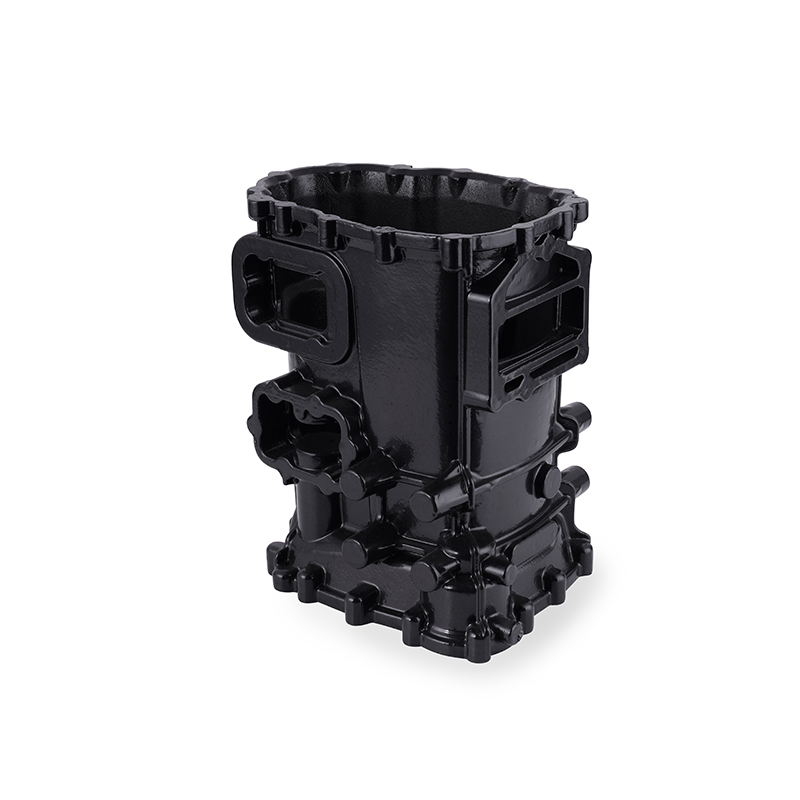
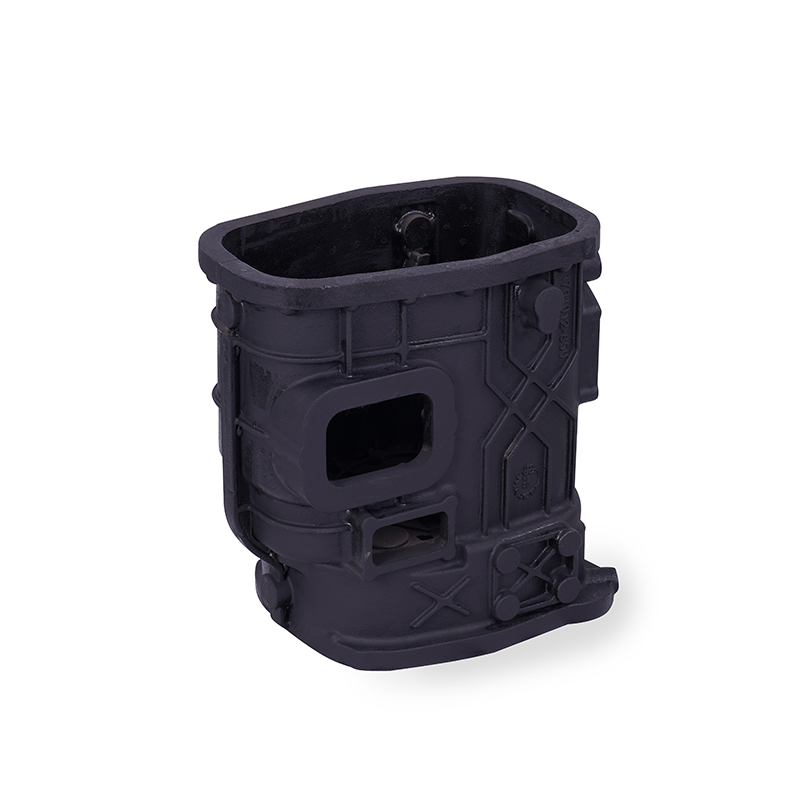
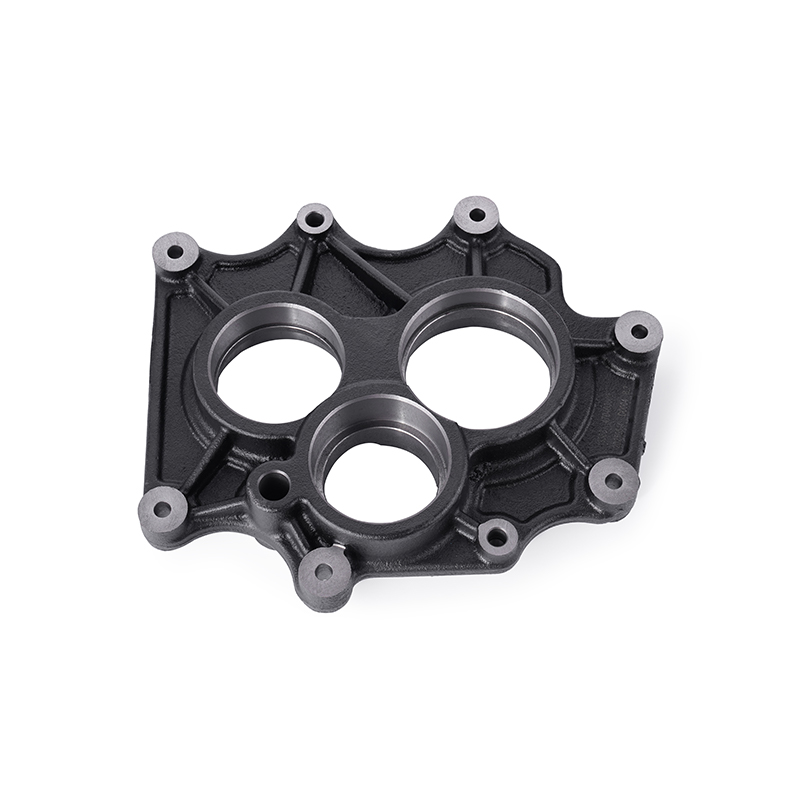
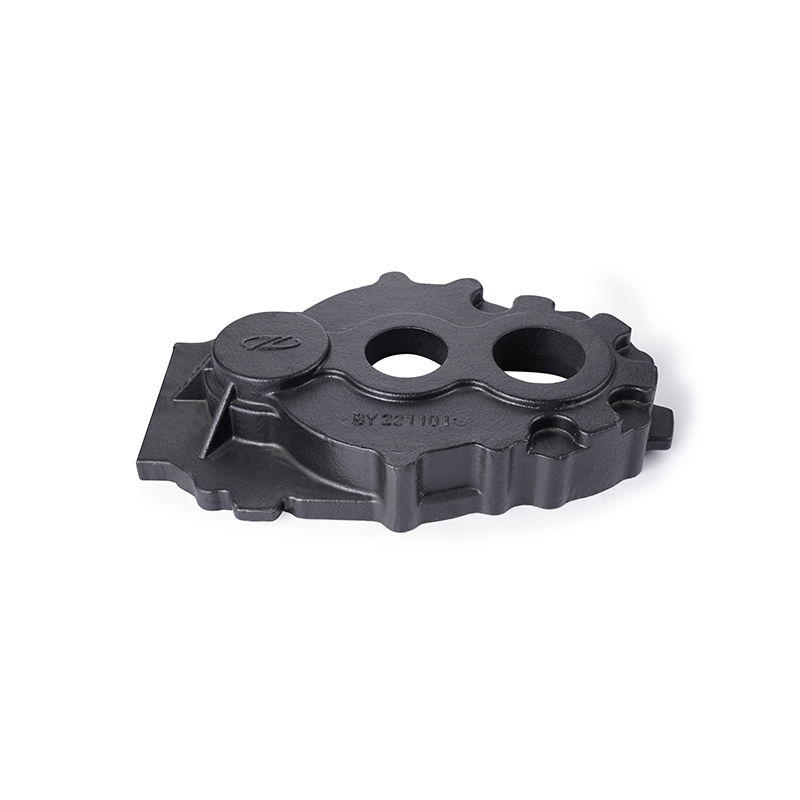
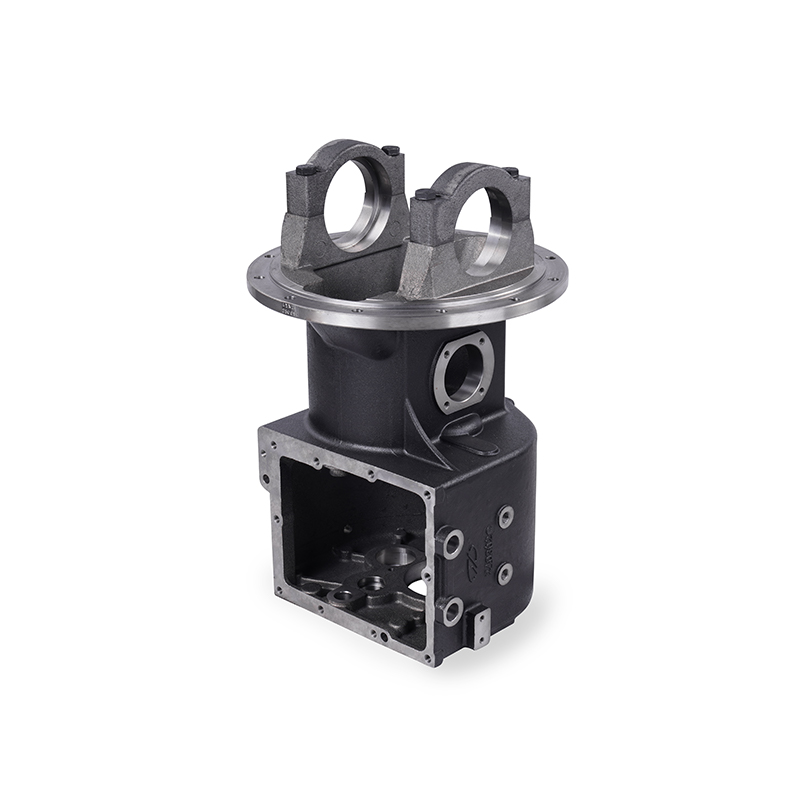
Iron die casting is widely used in industries that demand high strength, durability, and heat resistance. Automotive engine components, heavy machinery parts, and structural industrial elements are typical applications. Its ability to withstand significant mechanical stress and wear makes it ideal for critical components that must last for years under demanding conditions.
Aluminum die casting, in contrast, is preferred in applications where weight reduction and corrosion resistance are crucial. Automotive bodies, aerospace components, consumer electronics, and household appliances often utilize aluminum die casting. The combination of lightweight and adequate strength allows for improved fuel efficiency in vehicles and better performance in electronic devices, making aluminum highly versatile in modern manufacturing.
Iron Die Casting Pros:
Iron Die Casting Cons:
Aluminum Die Casting Pros:
Aluminum Die Casting Cons:
Choosing between iron and aluminum die casting depends on project requirements, budget, and end-use conditions. For applications that demand high strength, wear resistance, and heat tolerance, iron is the better choice despite its higher cost and weight. Conversely, for components where lightweight, corrosion resistance, and faster production are more critical, aluminum is often preferable. Manufacturers should also consider long-term costs, including maintenance, durability, and energy consumption, to ensure that the chosen material aligns with overall project goals.
Q1: Can aluminum die casting replace iron in all applications?
A1: No, aluminum is lighter and corrosion-resistant but lacks the high tensile strength and wear resistance of iron, making it unsuitable for very heavy-duty or high-temperature applications.
Q2: Which die casting method is more energy-efficient?
A2: Aluminum die casting is generally more energy-efficient due to its lower melting point and shorter cycle times.
Q3: Are there hybrid approaches using both metals?
A3: Some manufacturers use a combination of iron and aluminum components in assemblies to balance strength and weight, but direct hybrid die casting is uncommon due to different melting points.
Q4: How do costs compare for small vs. large production runs?
A4: Aluminum often has lower initial tooling costs and faster cycle times, making it more cost-effective for small to medium runs, while iron’s durability may justify higher upfront costs for large-scale, long-term production.




 русский
 日本語
日本語