Construction machinery cast iron casting refers to the industrial process of manufacturing cast iron components used in heavy-duty construction equipment such as excavators, loaders, bulldozers, cranes, concrete mixers, and road machinery. These parts are produced by melting iron and alloying materials, pouring them into molds, and solidifying them into precise geometries capable of withstanding extreme loads, pressure, vibration, and abrasion.
Cast iron is especially favored in the construction machinery industry due to its combination of high strength, excellent wear resistance, robust vibration damping, and cost-effectiveness. As construction projects become more demanding—requiring longer machine uptime and fewer breakdowns—the durability and reliability provided by cast iron components are becoming increasingly crucial.
Construction machinery cast iron casting involves shaping molten iron into components that meet the mechanical and structural requirements of heavy equipment. Different types of cast iron are selected based on performance needs, including gray iron, ductile iron, compacted graphite iron (CGI), and alloyed cast irons.
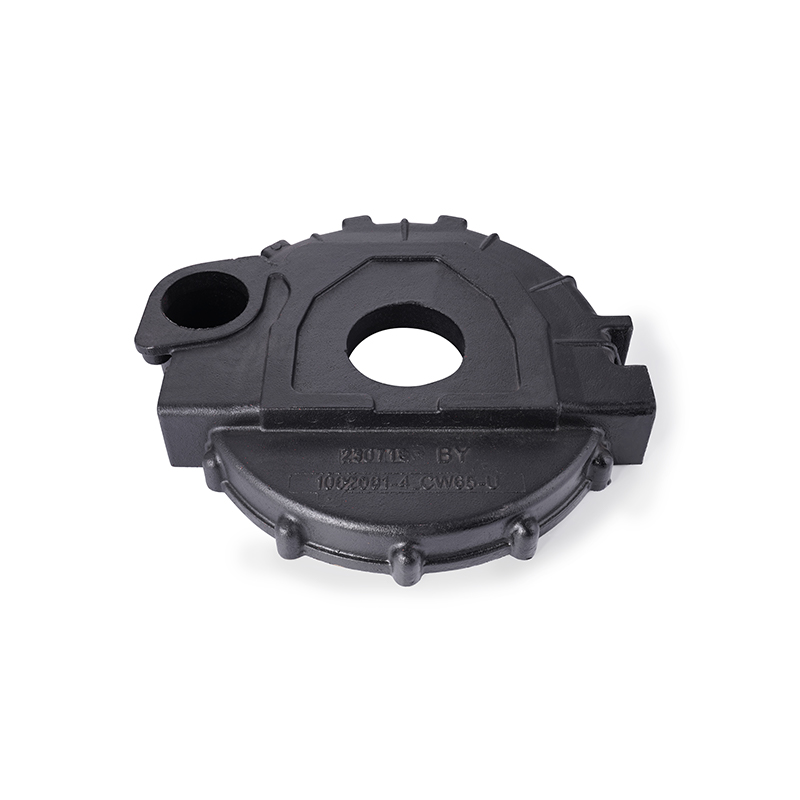
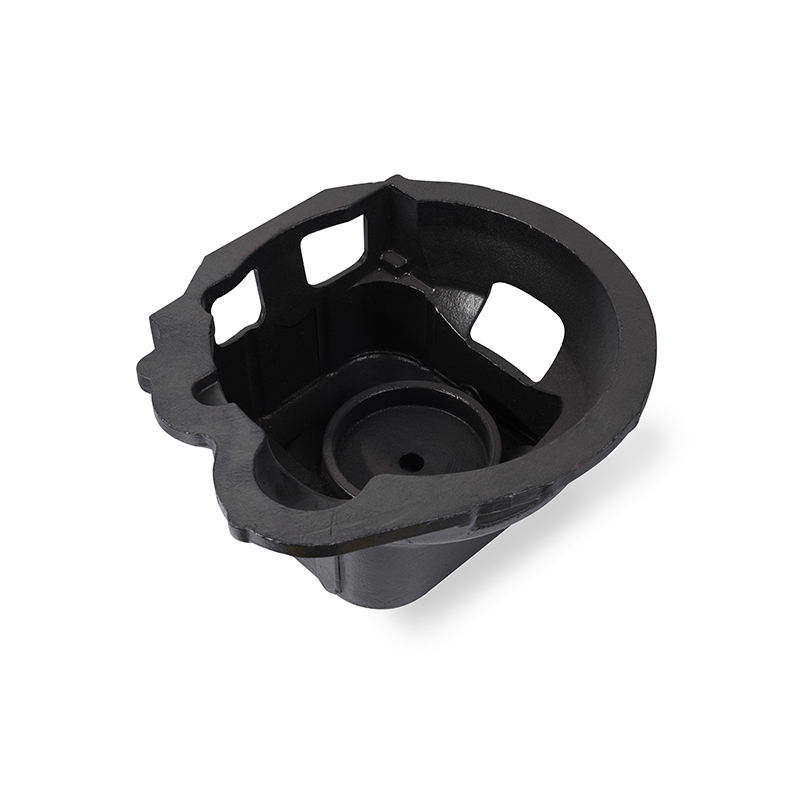
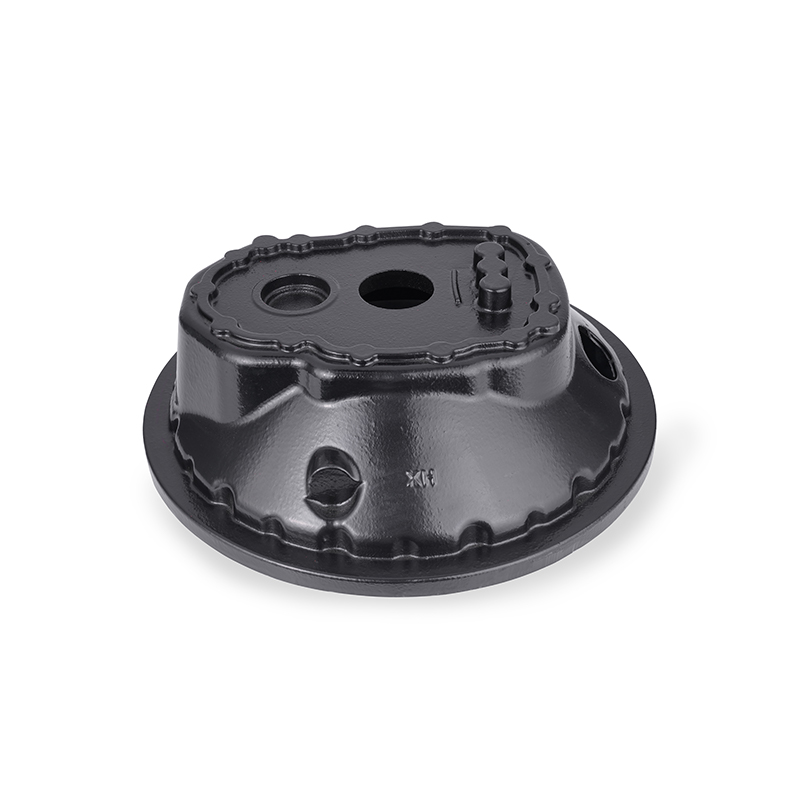
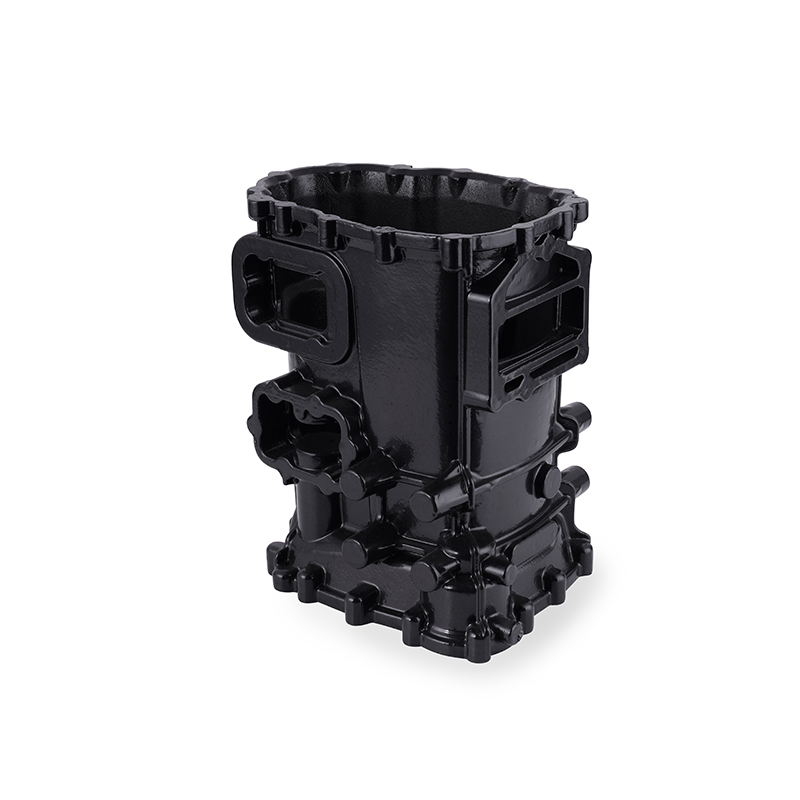
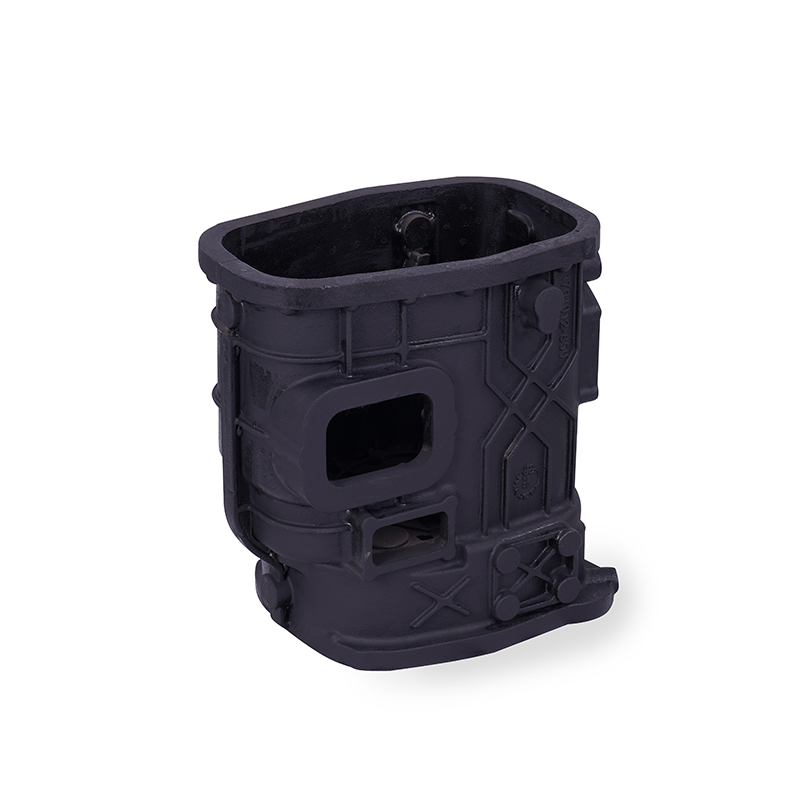
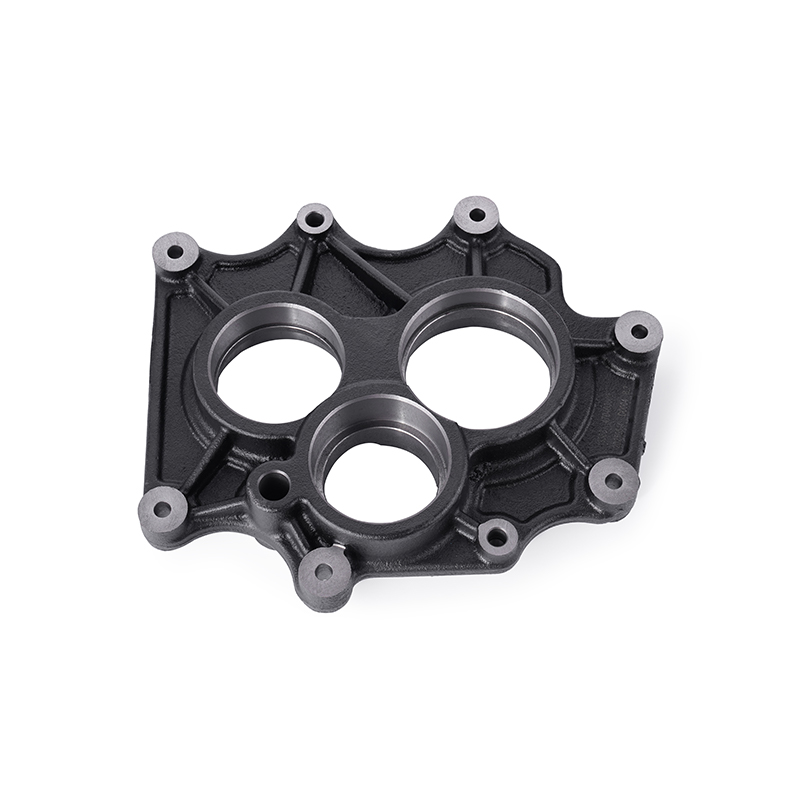
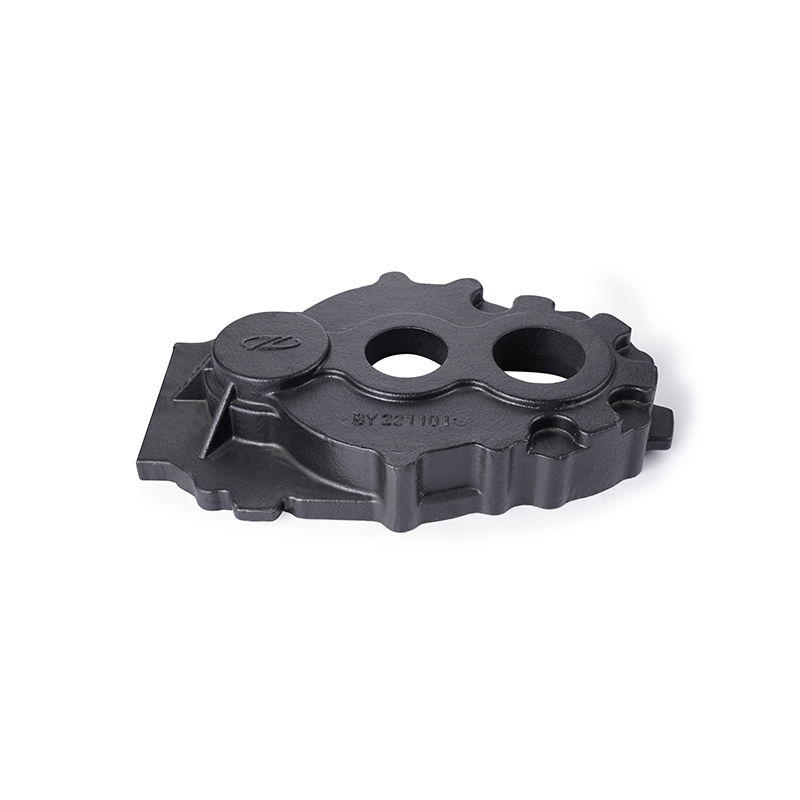
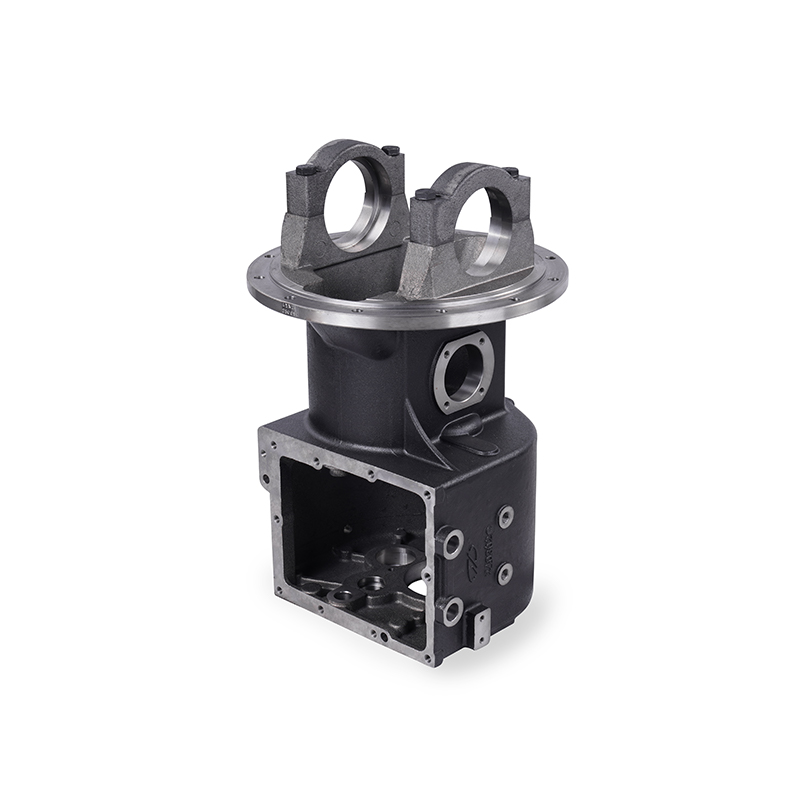
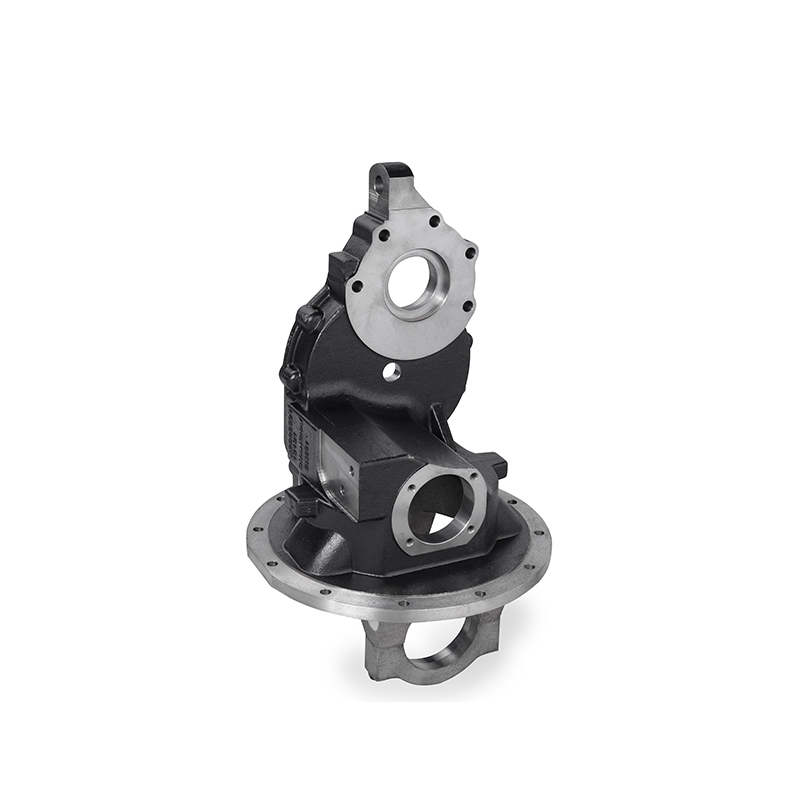
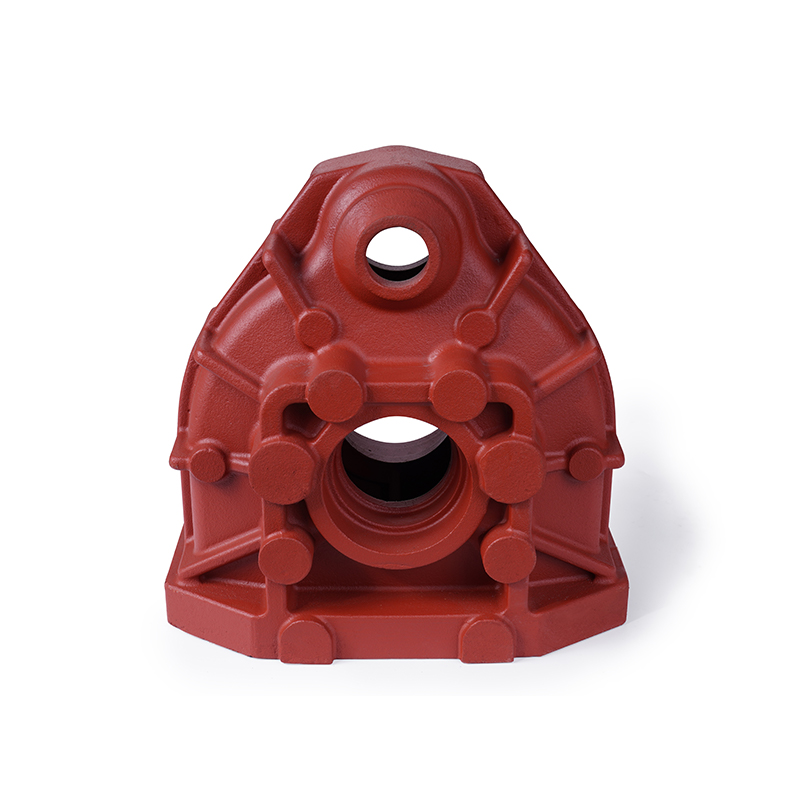
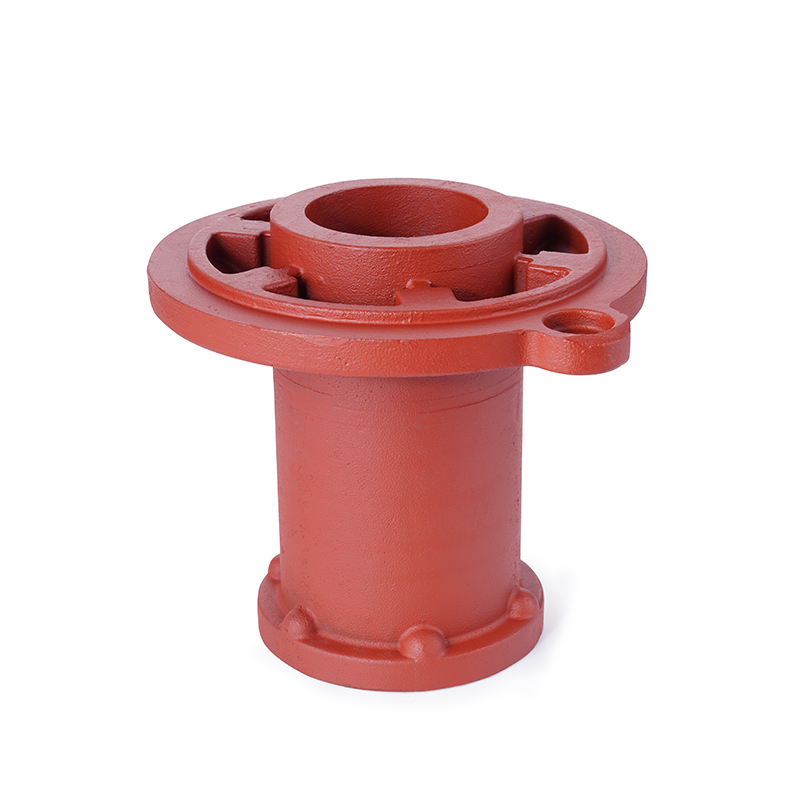
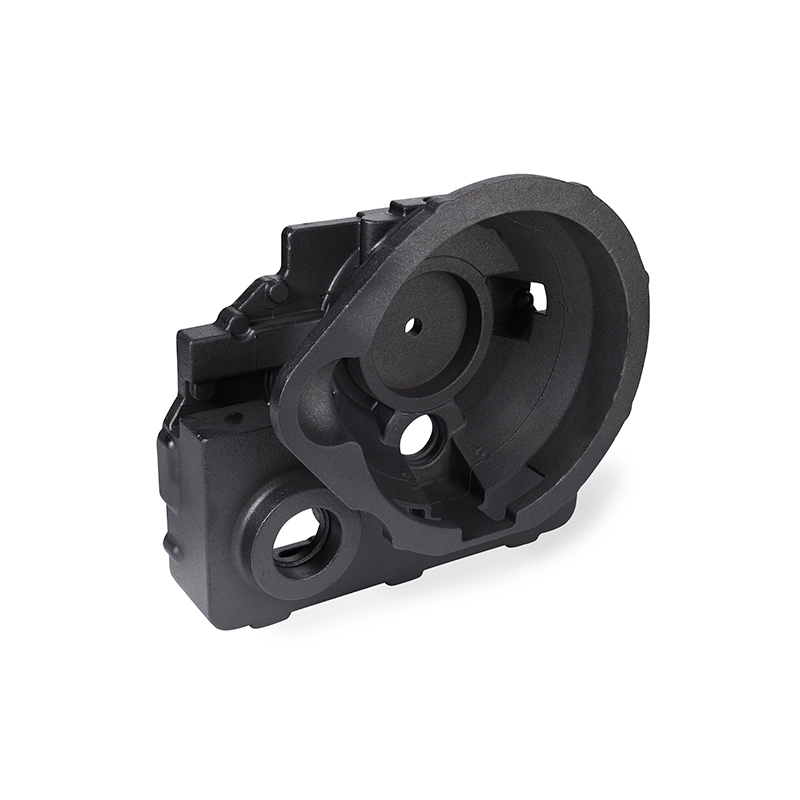
Cast iron components are used extensively in structural, functional, and wear-critical areas of construction equipment.
These components function as the backbone of heavy machinery, enabling stable performance under harsh and continuous workloads.
| Cast Iron Type | Strength | Toughness | Wear Resistance | Vibration Damping | Typical Applications |
|---|---|---|---|---|---|
| Gray Cast Iron | Medium | Low | Medium | Excellent | Engine blocks, pump housings |
| Ductile Iron (Nodular Iron) | High | High | High | Good | Axle housings, gears, knuckles |
| Compacted Graphite Iron (CGI) | Very high | Medium-high | High | Medium | High-performance engine parts |
| High-Chromium Cast Iron | Medium | Low | Very high | Low | Wear plates, undercarriage parts |
Construction machinery operates under constant stress, often in extreme environments such as:
Cast iron—especially ductile iron—provides:
These properties allow cast iron components to withstand dynamic loads, ensuring that structural and functional parts maintain integrity even under severe working conditions.
Construction machinery often works in abrasive conditions where components are continuously exposed to:
Cast iron naturally forms a hard microstructure that resists:
For example:
This ultimately extends component lifespan and reduces maintenance frequency.
One of the hallmark characteristics of cast iron—especially gray cast iron—is its ability to dampen vibration. This property is essential for machinery that includes:
Benefits include:
These advantages contribute to the machine’s overall durability and long-term reliability.
Cast iron is one of the most flexible engineering materials in terms of manufacturing. It can be cast into:
Manufacturers benefit from:
This makes cast iron ideal for engine blocks, pump housings, gearboxes, and hydraulic bodies, which require intricate internal structures.
Construction machinery generates large amounts of heat due to:
Cast iron remains dimensionally stable at high temperatures, which prevents:
This property is critical for components such as:
Heat resistance significantly improves machine safety and reliability.
For large structural or functional components, cast iron is far more economical than forged steel or welded assemblies.
Reasons include:
For large-scale equipment such as excavators, cranes, or wheel loaders, cast iron offers the ideal balance of performance and affordability.




 русский
 日本語
日本語