When a transmission housing arrives with internal shrinkage porosity, the cost is not limited to the rejected part. It includes the stalled assembly line, the re-inspection cycle, and the missed delivery date. A reliable cast iron foundry is chosen for its ability to control metallurgy, repeat mold quality, and coordinate downstream machining—not merely for its lowest quote. The right foundry partner pays for itself through fewer defects and better end-product performance.
A cast iron foundry converts iron scrap and alloys into engineered components. The process begins with melting in an induction furnace, followed by chemistry adjustment in the laboratory. The molten iron is then poured into sand molds formed around patterns and core boxes. For gray iron, the carbon flakes remain as a network. For ductile iron, a magnesium treatment changes the carbon into spherical nodules, which improves ductility. Mold quality, pouring temperature, and cooling rate all affect the final microstructure. The broad range of steps is exactly why we refer to a comprehensive guide to cast iron casting processes when training new buyers.
An experienced foundry can also manage the transition from raw casting to machined component. This includes CNC turning, milling, pressure testing, and surface treatment. When a supplier controls this full loop, you reduce the number of interfaces on your project and gain a single point of accountability.
The choice between gray and ductile iron is a mechanical design decision, not a cost-only calculation. Gray iron offers excellent damping capacity and machinability, which makes it suitable for parts that absorb vibration, such as flywheels, brake drums, and transmission housings. Ductile iron provides higher ductility and impact resistance, so it is preferred for structural components like axle housings, gearbox housings, and suspension brackets. The table below highlights the practical trade-offs.
| Property | Gray Iron | Ductile Iron |
|---|---|---|
| Tensile Strength | 150–400 MPa | 400–800 MPa |
| Elongation | Less than 1% | 3–18% |
| Impact Resistance | Low | High |
| Damping Capacity | High | Moderate |
| Machinability | Excellent | Good |
| Typical Applications | Flywheels, brake drums, transmission housings | Gearbox housings, axle housings, suspension brackets |
For a gearbox housing that carries cyclic torque, ductile iron gives you a safety margin against brittle fracture while still being machinable. For a large flywheel, gray iron's damping capacity reduces noise and vibration in the powertrain. If you are unsure, ask the foundry for a casting simulation and mechanical test data before tooling begins.
If you are following ASTM standards, gray iron is typically specified as ASTM A48 Class 20-40, while ductile iron is commonly specified as ASTM A536 Grade 60-40-18 or 65-45-12. Match the grade to the service load, and ask the foundry for a certificate of compliance for each heat. These certifications should show the carbon equivalent, sulfur content, and the specific nodularity percentage for ductile iron.
Sourcing should focus on measurable evidence, not marketing language. Ask each candidate foundry to demonstrate the following capabilities during the audit phase.
A foundry that answers these questions with documented data is more likely to maintain repeatable part quality. Use a scoring sheet during the audit, and weight the metallurgical control factor highest, because that is the root of most casting defects.
Cast iron components appear in many industrial sectors, and each sector imposes different demands on the foundry. The following examples show how material selection and part geometry connect to the working environment.
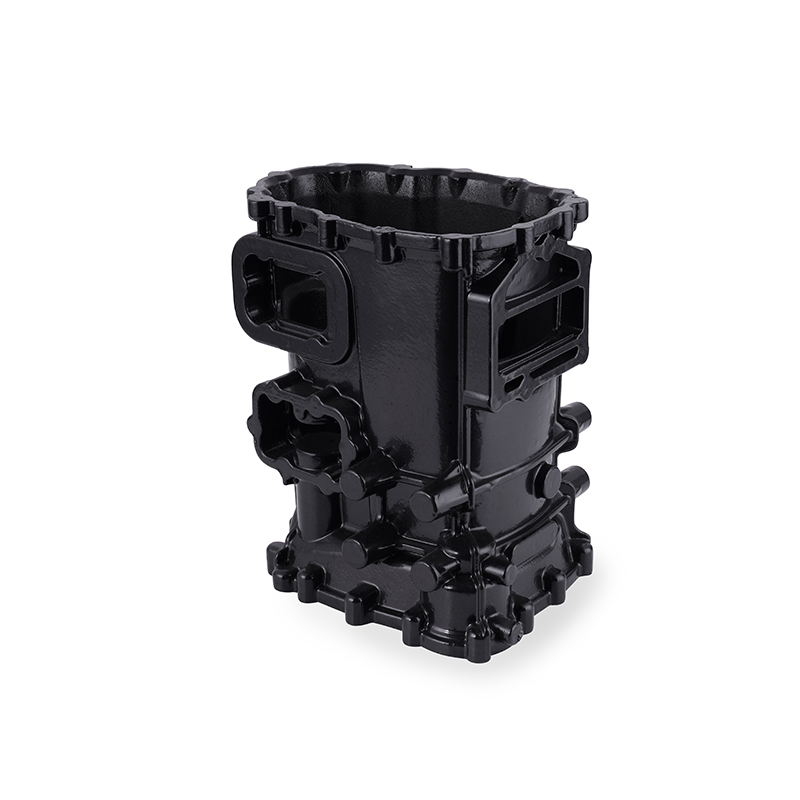
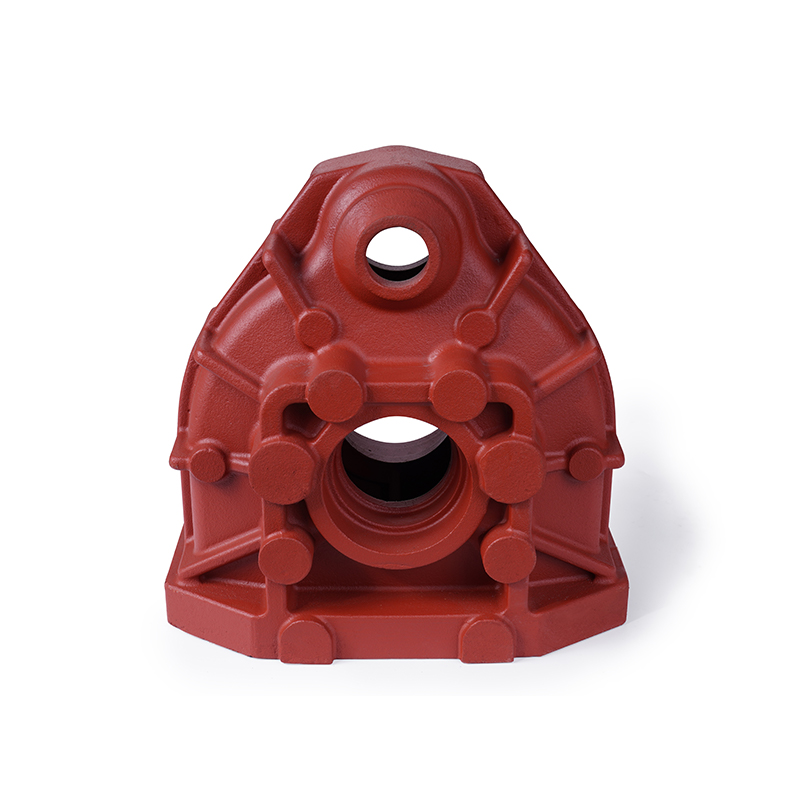
Farm machinery runs under heavy loads, dust, and vibration. Tractor transmission housings and lift covers are commonly cast in gray iron for rigidity and damping. Gearbox housings in ductile iron withstand shock loads from the driveline. A reliable agricultural casting supplier will pay attention to the location of bosses and ribs to avoid distortion in thin-wall sections.
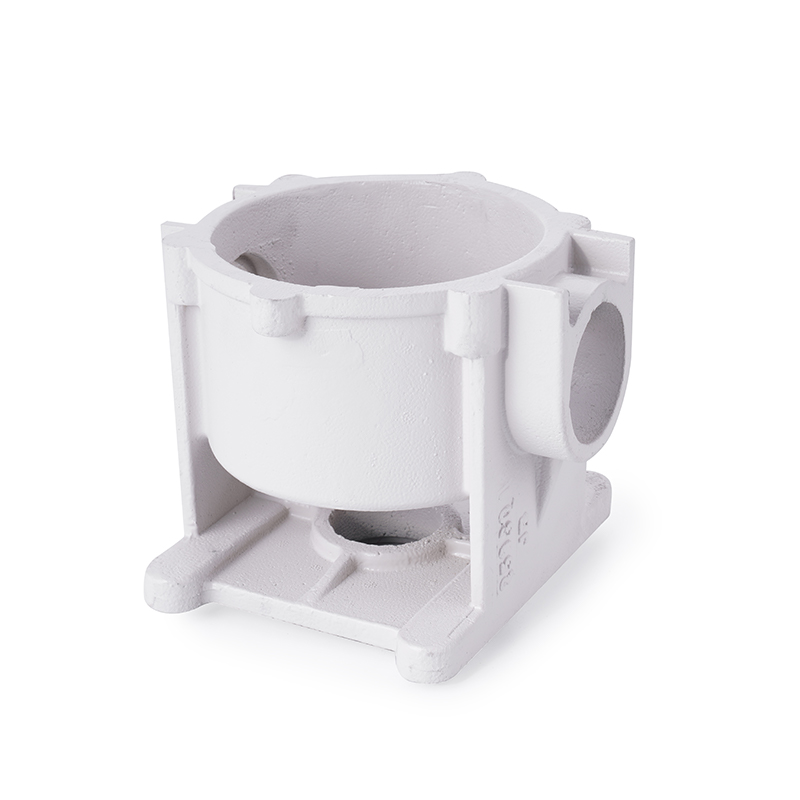 Ductile Cast Iron Gearbox Housing for Agricultural MachineryThis rigid housing supports gears and shafts in farm equipment, preventing contamination and oil leaks while withstanding torque and shock loads for reliable power transmission.View Product →
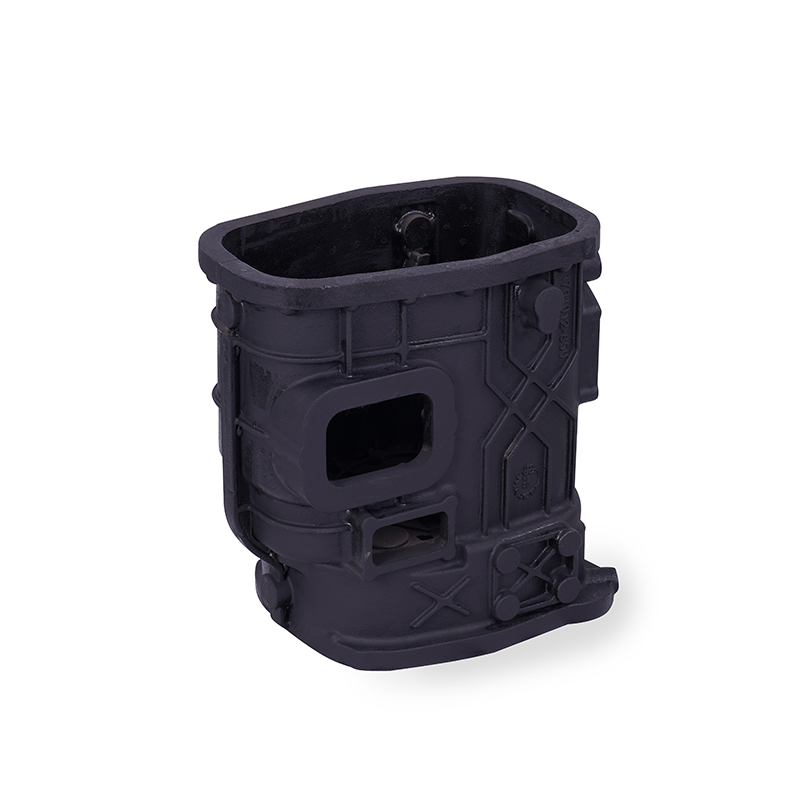
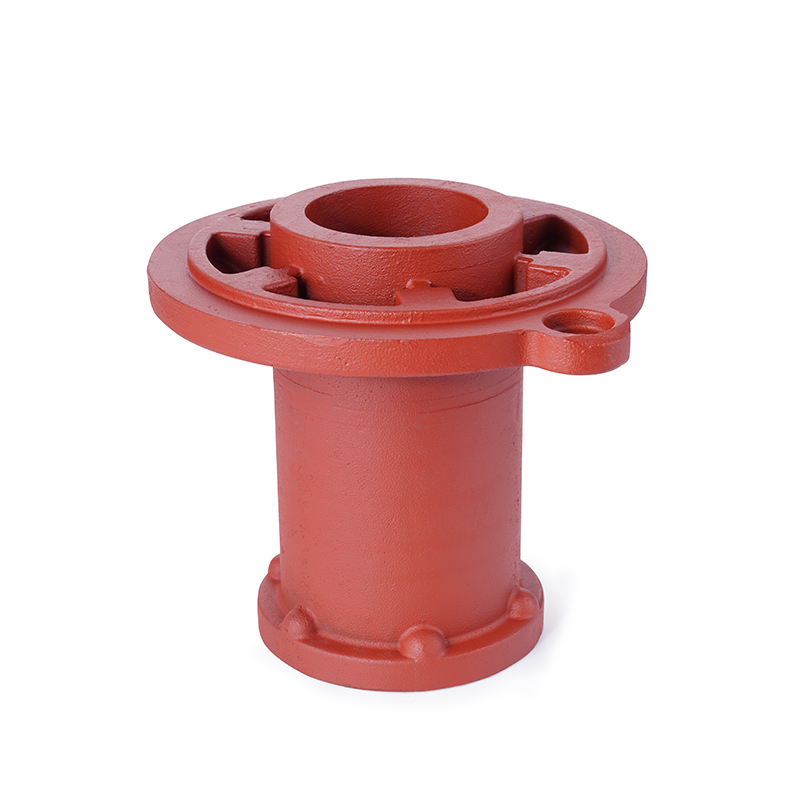
Automotive applications demand dimensional consistency and near-net shape. Flywheel housings for diesel engines are usually gray iron castings because they provide damping and good machinability. Light truck clutch housings follow a similar logic, while the same foundry may produce aluminum die-cast housings for lighter vehicles. The key is matching the iron grade to the thermal and mechanical load in each component.
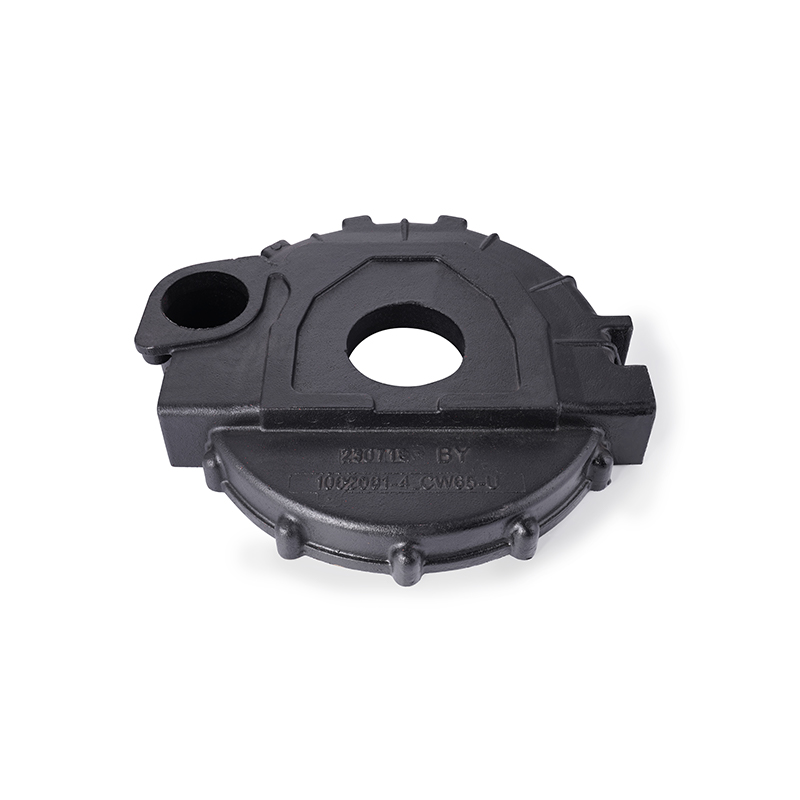 Gray Cast Iron Flywheel Housing for Diesel EnginesThis flywheel housing connects engine to transmission, provides rigid support and vibration damping, and ensures dimensional stability under thermal and mechanical loads.View Product →
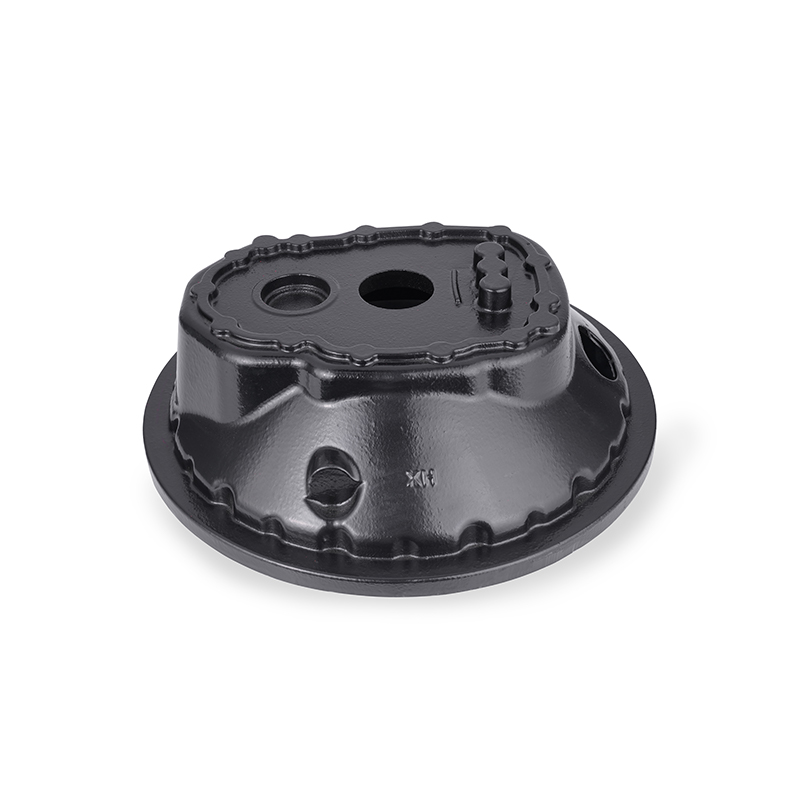
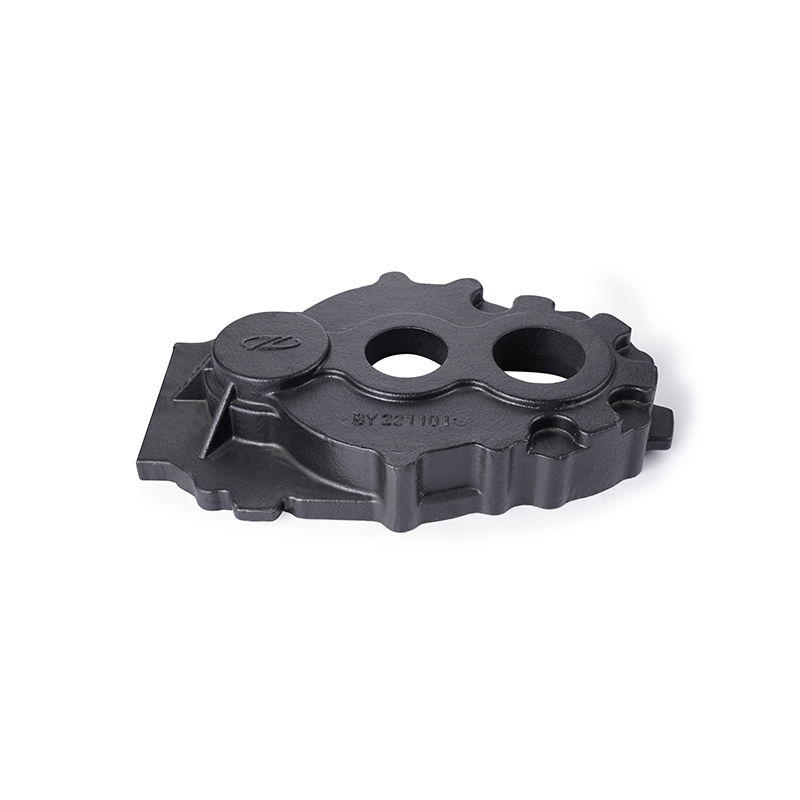
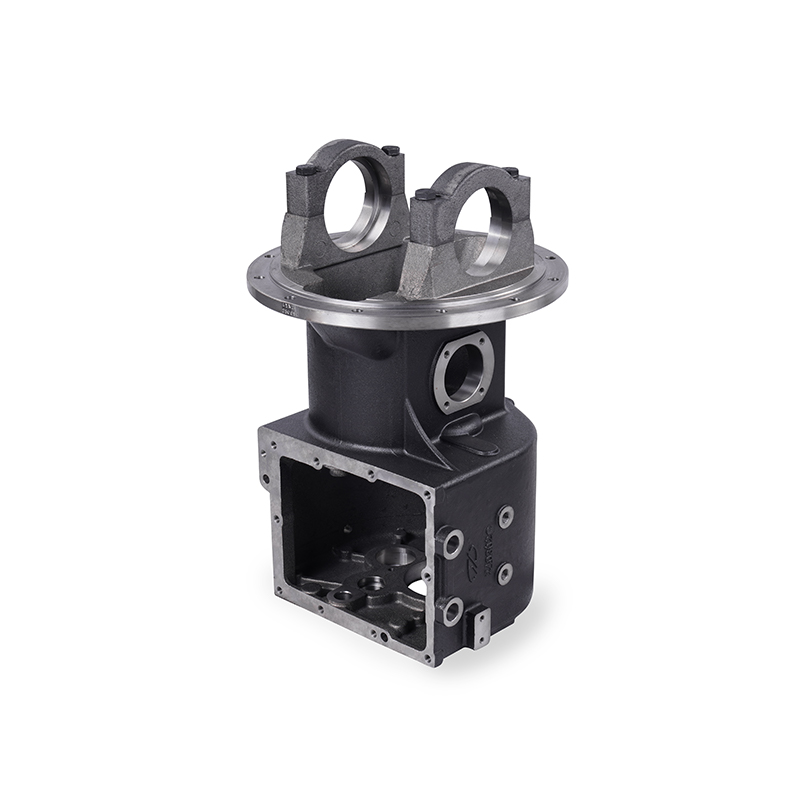
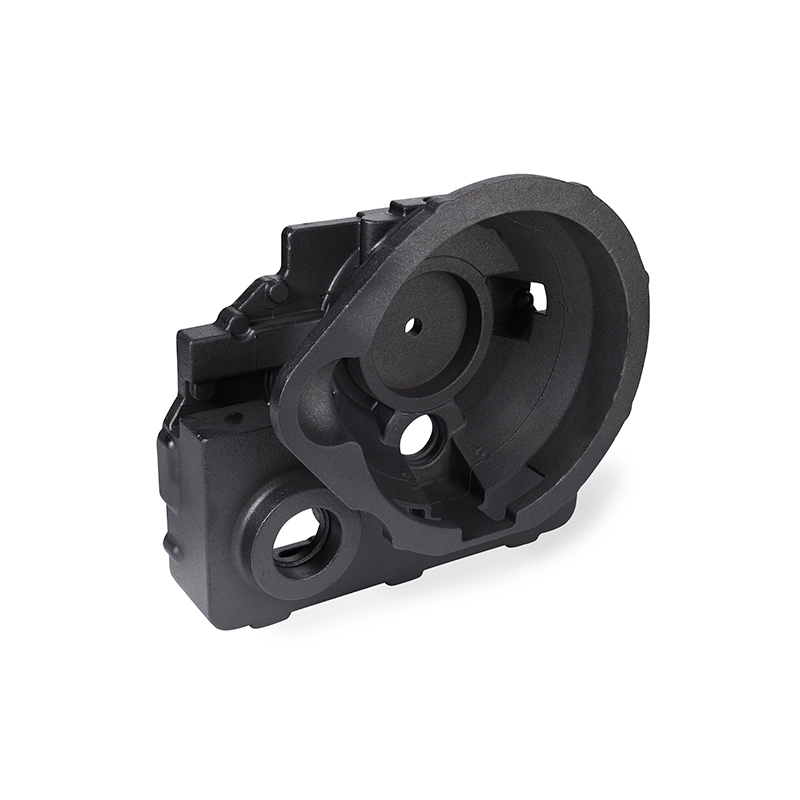
Construction machinery covers forklifts, gearboxes, and other transmission systems. Electric forklift transmission housings are often gray iron castings that must be pressure tight and easy to machine. Foundries with experience in this sector know how to control wall thickness uniformity and reduce porosity in complex internal cavities.
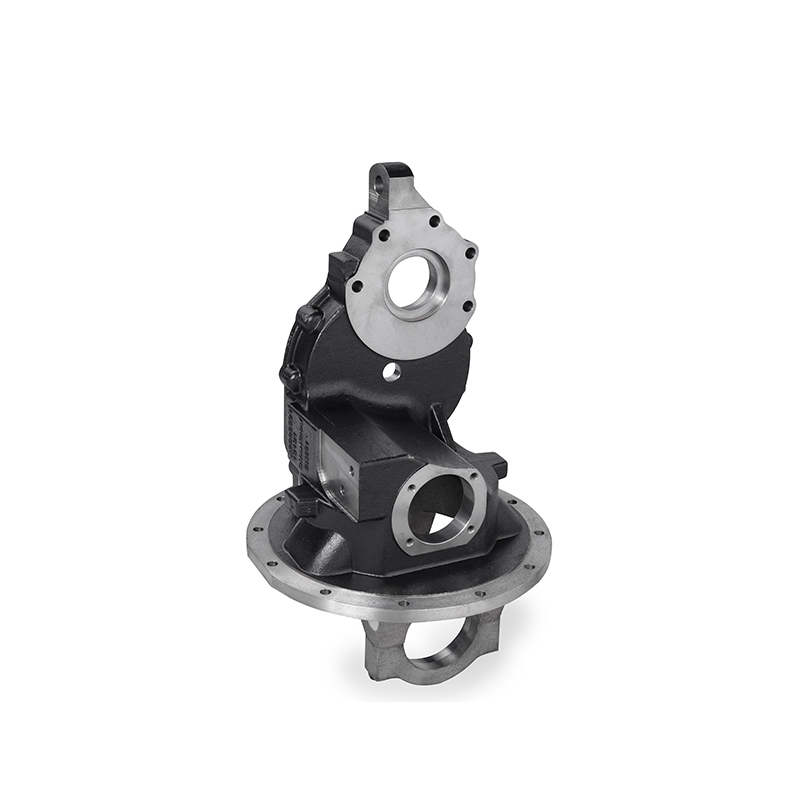 Gray Cast Iron Transmission Housing for Electric ForkliftsThis housing mounts motor and gears, transmits torque to drive wheels, and protects internal components from dust and moisture, ensuring quiet and stable operation.View Product →
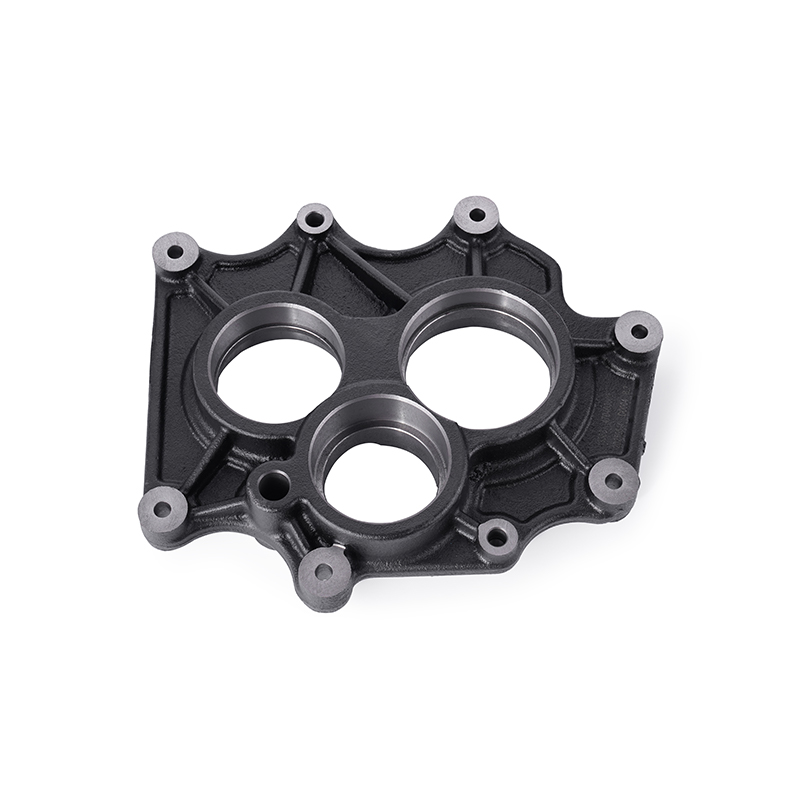
Elevator equipment is another area where cast iron remains useful. Motor housings and gearbox bearing covers require dimensional stability and good noise characteristics. Communication equipment may call for aluminum die casting instead, which is why a diversified foundry can offer both iron and aluminum routes under one roof.
When you work with a foundry beyond the quote stage, you want design support. A good partner can review your drawing for wall thickness transitions, draft angles, and riser placement before tooling starts. For ODM projects, the foundry can propose material alternatives to reduce weight or improve service life. They should also manage tooling, sample approval, and batch inspection. With an in-house machining center, a foundry can deliver ready-to-assemble components, which shortens your supply chain. We view this partnership as a way to reduce the total cost of ownership, not just the part price. In practice, this means the foundry shares its process knowledge, offers a mock-up or a single-cavity tool, and signs off on the first article inspection with you.
For a new product, the first objective is to prove the design without committing to production tooling. Some foundries offer aluminum prototype dies or 3D-printed sand cores to produce a handful of castings quickly. This lets you test the component in the actual assembly and refine the design before adding the cost of permanent tooling. Be sure to discuss the sample lead time and the number of samples included in your project scope.
Even with a sound process, castings can contain defects unless the foundry controls pouring conditions. Shrinkage porosity occurs when the riser does not feed the solidifying section. Gas holes appear when the sand has too much moisture or the metal is not degassed. Misruns and cold shuts result from low pouring temperature or poor gating design. The best foundries use casting simulation software to evaluate the feed path before the mold exists. During production, they inspect each heat with spectrometers and radiography or ultrasonic testing for structural parts. A clear inspection agreement—visual, dimensional, and non-destructive—protects both the buyer and the supplier. When you evaluate a foundry, ask how they handle a defective lot: do they sort, rework, and compensate, or do they simply ship a second batch? This question reveals the maturity of their quality culture.
Choosing a cast iron foundry is a long-term decision. Start by defining the mechanical requirements of your part, then compare foundries on their ability to control chemistry, produce sound castings, and deliver finished components on schedule. If the foundry can combine metallurgical discipline with OEM/ODM flexibility, it becomes an engineering resource rather than a vendor.






 русский
 日本語
日本語