When a purchasing manager at a tractor plant receives a drawing for a gearbox housing with a 20,000-piece annual requirement, the first phone calls usually go to three or four foundries. The questions are consistent: Can you make it in ductile iron? What tooling lead time do you need? How do you handle dimensional tolerance on the bearing bores? The answers determine whether a project moves forward or stalls on the quoting stage.
Foundry casting services are not simply "we pour metal." They represent a complete manufacturing package that starts with tooling design, continues through melt and mold preparation, and ends with finishing, machining, and quality inspection. For buyers who need repeatable parts across agricultural, automotive, construction, or elevator applications, understanding what a foundry actually controls is the difference between a smooth supply chain and a costly re-engineering cycle.
A full-service foundry typically offers more than the casting itself. The package can include pattern or tooling design, metallurgical consultation, casting simulation, prototype development, heat treating, machining, and surface finishing. The point is to let the customer hand over a part drawing and receive a finished or near-finished component.
At Ningbo Jiubao Transmission Machinery, the service model follows this pattern. The company produces cast iron and aluminum die castings for equipment manufacturers, and its product range covers housing, covers, brackets, and flanges used in transmissions, gearboxes, and engine systems. The factory has a 50,000-square-meter production base and an annual output capacity exceeding 10,000 tons of gray and ductile iron castings.
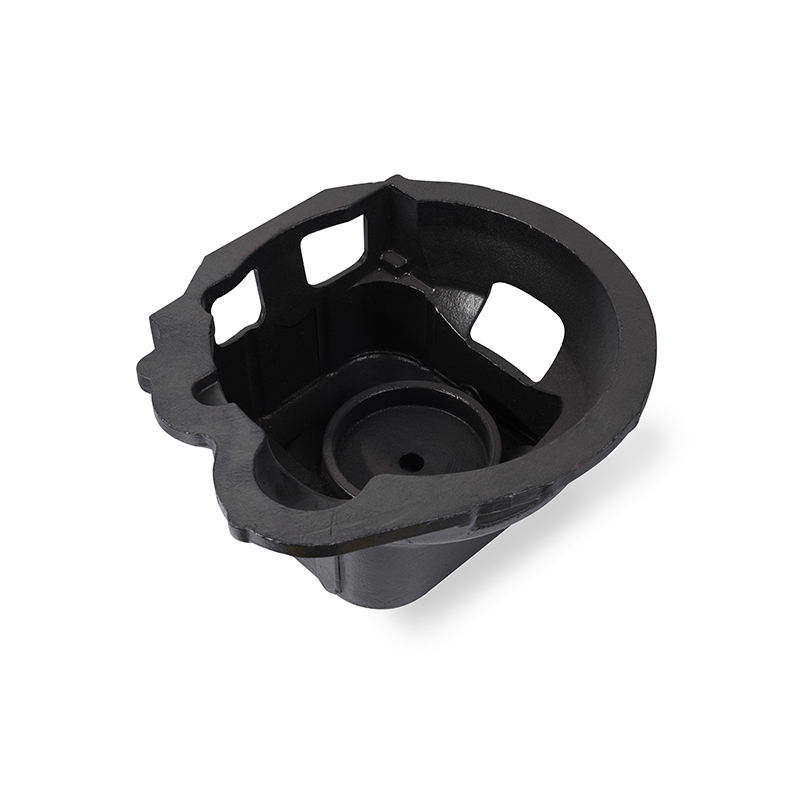
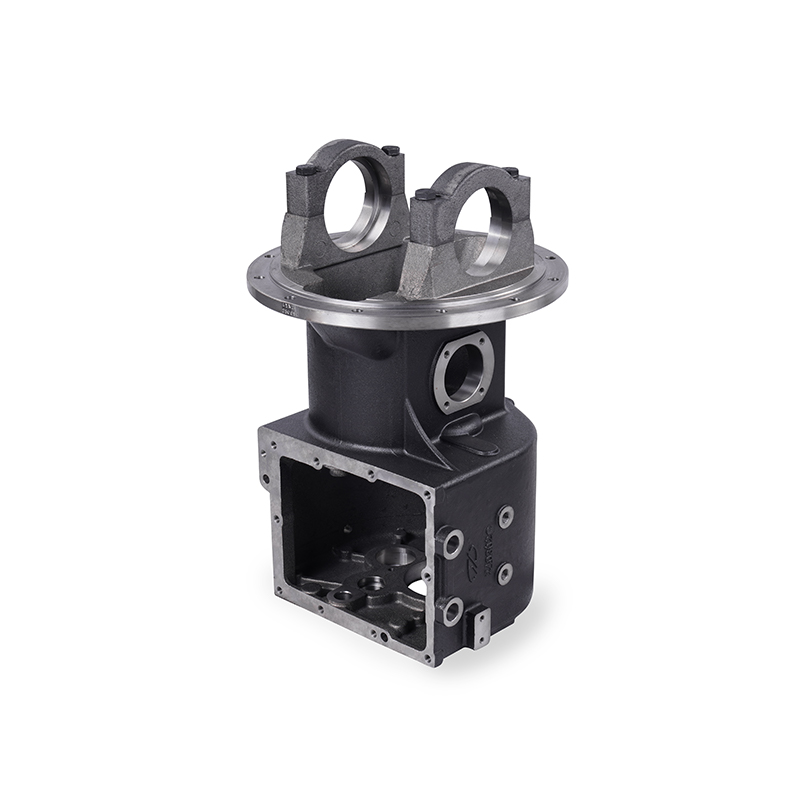
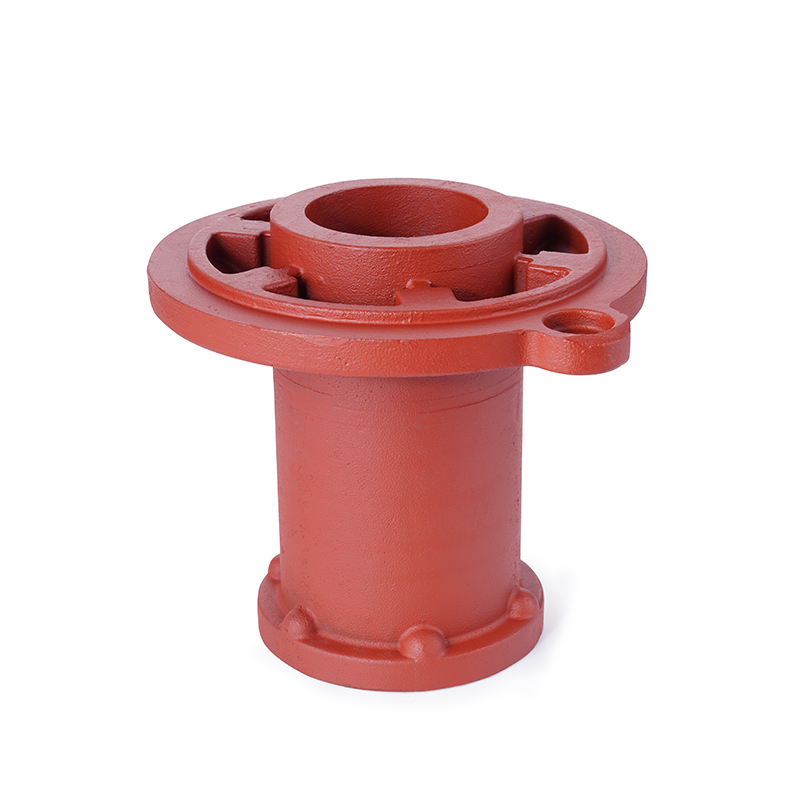
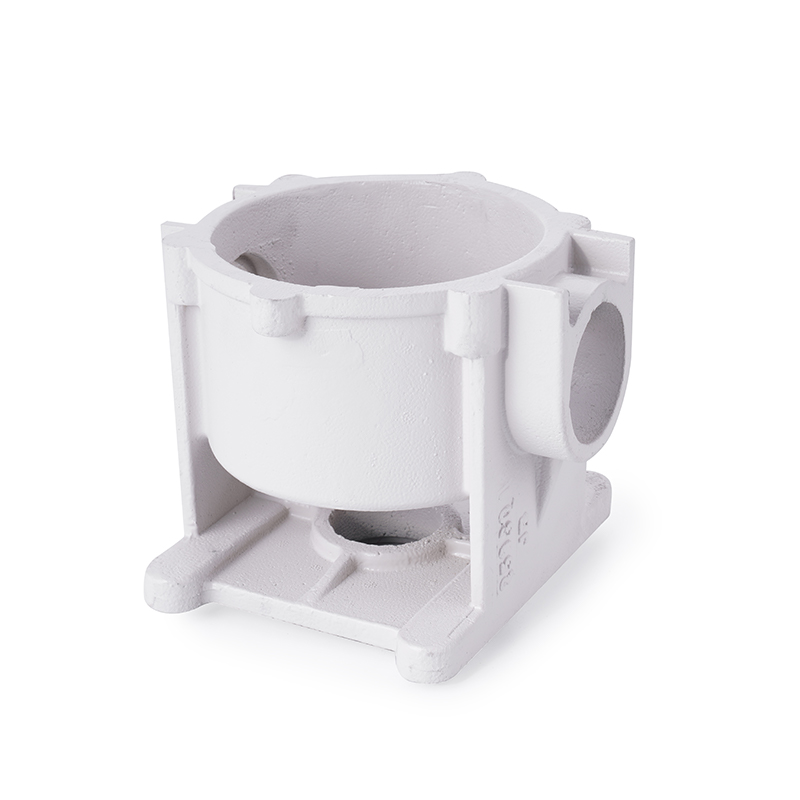 Ductile Cast Iron Gearbox Housing for Agricultural MachineryThis rigid casing supports gears and shafts, prevents contamination, stores lubricant, and distributes torque, making it a reliable choice for power transmission in demanding agricultural applications.View Product →
Even though foundries have different equipment and specialties, the core process sequence remains similar. Understanding each step helps buyers ask the right questions during supplier evaluation.
Everything starts with the tool. A pattern defines the cavity shape, and its quality directly affects dimensional accuracy and surface finish. In sand casting, for example, the pattern must account for shrinkage, draft angles, and machining allowances. A supplier that designs tooling in-house can shorten lead times and make revisions faster when the customer's design changes.
The gating system controls how molten metal enters the mold. Poor gating can cause turbulence, gas entrapment, and shrinkage porosity. Good gating and riser design feeds the casting properly as the metal solidifies, minimizing internal defects. This is a metallurgical skill, not a production detail, and it varies by material and part geometry.
For iron castings, the foundry controls charge materials, melting temperature, and alloy additions. For aluminum, melt cleanliness and degassing play a major role in porosity levels. The casting method itself may be sand casting, gravity casting, or die casting, each with different tolerance and surface characteristics.
After shakeout, parts go through fettling, shot blasting, and inspection. Non-destructive testing such as magnetic particle inspection or ultrasonic testing may be required for structural parts. If the foundry also handles machining, it can hold tight tolerances on bearing seats, bolt patterns, and sealing faces that raw castings cannot achieve.
Material selection is the first decision that influences cost, weight, and service life. The three most common material families in foundry casting services are gray iron, ductile iron, and aluminum alloy. For a deeper look at iron-based options, review the cast iron casting processes and applications covered in our material guidance.
| Material | Key Properties | Typical Applications | Advantages | Limitations |
|---|---|---|---|---|
| Gray Cast Iron | Excellent damping, good machinability, moderate strength | Transmission housings, clutch housings, motor housings | Vibration absorption, cost-efficient for complex shapes | Low ductility, not suitable for high impact loads |
| Ductile Cast Iron | Higher strength and ductility, good fatigue resistance | Gearbox housings, axle housings, tractor brackets | Withstands shock loads, can replace steel in some cases | Higher cost than gray iron, requires more process control |
| Aluminum Alloy | Lightweight, good corrosion resistance, good thermal conductivity | Engine housings, timing chain covers, heat sinks | Weight reduction for automotive, complex thin-wall shapes | Lower stiffness and strength than iron, higher tooling cost for die casting |
The material choice is not a simple cost comparison. A gray iron clutch housing may be cheaper per kilogram, but if the application sees repetitive impact loads, ductile iron becomes the safer engineering decision. Aluminum can cut weight significantly, but a foundry needs the right process—often die casting—to achieve the necessary wall thickness and production rate.
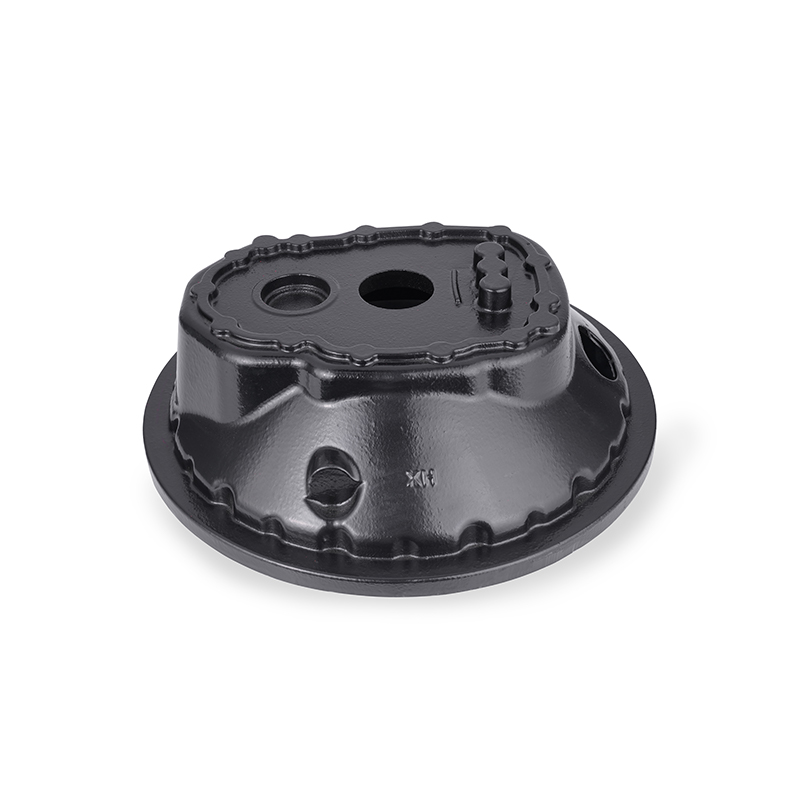
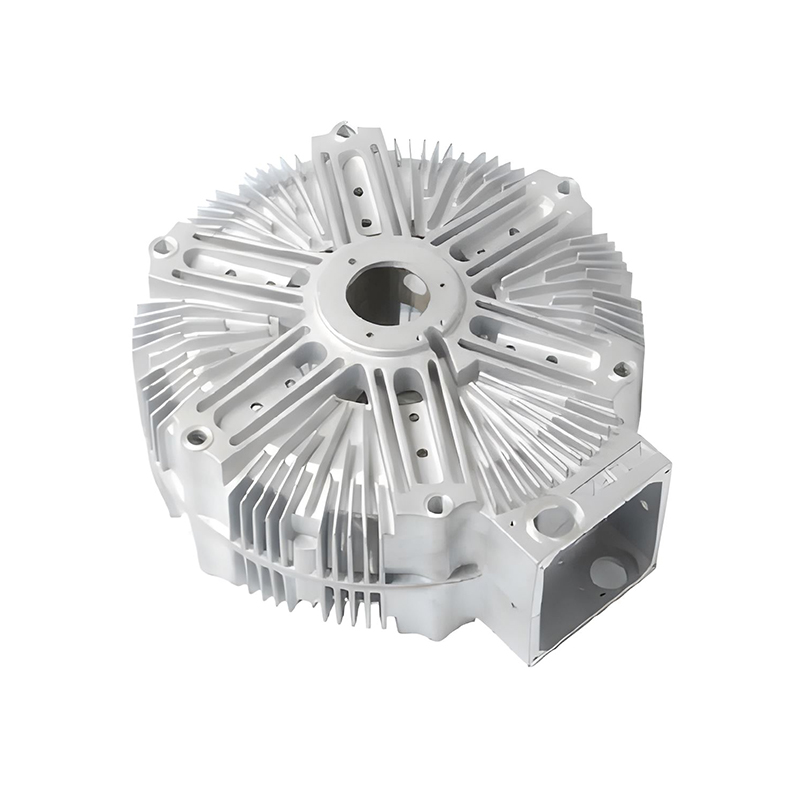 Aluminum Alloy Automotive Engine Housing for Motor ProtectionThis lightweight housing protects motor internals, provides mechanical support, and improves efficiency, offering a die-cast solution for automotive applications where weight reduction is critical.View Product →
Foundry casting services cover equipment makers in very different operating environments. Each industry has its own performance criteria.
Agricultural machines run in dusty, high-vibration conditions and are often expected to last 15 to 20 years. Tractor transmission housings, lift covers, and gearbox housings are commonly specified in ductile iron for impact resistance. The components may be large and complex, which makes casting a natural choice over fabrication.
Automotive casting buyers focus on weight, dimensional consistency, and production volume. Flywheel housings, clutch housings, and front housings for light trucks are typical gray iron parts. Aluminum components such as engine housings, timing chain covers, and suspension brackets help reduce vehicle weight and improve fuel efficiency.
Forklift applications demand housings and covers that handle intermittent heavy loads and shock. Gray iron is used for transmission housings, axle tubes, and gearbox housings because it provides rigid geometry and good wear characteristics at a controlled cost.
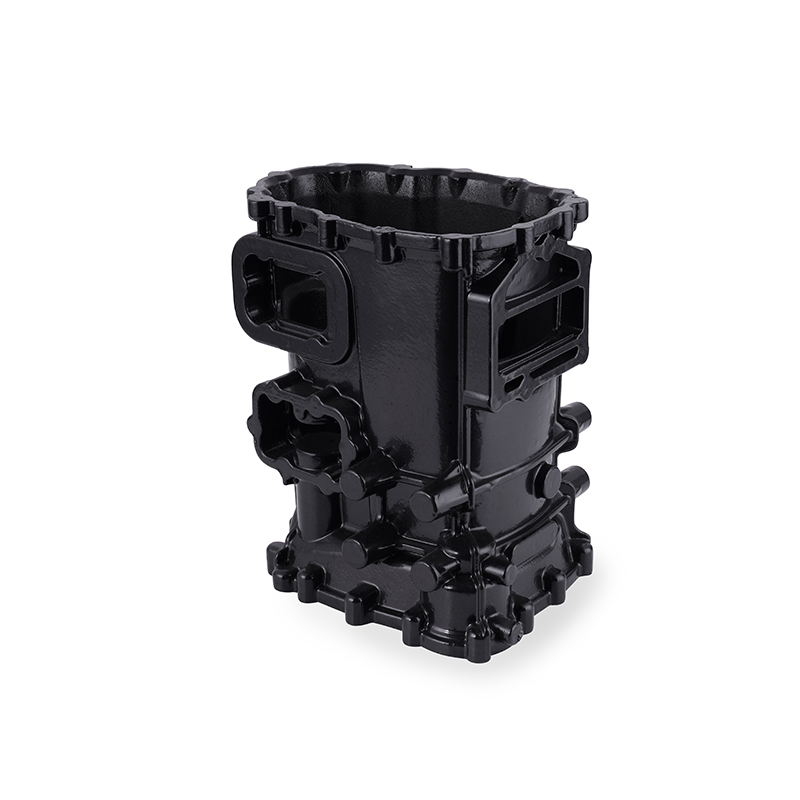
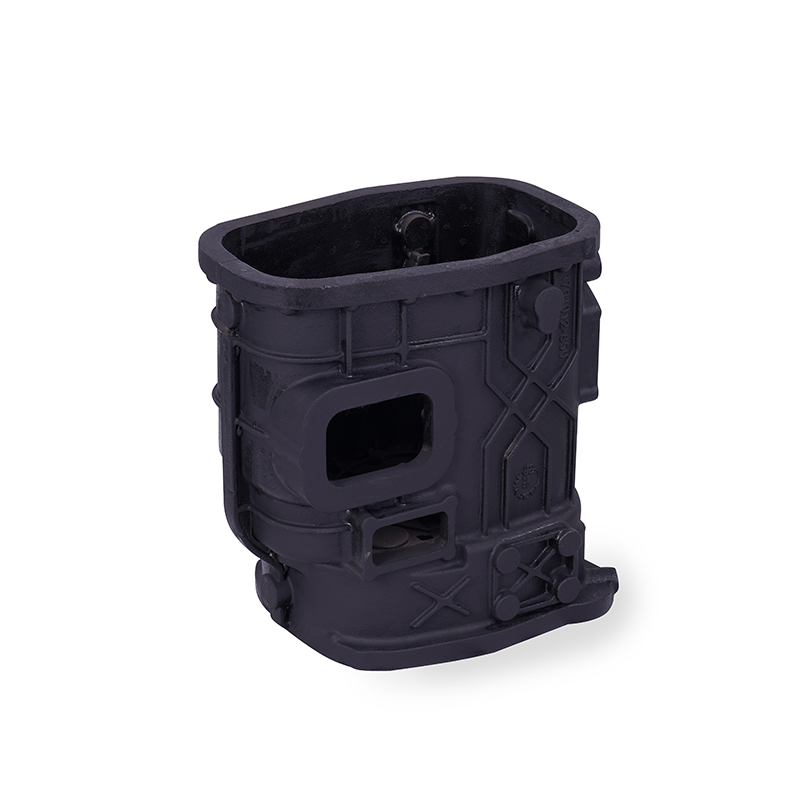
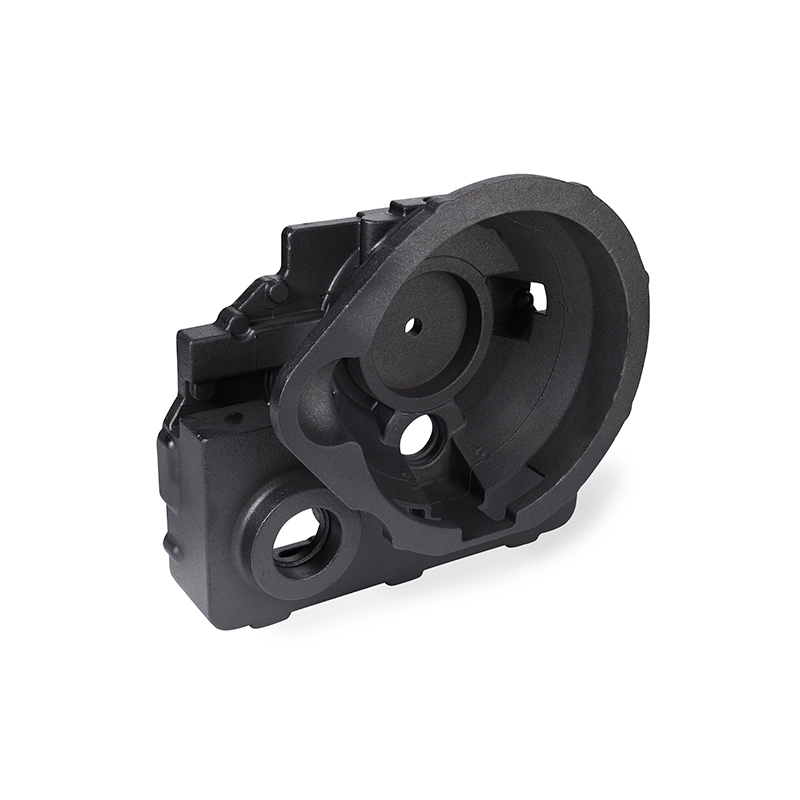
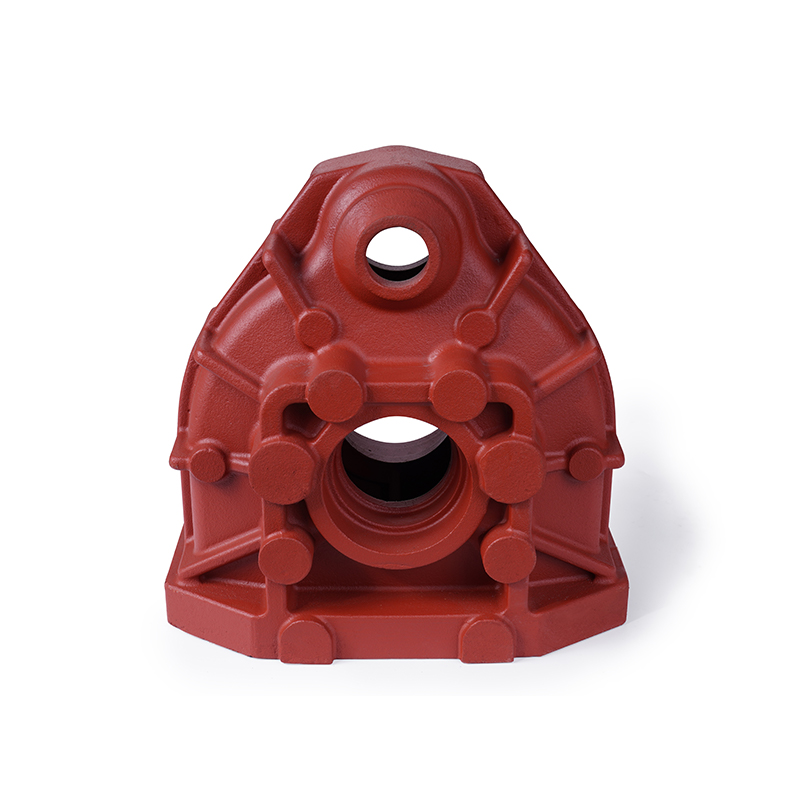 Gray Cast Iron Gearbox Housing for Reducer ProtectionThis housing provides structural support and alignment for gears and bearings, seals against impurities, and aids heat dissipation, suitable for applications requiring rigid geometry and cost-effective durability.View Product →
Elevator gearbox bearing covers, motor bases, and motor housings need precision and quiet operation. Iron's damping property helps reduce noise in elevator drive systems, which is why gray and ductile iron remain common in this sector.
Selecting a foundry is a long-term decision. A supplier that fails on quality can halt an entire assembly line, and switching foundries takes months because tooling and process parameters must be re-engineered. Here are the factors that matter most.
Check whether the foundry controls its own melting, molding, and finishing lines. A partner that relies on subcontracting for core operations loses control over lead time and consistency. Look for evidence of in-house tooling with test reports or documented quality checks.
Ask about inspection standards for the parts you need. If bearing bores must hold a tolerance within 0.05 mm, the supplier needs machining capability and the instruments to verify it. Request examples of similar parts they have produced, especially if the part is a housing with complex internal geometry.
Annual volume is an obvious factor, but batch size matters too. A foundry with a 10,000-ton annual capacity can handle large orders, but if your requirement is 50 pieces for prototype validation, its minimum order policy becomes more relevant. Matching capacity with order profile is essential for cost control.
The best foundry relationships are those where the supplier points out potential manufacturing problems before production begins. A small change in wall thickness or the addition of a draft angle can save thousands in tooling costs. Additive value like this separates a service provider from a simple metal pourer.
When you send a request for quotation, begin with clear drawings, acceptable material grades, and annual demand. Mention whether the part will be machined in-house or by the supplier, since this affects the casting tolerances you specify. If you have a design that is not yet optimized for castability, ask the foundry for a manufacturability review before committing to tooling.
For plant managers and purchasing engineers, the cost of a casting is not only the price per kilogram. Rejection rates, tooling amortization, and delivery reliability have a greater financial impact over the life of a program. A responsible foundry casting service provider should be able to discuss all of these points openly with you.





 русский
 日本語
日本語