Ask any maintenance supervisor who has replaced a cracked tractor transmission housing what they think about foundry materials, and the answer will not be about tensile strength. It will be about downtime. The foundry material chosen for that housing decides whether the part survives a season or fails in a week. The practical rule for casting buyers is simple: start with the service condition of the part, then work backward to the alloy.
Foundry materials are the metals and alloys that enter a mold and become a casting. In the broader industry, this can include bronze, brass, steel, and zinc, but the two material families that dominate cost-effective production are cast iron and aluminum alloy.
Cast iron is used where stiffness, damping, and wear resistance matter more than weight. Aluminum is used where low mass and heat dissipation are critical. Between these two families, a well-equipped foundry can cover most industrial parts from agriculture to automotive.
Gray cast iron contains graphite flakes that give the material a distinct internal structure. The flakes improve vibration damping and make the metal easy to machine, which is why gray iron appears in transmission housings, brake housings, and motor housings. The trade-off is lower tensile strength and limited impact resistance, so gray iron works best in parts dominated by compression and steady loads.
Ductile cast iron replaces those flakes with graphite nodules. The result is significantly higher strength and elongation, plus better resistance to shock and fatigue. For gearbox housings, bearing covers, and tractor brackets that must tolerate uneven loads, ductile iron provides a safety margin that gray iron cannot match.
Aluminum die casting alloys deliver the opposite set of priorities: lower density, good thermal conductivity, and near-net-shape precision. Automotive engine housings, timing chain covers, heat sinks, and brackets all rely on aluminum alloys to save weight while conducting heat away from sensitive components.
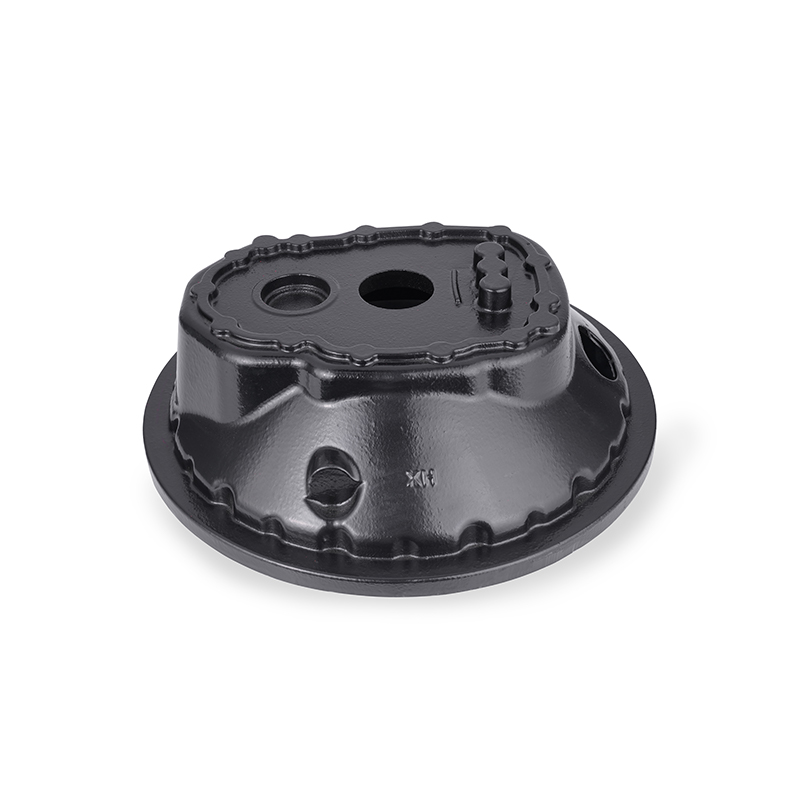
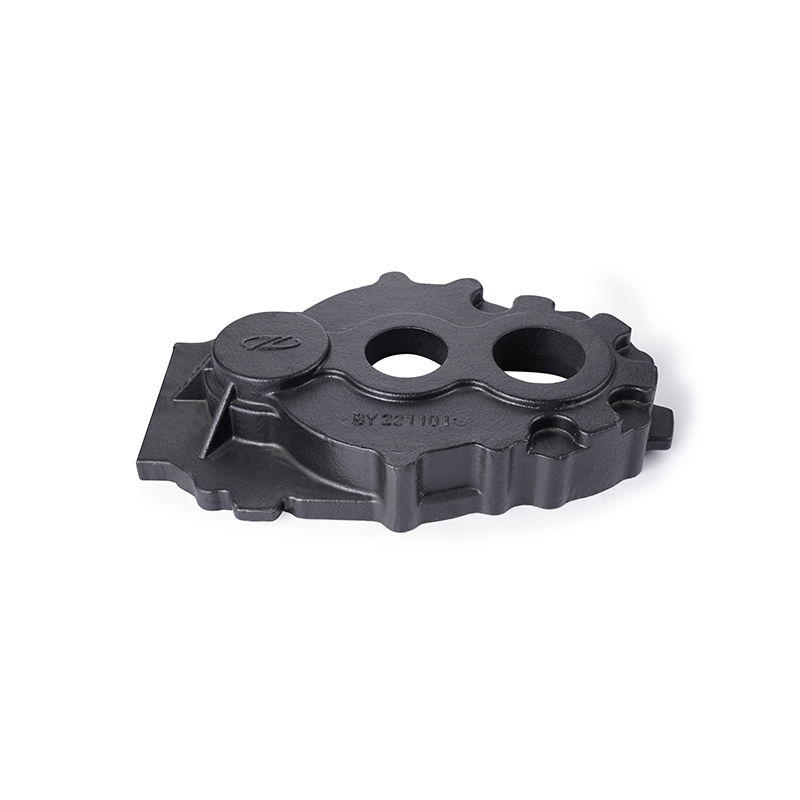
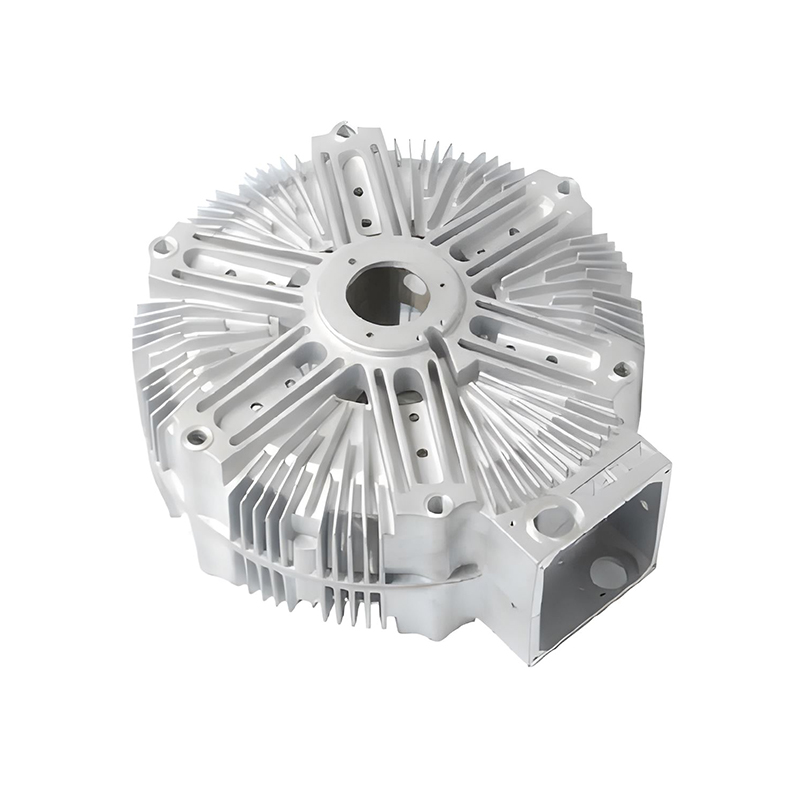 Aluminum Alloy Automotive Engine Housing for Weight ReductionThis aluminum die-cast housing protects engine internals while providing mechanical support and thermal conductivity. It suits automotive applications where lightweight design and reliable operation are priorities.View Product →
The selection process becomes concrete when you connect the material to the part's working environment.
Tractor transmission housings, lift covers, and axle housings take heavy torque and constant vibration on every pass through the field. Ductile iron handles these loads with a margin that prevents cracks from propagating under repeated stress. In our experience, gray iron still fits some auxiliary covers, but the main structural components point to ductile iron.
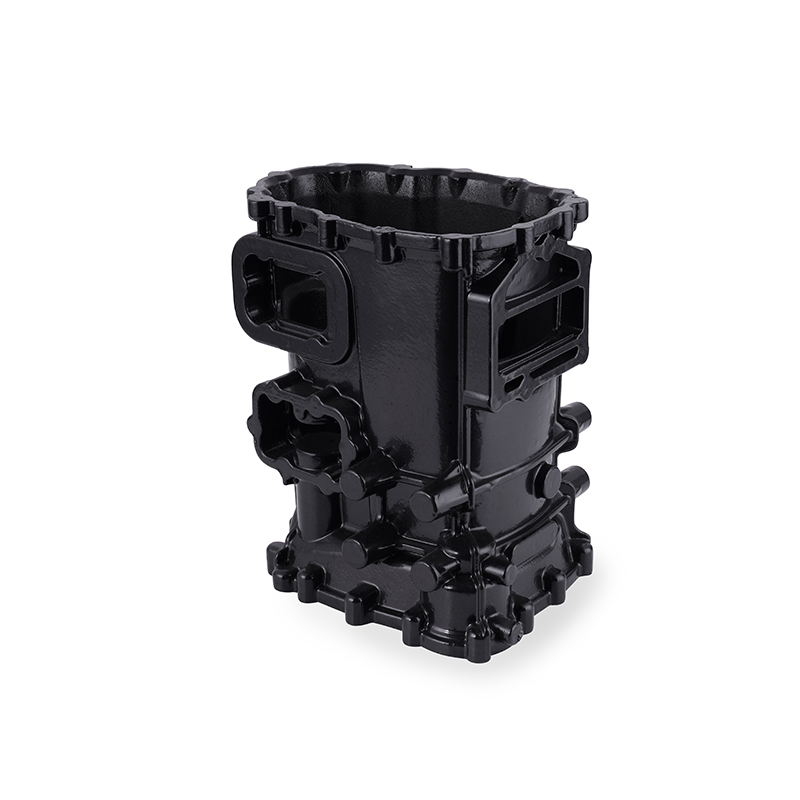
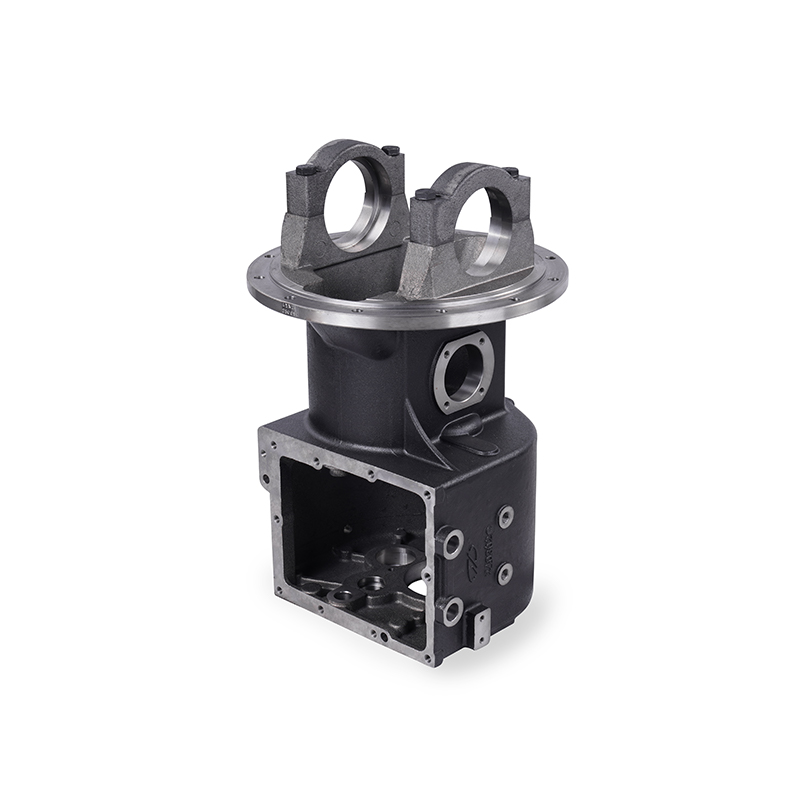
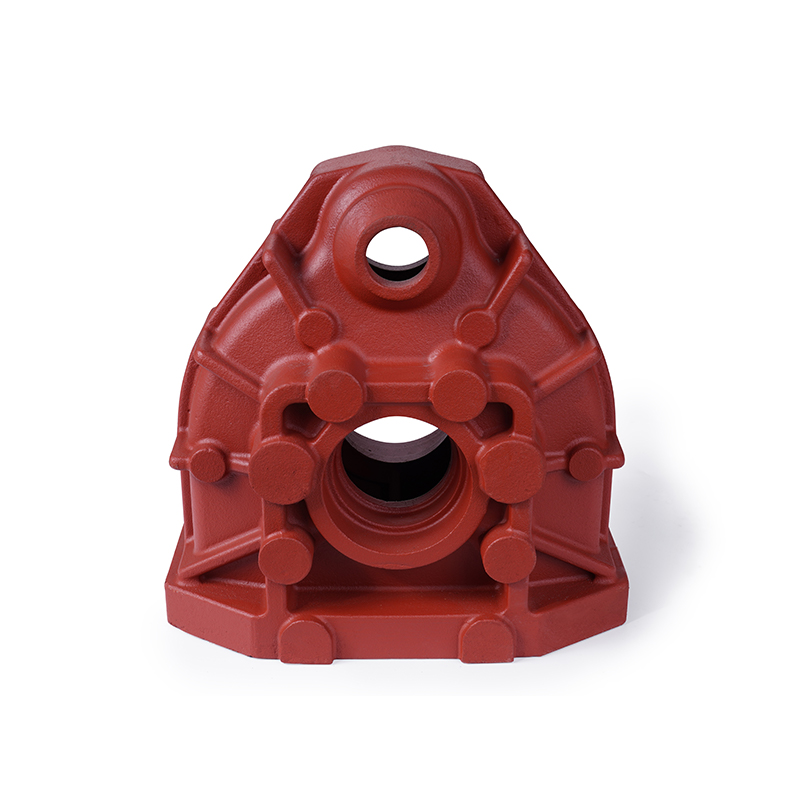
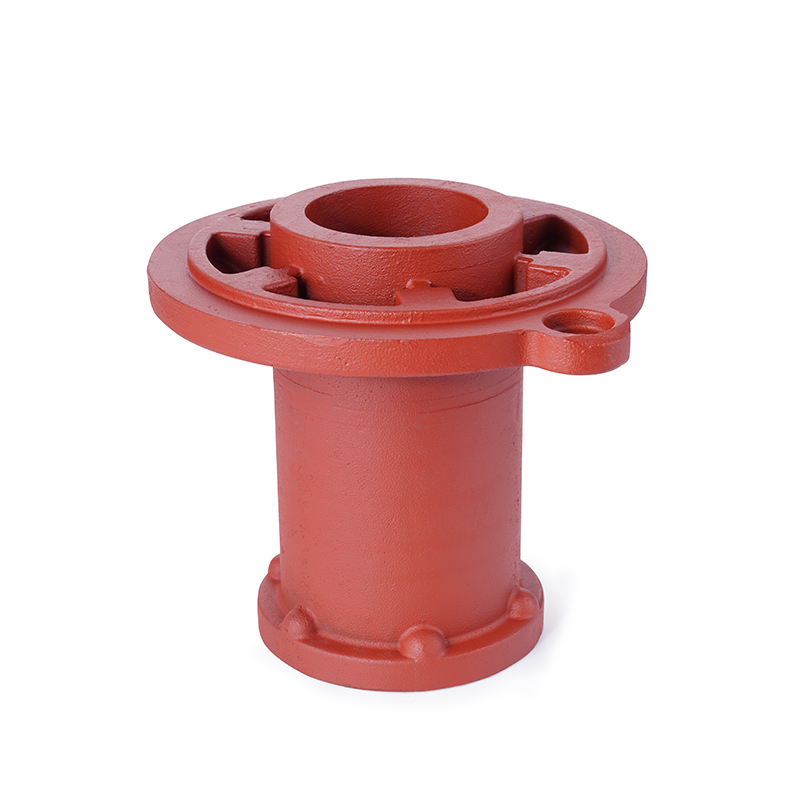
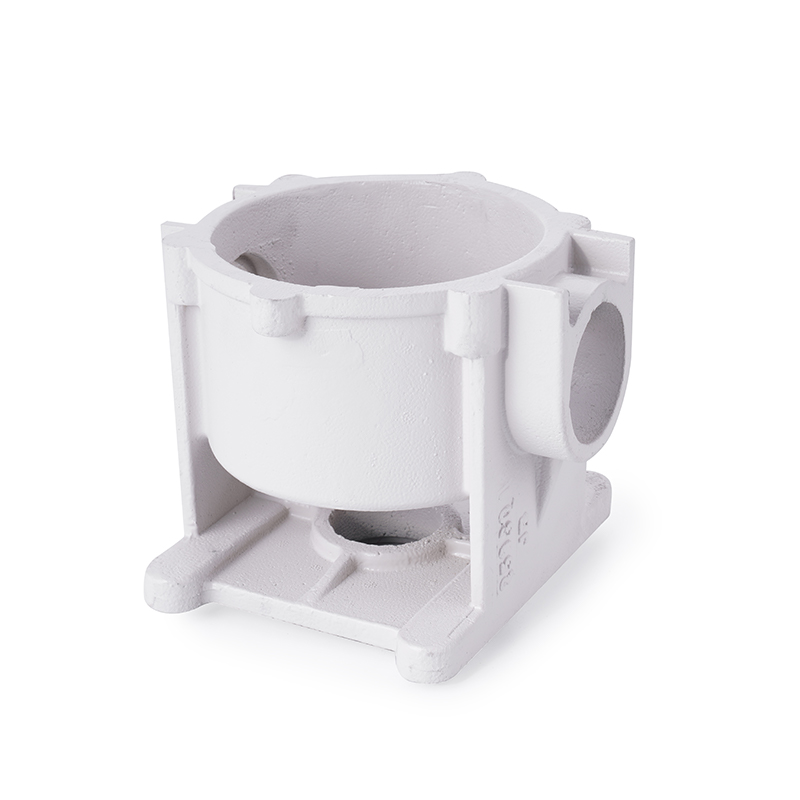 Ductile Cast Iron Gearbox Housing for Agricultural MachineryThis rigid casing houses gears and shafts in tractors, resisting torque and impact. Its ductile iron structure prevents crack propagation under repeated stress, ensuring stable power transmission in field operations.View Product →
In truck drivelines, gray cast iron is a common choice for flywheel housings and clutch housings because it dampens noise and stays rigid under torque. At the same time, aluminum die castings move into engine housings and brackets where weight reduction drives fuel efficiency. The foundry team has to control both materials to the same dimensional standard.
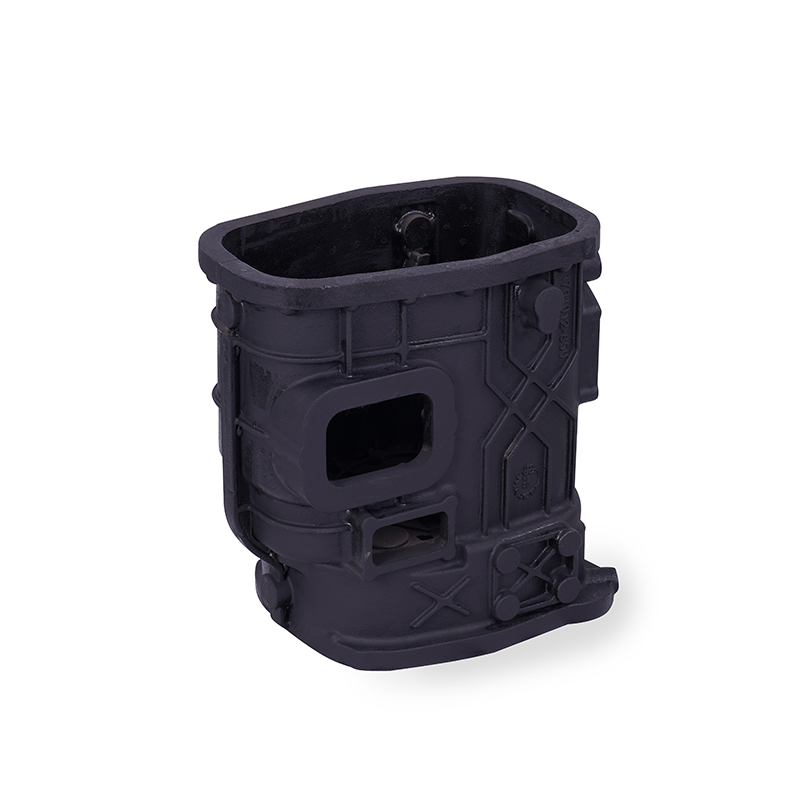
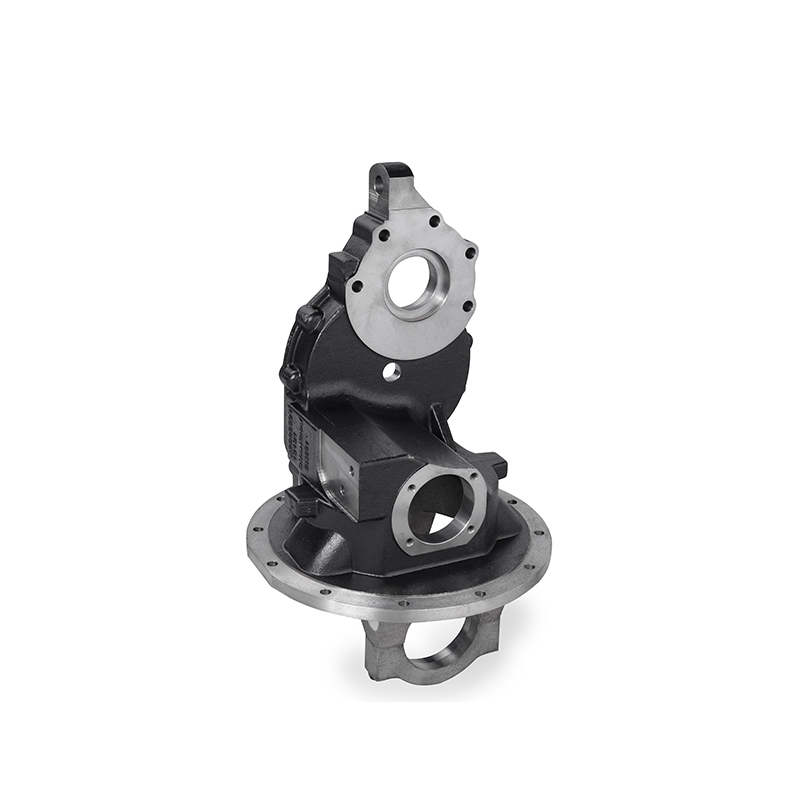
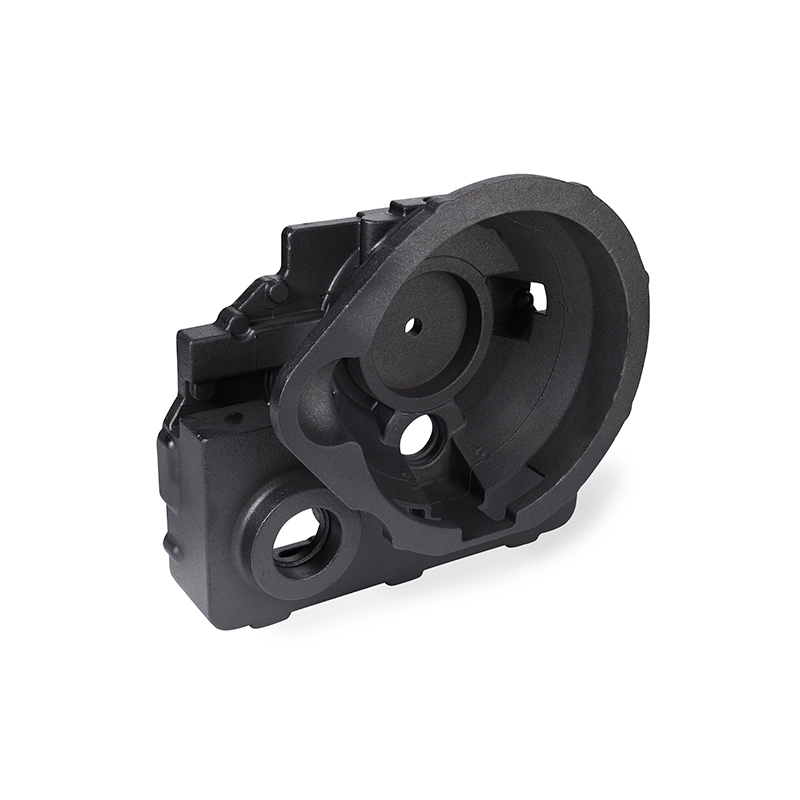
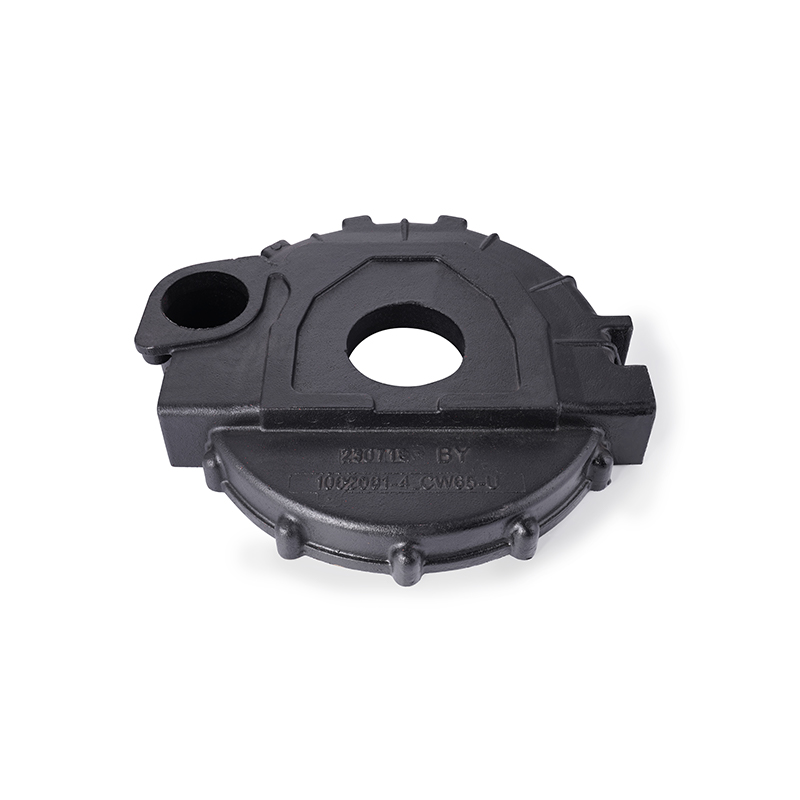 Gray Cast Iron Diesel Engine Flywheel HousingThis housing connects the engine to the transmission and supports the flywheel. Gray cast iron dampens vibrations and stays rigid under torque, making it a dependable choice for diesel engine drivelines.View Product →
Forklift transmission housings and gearboxes run in cycles that create fatigue over thousands of hours. Gray iron is the workhorse here for cost and damping. Elevator gearbox bearing covers and motor bases, on the other hand, need the extra toughness of ductile iron to handle repeated starts and intermittent overloads.
| Property | Gray Cast Iron | Ductile Cast Iron | Aluminum Die Casting |
|---|---|---|---|
| Tensile strength | 150-260 MPa | 370-690 MPa | 180-310 MPa |
| Impact resistance | Low | Good | Moderate |
| Vibration damping | Excellent | Good | Fair |
| Weight | Heavy | Heavy | Light |
| Thermal conductivity | Moderate | Moderate | High |
| Machinability | Good | Fair to good | Good |
| Relative cost | Low | Medium | Medium to high |
This table is a starting point, not a substitution for part-specific testing. The final choice should be validated by the actual load case and expected failure mode of the component.
Choosing a material is not a standalone decision. Gray and ductile iron are normally poured in sand molds, where the cooling rate affects the final microstructure and mechanical properties. Aluminum die casting works under high pressure in a steel mold, which supports thinner walls but imposes stricter gating and cycle time requirements. To understand how these process differences affect a part, reviewing the full casting process breakdown can help: the complete guide to cast iron casting processes.
Consistent material control also matters across multiple orders. Chemical composition, molten metal temperature, and inoculation practice all influence the final material. A foundry that tracks these parameters is far more likely to deliver repeatable castings than one that batches by habit.
For aluminum components, the choice between gravity casting and die casting can change the material behavior of the part itself. Detailed comparisons of these options are available in aluminum casting processes, properties, and applications.
Before signing off on foundry materials, walk the supplier through the part drawing and ask them to explain their material route. Here are the points I think buyers should not skip:
A credible foundry will ask about service temperature, load type, and whether the part is pressure-tight. They should show you what alloy they recommend and why.
Ask about their ability to handle both iron and aluminum. This flexibility means they can suggest the right material for each subsystem instead of forcing one process for the sake of their own capacity. In our foundry, the same drawing office that reviews your material spec can also propose an alternative alloy if the original choice creates a casting problem.
The decision also carries a delivery dimension. A foundry that keeps a steady material inventory and maintains a consistent production schedule can reduce lead time risk. We have over 50,000 square meters of production space and produce more than 10,000 tons of gray and ductile iron castings per year, which is why we can support medium- and high-volume programs with consistent quality.
Foundry materials are not just a specification on a drawing. They are the first design decision that decides whether a casting will survive in service. Start from the service condition, compare the material families against the part's real load case, and then find a foundry that can back the choice with process control and reliable delivery. That approach reduces the chance that a seemingly small material decision turns into an expensive field failure.





 русский
 日本語
日本語