During a routine first-article inspection at an agricultural machinery plant, a batch of tractor transmission housings showed wall-thickness deviations of nearly 2 mm along the bolt face. The castings had come from a supplier selected on price alone. Re-sampling, re-machining, and three weeks of idle assembly time cost the manufacturer more than the entire annual saving on that contract. The same story repeats across the industry every year.
The conclusion you should take from it is simple: a quality foundry is not the supplier with the lowest quote or the most polished brochure. It is the one whose process you can verify, whose engineering team answers before the mold is cut, and whose parts arrive within tolerance and on schedule. This article lays out what to inspect, what to measure, and which questions to ask before you sign a casting order.
Three capabilities separate foundries that deliver consistent parts from those that struggle with every batch: metallurgical control, dimensional accuracy, and traceability.
Control starts at the melt. In gray iron, carbon equivalent, silicon content, and inoculation practice determine graphite structure, which drives machinability and vibration damping. In ductile iron, nodularity and the ferrite-to-pearlite balance set tensile strength and impact behavior. A quality foundry records these parameters for every heat and hands over spectrographic analysis on request.
Dimensional accuracy depends on pattern maintenance, core positioning, and controlled cooling. A casting that leaves the mold within tolerance but distorts during cooling, or shifts when core assemblies move, creates problems at your machining line. Reliable suppliers define the casting tolerance class they hold and flag deviations before parts ship.
Traceability means more than a certificate attached to an email. Every heat number, inspection record, and corrective action should lead back to a specific batch. When a field failure appears, you need the source identified in hours, not weeks.
A foundry that holds these three disciplines tightly can also support OEM/ODM projects, because the same rigor applies when it reads your drawings and suggests geometry changes that improve castability. That combination is rare, and it is the reason buyers keep returning to the same casting partner across multiple product lines.
Material grades are the fastest way to judge how deep a foundry's experience really goes. A shop that pours only one or two grades cannot help you move between design constraints when a product changes from a heavy transmission housing to a lightweight aluminum cover.
| Material | Typical grades | Strength profile | Common applications | Key advantage |
|---|---|---|---|---|
| Gray iron | HT200, HT250 | High compressive strength, good damping | Transmission housings, covers, motor casings | Damping and machinability |
| Ductile iron | QT400-15, QT450-10, QT500-7 | High tensile strength, ductility, impact resistance | Gearbox housings, axle housings, brackets | Withstands shock loads |
| Aluminum die casting | A380, ADC12 | Moderate strength, low density | Engine housings, covers, brackets, heat sinks | Weight reduction, thin walls |
The message of the table is straightforward: each material family buys you a different set of properties. Gray iron gives vibration damping and machinability; ductile iron gives toughness under shock loads; aluminum gives mass reduction and near-net-shape geometry. A quality foundry should discuss these trade-offs with your engineers, quoting from real production data rather than a datasheet.
Use this list during a plant visit or a remote audit. Every item below is directly verifiable.
The definition of a quality foundry shifts with the application. A casting that serves reliably in an elevator drive unit can fail quickly in a tractor transmission, because the load cases are completely different.
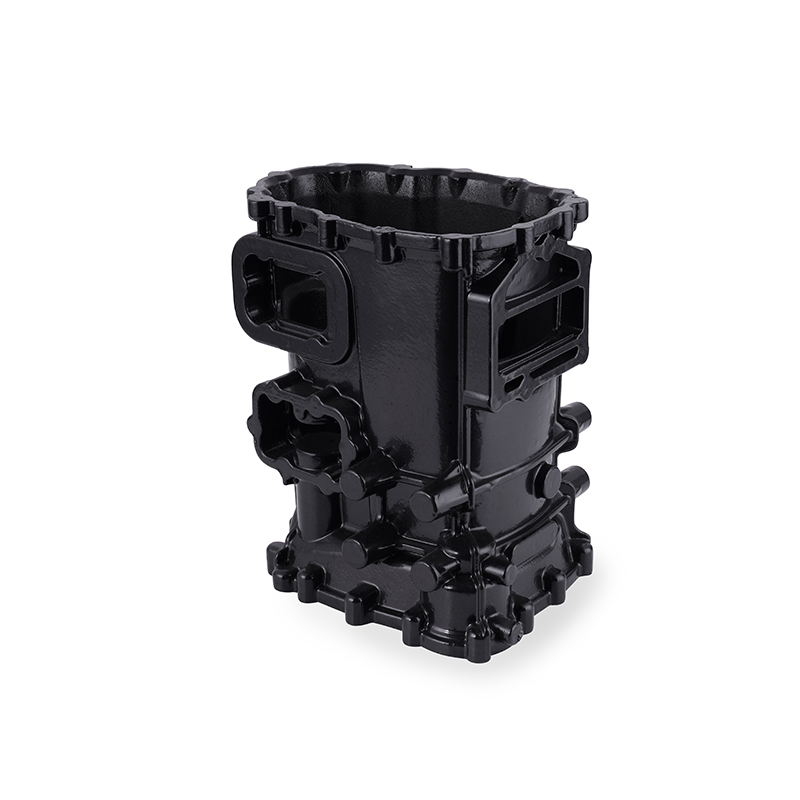
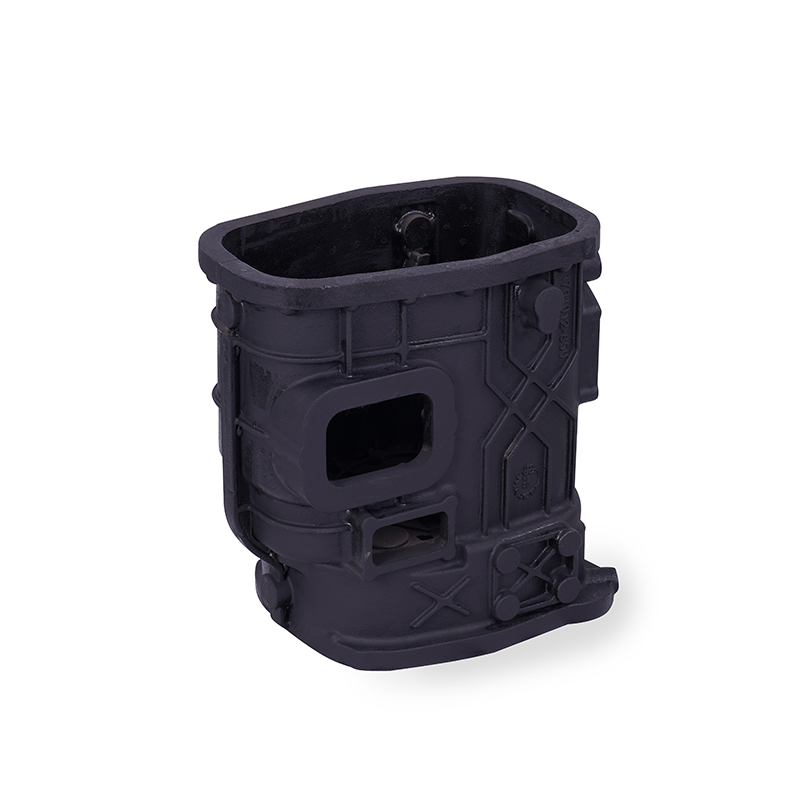
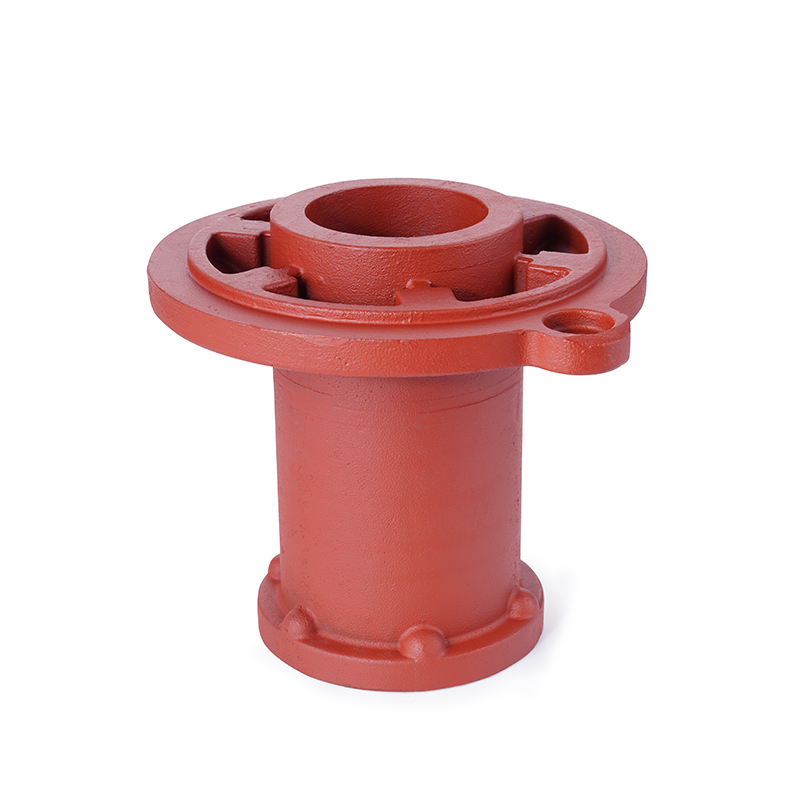
Agricultural machines operate under heavy vibration, dust, and shock loads. Ductile iron gearbox housings and half-axle housings dominate here because nodular graphite absorbs impact better than gray iron. Gray iron still earns its place in transmission housings and lift covers, where damping and machinability matter most.
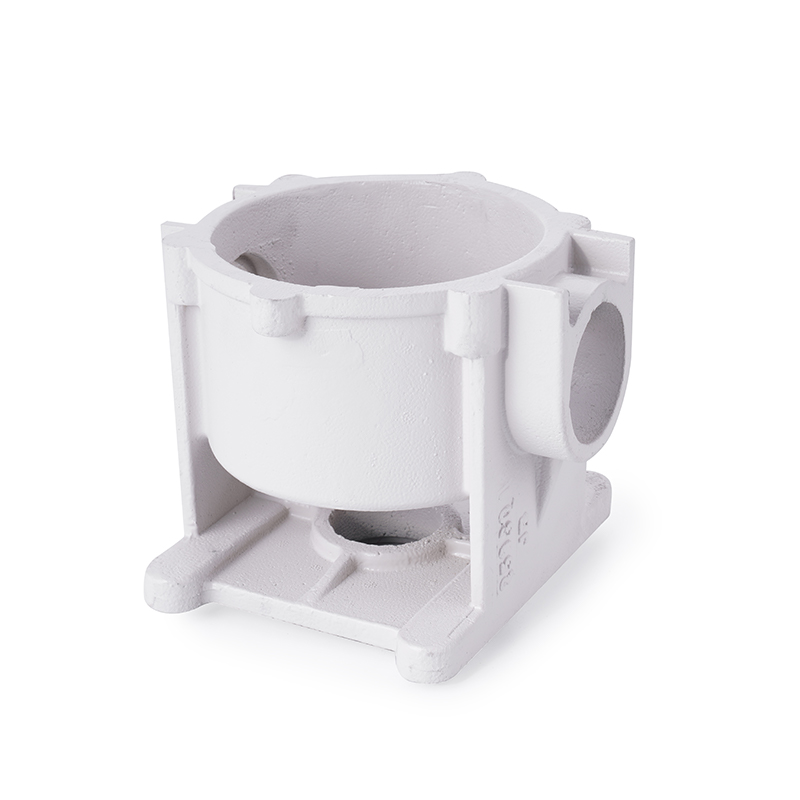 Ductile Cast Iron Gearbox Housing for Agricultural MachineryThis rigid casing supports gears and shafts in agricultural transmissions. Its nodular graphite structure absorbs impacts and vibrations, making it a reliable choice for power transmission components in demanding field conditions.View Product →
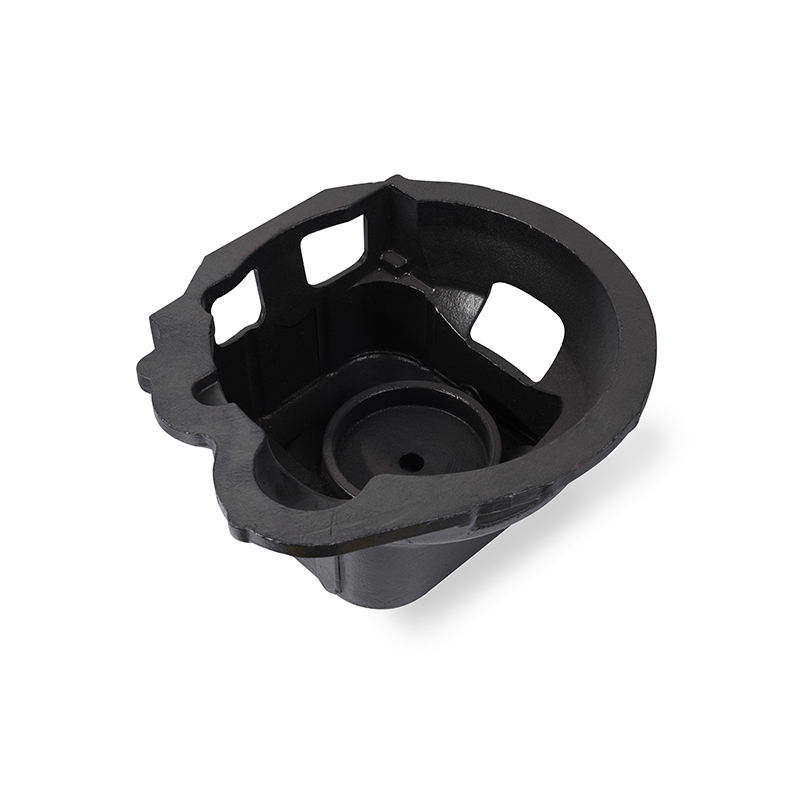
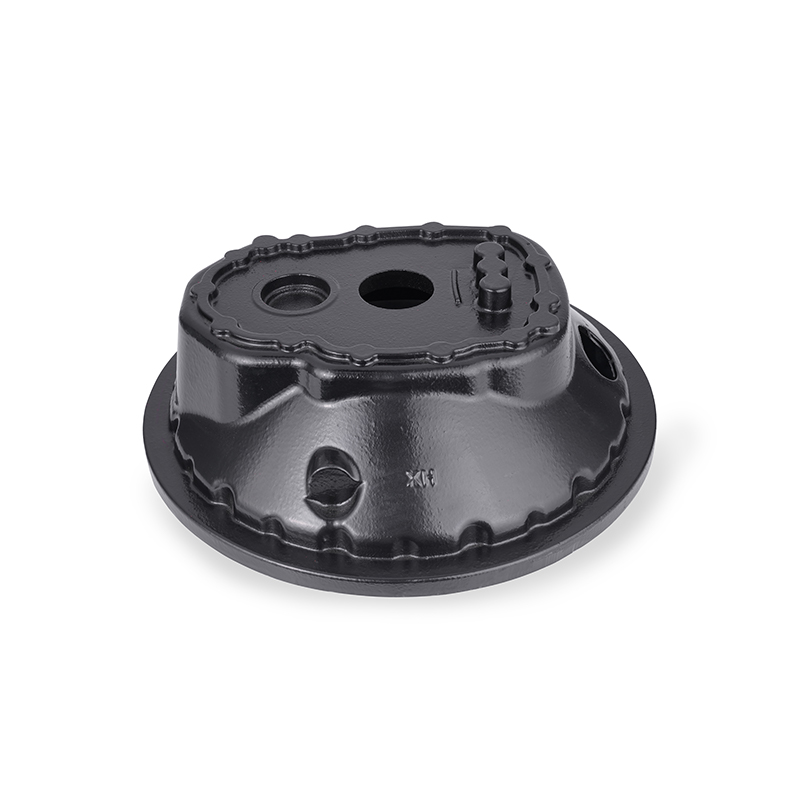
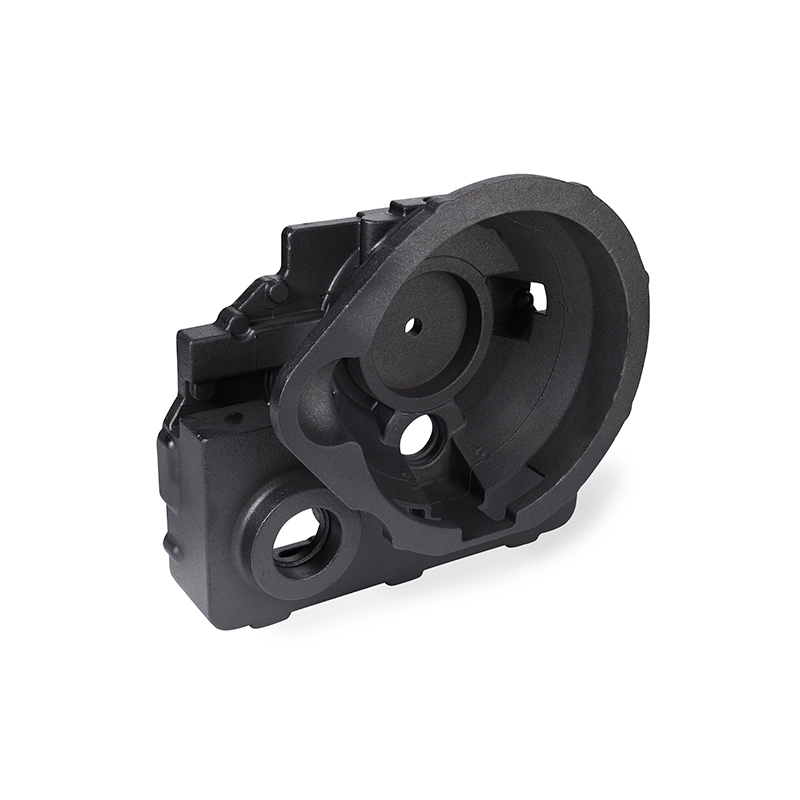
Forklift drive trains need rigid housings that keep bearing seats aligned under dynamic loads. Gray iron's compressive strength and consistent elastic modulus make it the standard choice for transmission housings, gearbox housings, and separator plates in this sector.
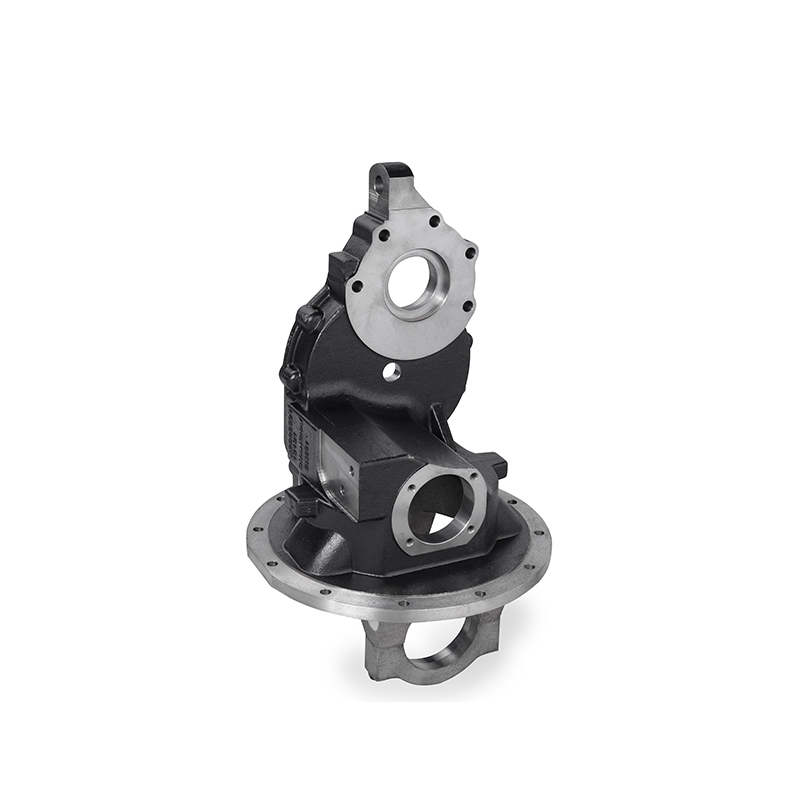 Gray Cast Iron Electric Forklift Transmission HousingThis structural housing for electric forklifts provides precise mounting for motors, gears, and differentials. Its gray iron construction offers compressive strength and rigidity, ensuring stable power delivery in dynamic lift operations.View Product →
Automotive parts push in the opposite direction: weight. Aluminum die casting produces thin walls and tight as-cast tolerances, which is why engine housings, timing chain covers, and suspension brackets are almost always aluminum. The parts deliver the same structural function at a fraction of the mass.
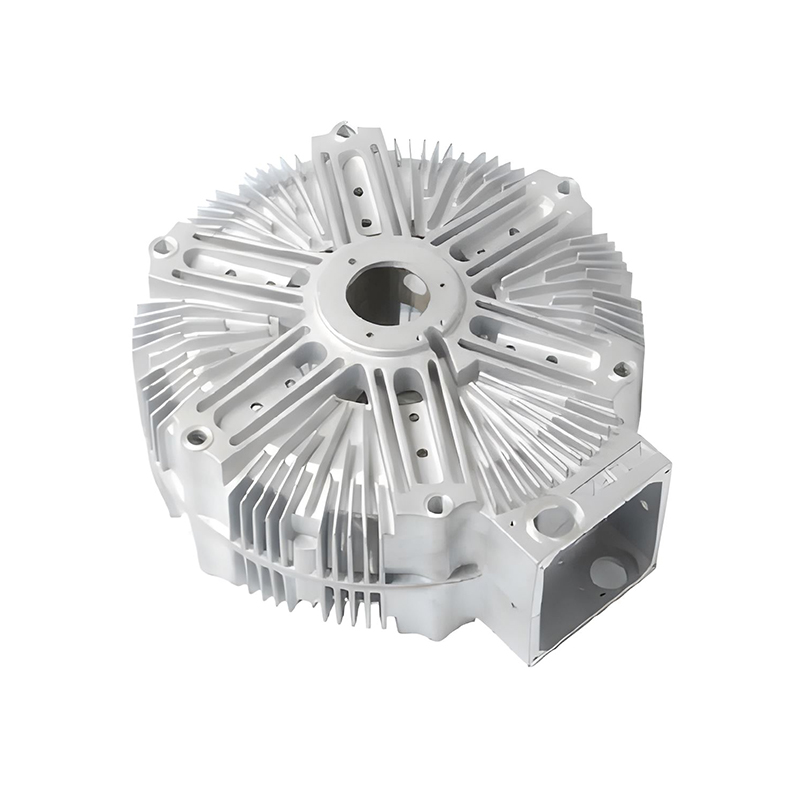 Aluminum Alloy Automotive Engine HousingThis lightweight aluminum housing protects internal engine parts from contaminants and provides mechanical support. Its die-cast thin walls and tight tolerances make it ideal for reducing mass while maintaining structural performance in vehicles.View Product →
Elevator equipment adds a safety dimension. Motor housings and gearbox bearing covers belong to a certified lifting system, so consistent mechanical properties and complete documentation are non-negotiable.
The quickest way to judge a supplier is to ask specific, verifiable questions and watch how fast and how precisely the answers arrive.
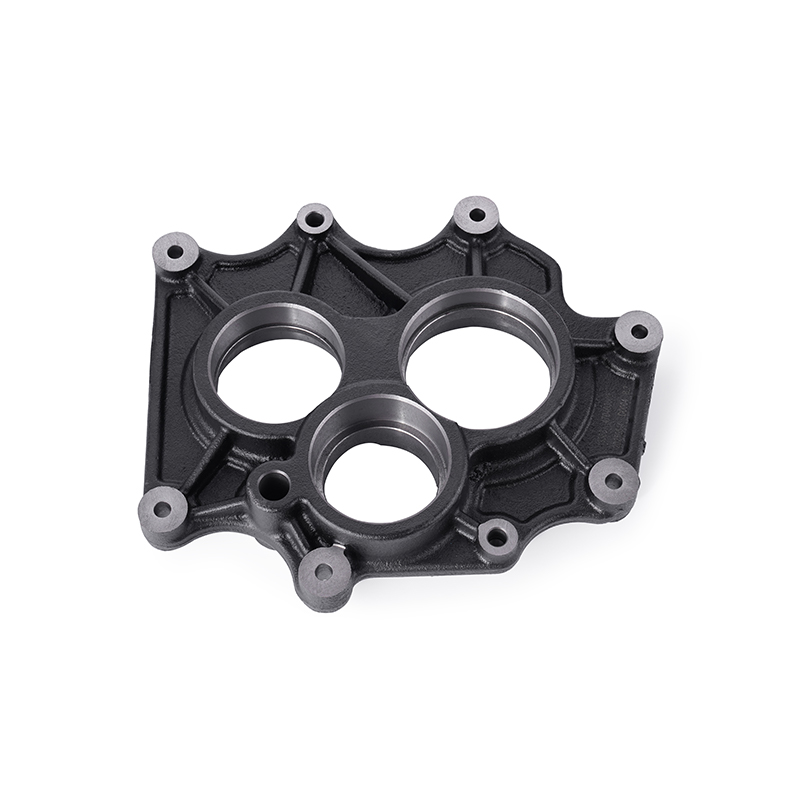
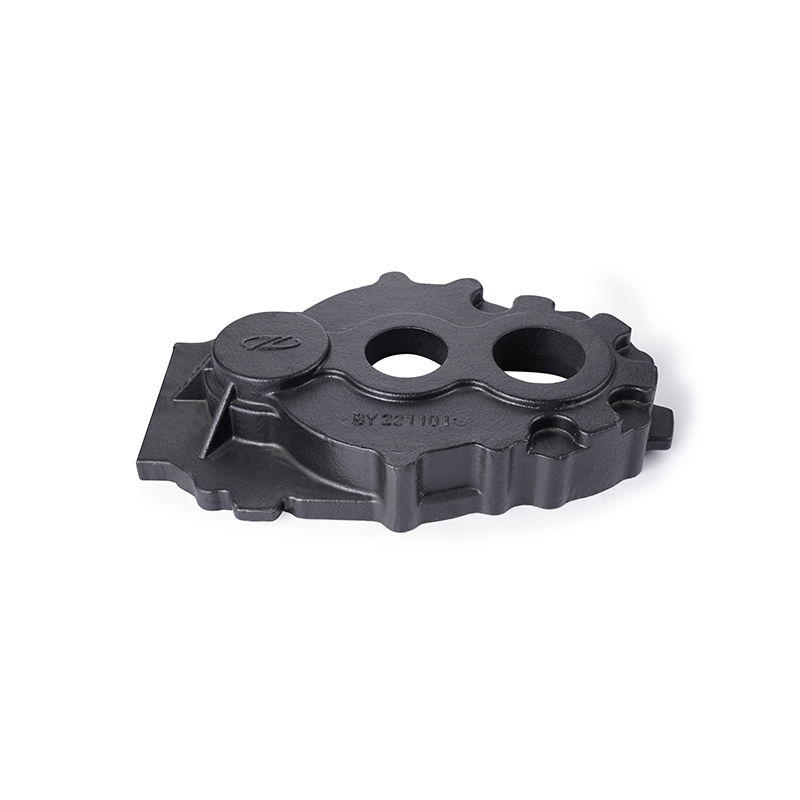
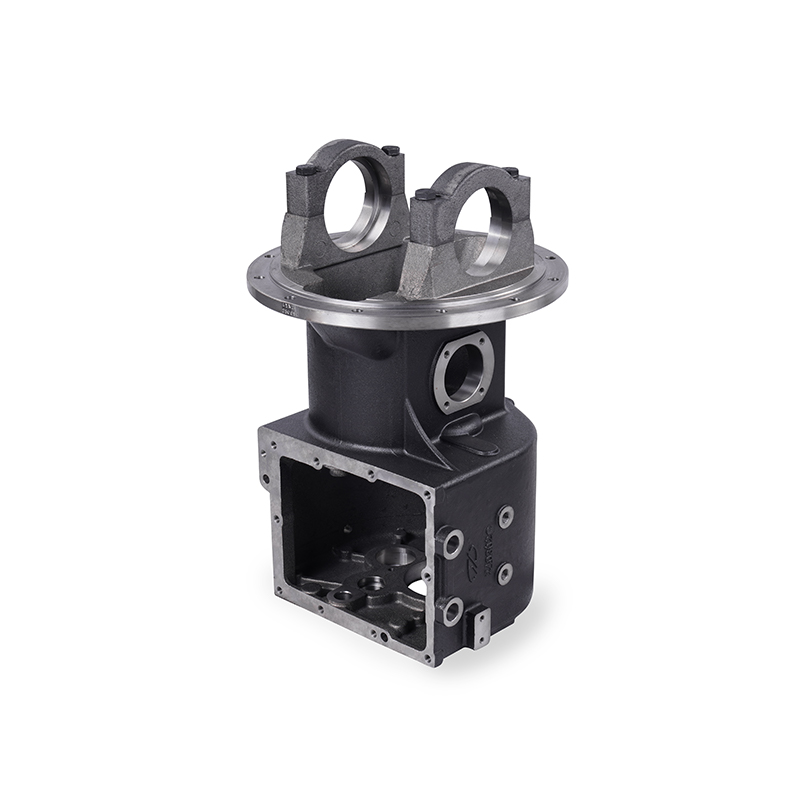
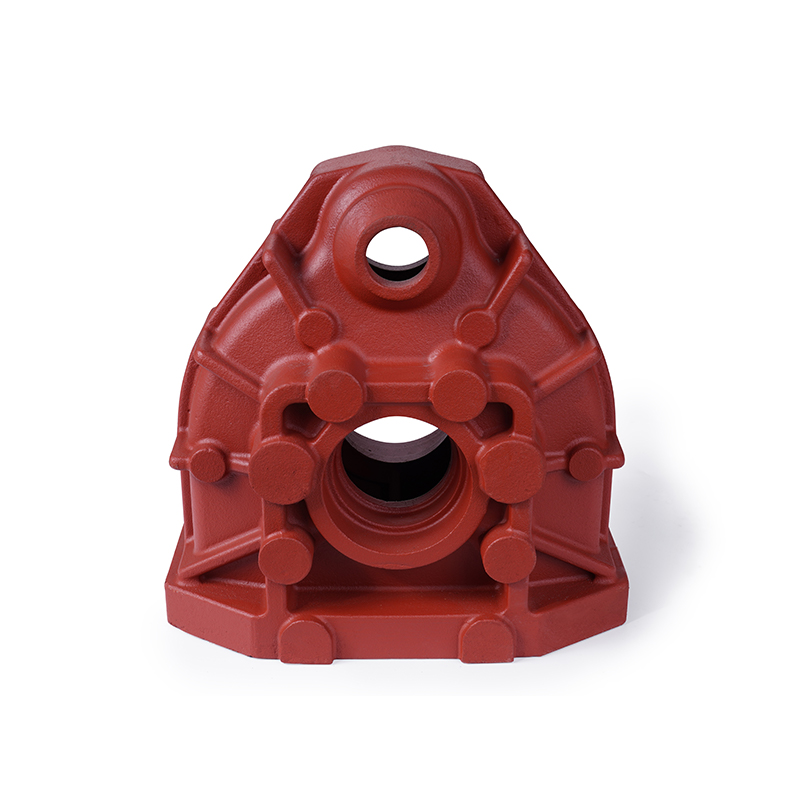
Hesitation is the tell. A quality foundry has these answers in hand because its production system generates them every day. If you are comparing casting processes for aluminum parts, the comparison of die casting and gravity casting explains why process choice changes both cost and mechanical profile. You can also examine a representative range of cast iron products to see the shapes and tolerances a full-service supplier handles in series production.
The price of a casting is easy to compare. The behavior of a foundry over three years of serial production is not. Rejected batches, silent engineering departments, and optimistic quotes that turn into late deliveries will turn a low unit price into an expensive supply chain. Choose a partner that shows its melt records, defends its tolerances, and answers technical questions before the order exists. That willingness to be checked is the practical definition of a quality foundry.





 русский
 日本語
日本語