When a procurement engineer sends out a request for quotation for a transmission housing, the first reply that matters is not about price. It is about whether the foundry can deliver the part as a finished, machined component ready for assembly. A supplier that combines casting and machining services removes the coordination risk of managing separate vendors and shortens the path from drawing to production. At Ningbo Jubo Transmission Machinery, this integrated approach is the core of the business: gray iron, ductile iron, and aluminum die casting, followed by precision machining and quality inspection, all under one roof.
Casting and machining services cover the complete conversion of raw material into a finished metal component. Casting produces the near-net-shape part by pouring or injecting molten metal into a mold that defines the external geometry. Machining then removes material from critical surfaces to achieve the dimensional accuracy, flatness, concentricity, and surface finish required by the drawing.
An integrated supplier typically provides the following under one contract:
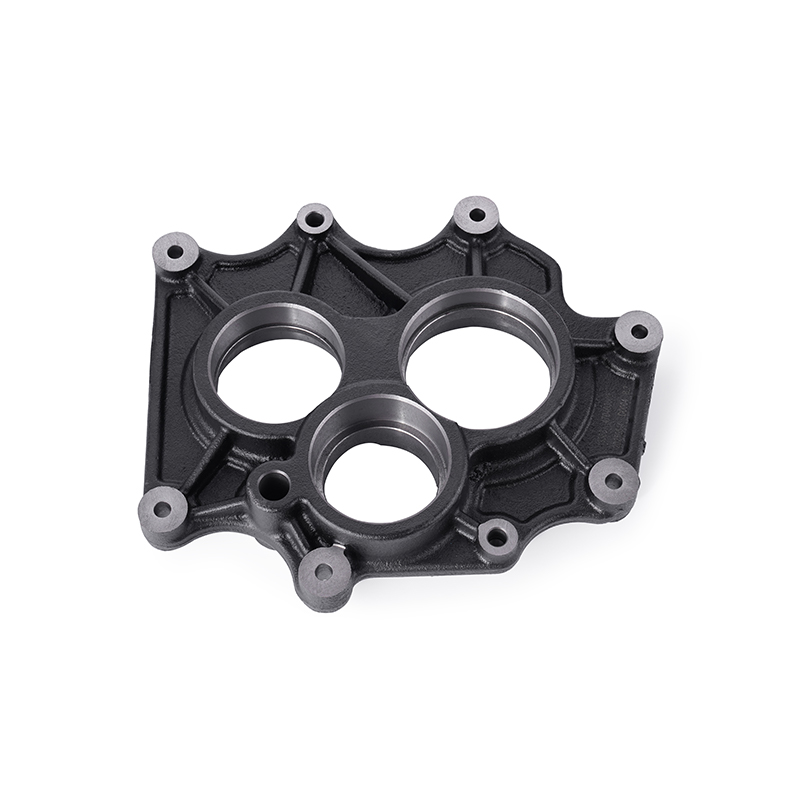
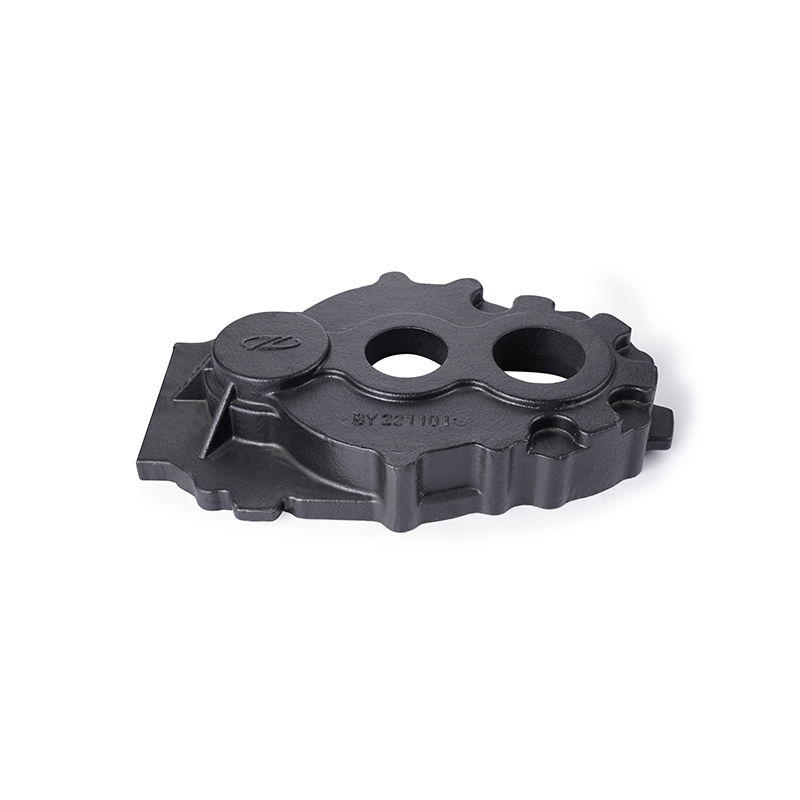
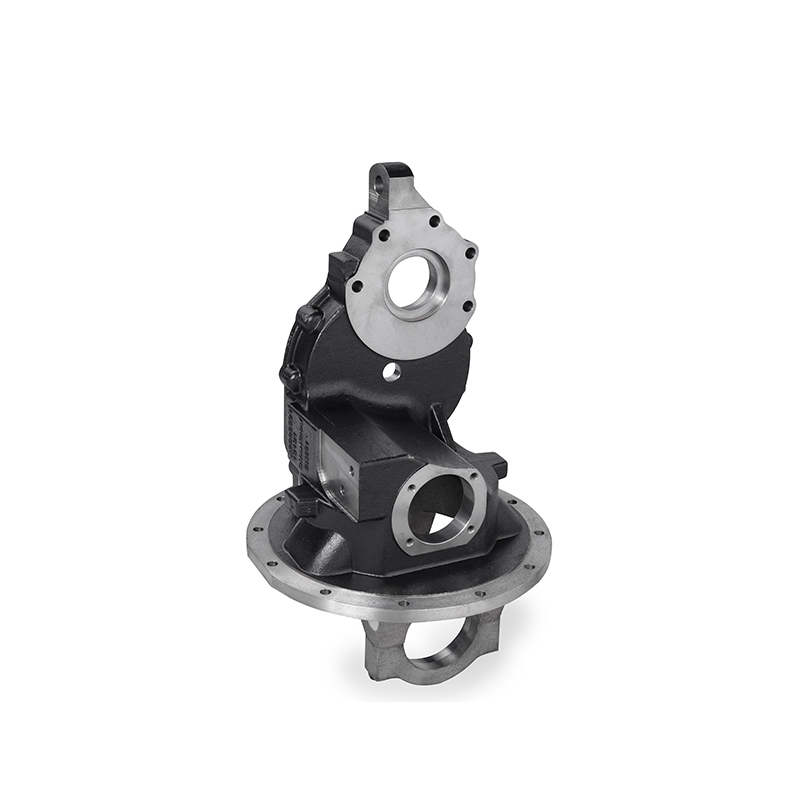
For buyers of powertrain and transmission components, the value of combining these steps is straightforward. A single supplier owns the tolerance chain from the mold to the finished bore. If a machined feature falls out of specification, there is no dispute between a foundry and a separate machine shop about who is responsible. That is why many OEMs prefer a partner that can manage both casting and machining services for critical housings. The cast iron casting product range shows how widely this integrated approach is applied across housing-type components.
Material selection drives both casting cost and machined-part performance. Three material families cover most casting and machining services requests.
| Material | Key Characteristics | Typical Machined Components | Selection Criteria |
|---|---|---|---|
| Gray cast iron | High damping capacity, excellent machinability, good wear resistance | Transmission housings, clutch housings, flywheel housings, gearbox covers | When vibration damping and machinability matter more than tensile strength |
| Ductile cast iron | Higher strength and ductility, good impact resistance | Gearbox housings, half-axle housings, motor bases, tractor brackets | When the part carries load or experiences shock loading |
| Aluminum die casting | Lightweight, corrosion resistant, good thermal conductivity | Engine housings, timing chain covers, heat sinks, suspension brackets | When weight reduction or heat dissipation is critical |
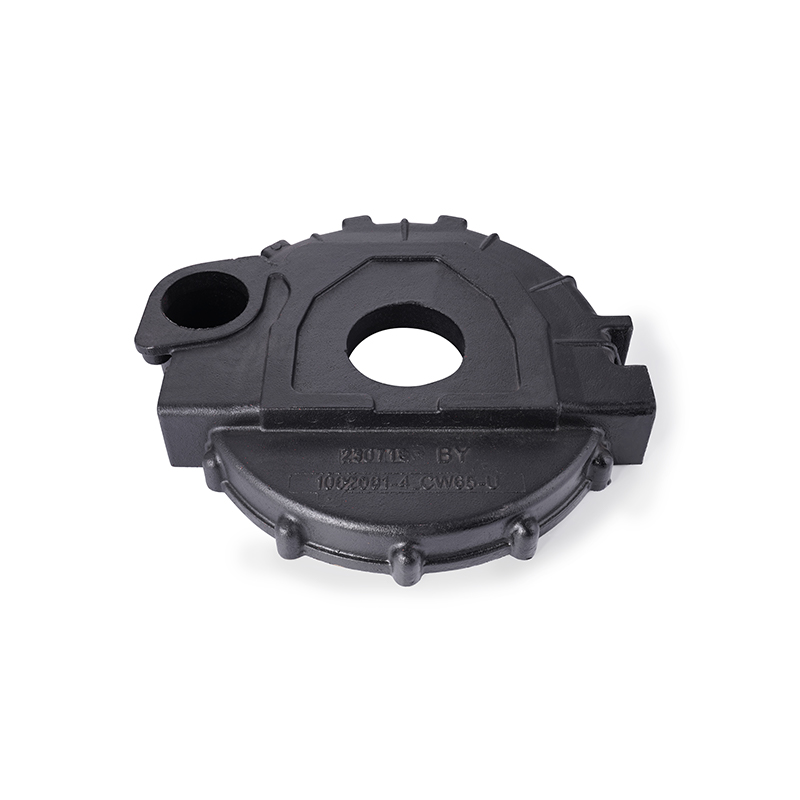
For heavy-duty powertrain parts such as tractor transmission housings and forklift gearbox housings, gray iron remains the default because it absorbs vibration and machines cleanly at high production rates. Ductile iron is specified when the design calls for higher mechanical strength and impact resistance, such as gearbox housings and half-axle housings. Aluminum die casting is the preferred route for automotive components where weight targets drive the design and where thermal conductivity improves heat dissipation. The final material choice should always be confirmed against the operating loads, machining strategy, and target unit cost.
The performance of a cast and machined component depends as much on the supplier's process discipline as on the material grade. When comparing casting and machining services, evaluate the following factors.
Cast and machined components appear wherever housings, covers, brackets, and flanges must hold alignment under load. The following sectors are among the most demanding for casting and machining services.
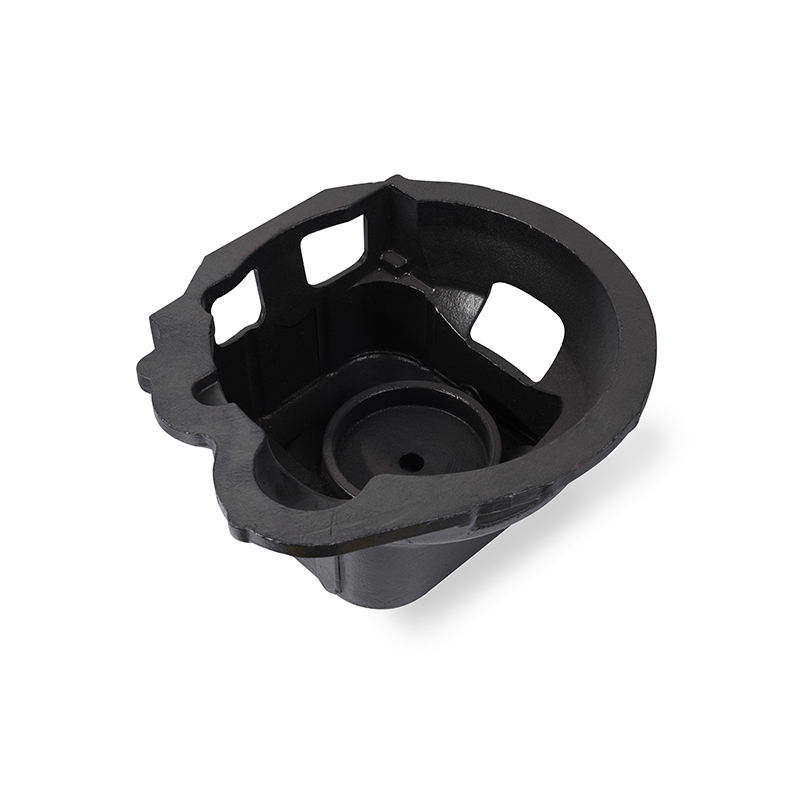
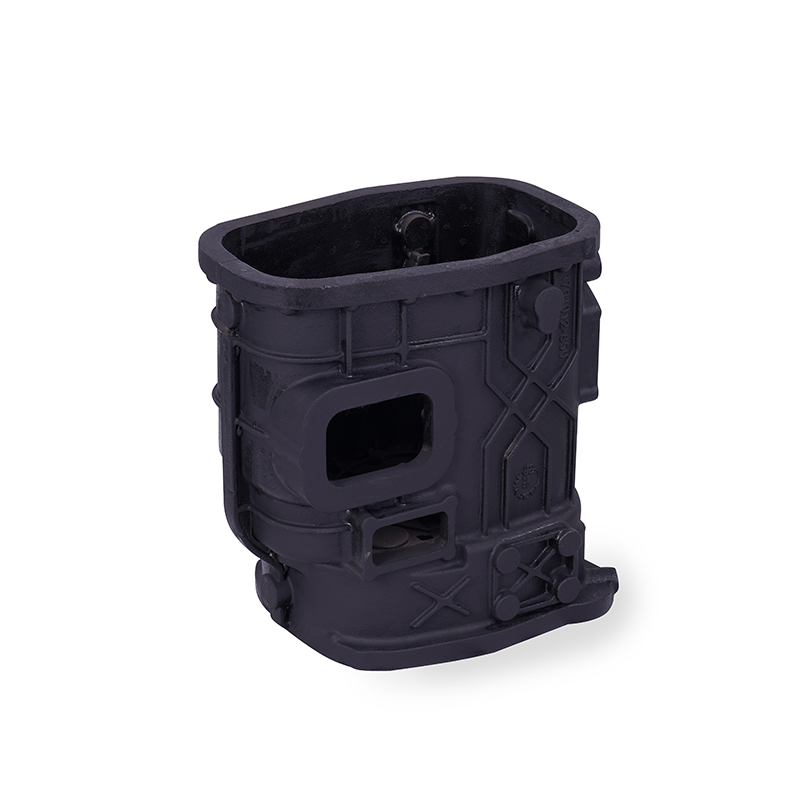
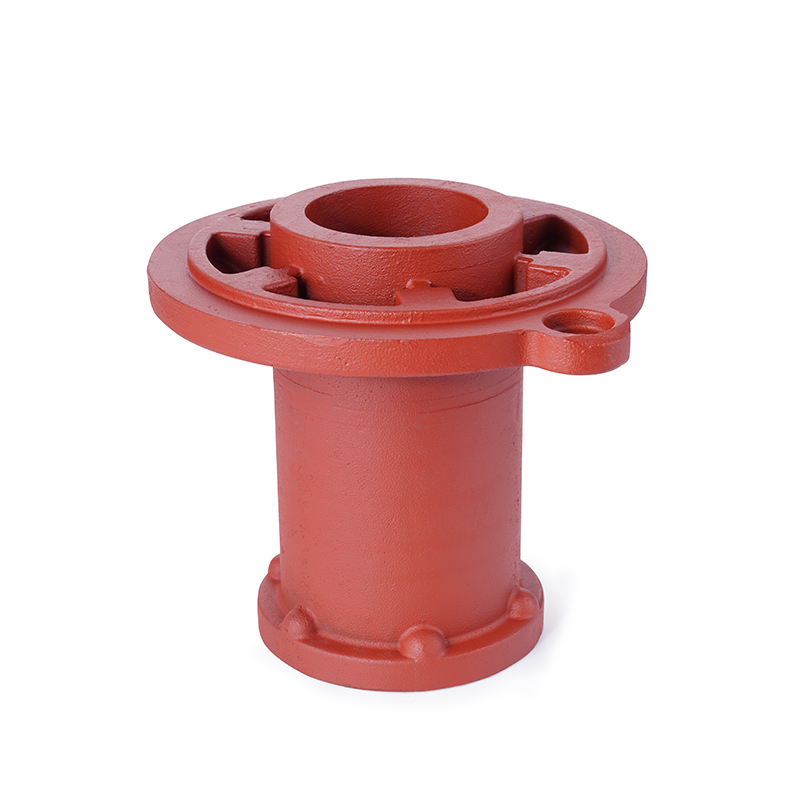
Agricultural machinery operates under heavy loads, continuous vibration, and dusty conditions. Transmission housings, lift covers, half-axle housings, and brackets must maintain dimensional stability over a long service life. A gray cast iron tractor transmission housing is a typical example: the casting provides the rigid skeleton, and machining defines the bearing bores, sealing faces, and mounting surfaces that keep the drivetrain aligned.
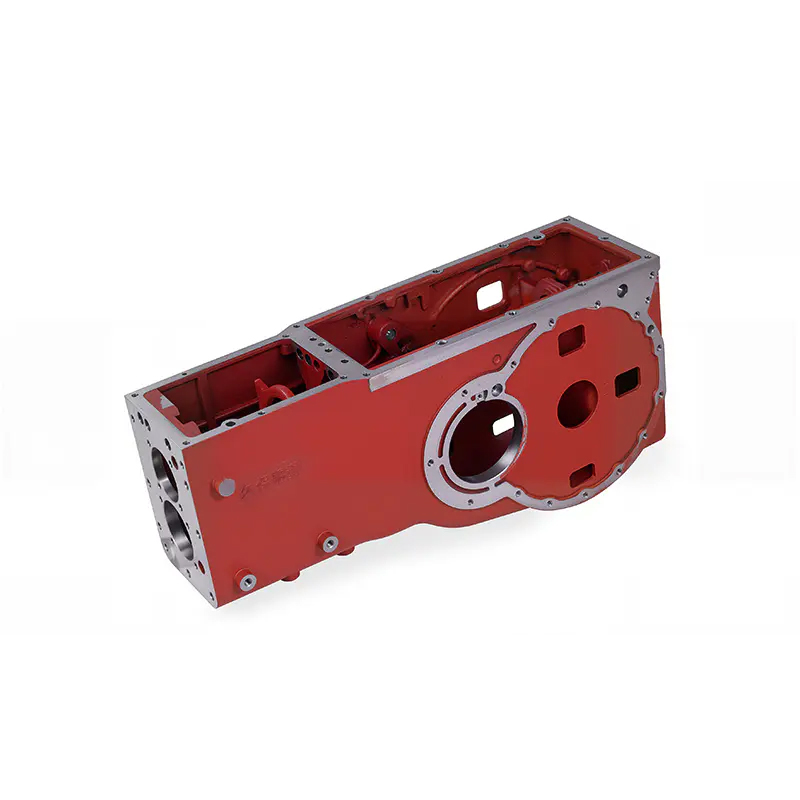 Custom Cast Iron Casting-Gray Cast Iron Tractor Transmission Housing ManufactureNingbo Jiubao Transmission Machinery Co., Ltd. is China Custom Cast Iron Casting-Gray Cast Iron Tractor Transmission Housing manufacturer...View Product →
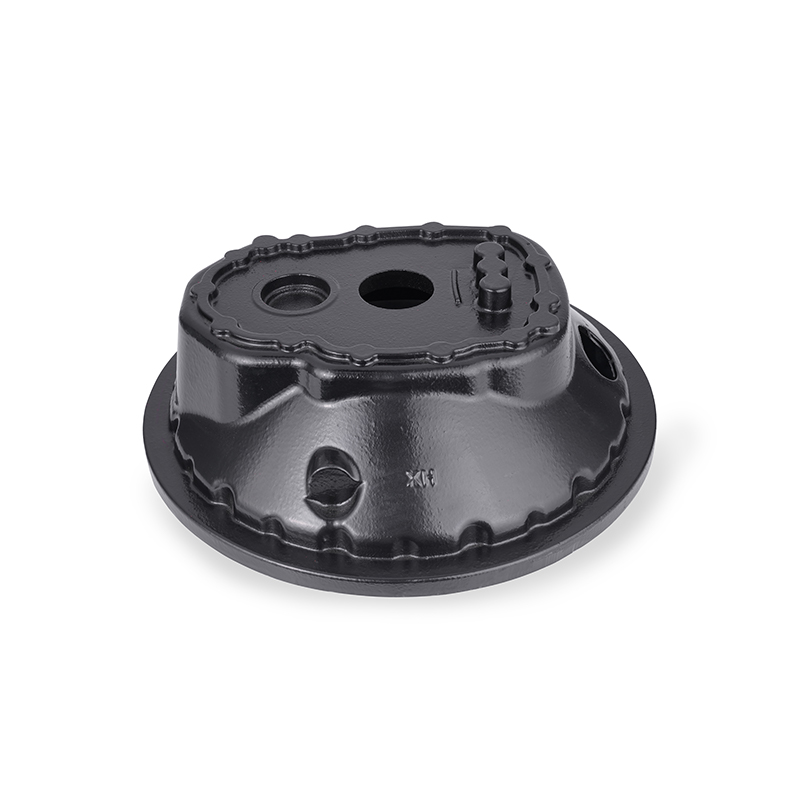
The automotive sector balances strength, weight, and thermal management. Gray iron remains common for clutch housings, flywheel housings, and other drivetrain parts on light trucks, while aluminum die casting is widely used for engine components, timing chain covers, brackets, and flanges. An aluminum alloy automotive engine housing demonstrates how thin-wall die casting combined with precision machining holds tight tolerances while saving weight.
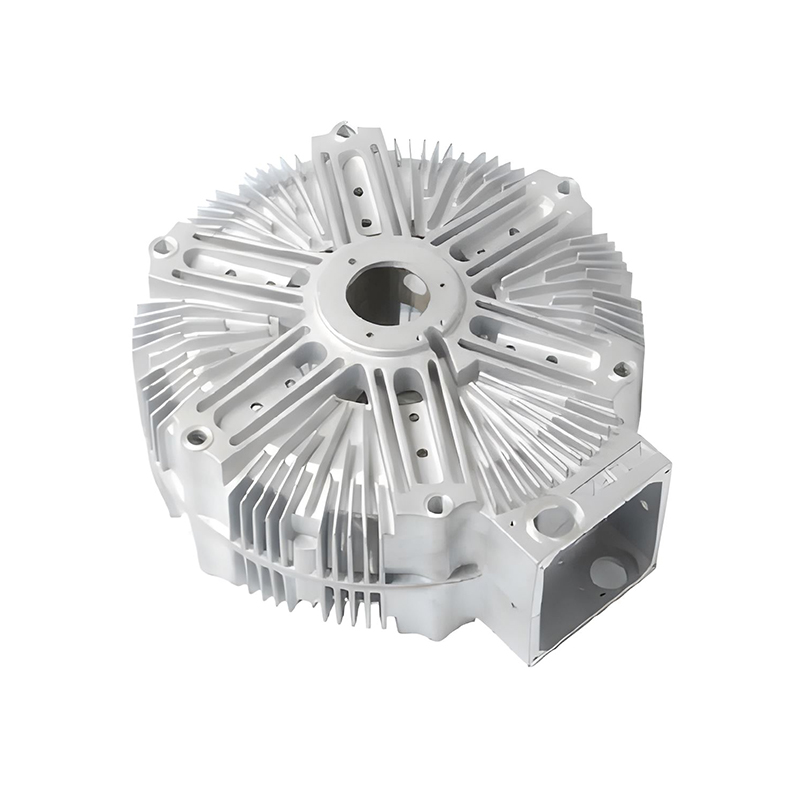 Custom Aluminum Die Casting-Aluminum Alloy Automotive Engine Housing ManufacturNingbo Jiubao Transmission Machinery Co., Ltd. is China Custom Aluminum Die Casting-Aluminum Alloy Automotive Engine Housing manufacture...View Product →
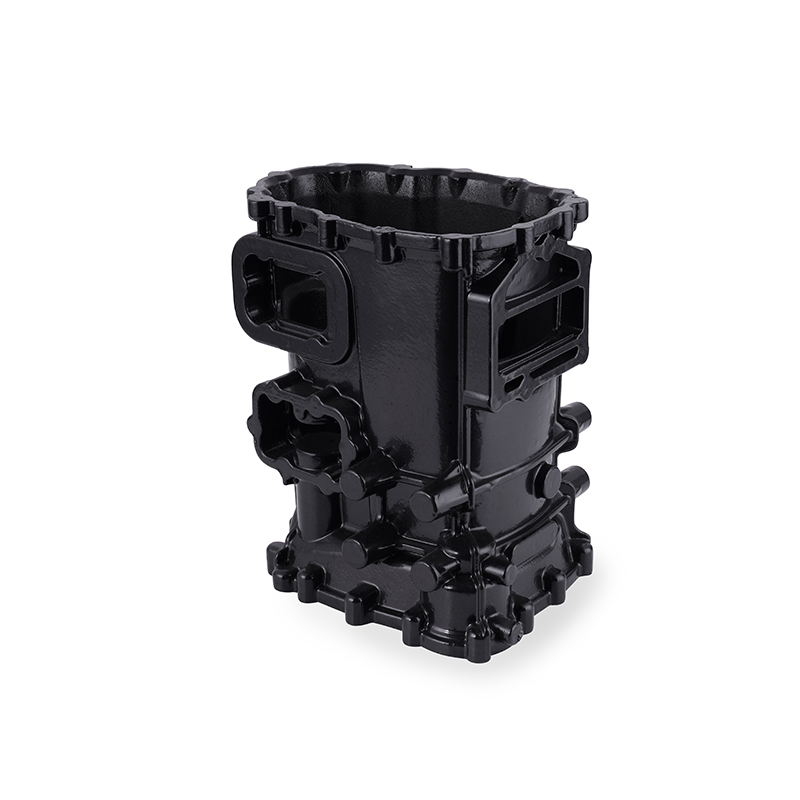
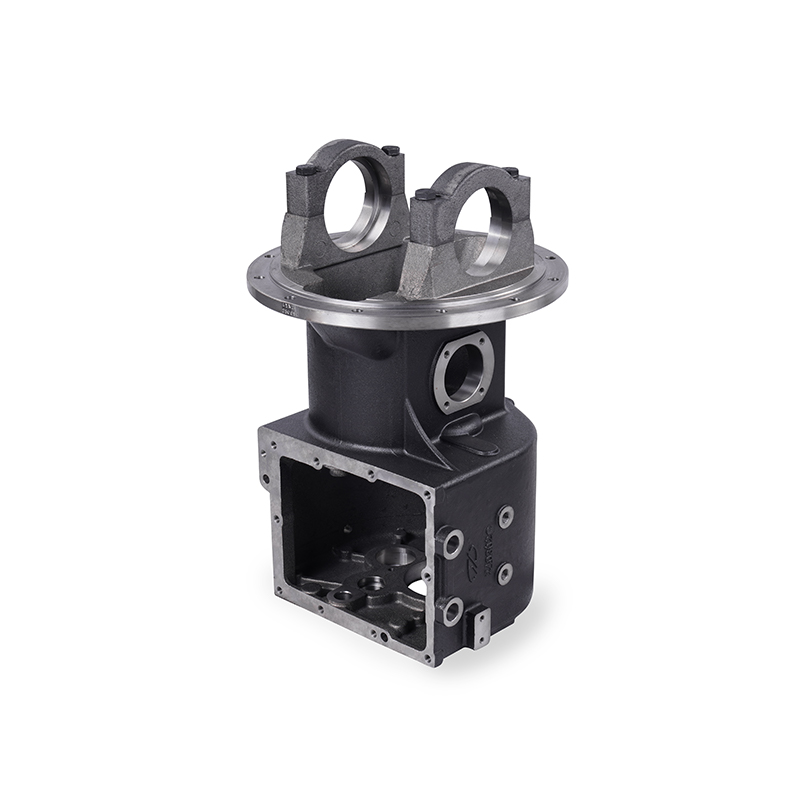
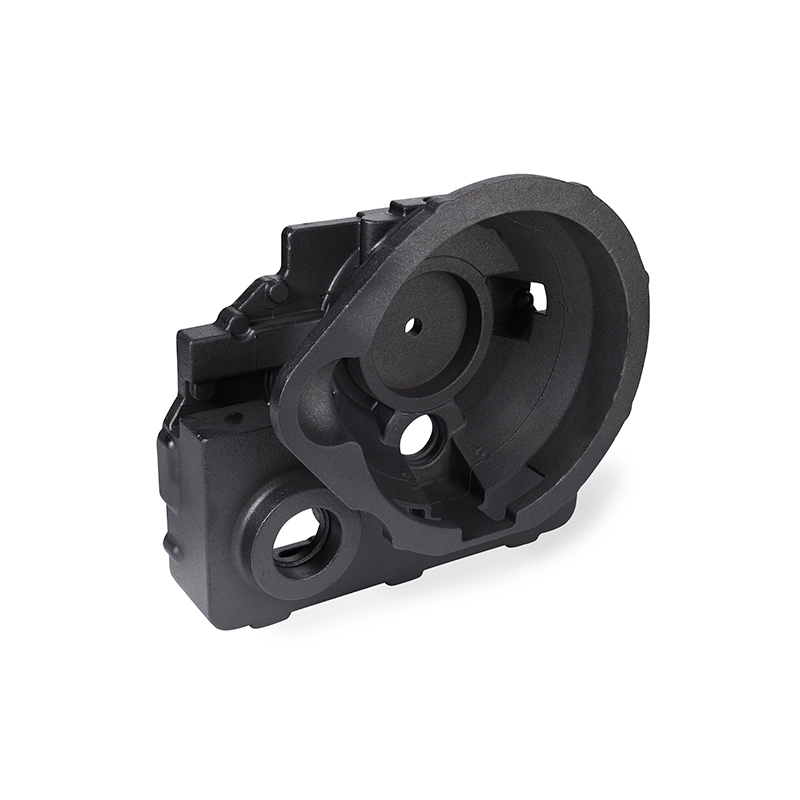
Forklifts and construction equipment demand components that withstand shock loads and repetitive operation. Gearbox housings, axle tubes, and transmission covers are typically produced in gray iron, then machined to close tolerances. The gray cast iron gearbox housing is a representative part in this category, where casting soundness and machined bore accuracy directly affect gear alignment and service life.
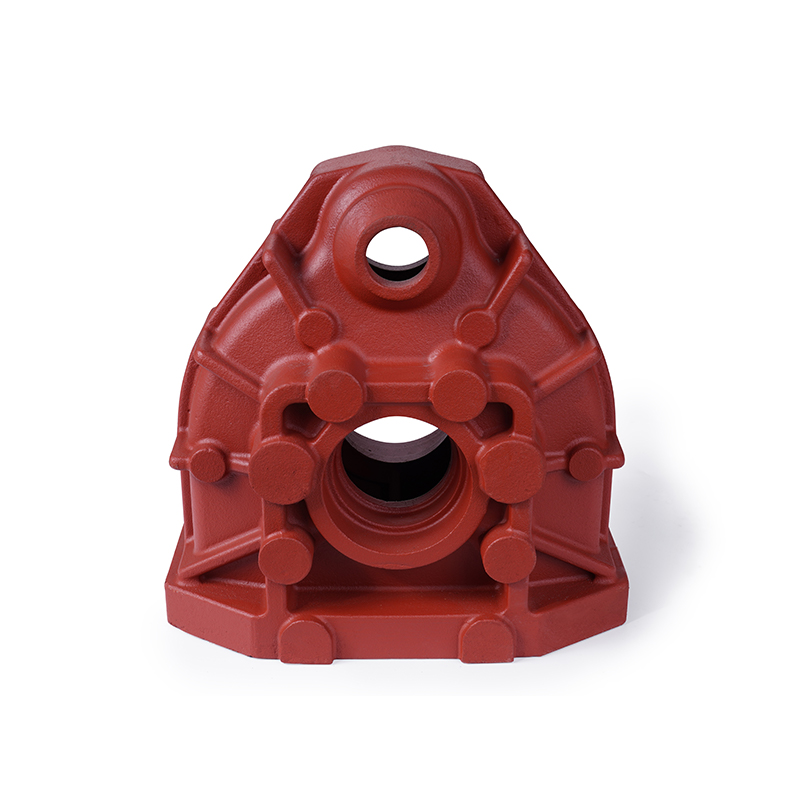 Custom Cast Iron Casting-Gray Cast Iron Gearbox Housing Manufacturers, Foundry -Ningbo Jiubao Transmission Machinery Co., Ltd. is China Custom Cast Iron Casting-Gray Cast Iron Gearbox Housing manufacturers and foundry...View Product →
Elevator drive systems rely on motor housings, motor bases, and gearbox bearing covers that maintain alignment under constant starting and stopping. Firefighting equipment and communication equipment also require cast components whose material properties and machined accuracy affect reliability. Each industry brings its own standards and inspection requirements, which is why application experience matters when selecting a supplier.
A casting and machining project follows a clear sequence. A structured approach reduces surprises and keeps the program on schedule.
For a deeper look at how iron casting processes and material choices interact, the detailed guide to cast iron casting processes and applications explains the technical background behind common specifications.
Several factors determine the final cost of a cast and machined part:
Rather than asking for a generic price, provide the drawing and annual volume. A supplier that offers casting and machining services can then propose the most economical material, the optimal parting line, and a machining strategy that minimizes scrap and cycle time. Early design-for-manufacturing input often reduces cost more than any later negotiation.
The choice of a casting and machining partner should rest on process capability, not price alone. A supplier that can cast, machine, inspect, and ship from a single location reduces sourcing complexity and provides a single point of accountability for quality and delivery.
Located in Ningbo with access to one of the world's busiest ports, Ningbo Jubo Transmission Machinery serves OEM customers across agriculture, automotive, construction machinery, elevator, firefighting, and communication equipment. Send your drawings for a design-for-manufacturing review and a quotation based on your actual production requirements.





 русский
 日本語
日本語